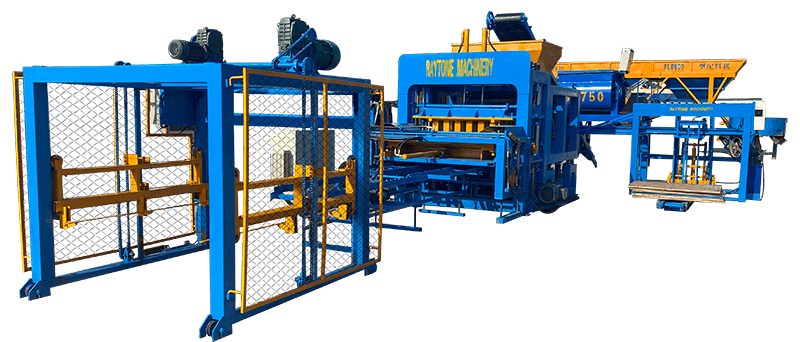






The global concrete blocks and bricks market is projected to grow from $444.02 billion in 2025 to $471.99 billion in 2026, marking a 6.3% annual growth. This surge is driven by unprecedented infrastructure investments, housing shortages, and the rapid adoption of automated block making technology that is reshaping construction material supply chains worldwide.
The construction industry enters 2026 facing a perfect storm of opportunities and challenges. Infrastructure bills worth trillions, persistent housing deficits, and sustainability mandates are colliding with labor shortages and material cost pressures. For developers, contractors, and manufacturers, understanding these dynamics is critical for strategic planning. This comprehensive analysis examines the key trends shaping construction demand, regional growth drivers, technological innovations in block production, and actionable forecasts through 2031.
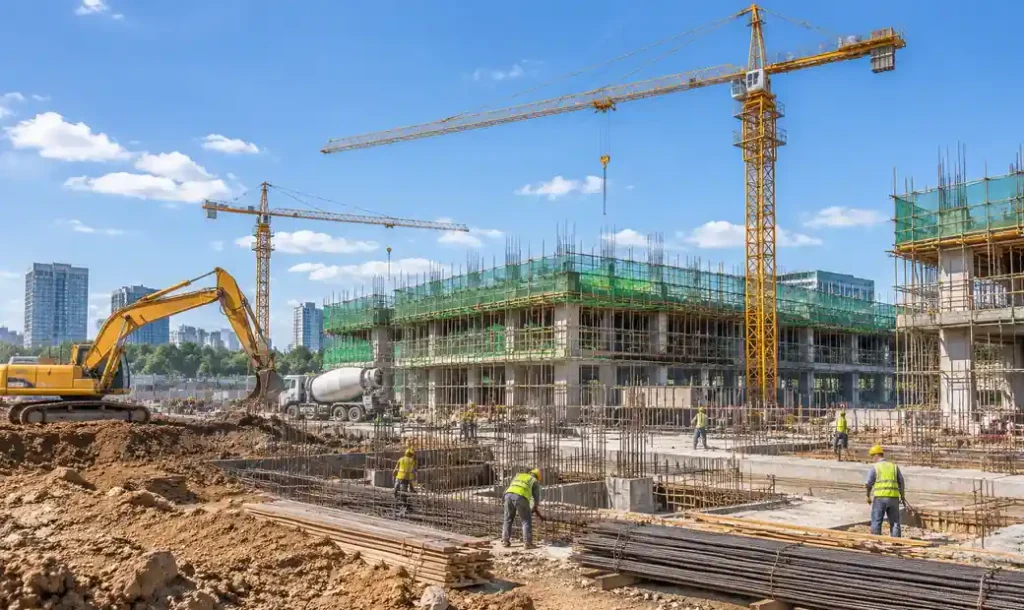
Global Construction Market Growth Projections
The construction sector is experiencing asymmetric growth across segments. Global construction output reached $9.6 trillion in 2026, with civil engineering projects growing at 6.5% annually—significantly outpacing the overall market rate of 3.8%. This K-shaped recovery reflects government-led infrastructure pushes versus constrained residential activity in mature markets.
North America’s construction market stands at $3.89 trillion in 2026, projected to reach $5.06 trillion by 2031 at a 5.42% CAGR. The United States alone will hit $1.27 trillion in construction spending in 2026, driven by the CHIPS Act, data center boom, and Infrastructure Investment and Jobs Act (IIJA) funding.
Regional Construction Market Comparison 2026-2031
| Region | 2026 Market Size | 2031 Forecast | CAGR | Key Growth Drivers |
|---|---|---|---|---|
| North America | $3.89 trillion | $5.06 trillion | 5.42% | CHIPS Act, data centers, IIJA infrastructure |
| Asia-Pacific | Largest market | Continued dominance | 5-6% | Urbanization, affordable housing programs |
| Europe | Growth recovery | Modest expansion | 2.0% | Green building mandates, renovation wave |
| Middle East | Accelerating | Major projects | 4-5% | Mega-developments, energy diversification |
Concrete Block Market Surge: Demand Drivers and Forecasts
Concrete blocks remain the workhorse of modern construction. The hollow concrete block market reached $278.65 billion in 2025, growing to $292.69 billion in 2026, with projections of $374.36 billion by 2031. This 5.04% CAGR reflects blocks’ cost efficiency, durability, and compatibility with automated construction methods.
Why Block Demand Is Accelerating
Infrastructure Investments: Government spending on bridges, highways, and public facilities requires massive volumes of durable, cost-effective materials. The IIJA alone dedicates $110 billion to U.S. infrastructure repairs and upgrades.
Affordable Housing Crisis: Global housing shortages demand rapid, economical construction. Concrete blocks offer 20-30% cost savings compared to traditional bricks, making them ideal for mass housing projects. Single-family housing starts in the U.S. are forecast at 1.25-1.30 million units in 2027-2028.
Disaster Resilience: Climate-driven extreme weather is pushing demand for hurricane-resistant and fire-rated construction. Concrete blocks provide superior structural integrity against these threats.
Sustainability Compliance: Green building certifications increasingly favor blocks made from recycled aggregates and low-carbon cement formulations. The green building materials market is expanding from $532.54 billion in 2025 to $598.04 billion in 2026, with an 11.8% CAGR through 2034.
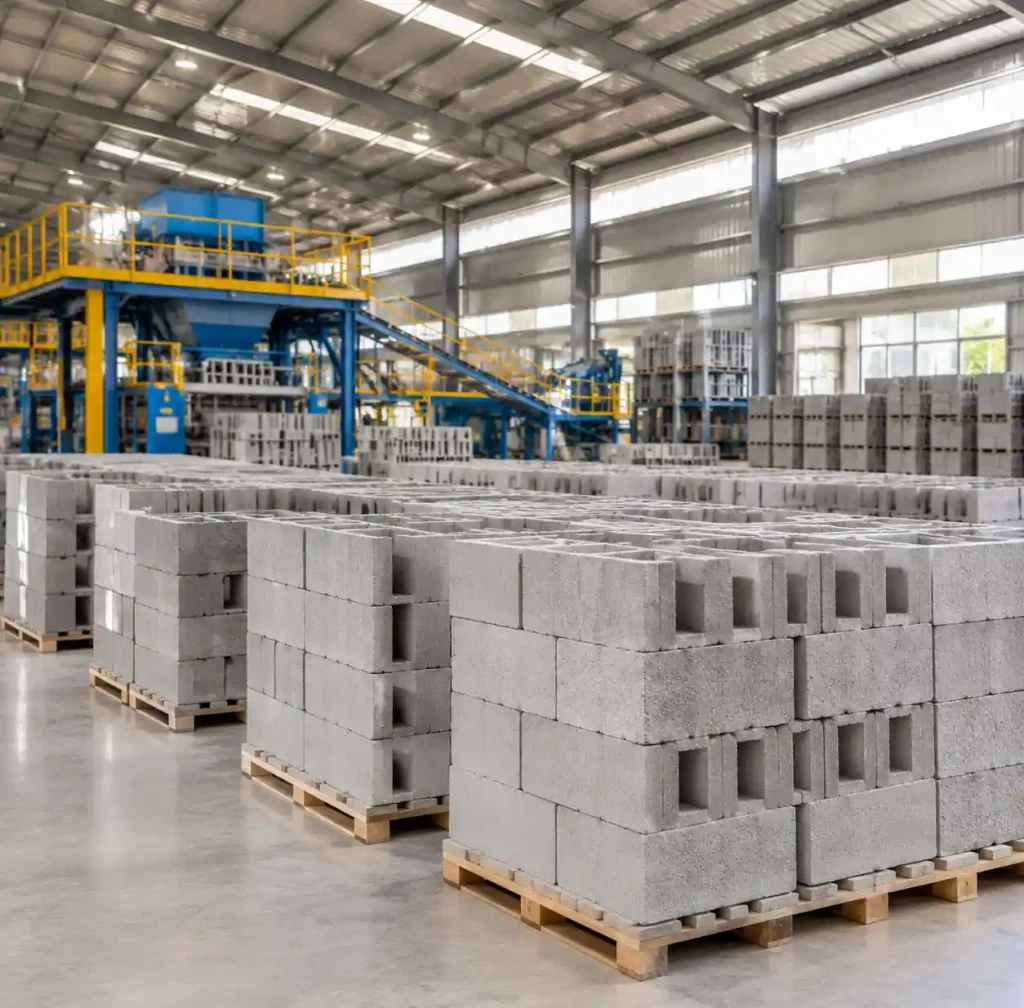
Automation Revolution: Block Making Machine Market Dynamics
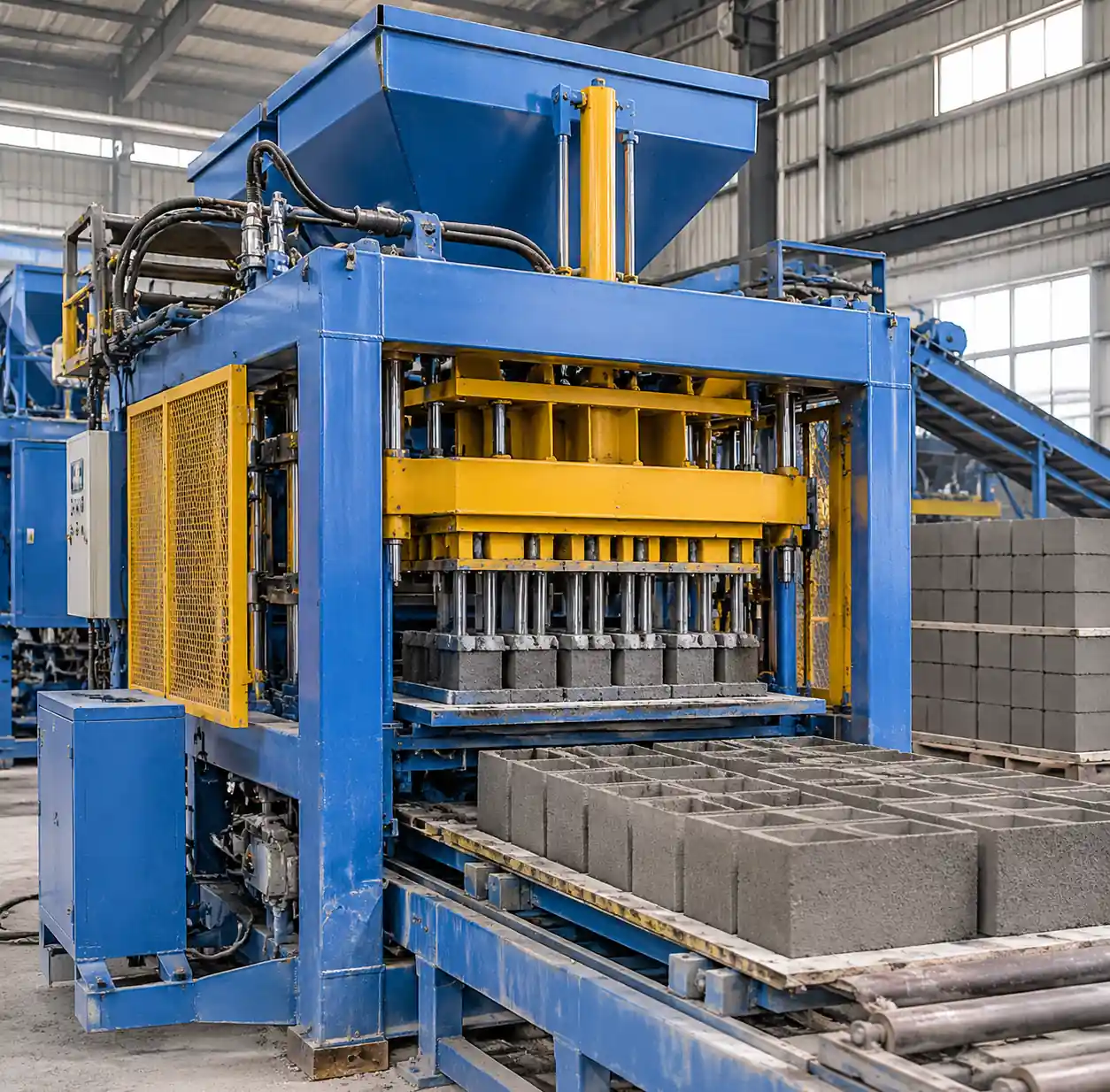
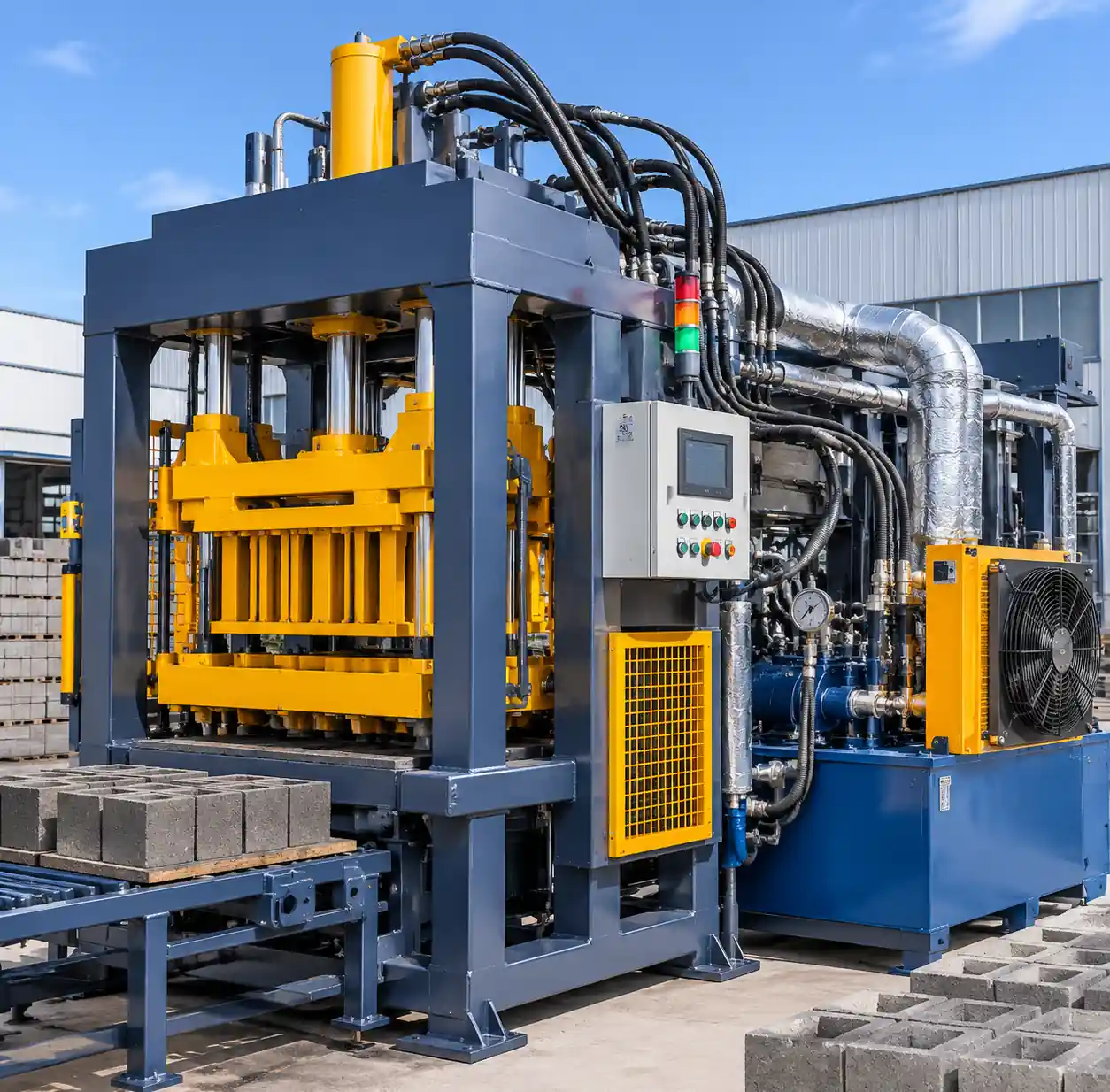
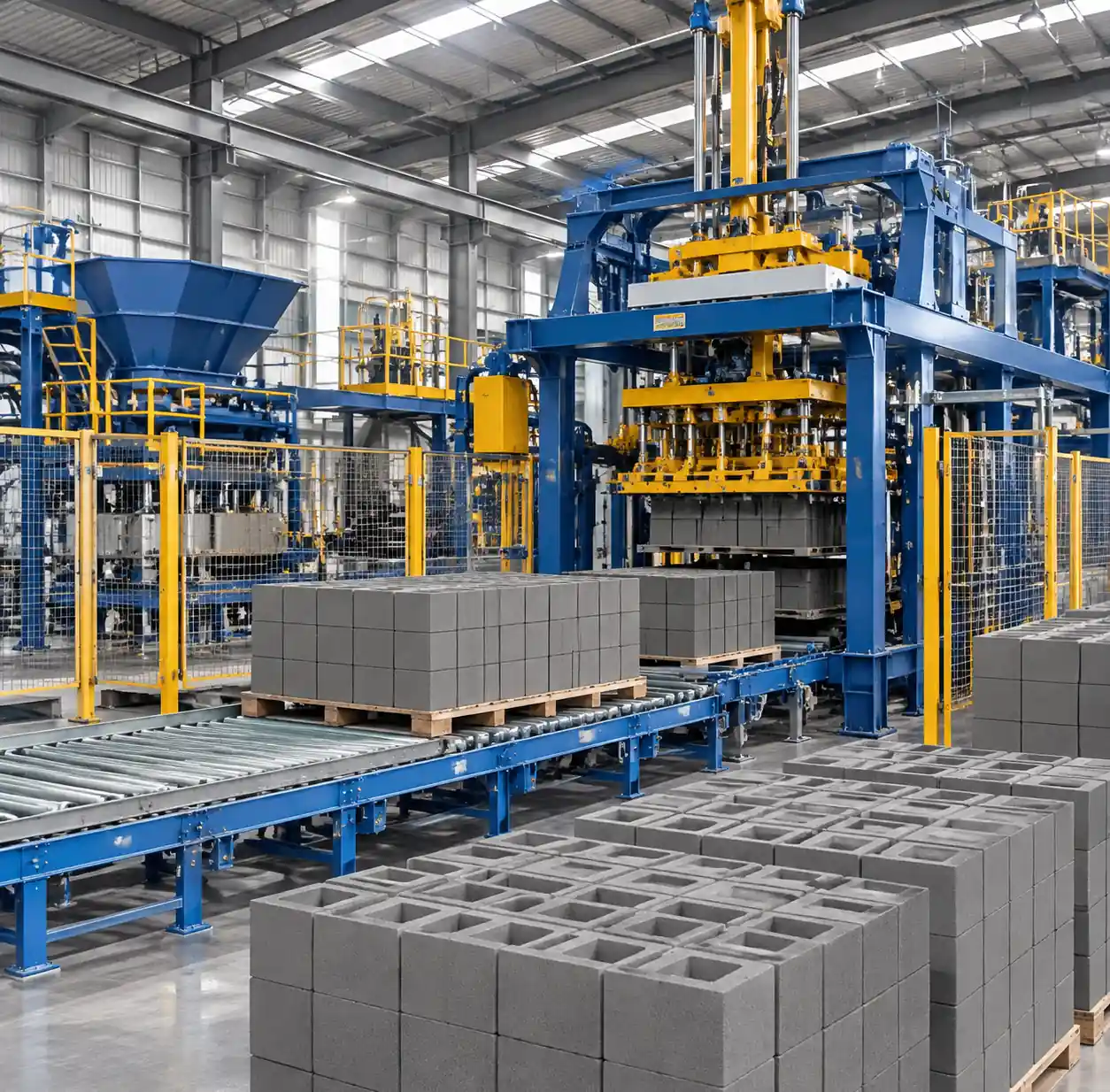
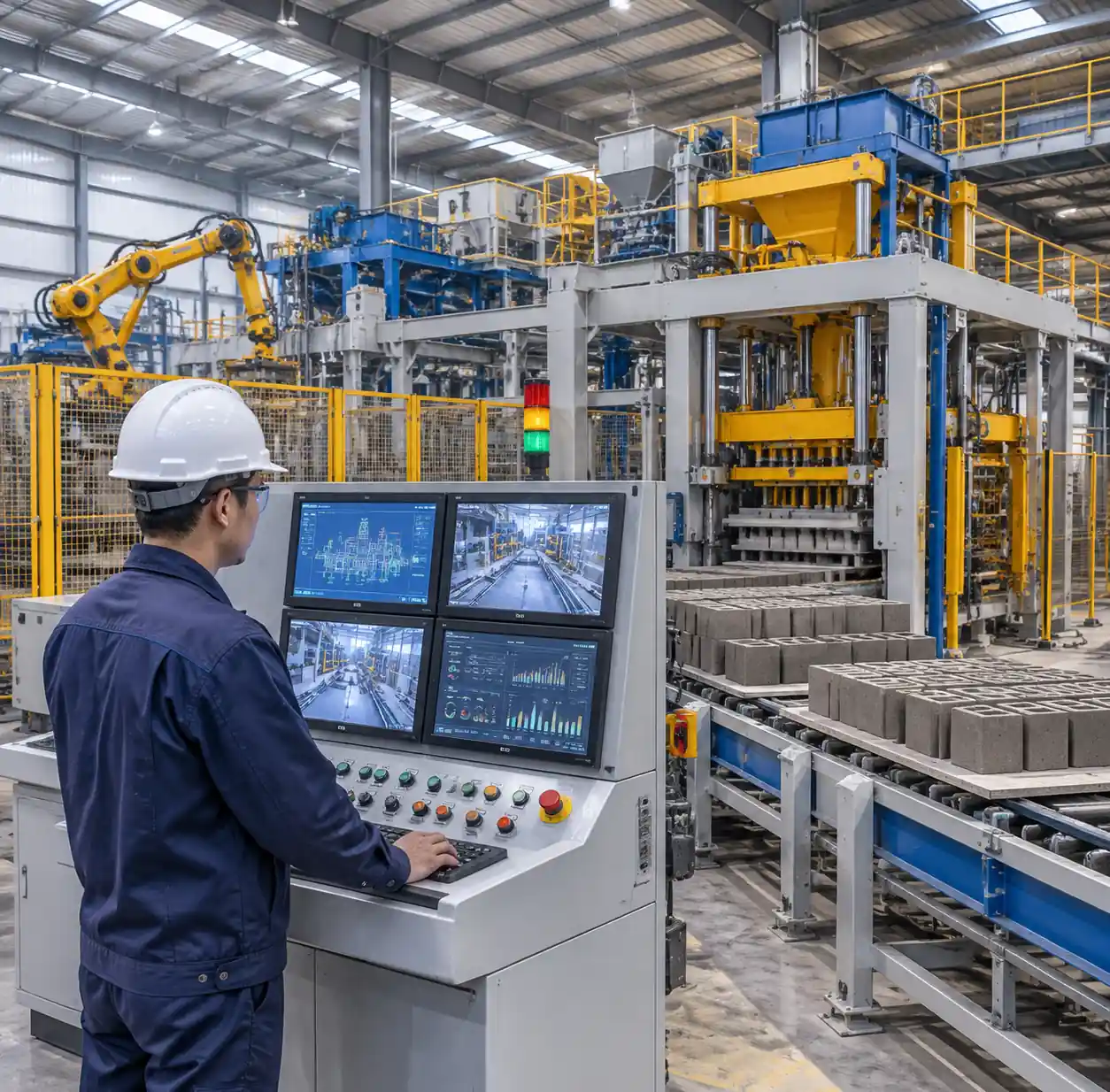
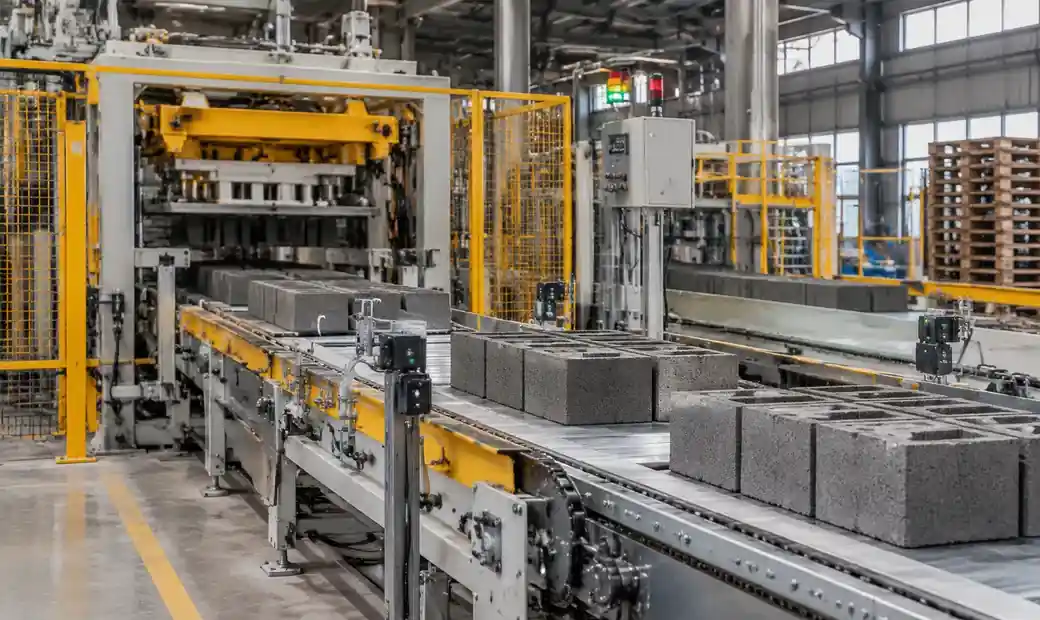
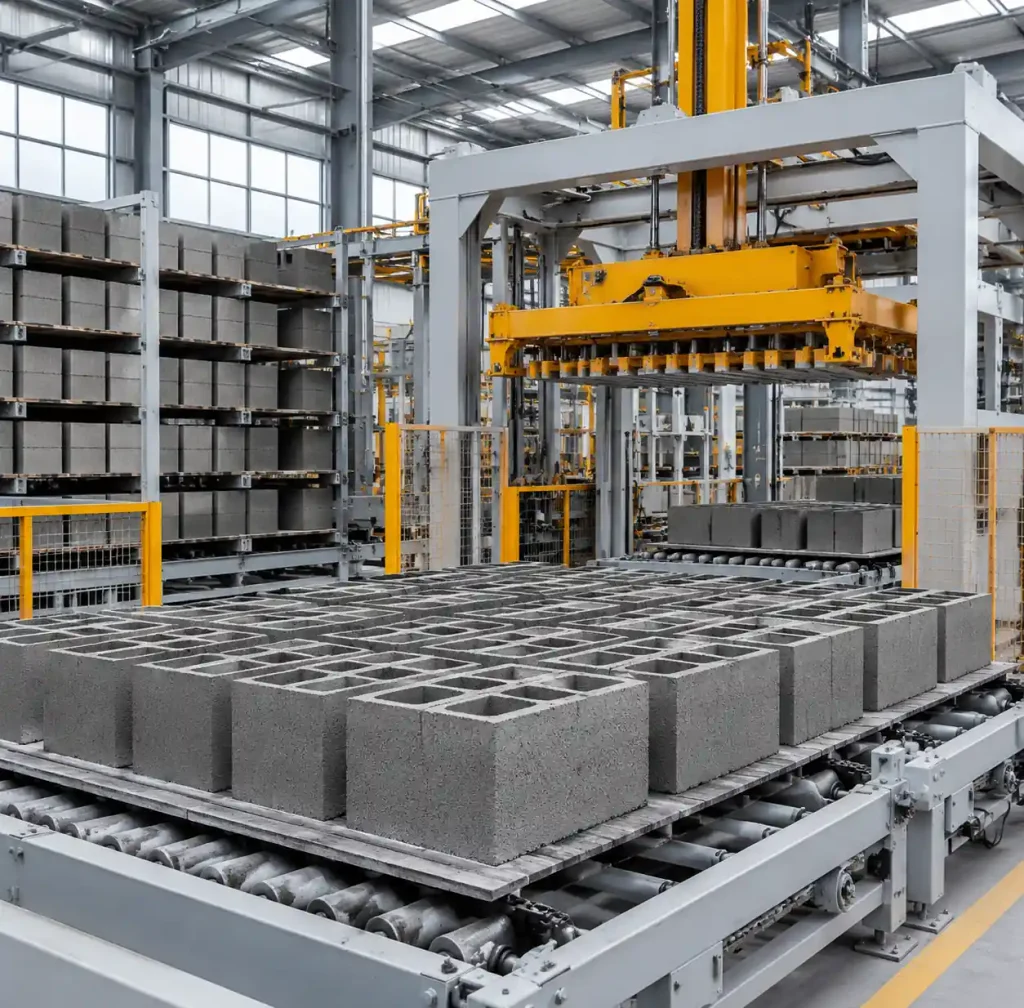
The machinery that produces these blocks is undergoing radical transformation. The automatic block making machines market grew to $1.61 billion in 2025, projected to reach $2.4 billion by 2030 at an 8.3% CAGR. This rapid adoption reflects manufacturers’ need to overcome labor shortages while improving output quality and consistency.
Block Machine Market Segments 2026
| Machine Type | Market Share | Growth Driver | Typical Output |
|---|---|---|---|
| Fully Automatic | 45% | Labor cost reduction, consistency | 8,000-12,000 blocks/day |
| Semi-Automatic | 35% | Balance of cost and efficiency | 4,000-6,000 blocks/day |
| Manual/Hydraulic | 20% | Small-scale operations, flexibility | 1,500-3,000 blocks/day |
Key Technology Trends:
- PLC Control Systems: Modern machines feature programmable logic controllers enabling precise mix ratios, curing cycles, and quality monitoring
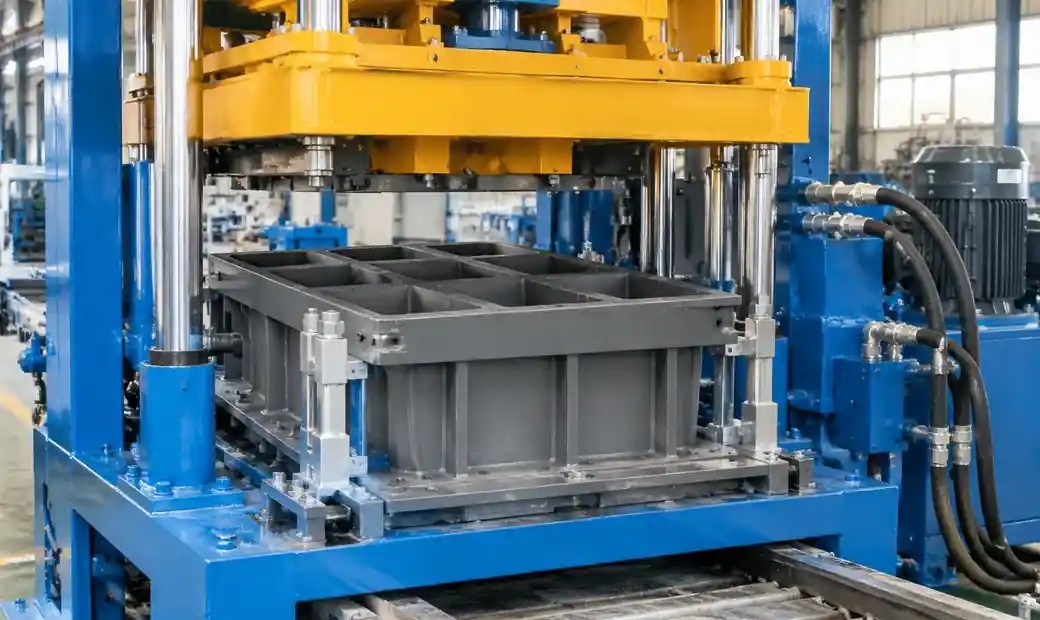
- Multi-Mold Capability: Single machines now produce hollow blocks, solid blocks, paving stones, and interlocking bricks by swapping molds
- Energy Efficiency: New hydraulic systems reduce power consumption by 30-40% compared to 2020-era models
- IoT Integration: Real-time production monitoring, predictive maintenance alerts, and remote diagnostics improve uptime
Raytone Block Machinery leads these innovations, offering fully automatic systems with outputs reaching 12,000 blocks per 8-hour shift. Our equipment supports sustainable production through optimized cement usage and compatibility with recycled aggregate inputs.
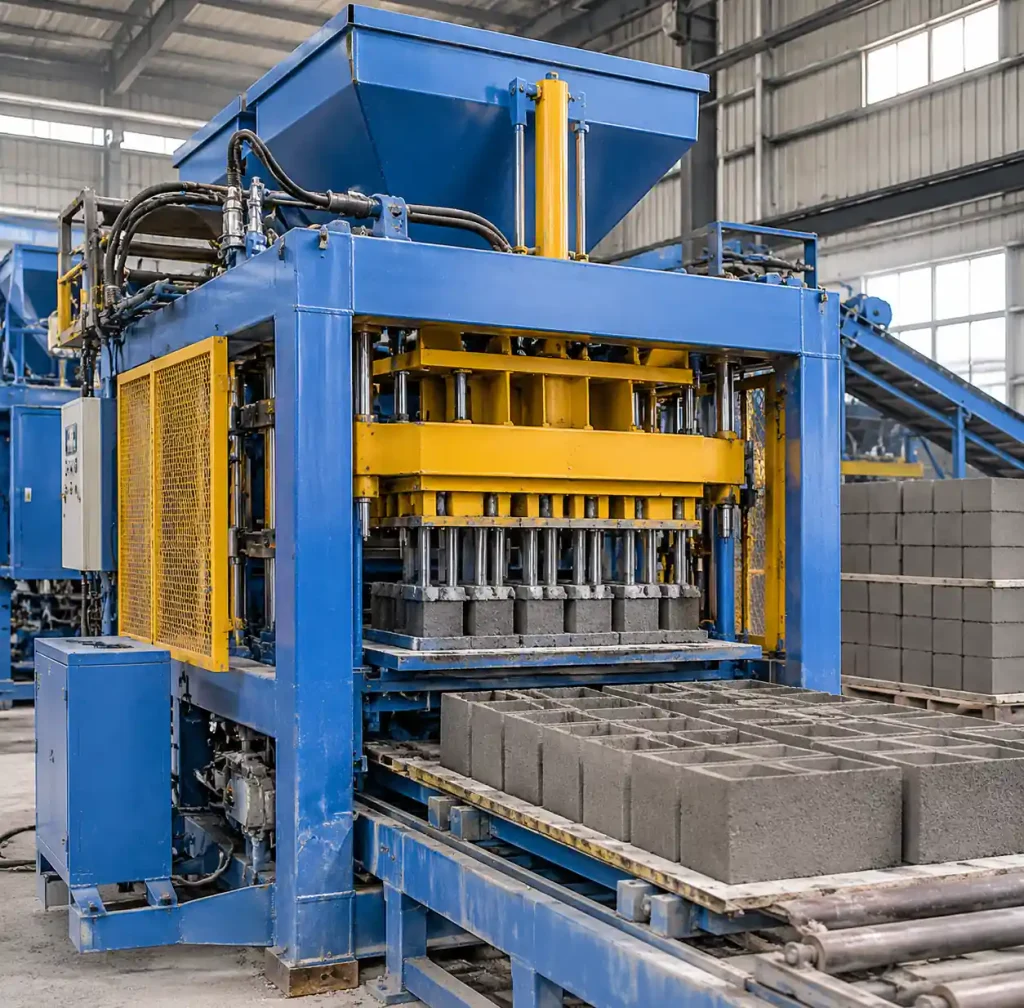
Construction Sector Trends Shaping 2026-2028
1. Infrastructure Mega-Projects Drive Materials Demand
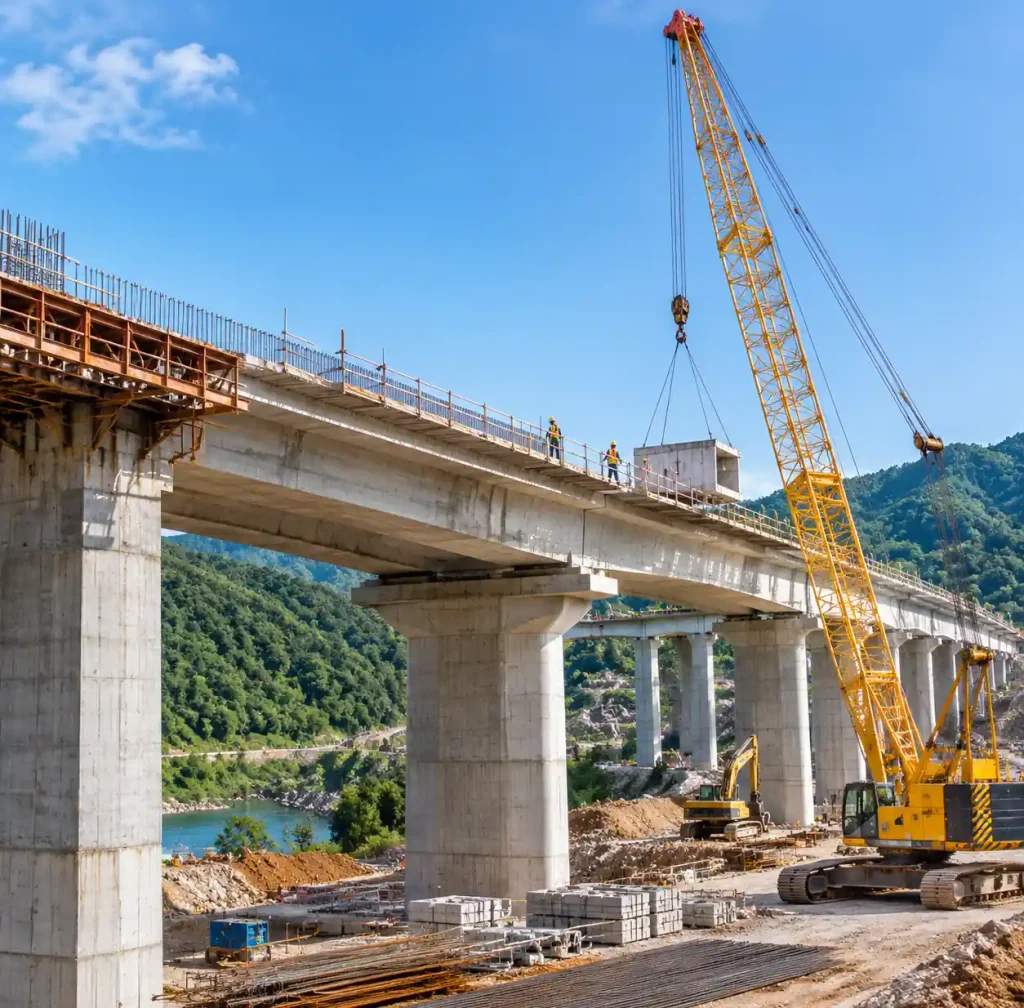
Civil engineering growth at 6.5% annually far outstrips overall construction. Governments worldwide are funding transportation networks, water systems, and renewable energy infrastructure. These projects consume concrete blocks at unprecedented scales—a single highway overpass retrofit can require 50,000-100,000 blocks.
2. Residential Construction Remains Constrained
Despite acute housing shortages, residential starts face headwinds. High interest rates, expensive land, and affordability challenges limit single-family construction in developed markets. However, multi-family developments and affordable housing initiatives partially offset this, maintaining steady block demand for apartment complexes and social housing.
3. Non-Residential Boom: Data Centers and Healthcare
Institutional facilities are projected to grow 3.8% in 2026, led by hospitals, schools, and universities. Data center construction is exploding due to AI infrastructure needs, requiring massive foundations and utility structures built with concrete blocks. These temperature-controlled facilities also use insulated concrete forms (ICFs) made from specialized blocks.
4. Sustainability Mandates Accelerate Material Innovation
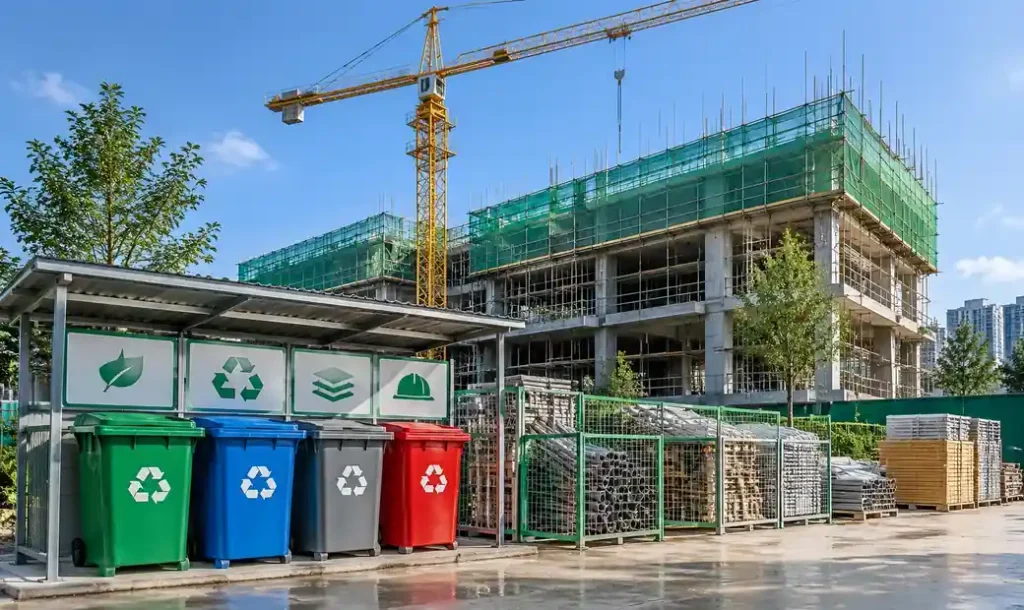
Building codes increasingly require embodied carbon disclosures. This is driving adoption of:
- Recycled Aggregate Blocks: Using crushed concrete and industrial byproducts reduces virgin material extraction
- Carbon-Cured Blocks: CO₂ injection during curing permanently sequesters greenhouse gases
- Insulated Blocks: Integrated foam inserts improve thermal performance, reducing operational energy use
5. Prefabrication and Modular Construction Expansion
Off-site fabrication is growing at 15% annually. Modular buildings require standardized, high-precision blocks produced in controlled factory environments. This trend favors manufacturers with automated equipment capable of tight tolerances.
Regional Growth Hotspots for Block Demand
Asia-Pacific: Urbanization Engine
The region remains the largest construction market. India’s Smart Cities Mission and China’s urban renewal programs require billions of blocks annually. Southeast Asian nations like Indonesia, Vietnam, and the Philippines are experiencing construction booms driven by young populations and infrastructure gaps.
Middle East: Mega-Developments
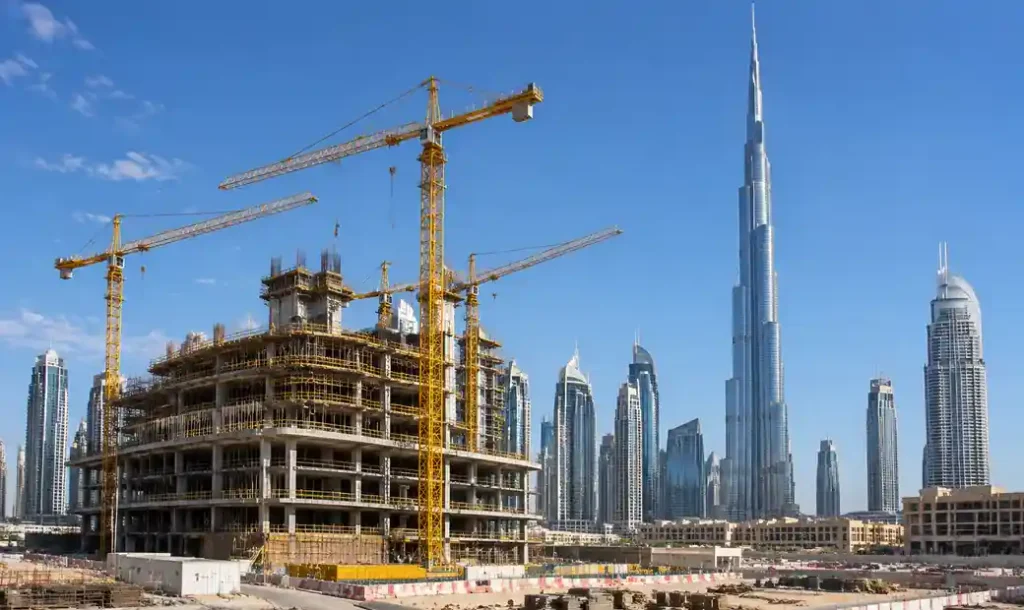
Saudi Arabia’s Vision 2030 projects, including NEOM and The Line, demand extraordinary material volumes. The GCC concrete blocks market is forecast to grow from 2.58 billion units in 2026 to 3.44 billion units by 2031—a 5.94% CAGR.
Africa: Infrastructure Deficit Opportunity
Africa’s infrastructure needs present long-term growth potential. Road networks, power grids, and housing developments will require massive block production capacity. Local manufacturing is expanding to meet this demand and reduce import dependency.
North America: Renovation and Retrofits
Aging infrastructure replacement dominates. Bridge repairs, seawall reinforcements, and building retrofits for seismic and climate resilience consume specialized blocks. The U.S. construction market’s 5.6% growth in 2026 reflects this renovation wave.
Manufacturing Efficiency: Calculating Block Production Needs
How do contractors and developers estimate block requirements? Understanding typical consumption rates helps forecast demand:
Standard Residential Home (2,000 sq ft): 10,000-15,000 blocks
Commercial Building (50,000 sq ft): 200,000-300,000 blocks
Highway Overpass Section: 50,000-100,000 blocks
Multi-Family Complex (100 units): 500,000-750,000 blocks
A fully automatic block making machine producing 10,000 blocks per day can supply materials for:
- 1 residential home every 1.5 days
- 1 commercial building every 20-30 days
- 10-15 highway sections per year
This calculation highlights why large infrastructure programs create sustained, multi-year demand for block production capacity.
Cost Dynamics: Block Pricing and Profitability
Block manufacturing economics remain favorable despite input cost pressures. Cement prices stabilized in early 2026 after 2024-2025 volatility. A standard hollow block (8x8x16 inches) costs $1.20-$2.50 to produce, depending on region and automation level, with retail prices ranging from $2.50-$4.50.
Profit margins average 25-40% for established producers with modern equipment. The investment in automatic machinery pays back in 18-36 months through labor savings, waste reduction, and increased output volume.
Raytone’s automatic systems reduce per-block production costs by 15-25% compared to semi-automatic alternatives, primarily through:
- Lower labor requirements (3-4 operators vs. 8-10)
- Reduced cement waste (2-3% vs. 5-7%)
- Higher daily output enabling fixed-cost dilution
- Consistent quality reducing rejection rates
Frequently Asked Questions
What is driving the 6.3% growth in the concrete block market in 2026?
Infrastructure mega-projects, affordable housing programs, and the shift toward automated production are the primary growth drivers. Government stimulus spending, particularly in the U.S. (IIJA), China, and the Middle East, is creating unprecedented demand for durable, cost-effective building materials.
How long will the construction materials shortage last?
Supply constraints eased significantly in 2026, though localized shortages persist in rapidly growing regions. The automatic block machine market’s 8.3% annual growth indicates manufacturers are adding capacity aggressively. Most analysts expect balanced supply-demand conditions by 2027-2028.
Are concrete blocks environmentally sustainable?
Modern blocks increasingly incorporate recycled aggregates, supplementary cementitious materials (fly ash, slag), and carbon-curing technology. While traditional cement production generates CO₂, innovations are reducing embodied carbon by 20-30%. Blocks’ durability and thermal mass also provide long-term operational energy savings.
What block making machine capacity do I need for commercial projects?
For commercial construction, fully automatic machines producing 8,000-12,000 blocks daily are recommended. This output level supports multiple concurrent projects and provides supply security. Smaller developers can partner with regional block producers or start with semi-automatic systems (4,000-6,000 blocks/day) and scale as demand grows.
Which regions offer the best opportunities for block manufacturing investment?
Southeast Asia, Sub-Saharan Africa, and the Middle East present the highest growth potential due to infrastructure deficits and rapid urbanization. North America offers stable demand from renovation and retrofit projects. Each market requires different strategies—emerging markets favor cost-competitive production, while developed markets demand specialized blocks (insulated, architectural, permeable).
How does automation impact block manufacturing profitability?
Automation typically improves gross margins by 10-15 percentage points through labor cost reduction, waste minimization, and output increases. A fully automatic system can replace 4-6 workers while boosting daily production 40-60%. Payback periods range from 18-36 months, making automation economically compelling for operations exceeding 1.5 million blocks annually.
Conclusion
The construction industry’s trajectory through 2026 and beyond is defined by infrastructure investment, technological transformation, and sustainability imperatives. The concrete block market’s expansion from $444.02 billion in 2025 to a projected $769.49 billion by 2034 reflects blocks’ essential role in addressing global housing deficits and infrastructure renewal. Automated block making technology, growing at 8.3% annually, is enabling manufacturers to meet this demand while overcoming labor constraints and improving product consistency.
For manufacturers, contractors, and developers, the strategic priority is clear: invest in modern production capacity, embrace automation, and adapt to sustainability requirements. Raytone Block Machinery provides comprehensive solutions, from fully automatic systems producing 12,000 blocks daily to specialized equipment for insulated and architectural blocks. Our technology helps you capitalize on the construction boom while meeting evolving environmental standards and profitability targets.
Ready to scale your block production for 2026’s construction surge? Contact Raytone Block Machinery today for equipment consultations, capacity planning, and customized automation solutions that position your operation for long-term success in the expanding global construction materials market.