





Manual Brick Plant Solution

Ultra-budget brick production for entrepreneurs with minimal capital. Start commercial brick manufacturing with $20K-$40K investment producing 2,000-5,000 blocks daily. Operator-intensive but requires zero electricity dependency—ideal for remote areas and first-time manufacturers testing market viability. Complete energy independence with 24-36 month ROI.

What is a Manual Brick Plant?

A mechanical block-making system requiring full operator control for each production cycle. Operator manually positions mold, loads material, applies hydraulic pressure via manual pump, and removes finished block. No electricity required—operates via manual hydraulic pump or small diesel engine. Extreme affordability ($20K-$40K) makes it accessible to ultra-budget startups and rural entrepreneurs unable to finance mechanized systems. Features 8-15 workers producing 2,000-5,000 blocks daily.

WHO NEEDS THIS:
– Ultra-budget startups with less than $50K total capital
– Remote rural areas without reliable electricity infrastructure
– Markets with abundant low-cost labor ($200-$400/month wages)
– Entrepreneurs testing brick business concept before mechanizing
– Community employment creation projects (cooperatives, social enterprises)
– Off-grid locations in developing economies
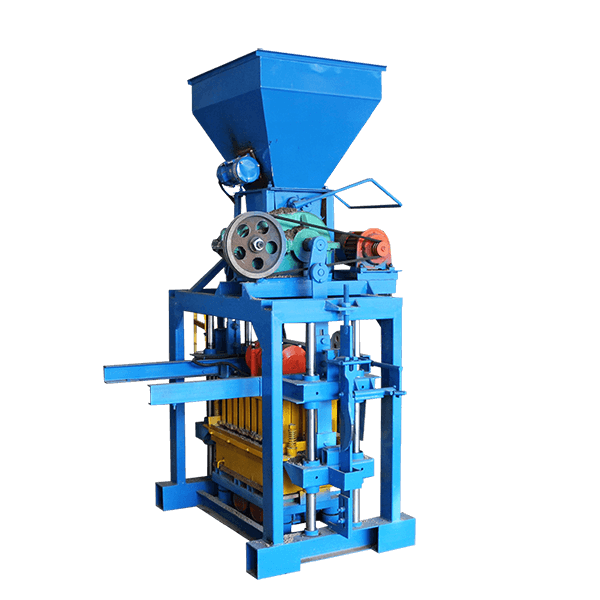
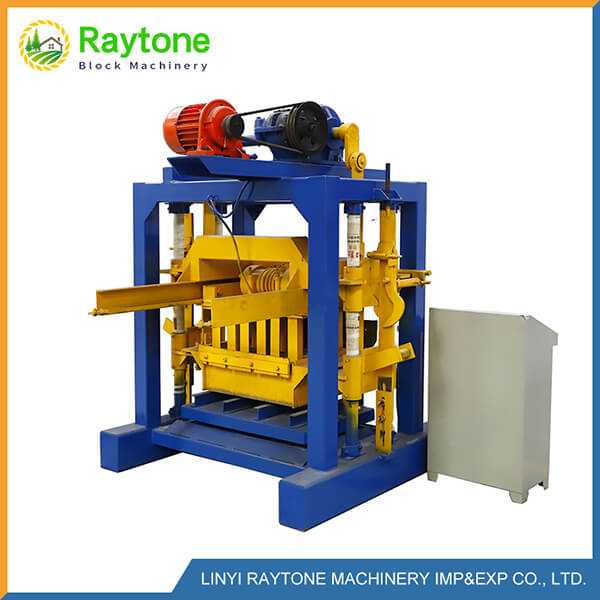
QT4-35 Manual Brick Making Machine5

WHO NEEDS THIS:

– Ultra-budget startups with less than $50K total capital
– Remote rural areas without reliable electricity infrastructure
– Markets with abundant low-cost labor ($200-$400/month wages)
– Entrepreneurs testing brick business concept before mechanizing
– Community employment creation projects (cooperatives, social enterprises)
– Off-grid locations in developing economies

Lowest Possible Entry Investment

Manual systems require $20K-$40K—accessible to entrepreneurs unable to secure $80K+ bank loans for mechanized equipment. Minimal infrastructure further reduces costs. Start producing within 3-4 weeks of site acquisition. No bank financing required for most buyers—self-fundable from personal savings or small community investments.

Complete Energy Independence

Operates 100% without electricity via manual hydraulic pump. Ideal for rural areas where grid power unavailable or unreliable. Zero generator costs, zero fuel expenses, zero electricity bills. Geographic flexibility unprecedented—produce blocks literally anywhere with level ground and water access.

Maximum Employment Creation

Manual plants employ 8-15 workers per machine—highest labor intensity of any brick production method. Creates local jobs in underserved communities. Skills transfer through apprenticeship. Wealth distribution through wages stays local. Social value beyond pure profitability. Community development impact attracts NGO/government support in some regions.

Equipment Selection for Your Manual Brick Plant

Our manual brick plant solution uses proven equipment designed for off-grid operation and minimal capital investment. Each configuration emphasizes simplicity, local serviceability, and complete energy independence.

Recommended Main Machines

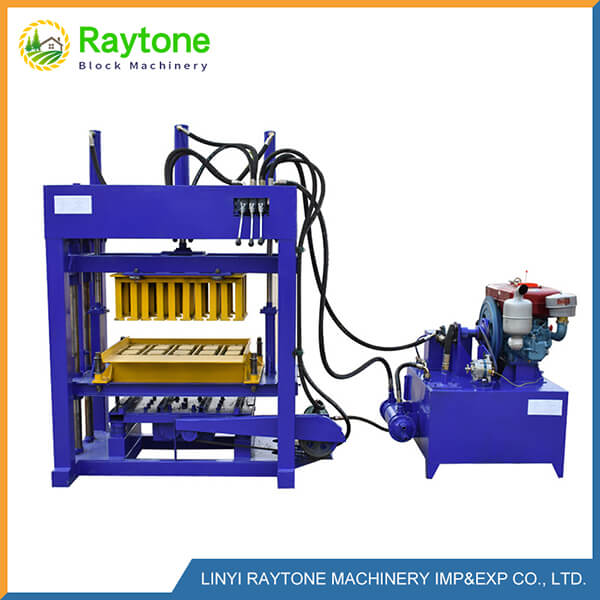
QT4-40 Manual Block Machine2

QT4-40 Vibrating Manual Press

Enhanced manual block machine with vibrating mechanism for improved block density and quality. Operates via manual hydraulic pump with optional diesel engine. Produces hollow blocks, solid bricks, and pavers with ±2-3mm precision suitable for most construction applications.
QT4-35 Manual Brick Making Machine5

QT4-35 Standard Manual Press

Ultra-budget manual block machine for market testing and minimal capital entry. Standard hydraulic pressing without vibration mechanism. Perfect for first-time manufacturers validating market demand before larger investment.

Your complete manual brick plant includes:
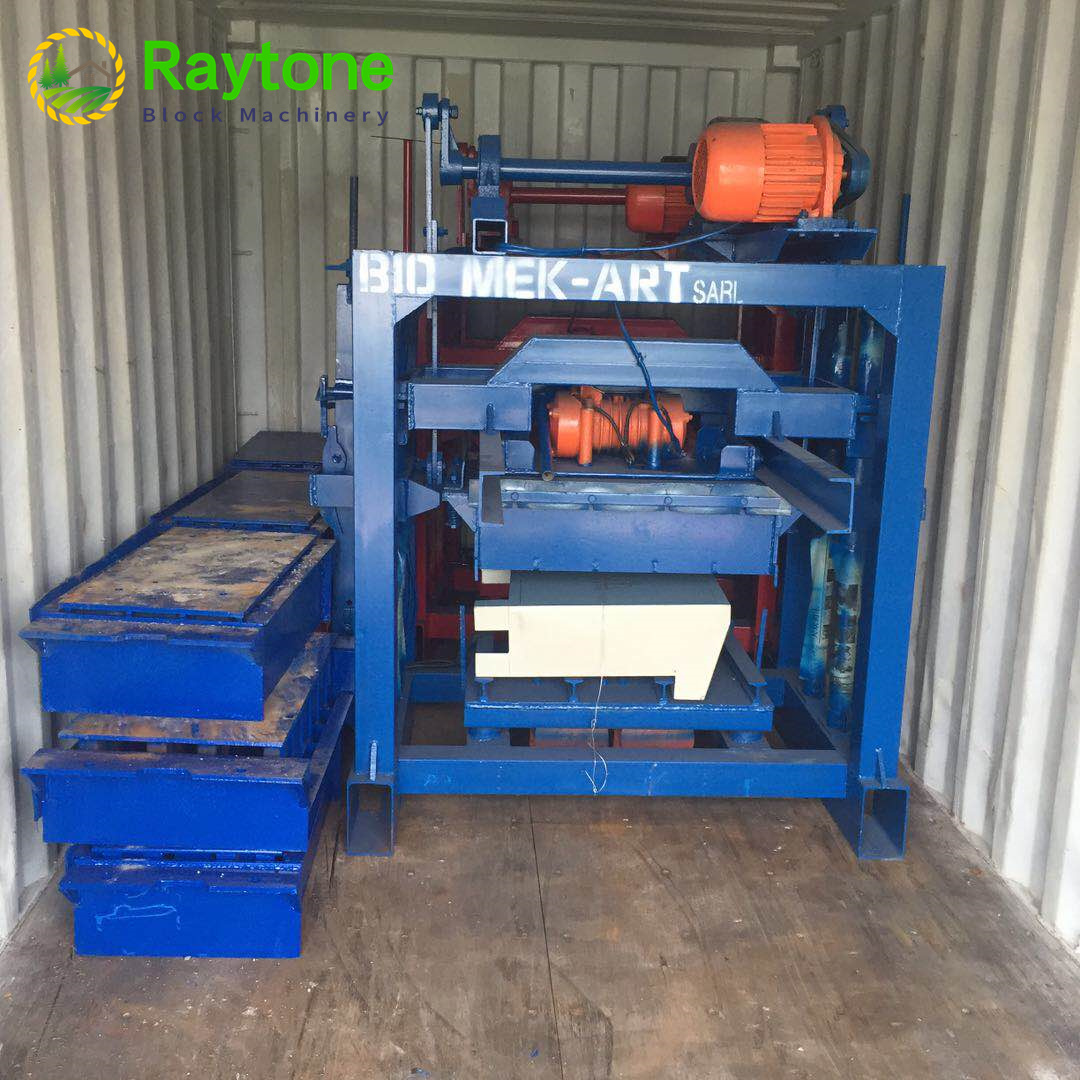
Your complete manual brick plant includes:
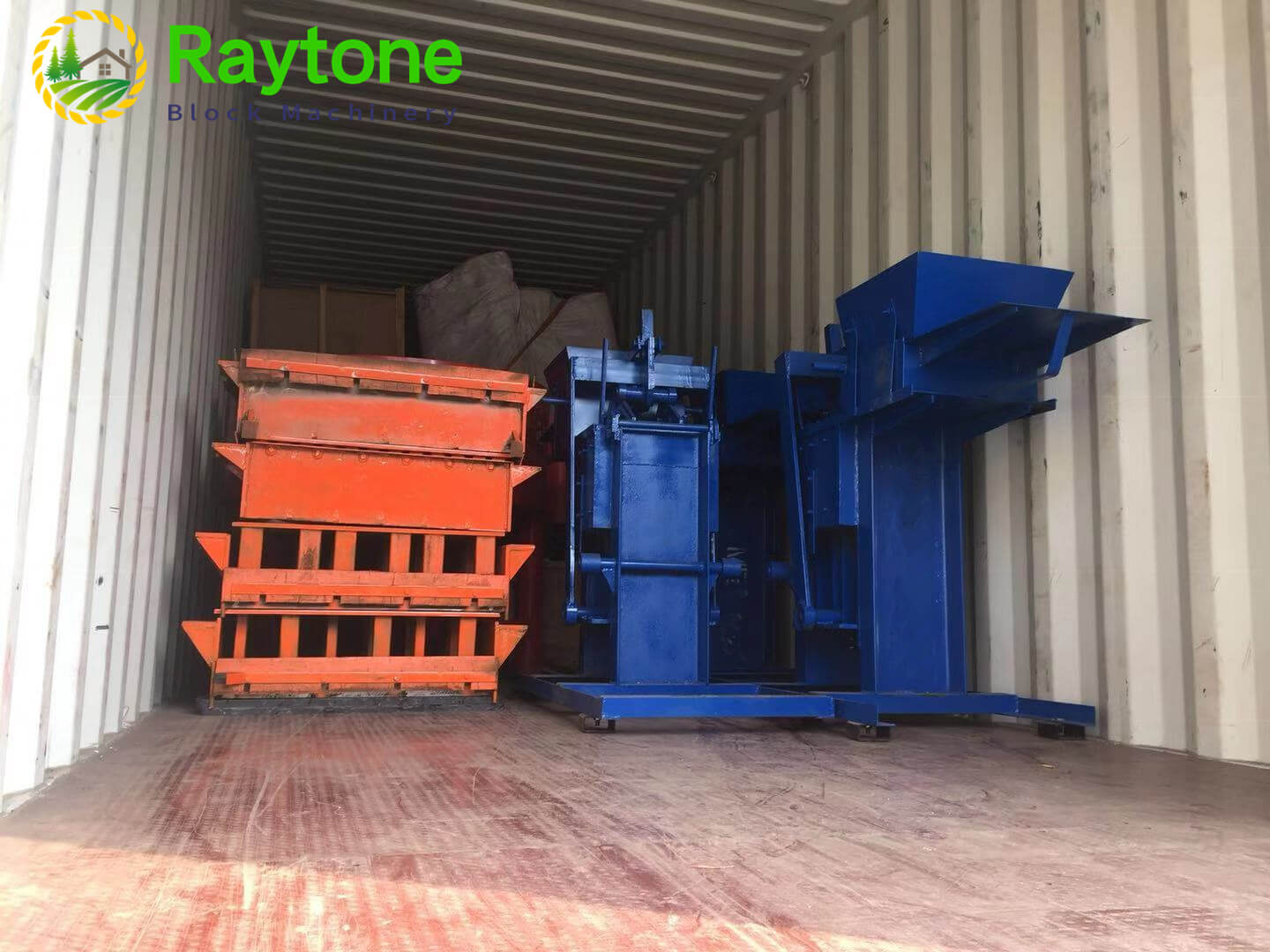
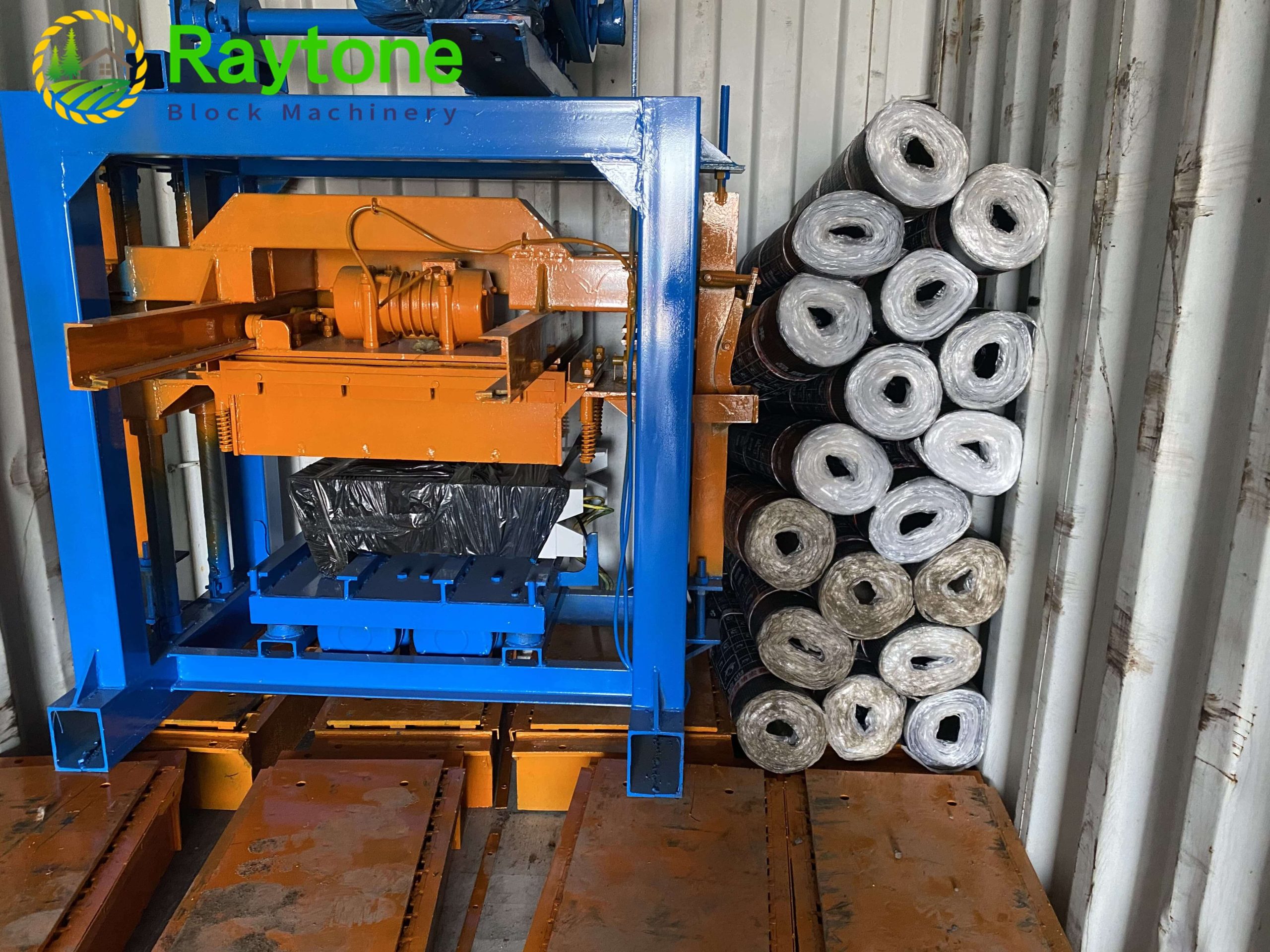
1. Manual Block Machine with hydraulic system
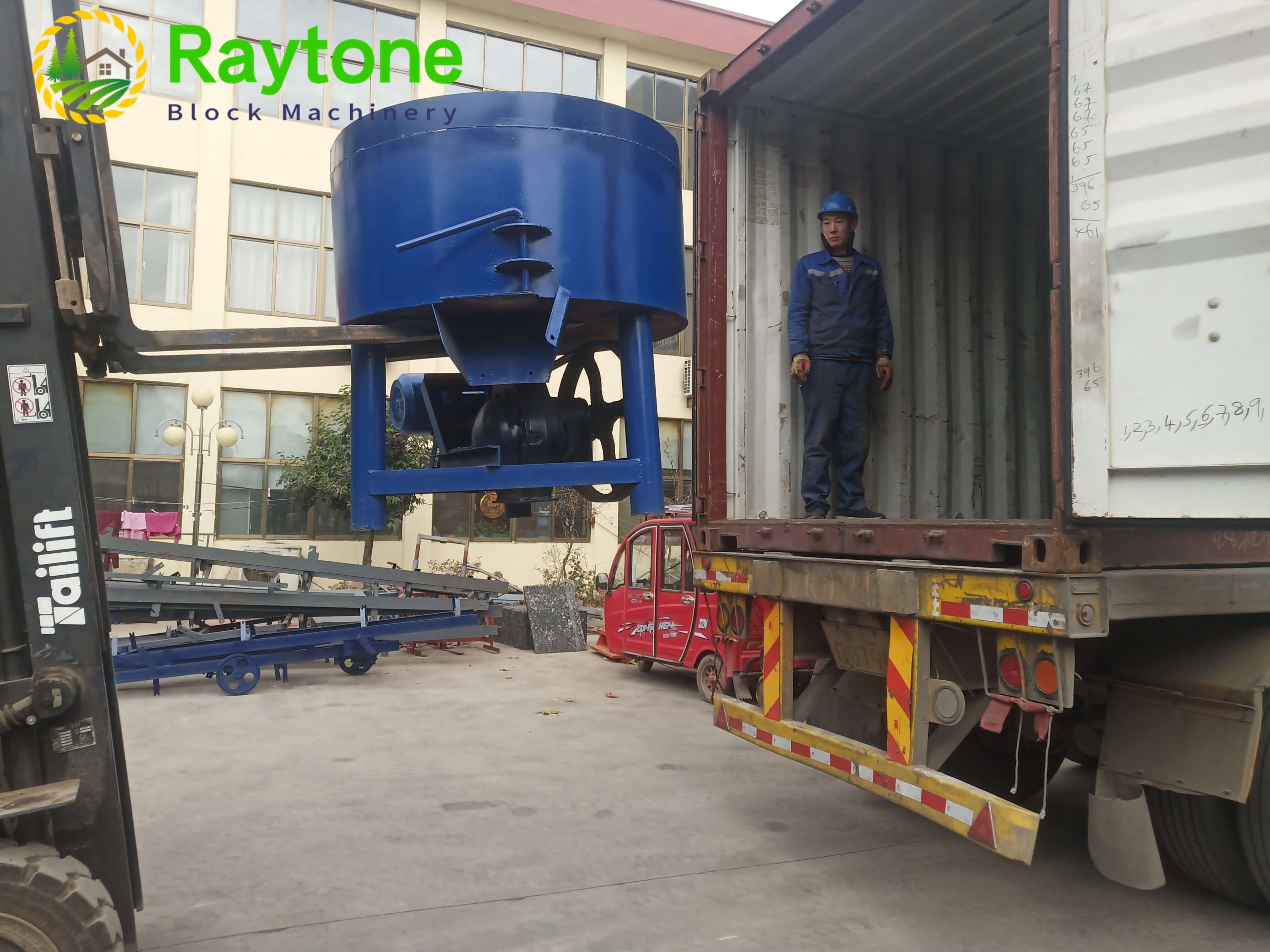
2. Small Concrete Mixer (JQ350 or manual mixing)
3. Manual material batching (scales, shovels, buckets)
4. Wheelbarrows for material transport
QT4-35 Standard Manual Press
1. Manual batching tools (scales, shovels)
2. Wheelbarrows (5-8 units)
3. Pallet trolleys or hand carts
4. Basic hand tools
Storage & Infrastructure
1. Simple aggregate pile storage
2. Cement storage shed (bagged cement)
3. Water tank (2-3 ton with manual pump)
4. Pallet inventory (200-300 pieces)
Site Equipment
1. Manual pallet jack or simple cart
2. Basic curing area (open-air acceptable)
3. Tool shed for equipment storage
4. Minimal site leveling

Factory Layout & Space Requirements

SPACE REQUIREMENTS:

– QT4-35 Standard: 300 m² min | 400 m² recommended
– QT4-40 Vibrating: 400 m² min | 500 m² recommended

FUNCTIONAL AREAS:

– Production Zone (30%): Machine 80-100m², Mixing area 60-80m², Material prep 30-40m²
– Storage Zone (20%): Aggregate piles 50-80m², Cement storage 20-30m², Water 15-20m²
– Curing Zone (40%): Fresh blocks 120-180m², Finished staging 30-50m²
– Auxiliary (10%): Tools 15-25m², Pallet storage 20-30m²

LAYOUT PRINCIPLES:

– Compact manual workflow: Material piles → Manual batching → Mixing → Wheelbarrow transport → Manual machine → Block removal → Curing
– Space advantages: Smallest footprint of any production method, no machinery spacing requirements, flexible layout adapts to irregular lots
– Cost benefits: Minimal site preparation, suitable for temporary/leased locations, lowest rent costs

How Customers Like You Succeeded

Real Results from Manual Brick Plant Solutions

What is included in a manual brick plant solution?

QT4-40 Vibrating Manual Plant

Investment: $22,000 (2022) | 380 m² rented land | 12 cooperative workers

Results (Month 28):
Daily Output: 4,100 blocks | Revenue: $12,300/month | Net Profit: $2,450/month
ROI: 27 months (community dividend structure)

“15 families pooled savings to start cooperative. Created 12 permanent jobs in village where employment scarce. Supplies blocks for local school construction and housing projects. Profit shared among members. Social impact more valuable than pure ROI calculation.” — Moses Wangolo, Cooperative Chairman

Community Development Model: Employment creation + local supply + shared ownership
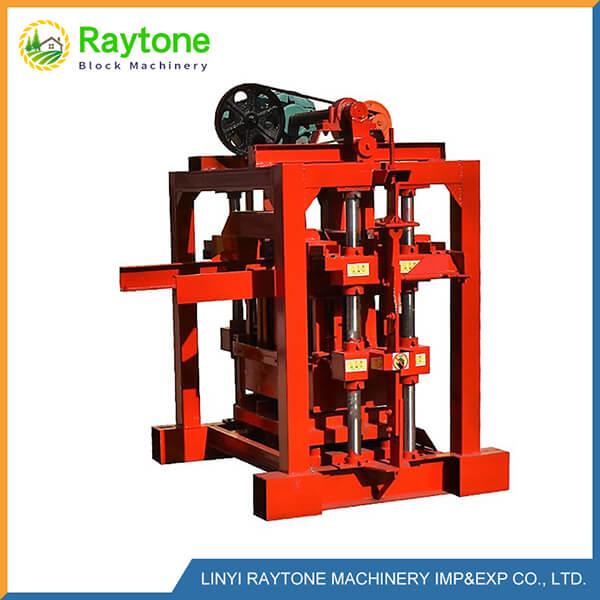
QT4-40 manual block machine
QT4-40 Manual Block Machine4

Lilongwe Rural Blocks, Malawi

QT4-40 Standard Manual (Ultra-Budget Entry)

Investment: $19,500 (2023) | 320 m² owned family land | 10 workers | off-grid rural location

Results (Month 18):
Daily Output: 3,200 blocks | Revenue: $8,000/month | Net Profit: $1,600/month
ROI: Projected 30 months

“No electricity in our area—manual machine only viable option. Started with family savings, employs relatives and neighbors. Slow but steady profit building. Considering vibrating press upgrade in Year 3 to increase capacity without needing power infrastructure.” — Francis Banda, Owner

Off-Grid Viability: Proves manual production works where mechanization impossible

Get Started with Your Manual Brick Plant
Frequently Asked Questions About Manual Brick Plant Solutions

A **manual brick plant solution** includes the manual block machine (QT4-35/QT4-40), small concrete mixer or manual mixing equipment, manual batching tools (scales, shovels, wheelbarrows), basic hand tools, pallet inventory (200-300 pieces), and operator training. This ultra-budget solution requires no electricity and minimal infrastructure.
A **manual brick plant solution** costs $20K-$40K complete setup. Minimal configuration (2K-3K blocks/day) starts at $20K-$28K, standard configuration (3.5K-5K blocks/day) costs $30K-$40K. This is the lowest-cost entry into commercial brick manufacturing, often self-funded without bank loans.
The **manual brick plant solution** delivers 24-36 month ROI depending on local market pricing and utilization. QT4-40 vibrating plants achieve 27-30 month payback typically. Slower ROI than mechanized systems BUT manageable investment level makes this acceptable for ultra-budget startups and community projects.
Yes, a **manual brick plant solution** operates 100% without electricity via manual hydraulic pump. This makes it ideal for remote rural areas where grid power is unavailable or unreliable. Zero generator costs, zero fuel expenses, zero electricity bills. Complete energy independence enables production literally anywhere with level ground and water access.
A **manual brick plant solution** requires 8-15 workers depending on capacity. QT4-40 vibrating plant needs 12 production workers + owner/supervisor. This high labor intensity creates local employment—a feature not a bug for community development projects and rural areas with abundant affordable labor.
A **manual brick plant solution** requires 300-500 m² total space—the smallest footprint of any brick production method. QT4-40 vibrating plants need 400 m² minimum (500 m² recommended). Easier site identification than mechanized systems, suitable for rented agricultural land or family-owned plots.
A **manual brick plant solution** produces ±2-5mm precision with 85-90% qualification rate compared to semi-automatic (±1mm, 95%+) and automatic (±0.5mm, 98%+). Manual quality is sufficient for rural housing, agricultural buildings, and basic construction. Target markets where mechanized competition is limited and quality requirements less stringent.
Yes, upgrading from a **manual brick plant solution** is a common progression. Typical path: Operate manual 2 years → Save $40K-$60K profits → Add semi-automatic machine (QT4-28) → Reach 15K-18K combined capacity. Alternative: Sell manual plant ($8K-$12K used value) and use proceeds + profits for semi-automatic purchase.
Can I start a manual brick plant solution without a mixer?
A **manual brick plant solution** works best in: remote rural areas, off-grid locations, developing economies with low wage rates ($200-$400/month), small local demand (3K-6K blocks/day), limited mechanized competition, and markets where transport costs favor local production. Poor fit for: urban areas with mechanized competition, high labor cost regions, large-scale demand (15K+ blocks/day), or projects requiring ±0.5mm precision.
Scroll to Top

Get A Free Quote Now !

Contact Form Demo (#3)
If you have any questions, please do not hesitate to contatct with us.