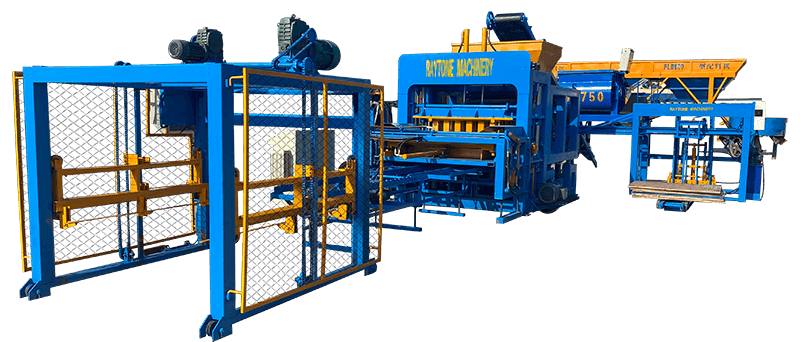






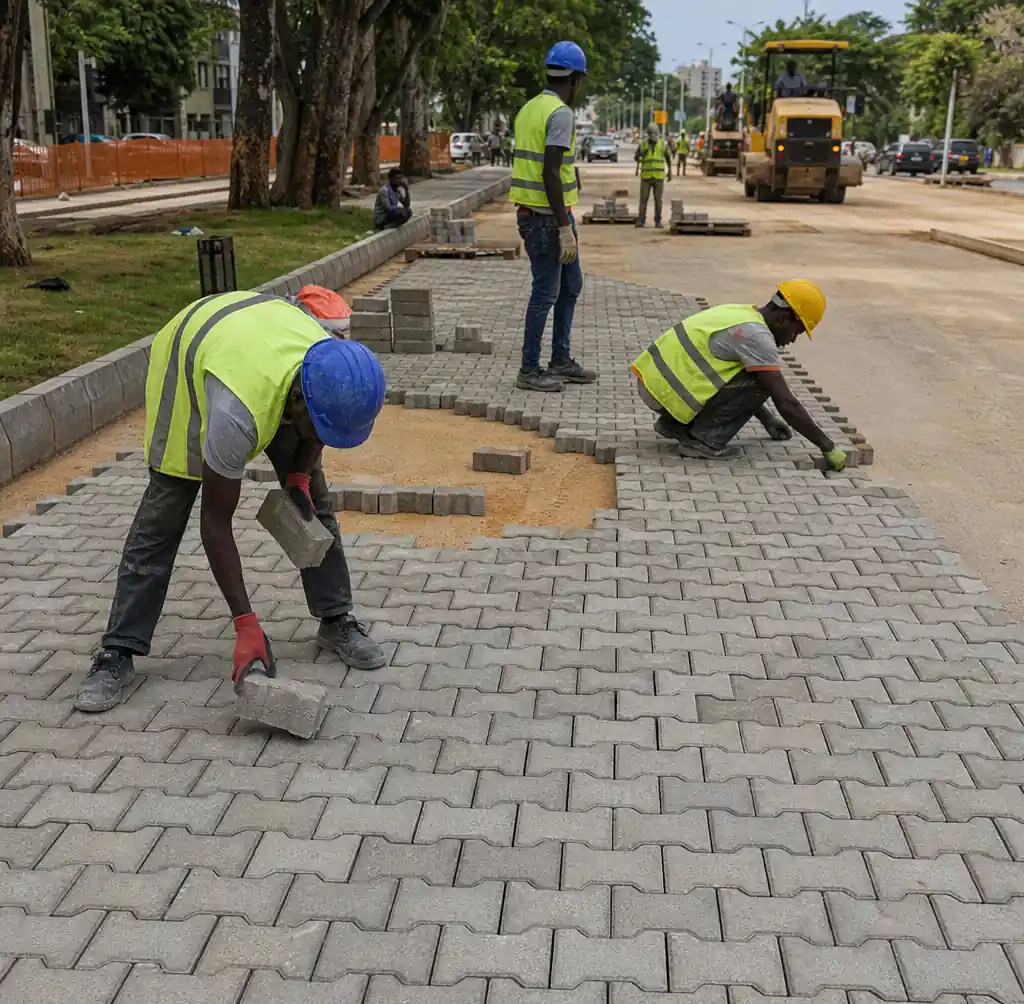
Government road projects account for 67% of paver block demand in emerging markets, yet most contractors still procure instead of produce. Data from 120+ installations shows in-house production cuts costs by 28-35% while solving supply chain bottlenecks that delay projects.
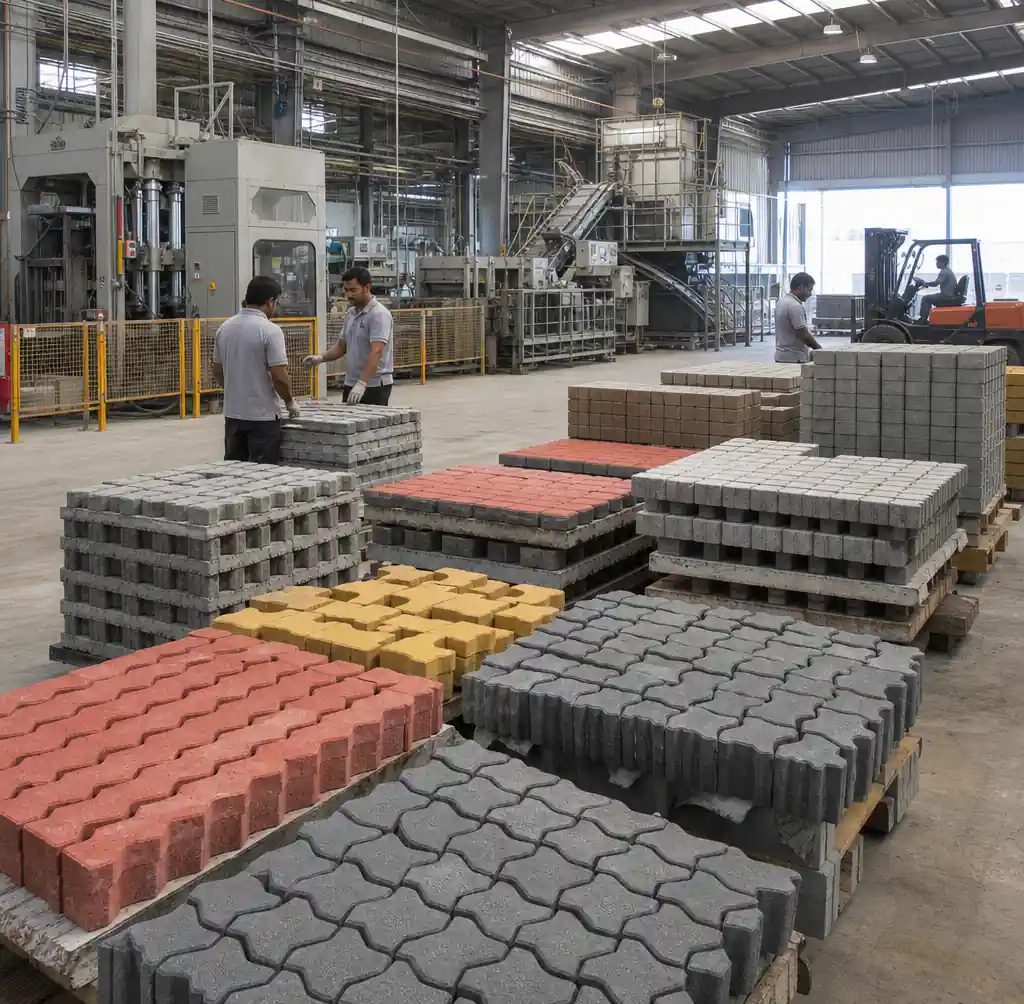
Why Road Contractors Need Paver Production Capacity
Road contractors face three critical challenges that in-house paver production solves:
Supply chain control. Government tenders require 50,000-200,000 pavers per kilometer. In-house production eliminates supplier delays and price volatility during multi-month projects.
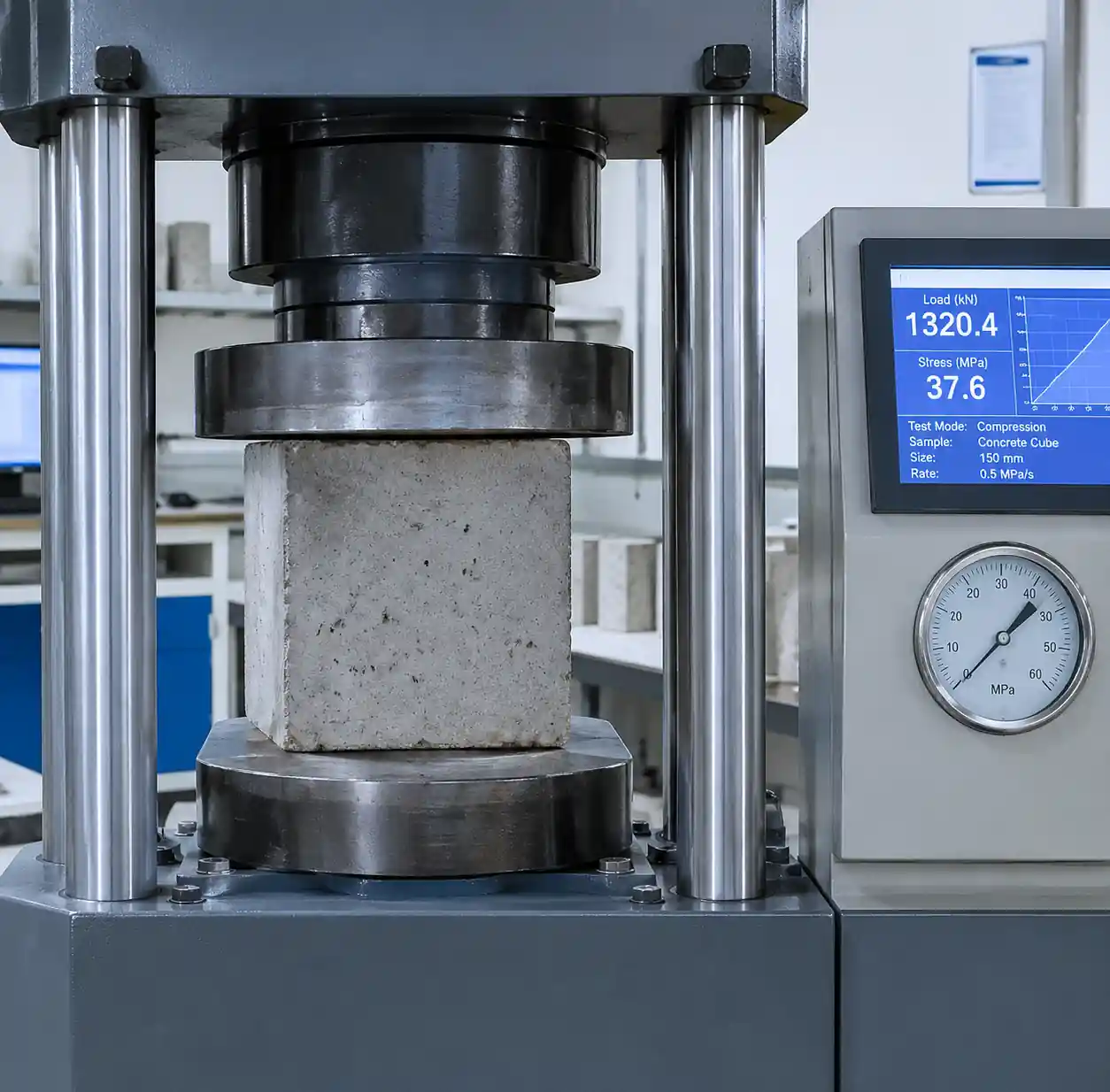
Quality assurance. Road specs mandate 40-60 MPa compressive strength and below 6% water absorption. Automated systems ensure every batch meets standards without third-party disputes.
Project economics. Production costs of $0.18-$0.24 per block versus procurement at $0.35-$0.42 create $12,000-$18,000 savings per kilometer on urban road projects.
Machine Selection by Project Scale
Production capacity must match your project pipeline:
| Тип машины | Daily Output (8hrs) | Project Scale | Investment |
|---|---|---|---|
| Manual (QT4-40) | 6,400-9,600 | Rural roads, 2-5 km | $3,500-$5,800 |
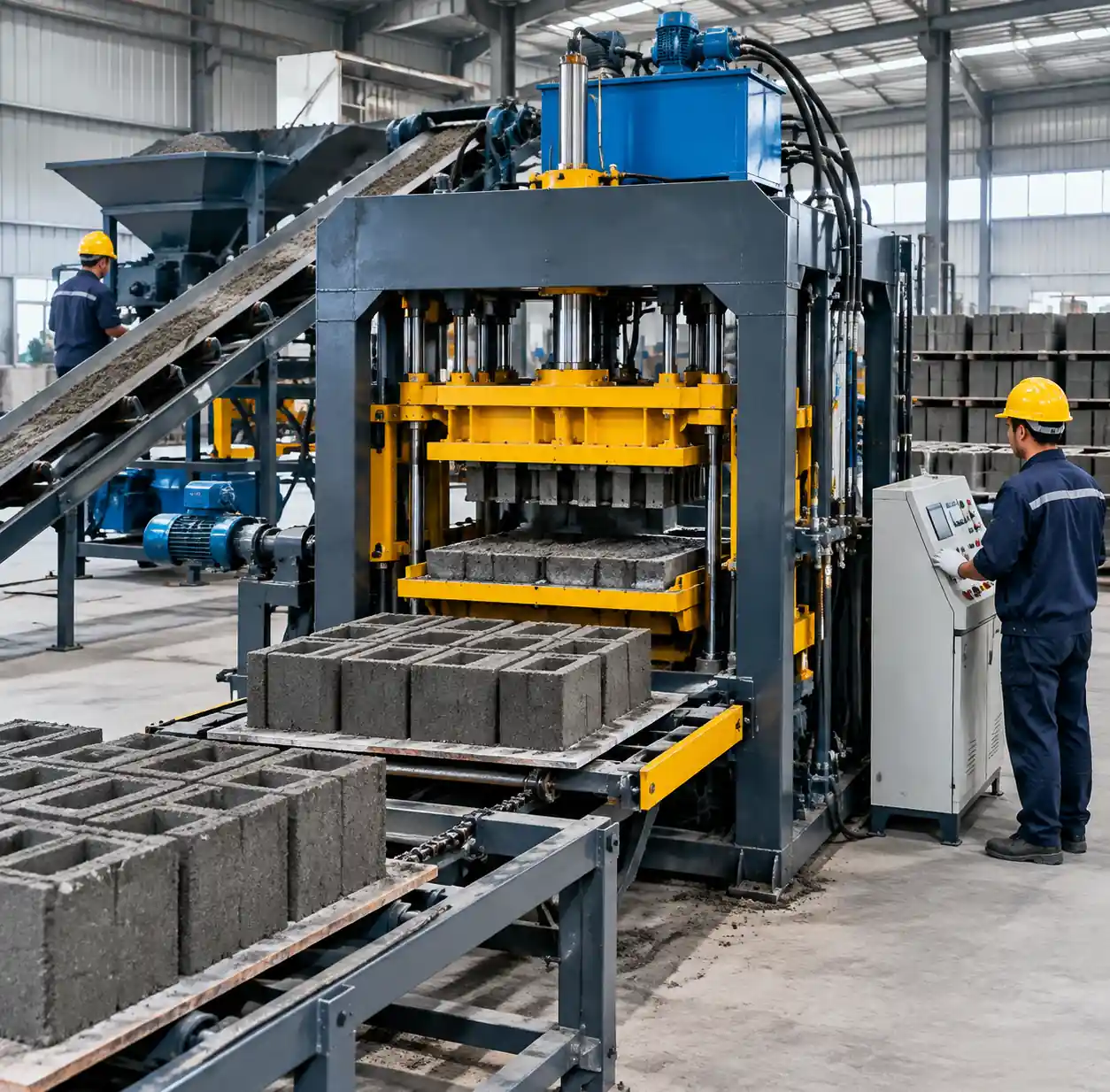
| Semi-Automatic (QT4-24) | 19,200-24,000 | Urban roads, 5-15 km | $15,000-$22,000 |
| Automatic (QT4-18) | 40,000-57,600 | Highway lanes, 15+ km | $45,000-$68,000 |
| High-Capacity (QT12-15) | 120,000-144,000 | Major infrastructure | $180,000-$250,000 |
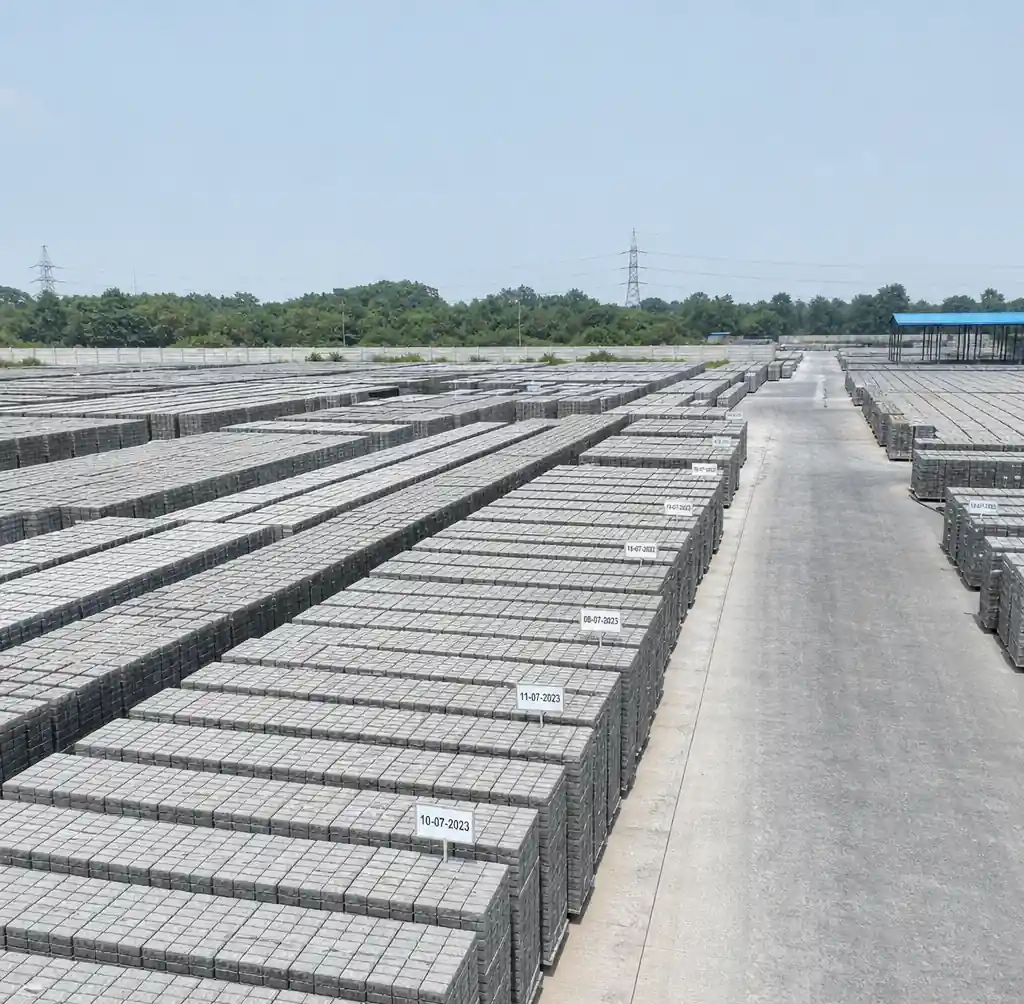
Critical planning factor: Pavers need 7-10 days curing before installation. A 3 km urban road requiring 150,000 pavers means 15-20 days production before work begins. Account for this inventory buildup when sizing equipment.
Complete Investment Breakdown
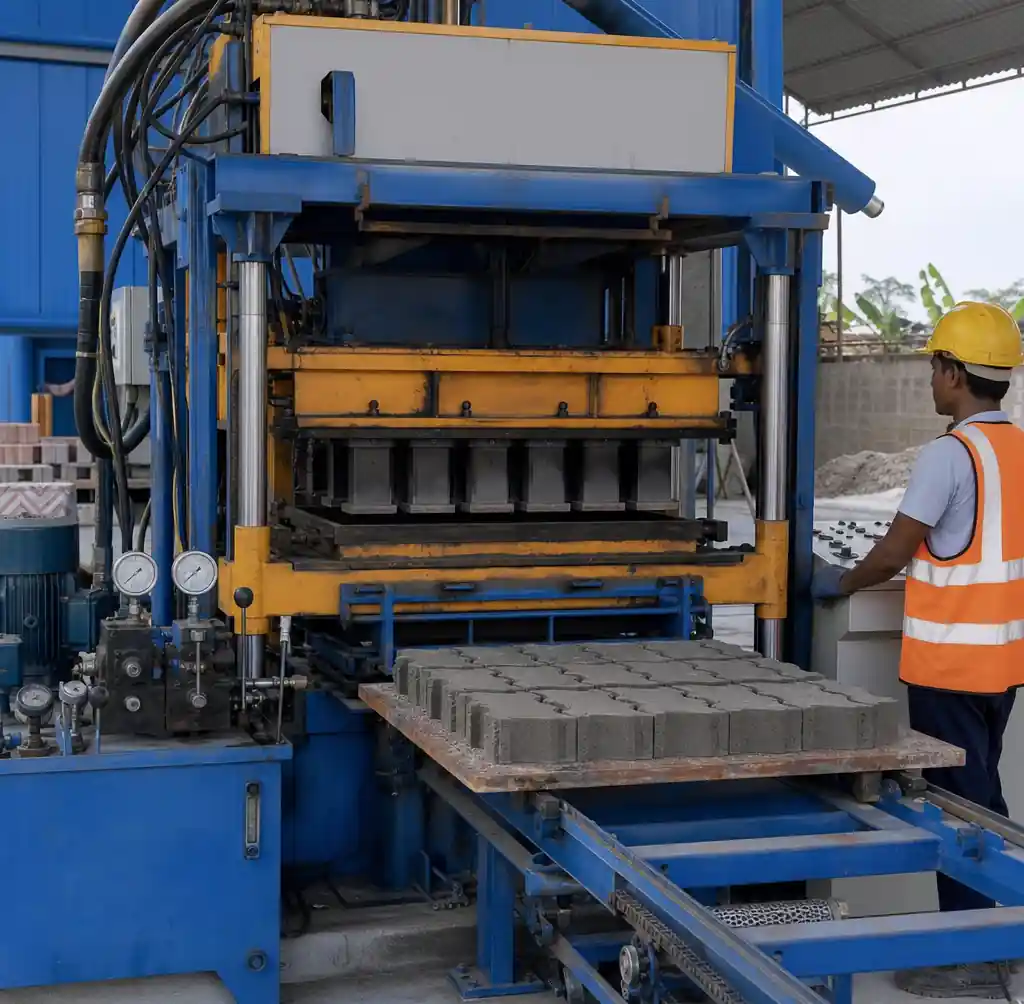
Machine cost represents only 40-45% of startup capital. Here’s the full investment for a semi-automatic setup:
Equipment: Semi-automatic machine ($18,500), concrete mixer ($2,800), hydraulic pallets ($1,600), interlocking molds ($3,200) = $26,100
Infrastructure: Production shed ($4,500), curing yard ($1,800), material storage ($1,200), electrical ($2,100) = $9,600
Working capital: Raw materials ($8,500), labor for 3 months ($3,600), utilities ($1,400) = $13,500
Total operational start: $49,200
This setup produces 22,000 pavers daily, handling 8-12 km of urban road projects annually with municipal-grade quality control.
Road-Grade Mix Design
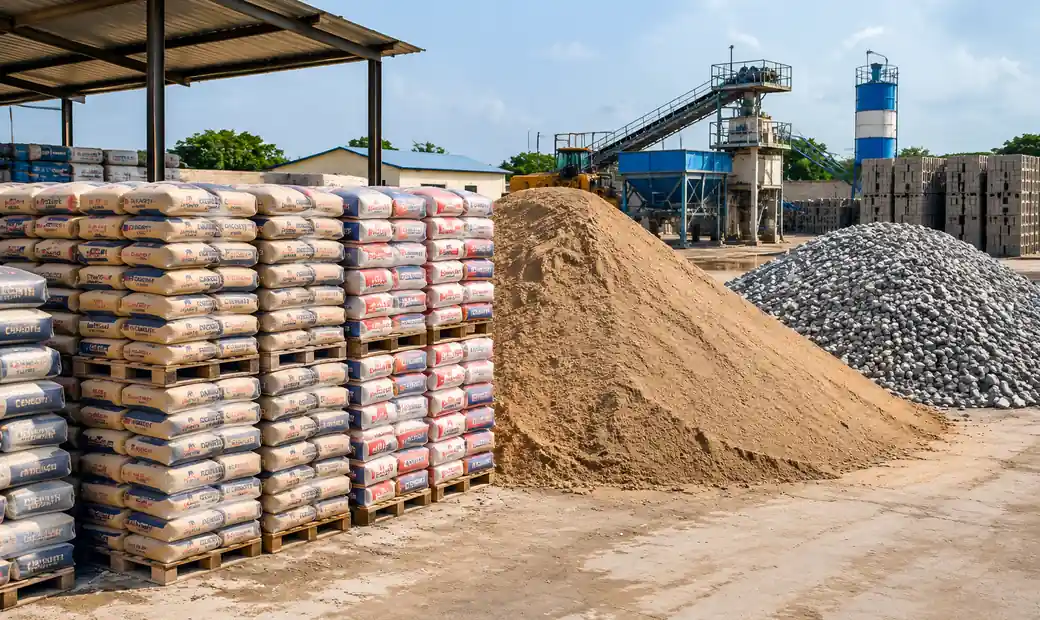
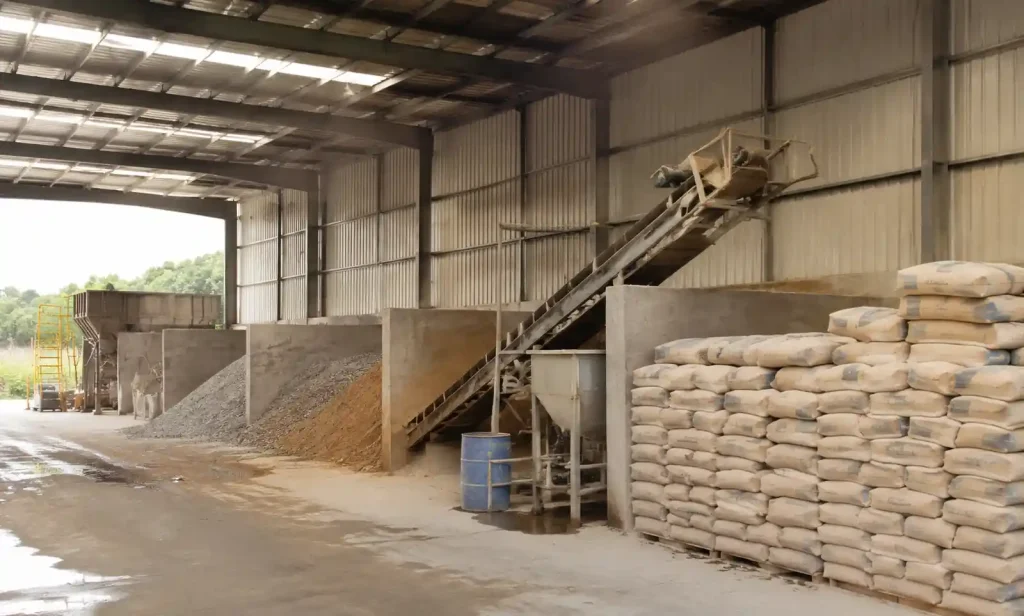
Road pavers require higher strength than standard blocks. Standard formula per 1,000 blocks:
- Cement (OPC 43): 180-220 kg
- Crushed stone (10-20mm): 850-900 kg
- Sand: 680-720 kg
- Water: 65-75 liters
- Pigments (optional): 2-4 kg
Production cost: $0.18-$0.24 per block versus market procurement at $0.35-$0.42.
Quality checkpoint: Road pavers must reach 70% strength within 7 days. This requires water-to-cement ratios of 0.35-0.40 and consistent compaction. Полуавтоматические станки with pressure monitoring reduce rejection rates from 8-12% to 2-3%.
High-Margin Customer Segments
Three segments beyond general contractors offer superior returns:
Municipal road departments. Direct supply contracts eliminate distributor margins. A Uganda client secured a 3-year agreement supplying 2.4 million pavers annually to Kampala Capital City Authority through consistent quality certification.
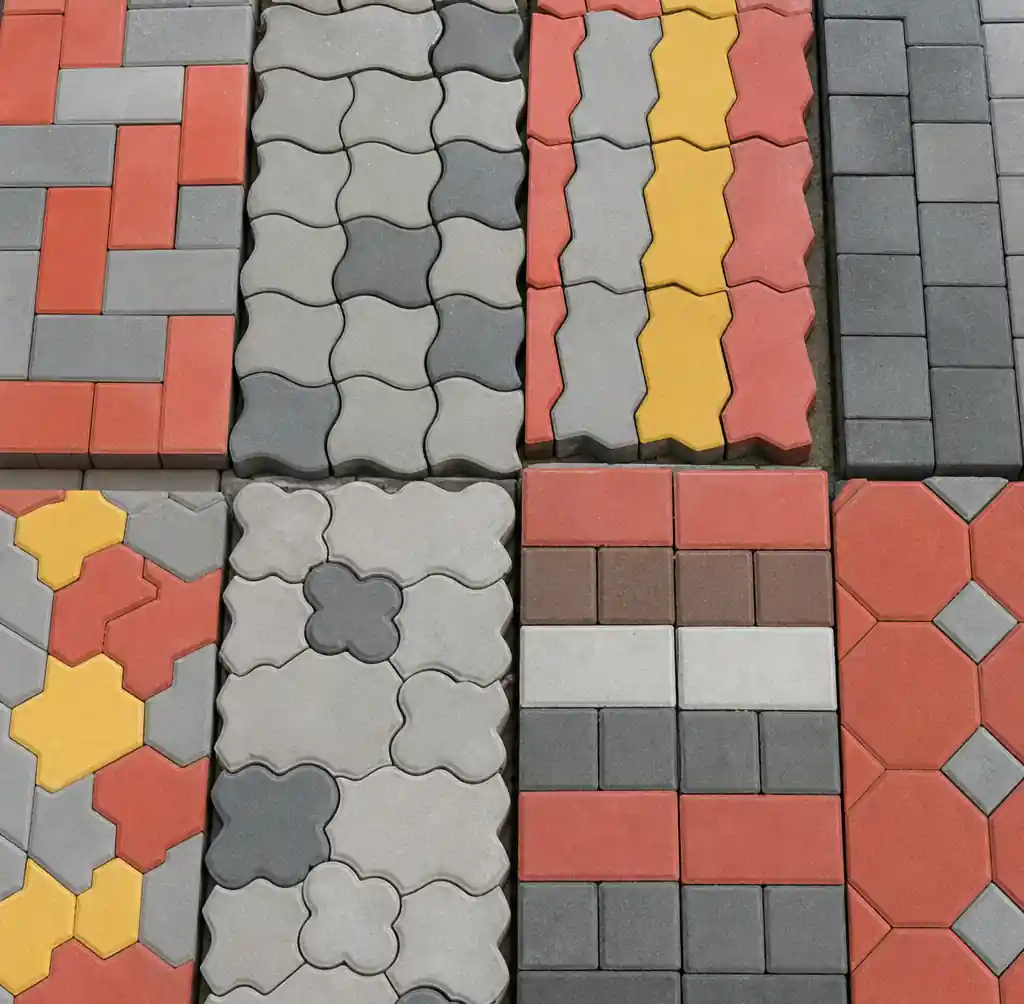
Private developers. Gated communities and industrial parks pay 40-60% premiums for aesthetic interlocking pavers in multiple colors—using identical equipment with only mold and pigment changes.
Landscaping contractors. Commercial projects (parking areas, pedestrian zones) specify decorative pavers at 35-50% higher prices. A 5,000 m² corporate campus consumes 80,000 specialty pavers at premium rates.
Actual Output vs Rated Capacity
Machine specs show theoretical maximums, but operational factors determine real production:
| Performance Factor | Capacity Impact | Optimization |
|---|---|---|
| Mold changes | 15-25% loss | Quick-change systems ($1,800-$2,500) |
| Material feeding | 10-18% loss | Dedicated mixer operator |
| Pallet circulation | 8-15% loss | Maintain 300+ pallets |
| Operator skill | 12-20% loss | 2-week training program |
| Maintenance | 5-8% loss (30%+ if skipped) | Weekly hydraulic checks |
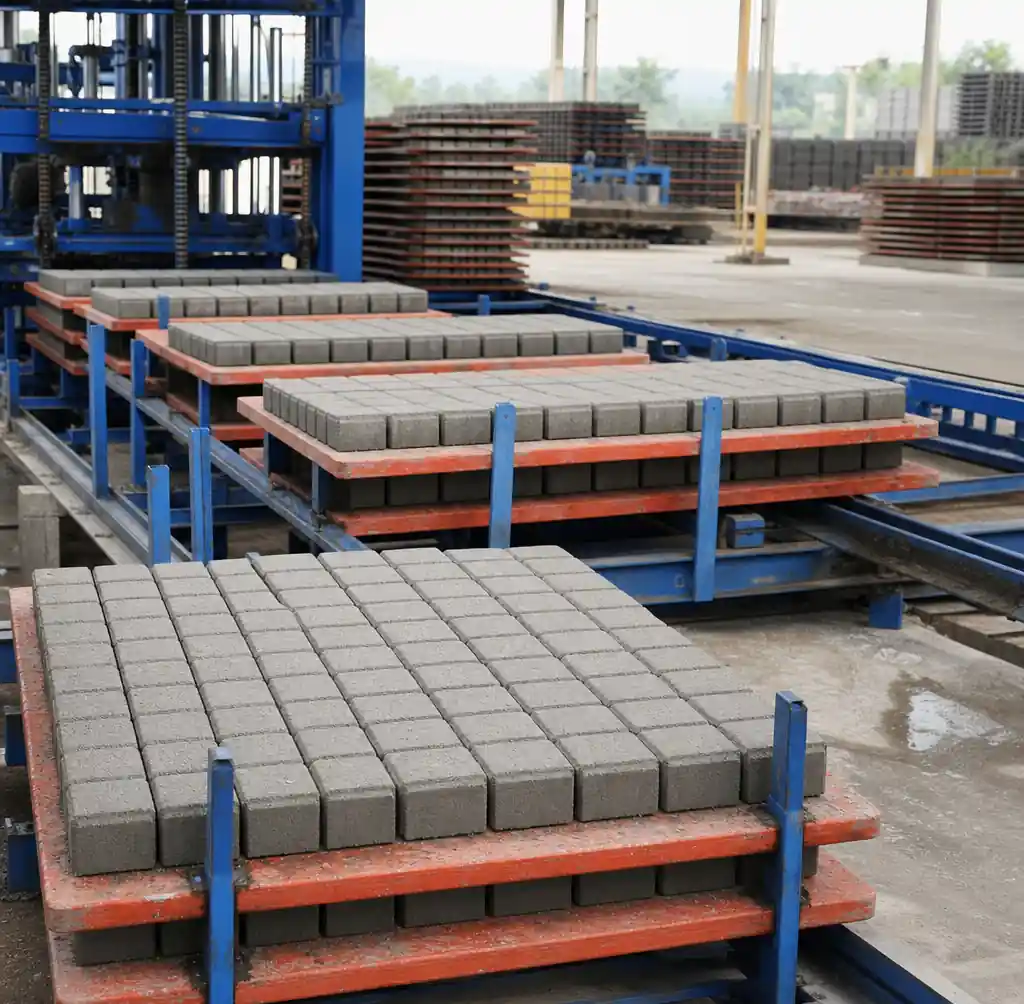
A semi-automatic machine rated at 3,000 blocks/hour produces 18,000-21,000 blocks daily under optimal management—75-85% of theoretical capacity. Build timelines around this realistic output.
Mold Design for Road Applications
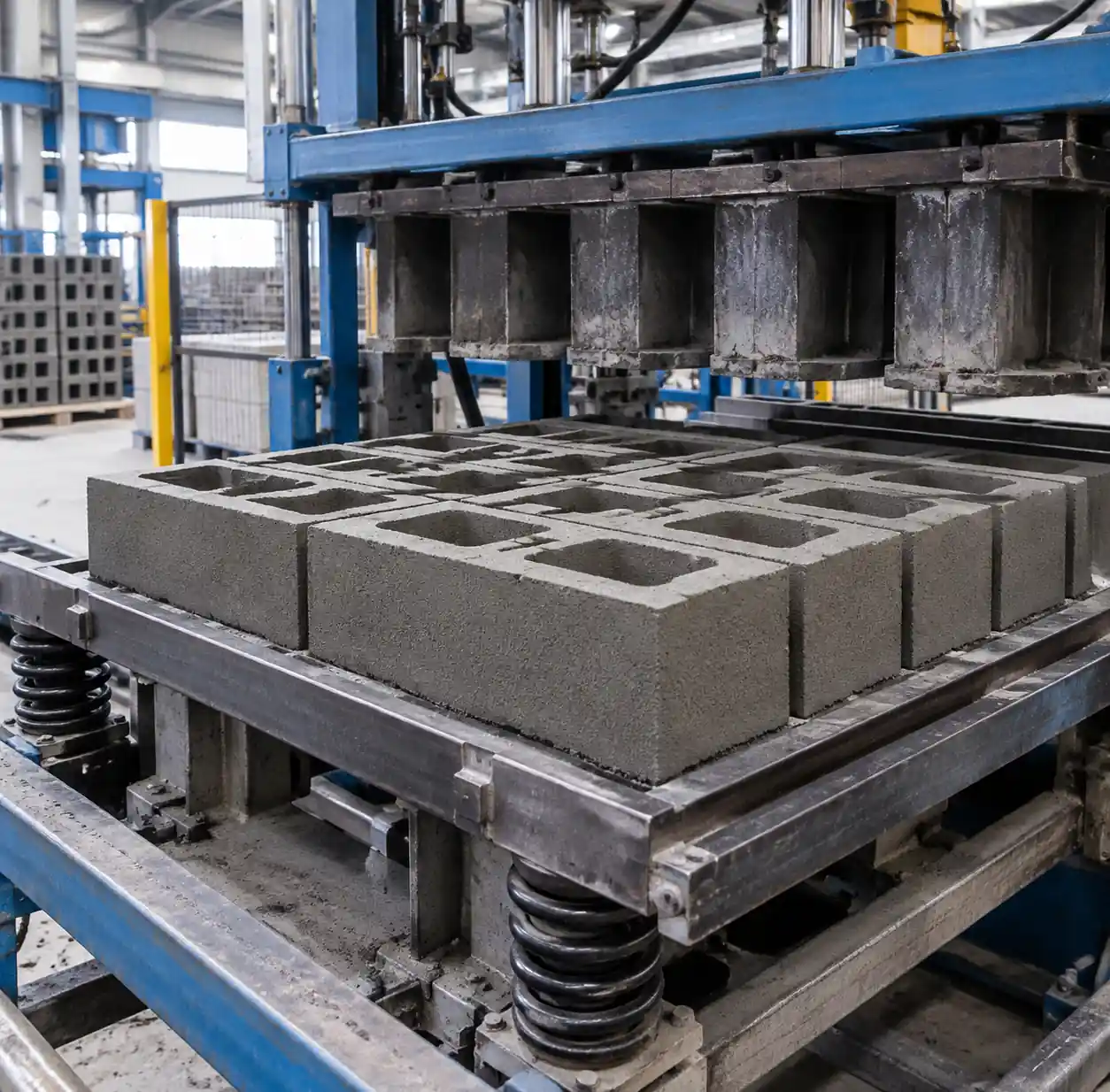
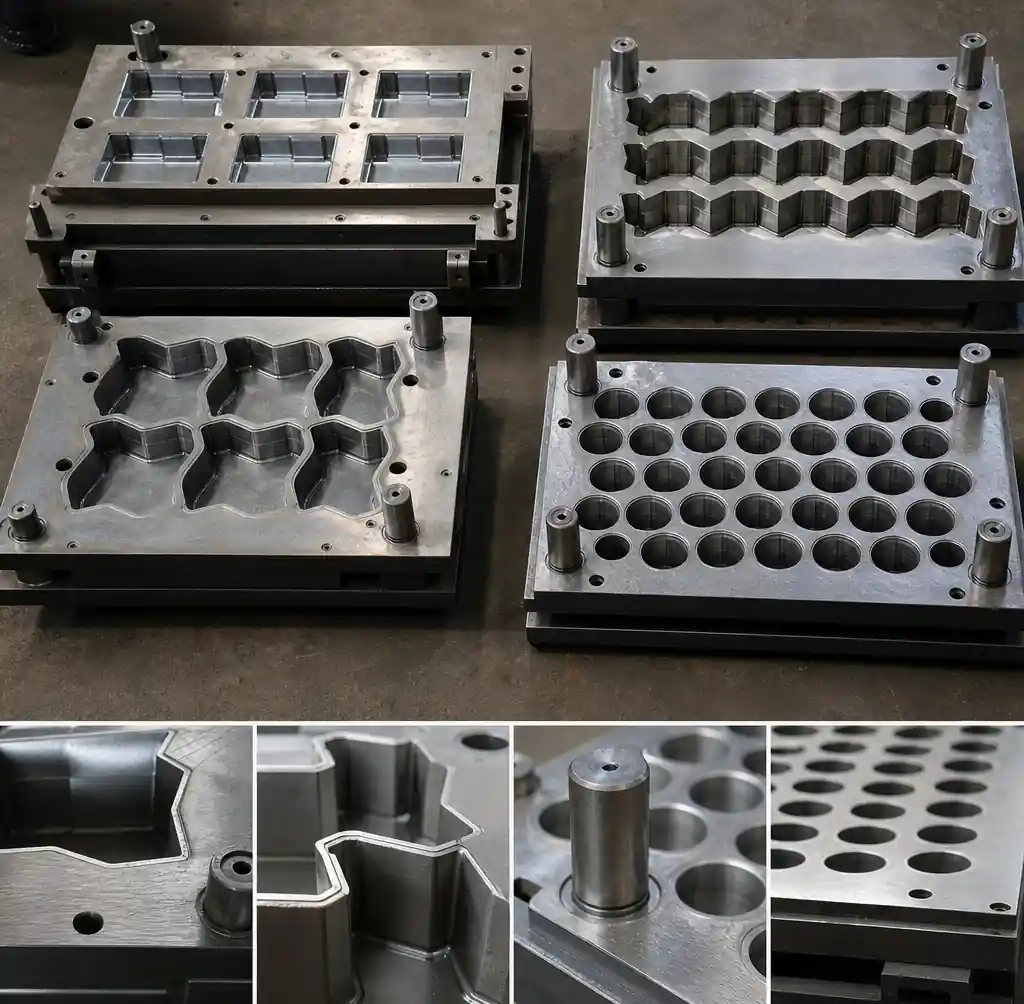
Interlocking geometry. S-shaped and Z-shaped designs provide 40% better load distribution under heavy vehicle traffic. Precision molds ($2,800-$4,200 per set) reduce breakage claims.
Thickness standards. Pedestrian zones need 60mm, parking areas require 80mm, commercial roads demand 100mm. Verify your machine accommodates multiple heights without modifications.
Drainage features. Permeable pavers with drainage channels command 25-35% premiums in flood-prone areas. The same machine produces these with specialized molds.
A Kenya client increased revenue 31% by adding three mold variants (standard, interlocking, permeable), serving roads, parking, and stormwater projects from one supporting equipment setup.
Government Procurement Requirements
Quality certification. Municipal tenders mandate ISO-compliant testing. Establish lab relationships for 24-hour compressive strength reports. Budget $800-$1,200 monthly for batch testing.
Capacity verification. Tender documents require proof of minimum daily output. Maintain production logs with third-party verification—contractors without documentation lose contracts despite competitive pricing.
Sample timelines. Government projects need 4-6 weeks for sample testing and approval before production starts. Submit samples when projects are announced, not after contract award.
Payment terms. Government contracts pay 30-60 days after delivery. Your cash flow must sustain 2-3 months of production without payment.
ROI Analysis by Volume
| Annual Volume | Best Option | Breakeven | Economics |
|---|---|---|---|
| Under 5 km (180,000 pavers) | Procurement | N/A | $50K machine investment not justified |
| 5-15 km (300,000-500,000) | Semi-automatic | 14-18 months | $0.21 production vs $0.40 procurement = $0.19 margin |
| 15+ km (500,000+) | Automatic | 8-11 months | Malaysian contractor: $87K first-year savings on $68K investment |
Decision threshold: If annual paver requirement exceeds 250,000 units, in-house production with a semi-automatic block machine outperforms procurement by 25-35% total project cost.
Maintenance Protocol
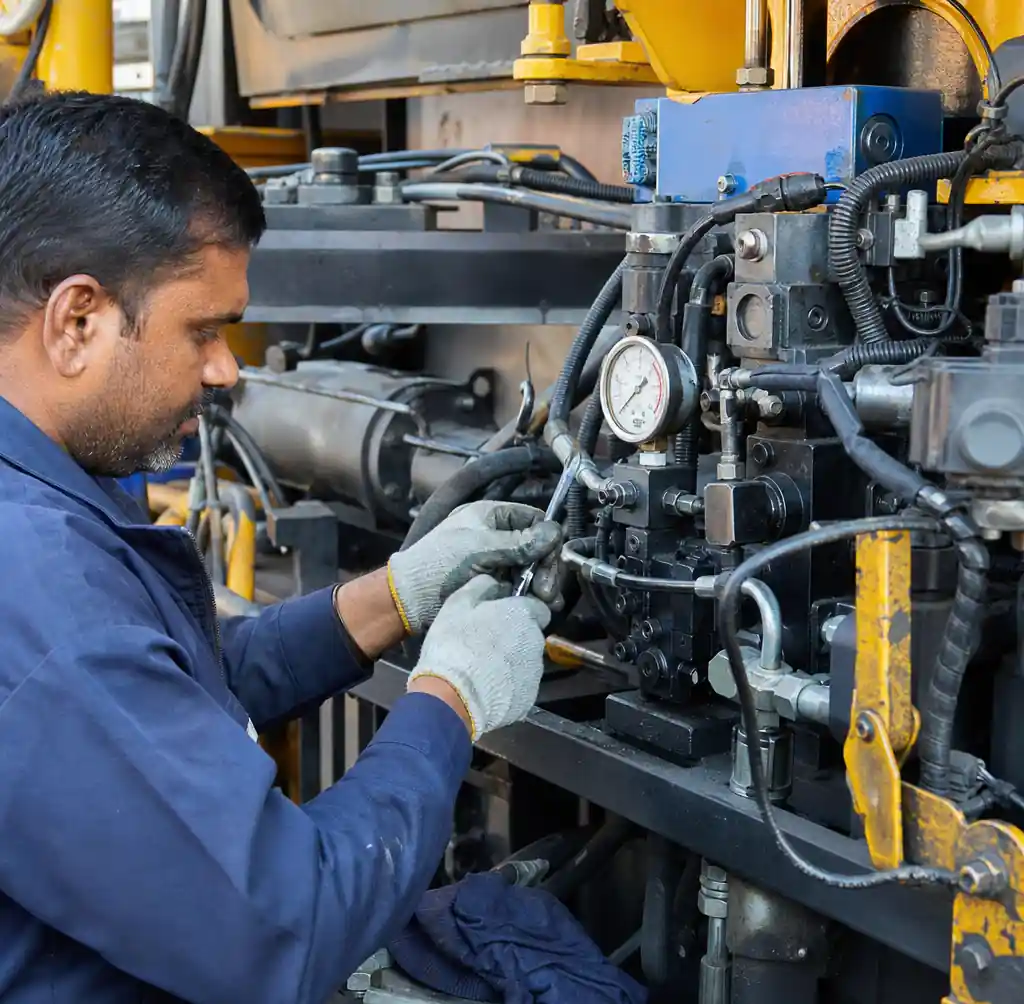
Machine reliability affects project deadlines. Missing schedules due to equipment failure triggers penalty clauses worth $500-$1,200 daily.
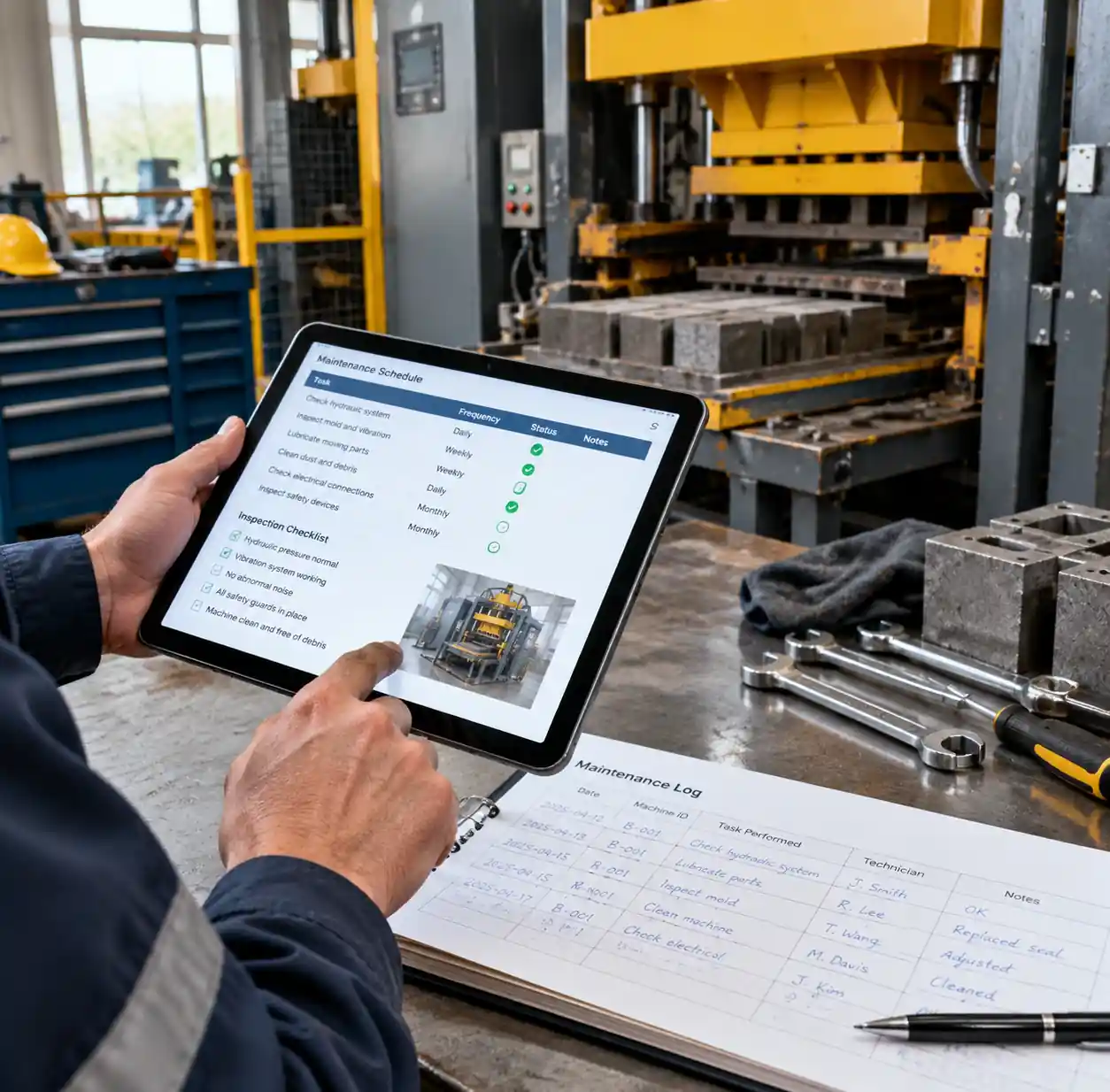
Daily (15 min): Hydraulic oil checks, mold cleaning, vibration inspection. Prevents 70% of failures.
Weekly (2 hours): Pressure calibration, electrical connections, bearing lubrication. Reduces downtime 60%.
Monthly (half day): Complete hydraulic check, mold wear assessment, control diagnostics. Schedule during low-production periods.
Annual ($2,500-$4,000): Seal replacement, motor service, electrical review. Essential for 6+ hour daily operation.
Contractors following protocols report 96-98% uptime versus 78-85% for those skipping preventive service.
Scaling Strategy
Stage 1 (Year 1): Single semi-automatic machine with manual material handling. Establish quality reputation and secure initial contracts. Investment: $50,000-$60,000.
Stage 2 (Year 2-3): Add automated mixer and conveyors. Increases output 35-40% with same labor cost. Additional investment: $15,000-$22,000.
Stage 3 (Year 3-5): Second production line or upgrade to fully automatic system. Target regional contracts and simultaneous projects. Investment: $45,000-$85,000.
A Tanzania client followed this path: QT4-24 semi-automatic (2021), mixing automation (2023), second line (2024). Current output: 3.2 million pavers across 18 government projects with 34% net margin.
Часто задаваемые вопросы
What’s the minimum daily production for a 5 km urban road project?
A 5 km road requires approximately 250,000 pavers (50 per linear meter). With 90-day timeline and 10-day curing, you need 3,500-4,000 blocks daily minimum. A semi-automatic producing 20,000+ blocks daily provides buffer for weather delays and rejects.
Can one machine produce different paver designs?
Yes, through mold changes. Quality machines accommodate multiple mold sets (rectangular, interlocking, permeable). Changes take 30-45 minutes on semi-automatic systems. Most contractors maintain 3-4 mold variants without additional equipment.
How does climate affect production schedules?
Temperature impacts curing significantly. Above 30°C: 18-24 hours to handling strength, 7 days to installation strength. Below 15°C: 28-36 hours and 10-12 days. Cold climate contractors need 40-50% more pallet inventory for extended curing.
What certifications do government projects require?
Typical requirements: compressive strength testing per ASTM C140 (minimum 40 MPa), water absorption testing (maximum 6%), dimensional tolerance (±2mm). Budget for batch testing every 5,000-10,000 units during execution.
Is open market sales profitable versus captive use?
Contractors using pavers in own projects achieve better economics through transfer pricing. However, selling surplus adds 15-25% additional revenue. Optimal strategy: 70-80% captive use, 20-30% market sales for consistent cash flow.
Заключение
Paver block production offers road contractors control over supply timing, quality assurance, and project economics that procurement cannot match. Contractors processing 250,000+ pavers annually achieve payback in 14-18 months with semi-automatic equipment.
Success depends on operational mastery: mix design consistency, maintenance discipline, and understanding government procurement requirements matter more than machine specifications. Contractors achieving 30%+ margins master these details, not just equipment operation.
Infrastructure spending in emerging markets continues expanding while paver supply chains remain fragmented. Contractors establishing production capacity now position themselves for multi-year framework agreements as governments standardize supplier requirements. Based on field data across 120+ installations, that volume threshold arrives after securing just two 5+ km government road contracts.