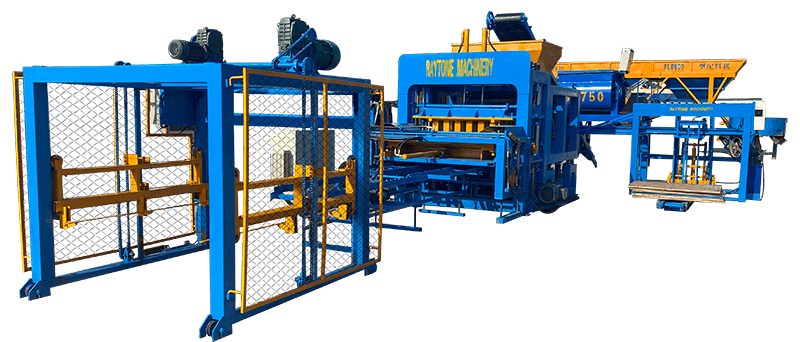
If you’re considering entering the block manufacturing business or expanding your existing production line, the question isn’t whether blocks are in demand—with the global hollow concrete block market valued at $278.65 billion in 2025 and projected to reach $374.36 billion by 2031—it’s which type delivers better returns for your specific market.
After working with hundreds of block producers across Africa, Asia, and Latin America, I can tell you that this decision shapes everything from your raw material costs to your profit per pallet. The right choice depends on three factors: your target market’s construction methods, your available capital, and the local pricing structure for different block types.
Understanding the Fundamental Difference
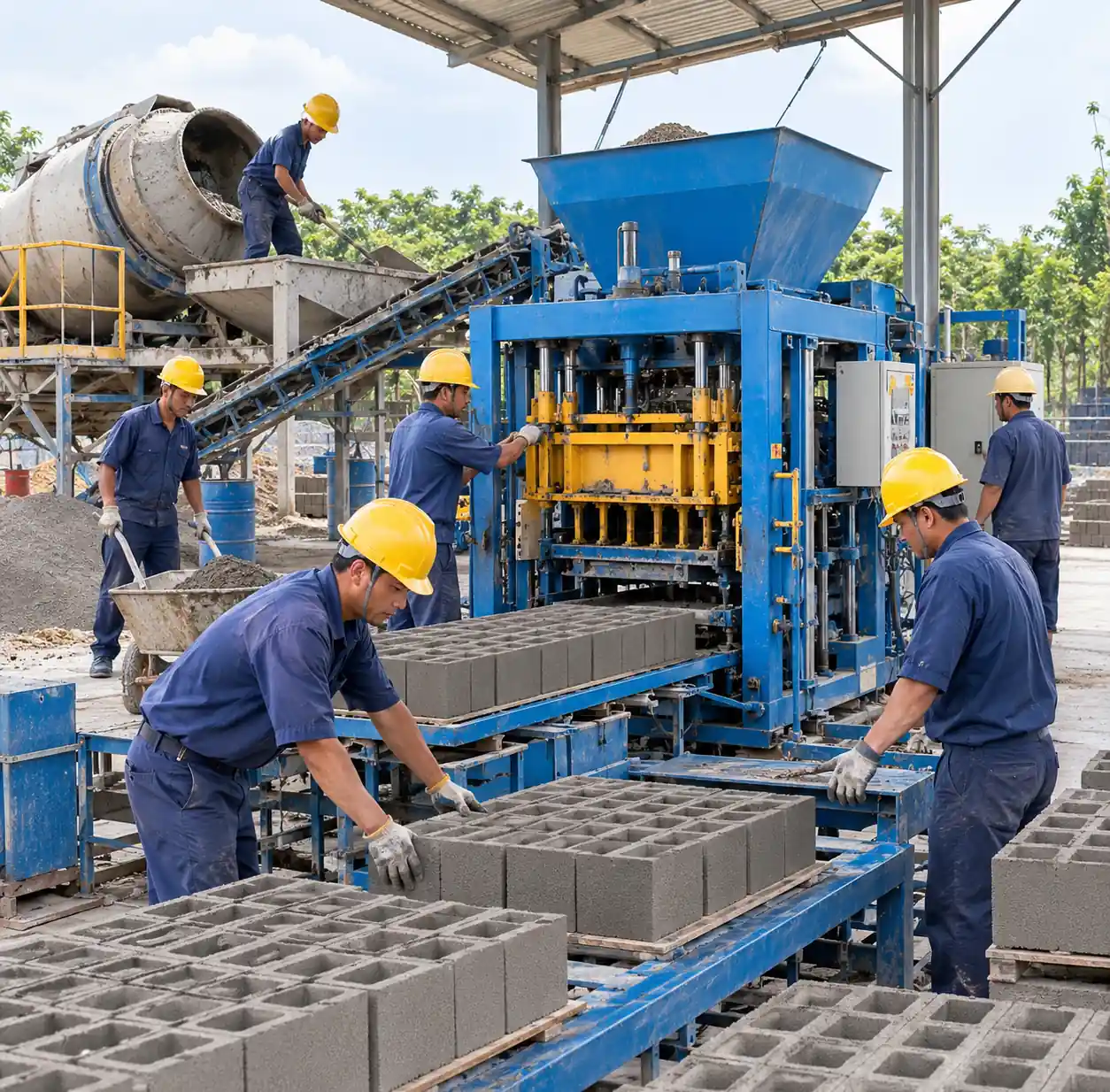
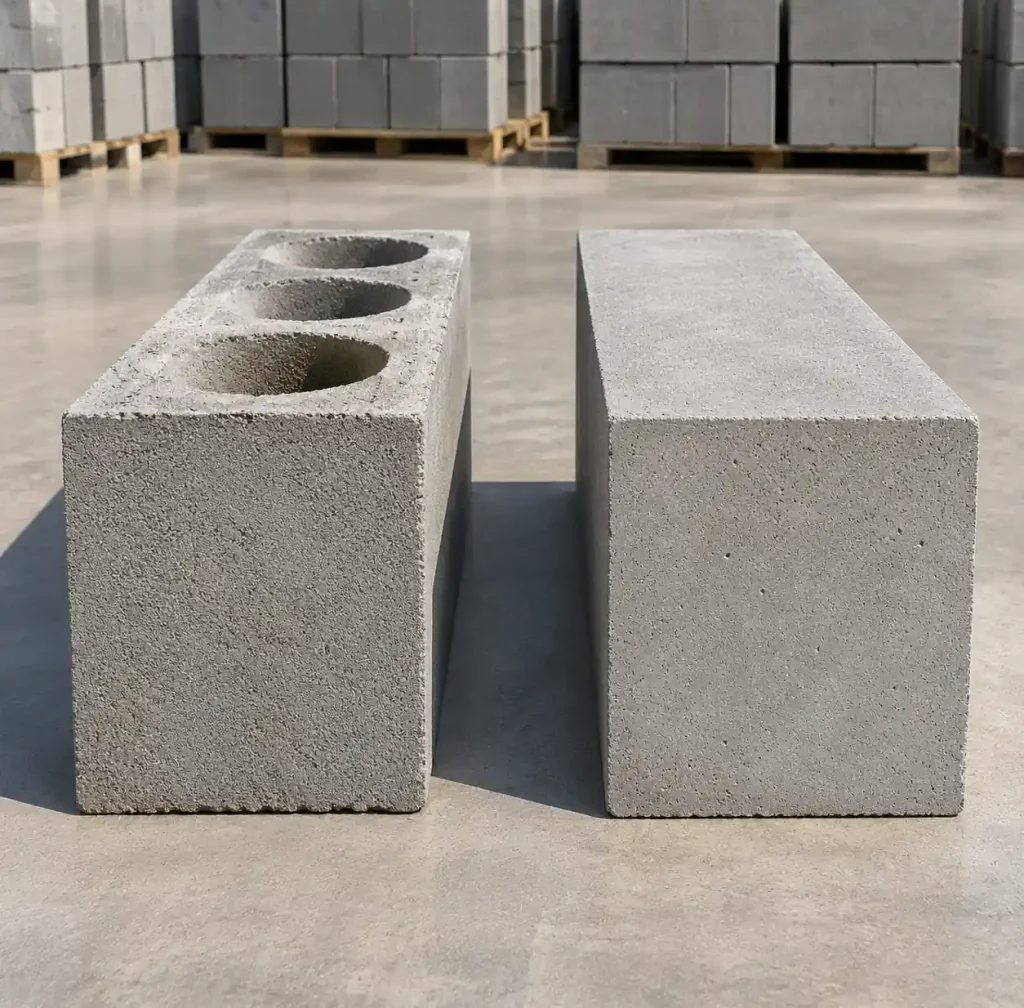
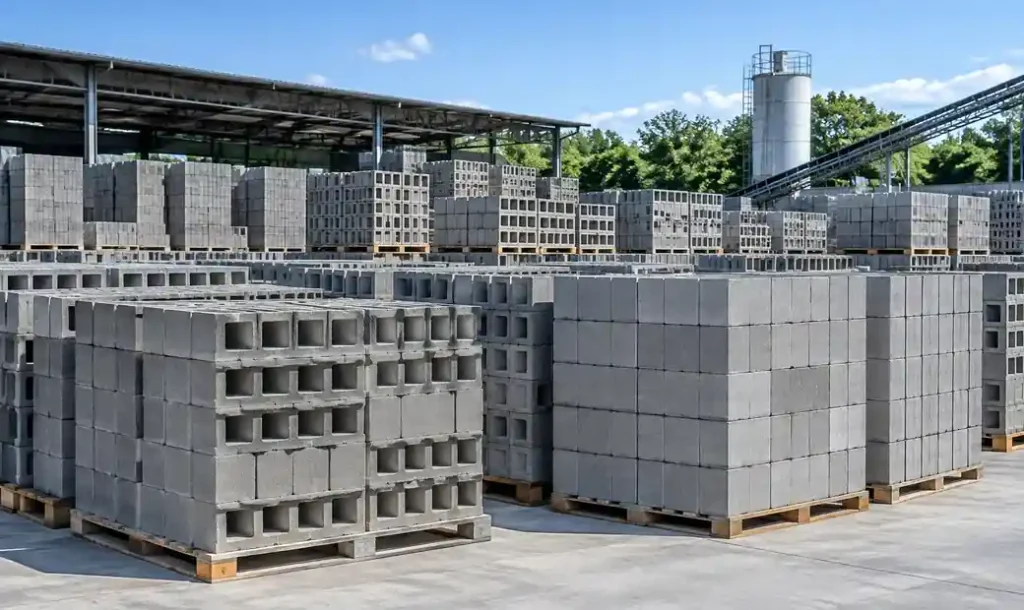
Hollow blocks contain two or more cylindrical or rectangular voids running through their length, reducing material usage by 40-50% compared to solid blocks of the same dimensions. The voids don’t compromise structural integrity when properly designed—they’re engineered features, not cost-cutting shortcuts.
Цельные блоки are dense concrete units with minimal voids (typically less than 25% of gross volume). They offer maximum compressive strength per unit volume, making them the default choice for heavy load-bearing applications.
The distinction directly affects three production economics: material cost per block, production speed, and market price per unit.
Production Cost Analysis: Where Your Margins Live
Material costs dominate block production economics. Here’s what the numbers look like in a mid-scale operation producing 1,200 blocks daily:
| Cost Factor | Hollow Blocks (6″ x 8″ x 16″) | Solid Blocks (6″ x 8″ x 16″) | Difference |
|---|---|---|---|
| Cement per block | 1.2-1.5 kg | 2.8-3.2 kg | -53% material |
| Aggregate per block | 8-10 kg | 18-22 kg | -55% material |
| Raw material cost | $0.18-$0.25 | $0.42-$0.55 | -57% cost |
| Production time | 30-40 seconds | 25-35 seconds | +15% cycle time |
With a semi-automatic block machine producing 1,200 hollow blocks daily, you save approximately $288-360 per day on cement alone. However, solid blocks typically command 25-40% higher selling prices, partially offsetting the material cost disadvantage.
Market Demand by Region
Market demand varies significantly by region. In our experience supplying block making machines to 50+ countries, we see three distinct patterns:
High hollow block demand (70-85% market share): India, Pakistan, Bangladesh, Philippines, Indonesia, Malaysia, Nigeria, Kenya, Ghana, Mexico, Colombia, Peru. These markets favor cavity wall construction and residential buildings where hollow blocks meet structural requirements at lower cost.
Mixed demand (45-60% hollow blocks): Egypt, Morocco, Tunisia, UAE, Saudi Arabia, Jordan, South Africa, Tanzania, Brazil, Argentina, Chile. Government housing projects often specify hollow blocks while commercial construction prefers solid blocks.
Higher solid block preference (50-70% solid blocks): Parts of Eastern Europe, industrial facilities globally, infrastructure projects, seismic zones with strict building codes.

Production Speed and Machine Utilization
Cycle time affects your daily output and equipment ROI. A QT4-24 semi-automatic machine producing hollow blocks typically achieves 1,200-1,400 blocks per 8-hour shift. The same machine producing solid blocks outputs 1,000-1,200 blocks per shift, reflecting the additional compaction time required.
Hollow block advantages:
- Faster mold release due to reduced concrete volume
- Less vibration time needed for full compaction
- 8-12% lower power consumption per block
Solid block advantages:
- Simpler mold designs with fewer cores
- More consistent density across production runs
- Better performance with lower-grade aggregate
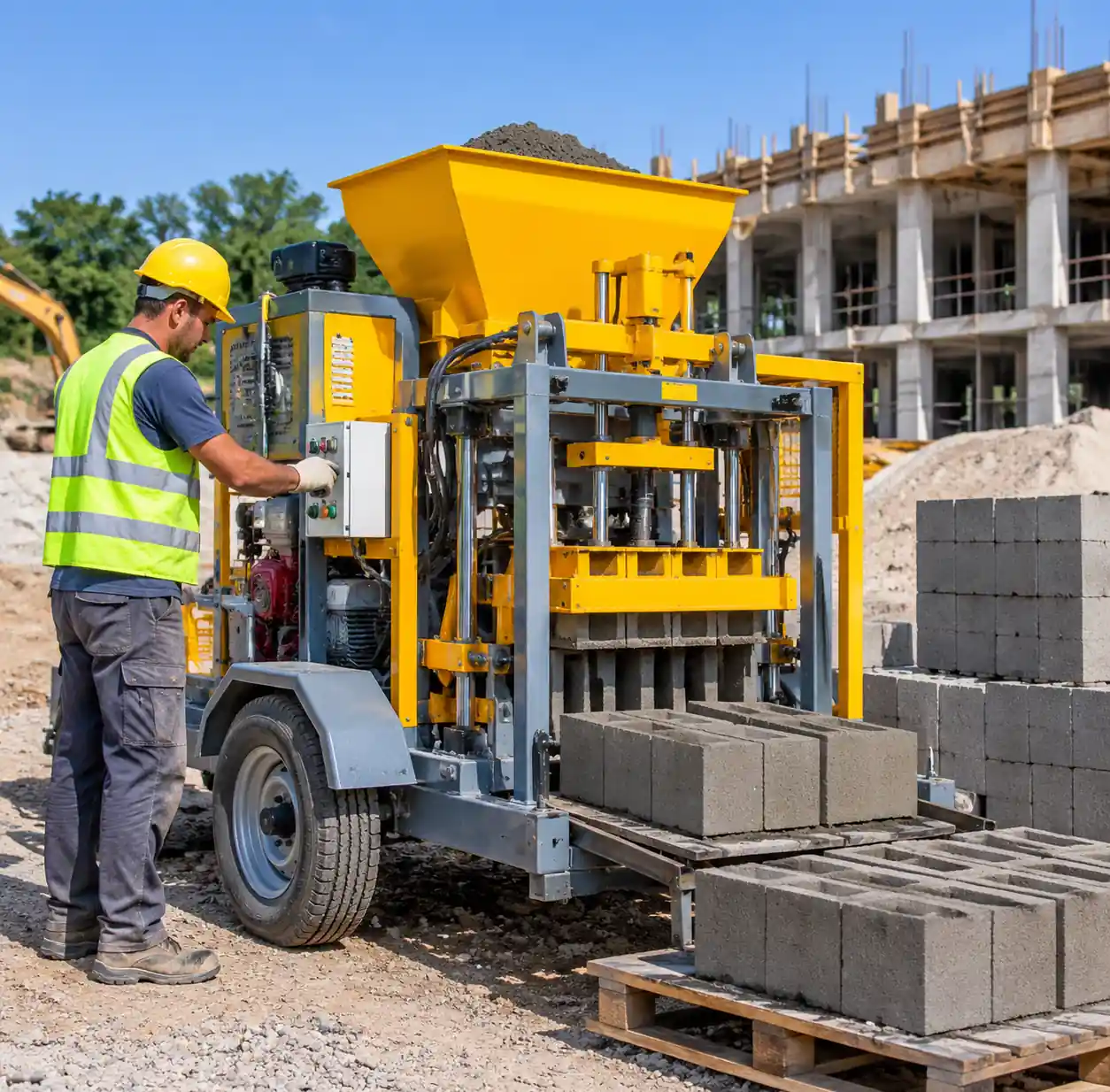
For small-scale producers with ручные блочные станки, hollow blocks achieve 300-400 blocks per shift with two operators, while solid blocks drop to 250-320 blocks due to heavier material handling.
Application-Specific Requirements
Hollow Blocks Excel In:
Partition walls and non-load bearing applications – The standard use case where thermal and acoustic properties matter more than compressive strength. Hollow blocks deliver R-values 30-45% better than solid blocks.
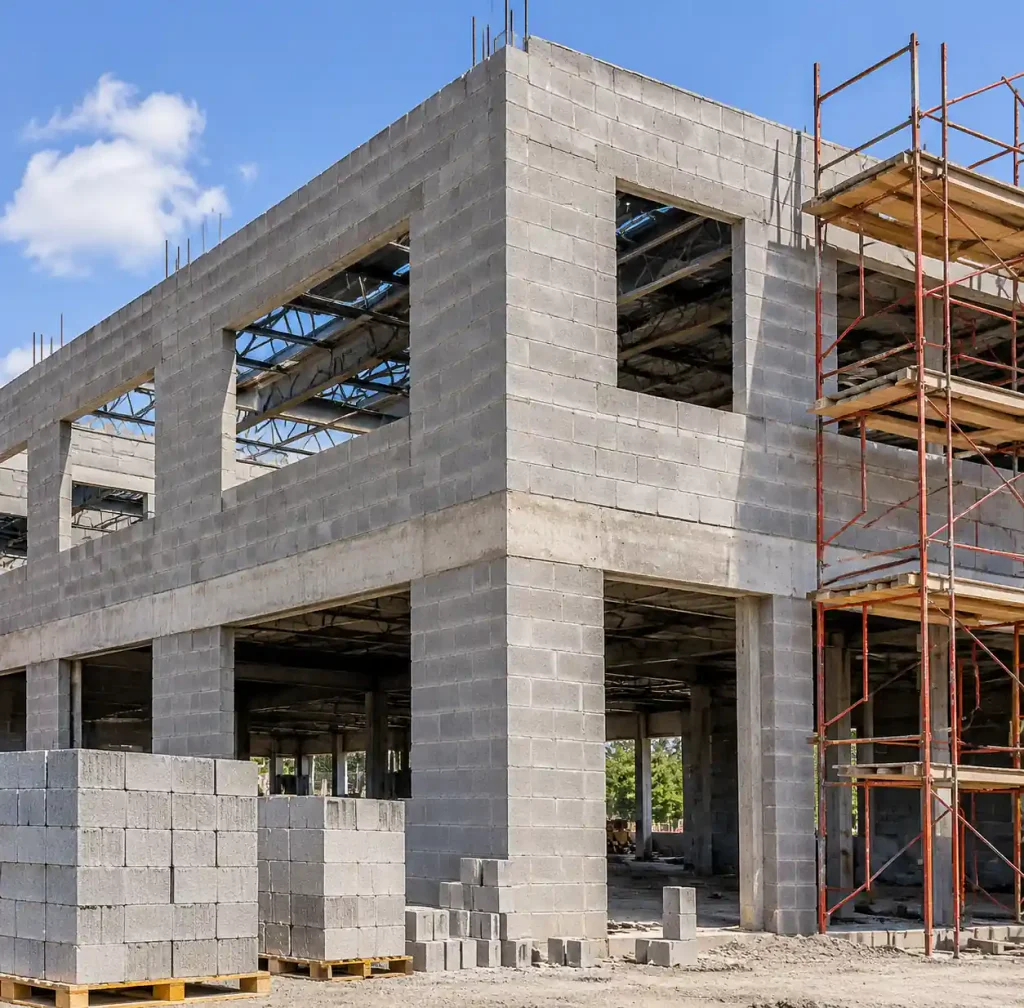
Multi-story residential construction (up to 4 floors) – Properly designed 6-inch and 8-inch hollow blocks meet structural requirements while reducing dead load on foundations by 40-50%.
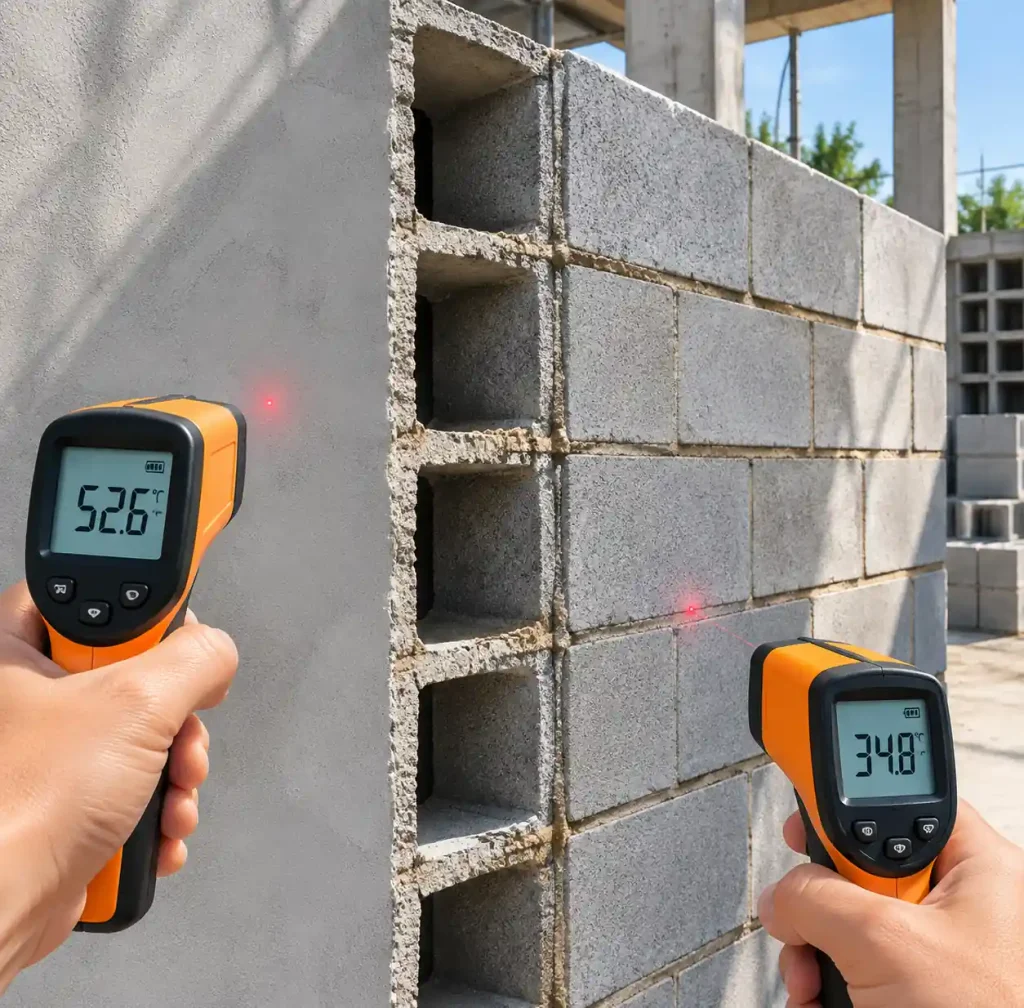
Hot climate construction – The air gaps in hollow blocks reduce heat transfer significantly. Field testing across Middle East and South Asia projects shows hollow block walls maintain interior temperatures 3-5°C cooler than solid block walls.
Solid Blocks Dominate In:
Load-bearing walls in commercial structures – Buildings exceeding 4-5 stories typically require solid blocks for ground floor and basement walls due to higher compressive strength requirements (8-12 MPa minimum).
Retaining walls and earth-retention structures – The weight and density of solid blocks provide better resistance to lateral earth pressure. This application accounts for 15-20% of solid block consumption in infrastructure-heavy markets.
Foundation work and below-grade construction – Solid blocks resist moisture penetration better and maintain structural integrity in high-humidity environments.
Industrial facilities – Warehouses, factories, and industrial buildings often specify solid blocks for walls subject to vehicle impact, equipment loads, or aggressive environmental conditions.
Profit Margin Reality Check
Real-world profitability varies across different scale operations:
| Production Scale | Hollow Block Margin | Solid Block Margin | Winner |
|---|---|---|---|
| Small (300-500 blocks/day) | 28-35% gross margin | 32-38% gross margin | Solid (higher price premium) |
| Medium (1,000-1,500 blocks/day) | 32-40% gross margin | 30-36% gross margin | Hollow (material efficiency) |
| Large (3,000+ blocks/day) | 38-45% gross margin | 33-38% gross margin | Hollow (scale advantage) |
The crossover point sits around 800-1,000 blocks daily production. Below that threshold, the higher selling price of solid blocks often delivers better absolute profit per day. Above 1,000 blocks daily, the material cost advantage of hollow blocks compounds, especially when cement prices spike.
Equipment Considerations
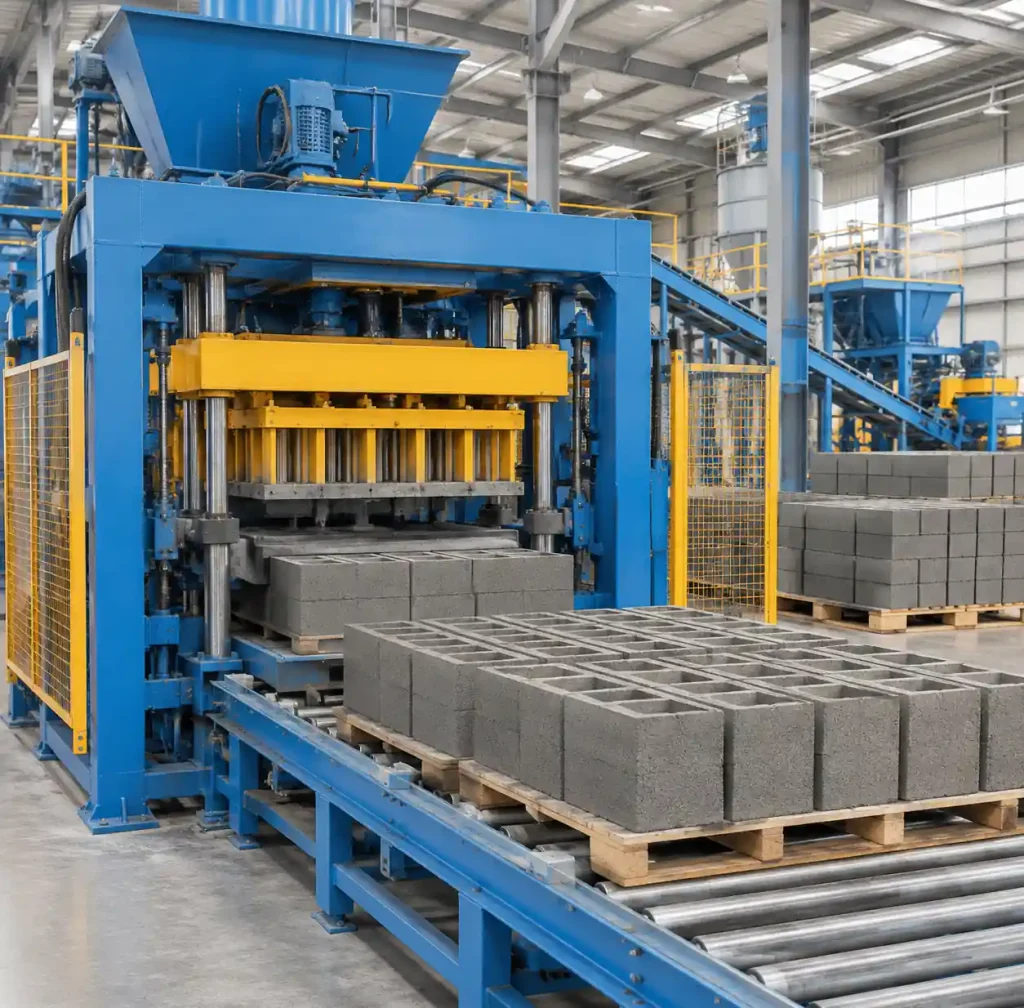
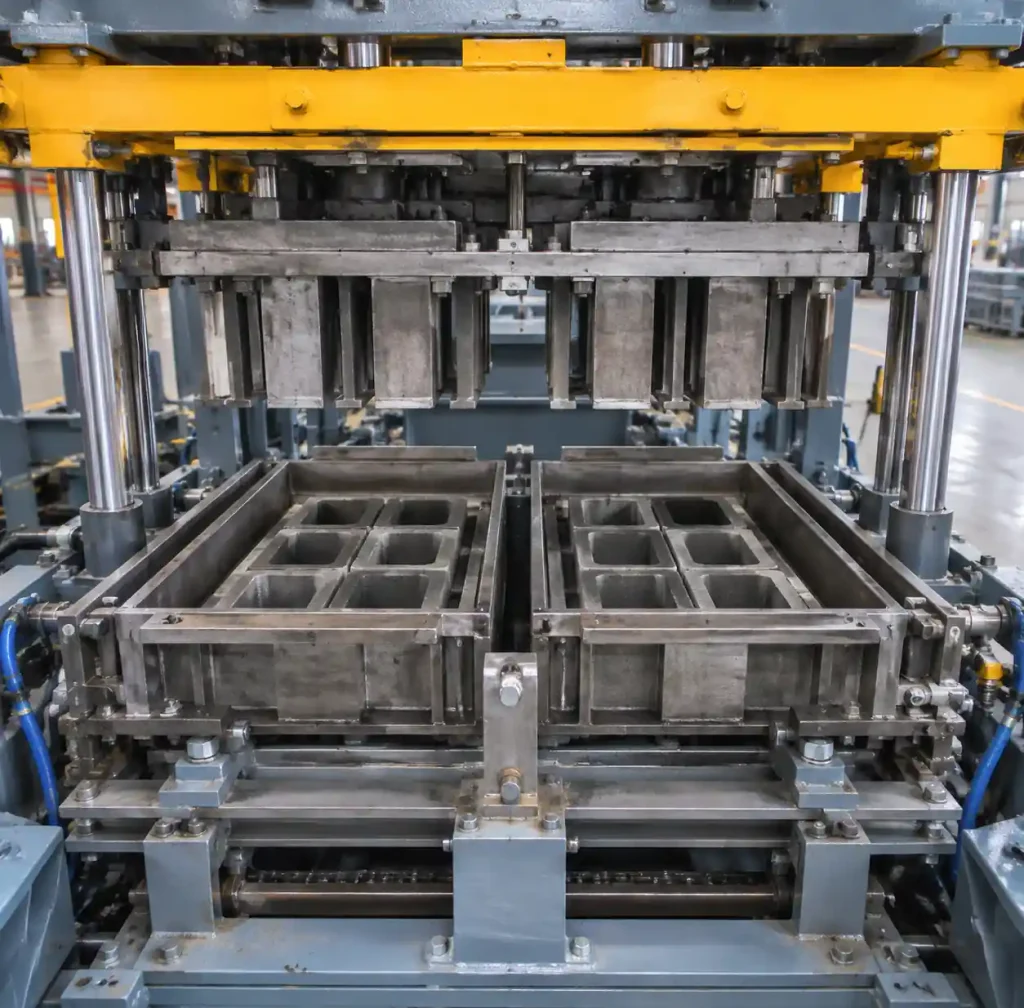
Your choice affects equipment requirements and investment. Both types use the same block making machines, but mold configurations differ. Hollow block molds include core assemblies that increase mold costs by 15-25%.
Key differences:
- Solid blocks require more aggressive vibration (3,000-4,500 VPM vs 2,800-4,000 VPM)
- Longer vibration cycles (8-12 seconds vs 5-8 seconds for hollow blocks)
- Solid blocks weigh 1.8-2.3x more, affecting forklift capacity and transportation costs by 40-60%
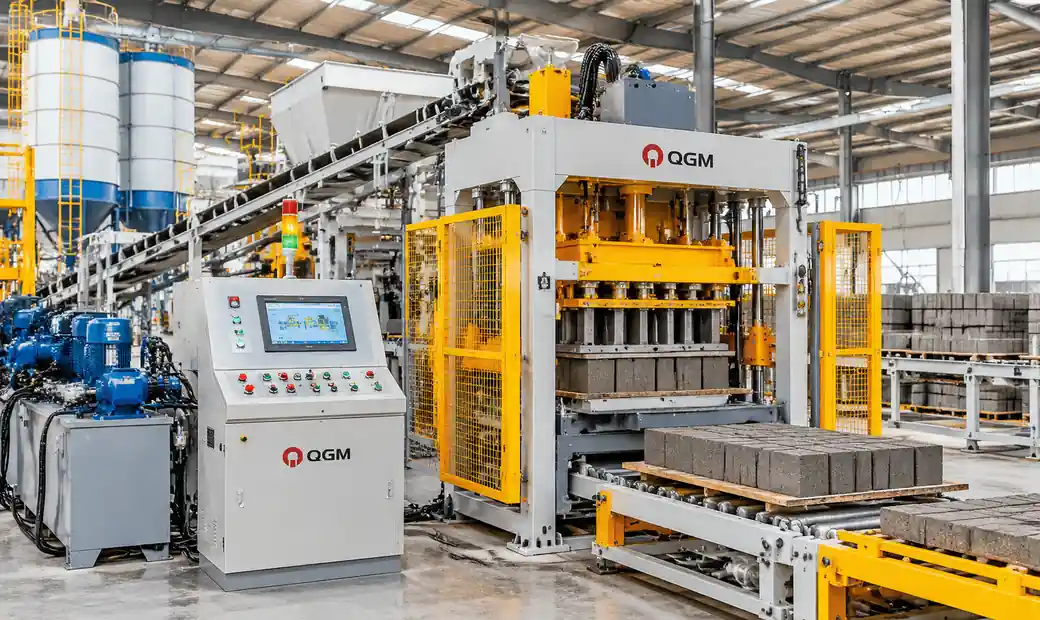
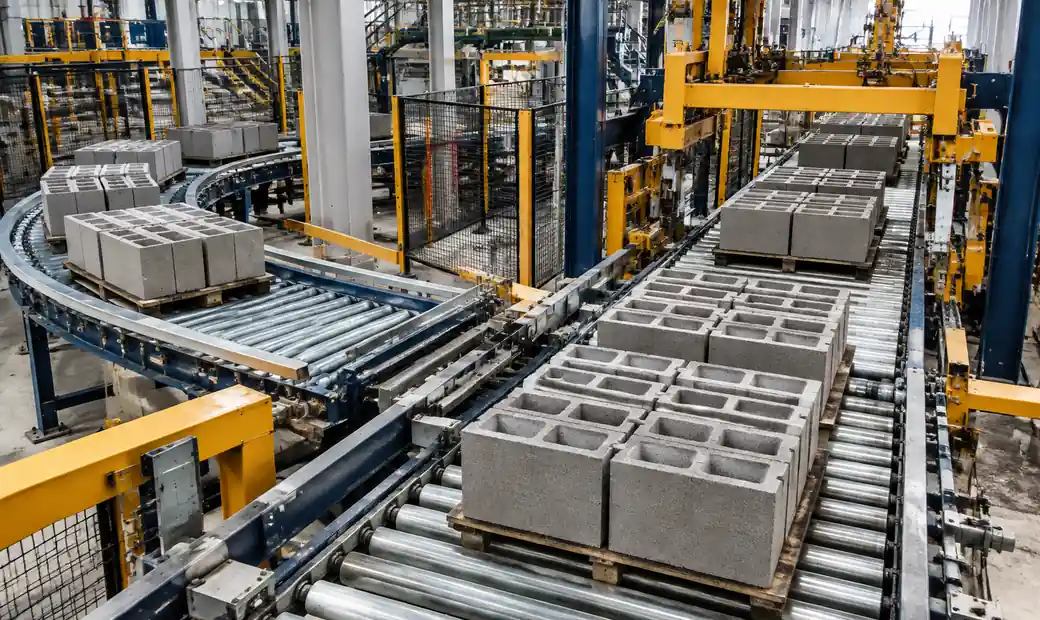
Most complete brick plant solutions can produce both types by changing molds, giving you flexibility to respond to market demand shifts.
Regional Pricing Insights
Typical 2026 market rates by region:
Africa: Hollow 6″: $0.45-0.65 | Solid 6″: $0.65-0.95 per block
South Asia: Hollow 6″: $0.25-0.40 | Solid 6″: $0.38-0.58 per block
Southeast Asia: Hollow 6″: $0.35-0.55 | Solid 6″: $0.52-0.78 per block
Middle East: Hollow 6″: $0.55-0.85 | Solid 6″: $0.78-1.15 per block
Latin America: Hollow 6″: $0.30-0.50 | Solid 6″: $0.48-0.72 per block
Premium features like interlocking designs, colored blocks, or certified strength grades command 15-35% premiums.
Making the Decision: A Framework
Choose hollow blocks as your primary product when:
- Your target market emphasizes residential construction (2-4 stories)
- Cement costs exceed $120 per ton in your region
- You’re producing at medium-to-high volume (1,000+ blocks daily)
- Hot climate buyers value thermal insulation properties
- Price sensitivity drives purchasing decisions in your market
Choose solid blocks as your primary product when:
- Commercial and industrial construction dominates locally
- You’re starting small (under 500 blocks daily)
- Your market pays 35%+ premiums for solid blocks
- Infrastructure projects provide steady demand
- Building codes in your region favor solid blocks for structural applications
Choose flexible production (equipment capable of both) when:
- You serve diverse construction segments
- Your market shows seasonal demand variations
- You have capital to invest in multiple mold sets
- Local competition is fragmented and project-specific
Most successful mid-scale producers maintain 70-30 or 60-40 production splits favoring whichever block type dominates local demand, while retaining flexibility for specific customer requirements.
Часто задаваемые вопросы
How much cheaper are hollow blocks to produce compared to solid blocks?
Raw material costs for hollow blocks run 50-57% lower than solid blocks of the same dimensions. For a 6″ x 8″ x 16″ block, hollow blocks typically cost $0.18-0.25 in materials versus $0.42-0.55 for solid blocks. However, solid blocks usually sell at 25-40% price premiums, narrowing the profit margin difference.
Can the same machine produce both hollow and solid blocks?
Yes, most автоматический и semi-automatic block machines can produce both types by changing molds. The machine specifications remain the same, though solid blocks require slightly longer vibration cycles. Mold changeover takes 15-30 minutes depending on machine type.
Which type has better market demand?
Hollow blocks dominate global volume, representing approximately 65-70% of the concrete block market worldwide. However, regional variations are significant. South Asia and Africa show 75-85% hollow block preference, while parts of Eastern Europe and industrial construction globally favor solid blocks at 50-60% of the market.
Are hollow blocks weaker than solid blocks?
Not for their intended applications. Properly manufactured hollow blocks meet all structural code requirements for residential construction up to 4 stories. Solid blocks offer higher absolute compressive strength (8-12 MPa typical vs 5.5-8.0 MPa for hollow blocks), making them suitable for heavier load-bearing applications, but this additional strength isn’t needed for most residential construction.
What’s the production speed difference between hollow and solid blocks?
A semi-automatic machine typically produces 1,200-1,400 hollow blocks per 8-hour shift versus 1,000-1,200 solid blocks, approximately 15-20% difference. Hollow blocks release faster from molds and require less vibration time. With manual machines, the gap widens due to heavier material handling required for solid blocks.
Which type is more profitable for small-scale producers?
For operations producing fewer than 800 blocks daily, solid blocks often deliver better profitability due to higher selling prices that offset material costs. Above 1,000 blocks daily, hollow blocks typically become more profitable as material cost advantages compound at scale. The crossover point varies by local pricing structures.
Заключение
The hollow versus solid block decision comes down to local market pricing, production scale, and the dominant construction types in your region. Hollow blocks offer superior profitability for producers manufacturing 1,000+ blocks daily in markets where residential construction dominates and cement costs exceed $120 per ton. Solid blocks deliver better returns for smaller operations (under 800 blocks daily) and in markets with significant commercial or industrial construction demand.
The smartest approach for most mid-scale producers combines flexibility with focus: select equipment capable of producing both types, maintain inventory of molds for both configurations, but orient 65-75% of production capacity toward whichever type your market demands most heavily.
At Raytone Block Machinery, we’ve supplied complete block production solutions to over 150 countries, helping producers optimize their product mix for local market conditions. Whether you choose hollow blocks, solid blocks, or flexible production capability, the foundation of profitability remains constant: consistent quality, efficient production processes, and equipment that matches your actual market requirements.