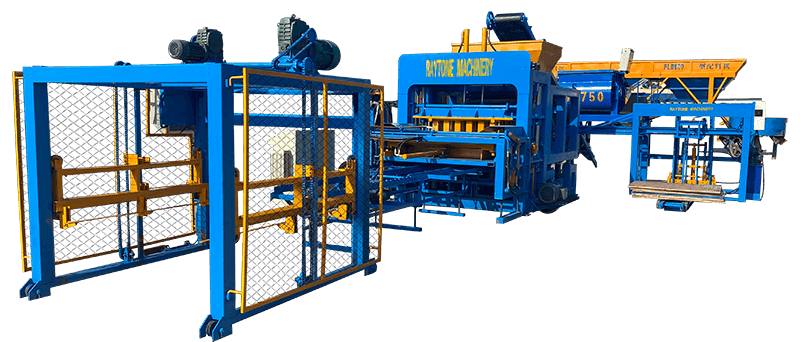




Investing in block manufacturing equipment represents a significant capital commitment, but the right financing strategy can transform this challenge into a manageable pathway to business growth. Whether you’re launching a new concrete block production facility or expanding existing operations, understanding your funding options is crucial to making informed decisions that align with your cash flow, tax strategy, and long-term business goals.
The block machine market continues to expand, with global demand driven by infrastructure development and construction activity. For businesses entering or scaling within this sector, equipment costs typically range from $50,000 for entry-level semi-automatic systems to over $500,000 for fully automated production lines. Rather than depleting working capital or delaying expansion, most successful block manufacturers leverage strategic financing to preserve cash reserves while maintaining competitive production capacity.
Understanding Your Block Machine Investment
Before exploring financing structures, it’s essential to accurately assess your total equipment investment. A complete block production setup extends beyond the primary machine itself.
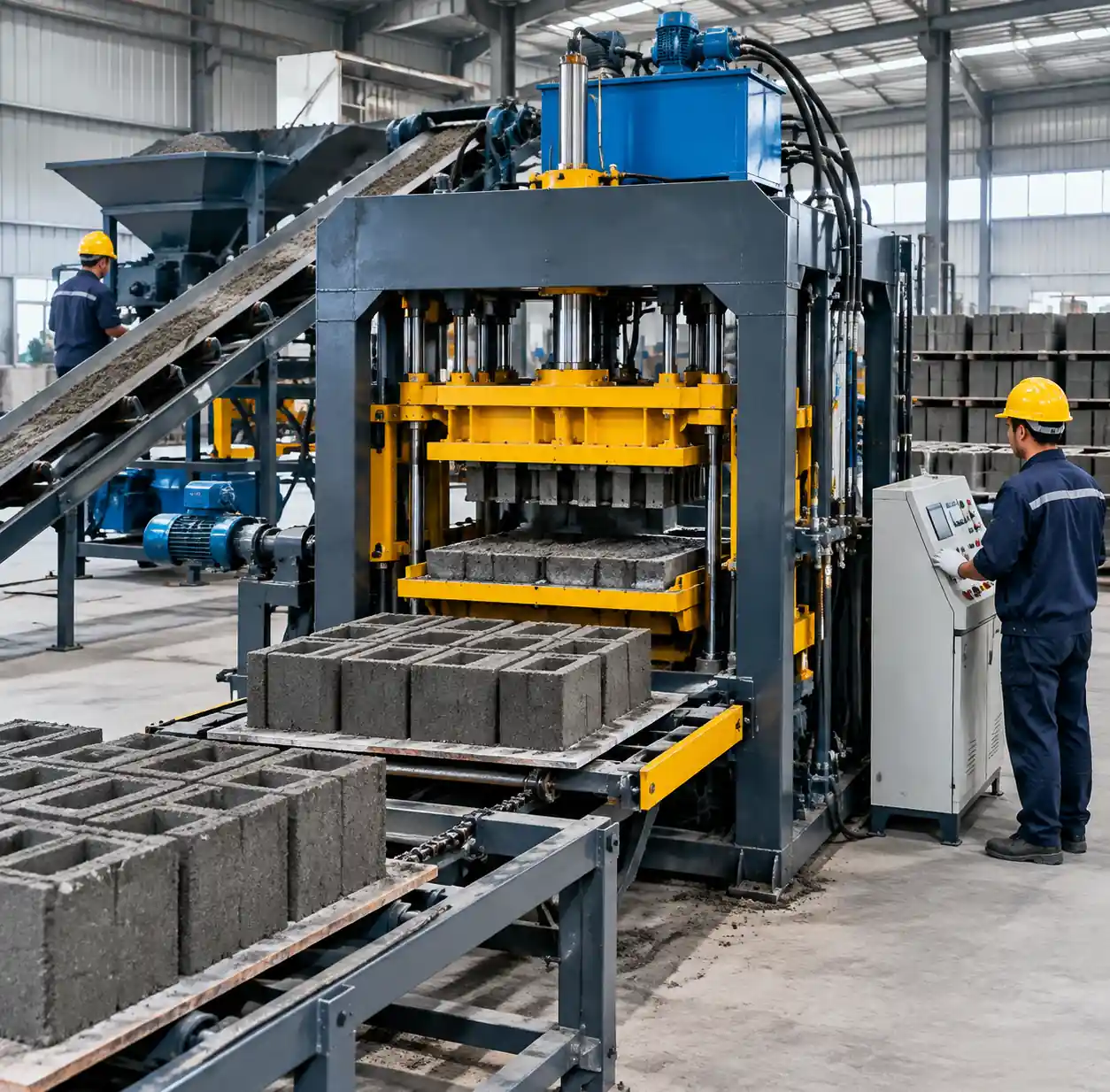
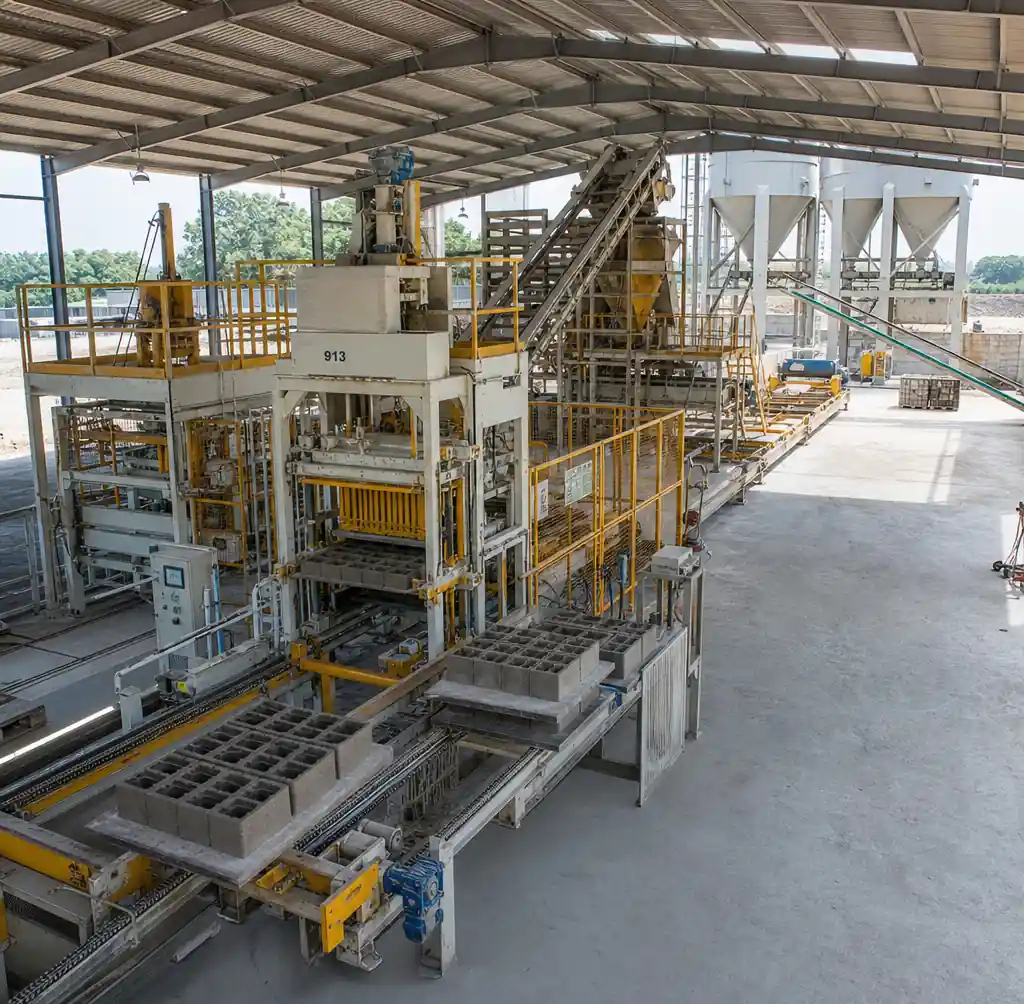
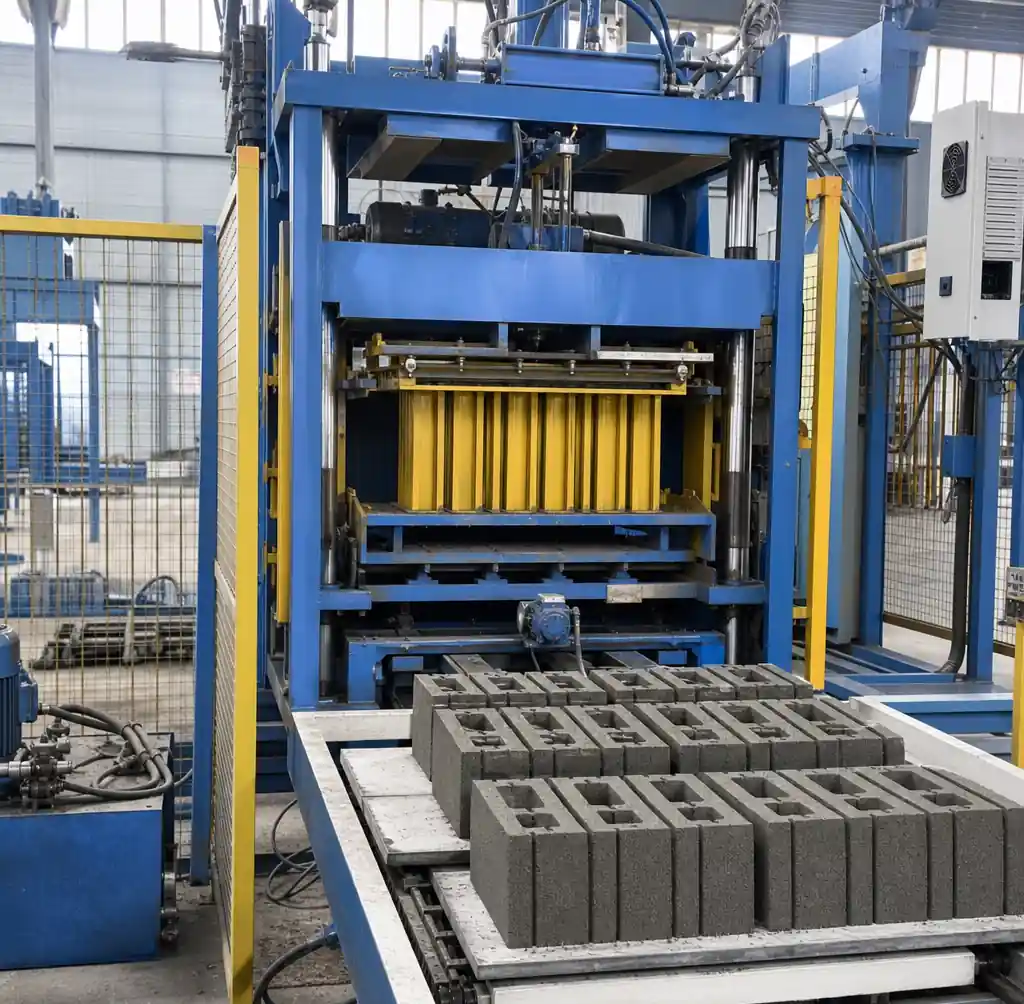
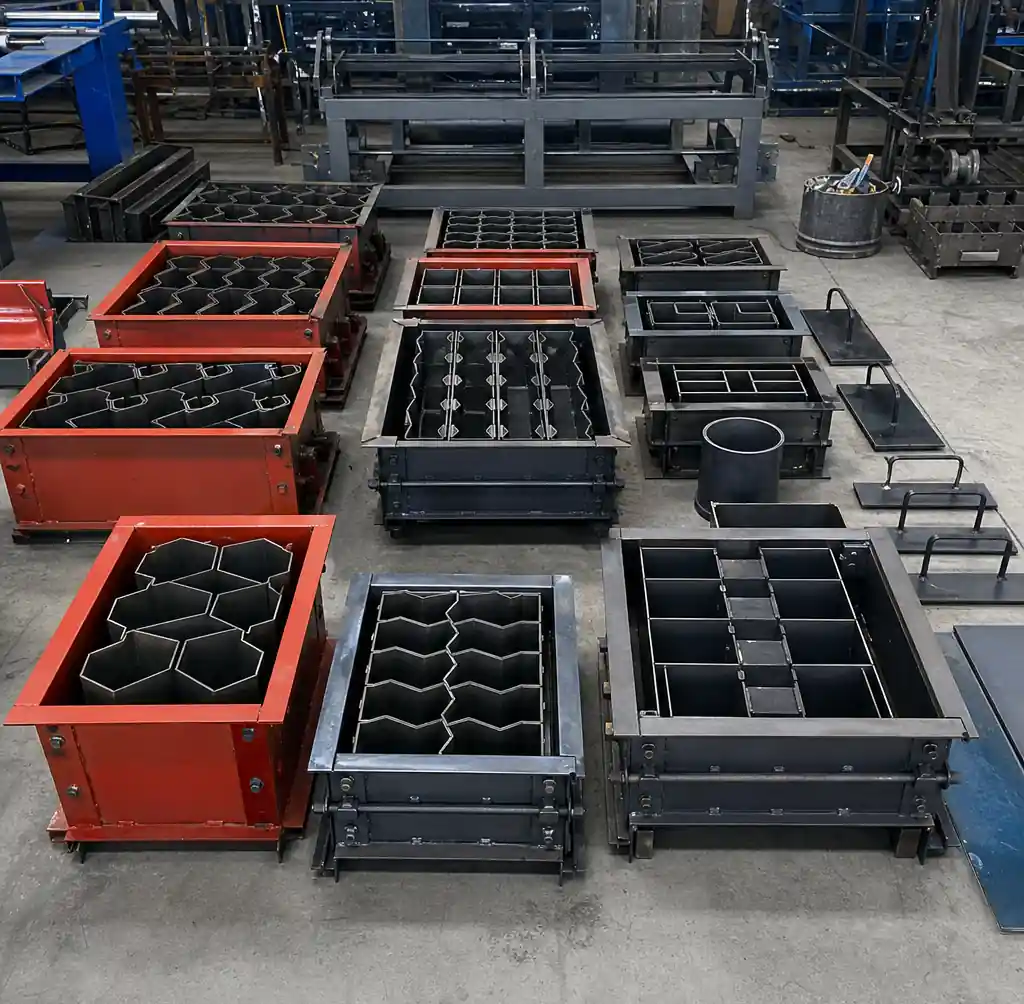
Your capital requirement includes the core block making machine, complementary equipment such as mixers and conveyors, mold sets for different block specifications, installation and commissioning costs, and initial raw material inventory. For a mid-range automatic block machine producing 4,000-8,000 blocks per eight-hour shift, expect a total investment between $150,000 and $300,000.
Production capacity directly impacts financing needs. Semi-automatic block machines require lower upfront investment but demand more labor, while fully automatic production lines command higher prices but deliver superior output and efficiency. Your financing strategy should account for the equipment’s revenue-generating capacity—higher output machines typically justify larger loan amounts through faster payback periods.
Equipment Loans: Building Equity from Day One
Equipment loans represent the most straightforward financing path for block machine purchases. With this structure, you borrow a specific amount to purchase the equipment outright, and the machine itself serves as collateral for the loan.
How Equipment Loans Work
The lender provides funds to purchase your block machine, places a lien on the equipment until you’ve repaid the loan in full, and you own the asset from day one while making regular payments over the agreed term. This approach offers predictable monthly payments, builds business equity as you pay down the principal, and allows full depreciation benefits and potential tax deductions.
According to Crestmont Capital’s equipment financing guide, typical terms for heavy machinery run 24 to 84 months depending on the equipment’s expected useful life and value. For a $200,000 block machine financed at 8% over five years, monthly payments would run approximately $4,056.
Loan Qualification Requirements
Lenders evaluating block machine financing applications typically examine business credit scores (generally requiring 650+), time in business (minimum 12-24 months for most lenders), annual revenue (often 1.5-2x the loan amount), and existing debt obligations. Some specialized equipment lenders offer programs for startups or businesses with limited credit history, though these typically carry higher interest rates.
| Financing Term | Monthly Payment* | Total Interest Paid | Идеально подходит для |
|---|---|---|---|
| 24 months | $9,018 | $16,432 | High cash flow, quick payoff |
| 36 months | $6,261 | $25,396 | Balanced cost and payment |
| 60 months | $4,056 | $43,360 | Lower monthly burden |
| 84 months | $3,094 | $59,896 | Maximum payment flexibility |
*Based on $200,000 loan at 8% APR
Equipment Leasing: Flexibility and Lower Payments
Leasing offers an alternative that prioritizes cash flow management and operational flexibility over ownership. Rather than borrowing to purchase, you make periodic payments for the right to use the block machine while the lender retains ownership.
Capital Lease ($1 Buyout Structure)
This lease structure functions similarly to a loan. You make regular lease payments over the term, and at completion, you purchase the equipment for a nominal amount—often just $1. The key distinction from a traditional loan lies in the financing of sales tax upfront rather than monthly, and the way the transaction appears on financial statements.
Capital leases work well for equipment you intend to keep long-term. The ownership transfer at lease end is essentially guaranteed, making this structure ideal for core production equipment that will remain productive for 10-15 years.
Fair Market Value Lease
With an FMV lease, monthly payments are typically 20-30% lower than loan payments for the same equipment. At lease end, you have three options: purchase the block machine at its current fair market value (typically 10-20% of original cost), return the equipment and upgrade to newer technology, or renew the lease for an additional term.
This structure suits businesses that prioritize flexibility. If you’re uncertain about long-term production requirements, want to upgrade to improved technology every 5-7 years, or need to minimize monthly expenses to preserve working capital, FMV leasing deserves consideration.
Comparing Financing Costs: Real Numbers
Understanding total cost of ownership requires looking beyond monthly payments. Consider a $250,000 automatic block machine under three different scenarios.
Scenario A: Cash Purchase
- Upfront cost: $250,000
- Opportunity cost: Lost investment returns on capital
- Tax benefit: Immediate Section 179 depreciation up to $1,220,000 (2026 limit)
- Total ownership cost: $250,000 (plus opportunity cost)
Scenario B: 5-Year Equipment Loan at 8%
- Down payment: $25,000 (10%)
- Monthly payment: $4,563
- Total payments: $273,780
- Total ownership cost: $298,780
- Net cost after tax benefits: Approximately $238,000 (assuming 35% tax bracket)
Scenario C: 5-Year FMV Lease
- Monthly payment: $3,750
- Total lease payments: $225,000
- End-of-lease purchase option: $37,500 (15% residual)
- Total ownership cost: $262,500
- Net cost after tax benefits: Approximately $232,000
| Financing Method | Upfront Cash | Monthly Payment | Total Cost | Tax Advantage | Идеально подходит для |
|---|---|---|---|---|---|
| Cash Purchase | $250,000 | $0 | $250,000 | Immediate depreciation | Strong cash position |
| Equipment Loan | $25,000 | $4,563 | $298,780 | Depreciation over term | Building equity |
| Capital Lease | $0 | $4,730 | $283,800 | Lease payments deductible | Preserve cash, plan to own |
| FMV Lease | $0 | $3,750 | $262,500 | Lease payments deductible | Flexibility, upgrade path |
SBA Loans for Block Manufacturing Equipment
The U.S. Small Business Administration backs several loan programs that can finance block machine purchases, often with more favorable terms than conventional equipment loans.
SBA 7(a) Loan Program
The 7(a) program, the SBA’s most common loan product, can fund up to $5 million for equipment purchases, working capital, and business expansion. While not exclusively for equipment, this loan type works well when you need to finance the complete production setup including site preparation, installation, and initial operating capital.
Advantages include longer repayment terms (up to 10 years for equipment), lower down payments (typically 10% versus 20-30% for conventional loans), and competitive interest rates tied to the prime rate. The trade-off involves more paperwork, longer approval times (45-90 days typical), and personal guarantee requirements.
SBA 504 Loan Program
The 504 program specifically targets fixed asset purchases including machinery and equipment. This structure splits financing between three parties: a 40% down payment from the buyer or conventional lender, 40% from a Certified Development Company (CDC) at below-market rates, and 10-20% down payment from the borrower.
For a $300,000 block machine investment, this might look like $30,000 from you (10%), $120,000 from a conventional lender, and $150,000 from the CDC at approximately 5-6% fixed for 10 or 20 years. The blended rate often beats traditional equipment financing by 1-2 percentage points.
Manufacturer Financing Programs
Some block machine manufacturers and dealers offer in-house financing or partnerships with specialized equipment lenders. These programs can streamline the purchase process and occasionally offer promotional rates.
Direct Manufacturer Financing
Established manufacturers may provide financing directly or through captive finance companies. Raytone Block Machinery works with qualified customers to structure payment terms that align with production ramp-up schedules, recognizing that new block plants need time to establish market presence and customer relationships.
Benefits include faster approval processes (manufacturer already understands the equipment’s value), flexible structuring based on production schedules, and potential for deferred payments during installation and commissioning. However, rates may run slightly higher than bank financing, and you’ll have limited leverage to negotiate if combining equipment purchase with financing.
Industry-Specific Lenders
Specialized equipment financing companies focus exclusively on construction and manufacturing equipment. Companies like CT Capital, backed by over 50 years in concrete equipment manufacturing, understand block production business models and can structure deals appropriately.
These lenders often approve applications that conventional banks might decline, offer expertise in equipment valuation specific to block manufacturing, and provide flexible structures including seasonal payment variations. For businesses with limited credit history or unique financing needs, industry specialists may be your best option.
Alternative Financing Sources
Traditional equipment loans and leases aren’t the only paths to funding your block machine investment.
Business Lines of Credit
A business line of credit provides revolving access to funds up to a predetermined limit. You draw what you need, pay interest only on the borrowed amount, and can re-borrow as you repay. This flexibility works well for purchasing molds and accessories or covering installation costs, but the entire block machine cost typically exceeds what lenders offer through credit lines.
Vendor Trade Credit
Some suppliers offer payment terms that effectively function as short-term financing. Net-30, net-60, or even net-90 terms allow you to receive equipment and begin production before full payment is due. While uncommon for large equipment purchases, extended terms sometimes apply to ancillary equipment, molds, and the first several months of raw material supplies.
Private Investors and Partners
For substantial operations, bringing in equity investors or partners can provide capital without debt service obligations. This approach works best when you’re establishing a major production facility rather than adding equipment to existing operations. The trade-off is dilution of ownership and potentially less control over business decisions.
Tax Considerations and Depreciation Benefits
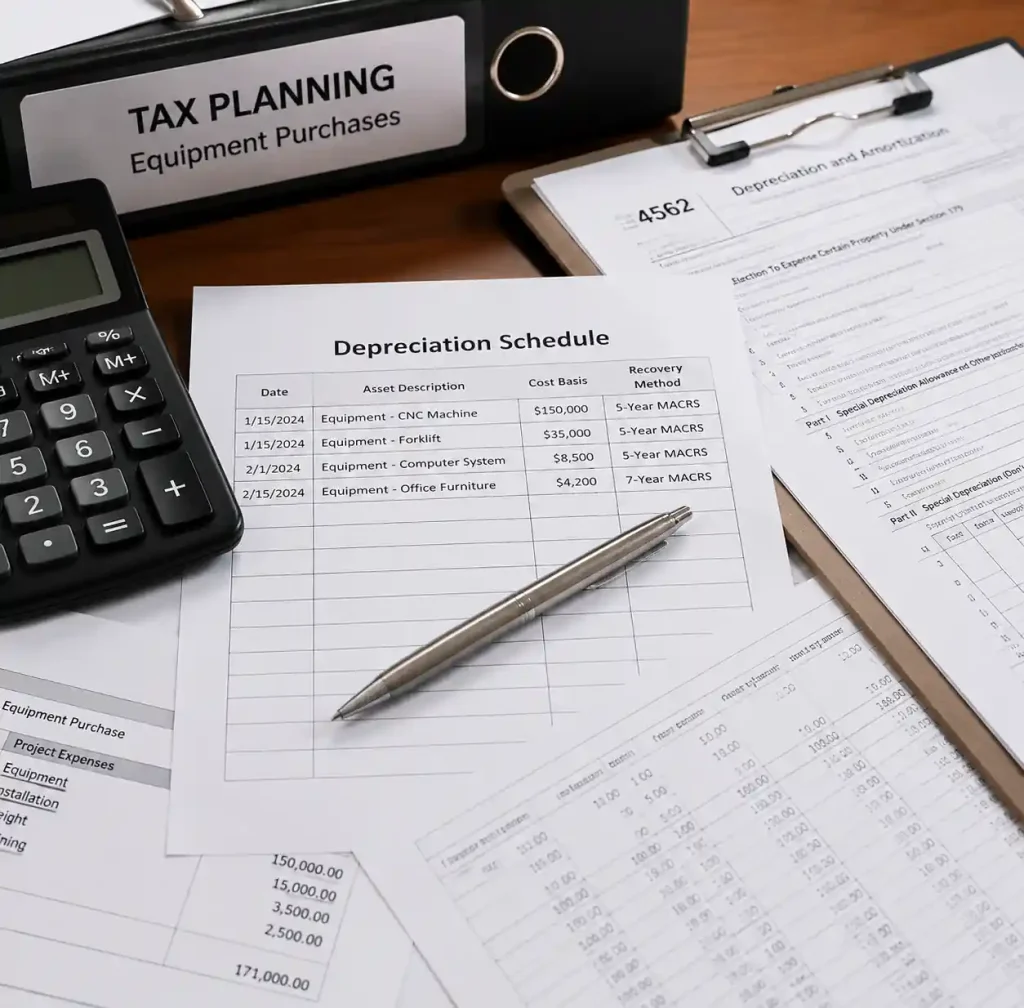
Equipment financing decisions carry significant tax implications that affect your true cost of capital.
Section 179 Deduction
Under Section 179, businesses can deduct the full purchase price of qualifying equipment in the year it’s placed in service, up to $1,220,000 for 2026 (subject to annual adjustments). This immediate expense deduction can dramatically reduce your tax liability in the purchase year, effectively lowering the net cost of your block machine by your marginal tax rate.
For example, a business in the 35% tax bracket purchasing a $200,000 block machine could reduce federal taxes by $70,000, bringing the effective cost to $130,000. This benefit applies whether you pay cash or finance the purchase—you deduct the full amount regardless of how much you’ve paid by year-end.
Bonus Depreciation
Bonus depreciation allows you to deduct a percentage of the equipment cost in the first year, with remaining value depreciated over subsequent years. While bonus depreciation was 100% through 2022, it’s currently phasing down. In 2026, the bonus rate is 40%, meaning you can immediately deduct $80,000 of a $200,000 purchase, then depreciate the remaining $120,000 over the equipment’s recovery period using MACRS (Modified Accelerated Cost Recovery System).
Lease Payment Deductions
Operating leases (including FMV leases) allow you to deduct the full lease payment as a business expense. Unlike ownership depreciation, which is front-loaded with accelerated methods, lease deductions remain consistent throughout the term. This smooths out tax benefits and can be advantageous if you expect revenue to grow over the lease term.
| Tax Strategy | Year 1 Benefit | Multi-Year Benefit | Идеально подходит для |
|---|---|---|---|
| Section 179 | Deduct up to $1,220,000 | None (single-year) | High current-year income |
| Bonus Depreciation (40%) | Deduct 40% immediately | MACRS on remaining | Moderate current income |
| MACRS Only | Deduct per schedule | Spread over 5-7 years | Steady income growth |
| Lease Deductions | Deduct full payment | Equal deductions each year | Consistent tax rates |
Calculating Your Financing Capacity
Understanding how much financing you can realistically secure and service helps narrow your equipment options to what’s truly affordable.
Debt Service Coverage Ratio (DSCR)
Lenders evaluate your ability to repay by calculating DSCR: net operating income divided by total debt service. Most equipment lenders require a minimum DSCR of 1.25, meaning your income must exceed debt obligations by at least 25%.
If your block plant generates $150,000 in annual net operating income, lenders would limit total annual debt service to $120,000 (150,000 ÷ 1.25). This translates to maximum monthly debt payments of $10,000. If you’re already servicing $4,000 monthly in other business debt, you could add approximately $6,000 in new equipment financing.
Revenue-Based Qualification
Many equipment lenders use a simpler metric: maximum financing equals 10-15% of annual revenue. A business with $1 million in annual sales could potentially qualify for $100,000-$150,000 in equipment financing. This rough guideline varies by industry, credit strength, and existing obligations.
Equipment Value and Down Payments
Lenders typically finance 70-90% of equipment value, requiring the balance as a down payment. Higher down payments reduce monthly payments and demonstrate financial commitment, potentially securing better interest rates. For a $250,000 block machine:
- 10% down ($25,000): Finance $225,000
- 20% down ($50,000): Finance $200,000
- 30% down ($75,000): Finance $175,000
The optimal down payment balances preserving working capital against minimizing interest costs. Most equipment finance experts recommend contributing at least 10-15% to demonstrate stake in the investment’s success.
Preparing Your Financing Application
Strong documentation accelerates approval and improves the terms you’ll receive.
Essential Documentation
Prepare business tax returns for the past two years, year-to-date profit and loss statements, balance sheet showing assets and liabilities, accounts receivable and payable aging reports, and business bank statements covering 3-6 months. If your business is less than two years old, provide personal tax returns and personal financial statements.
For the equipment itself, include manufacturer specifications and pricing quotes, expected production capacity and revenue projections, installation and site preparation cost estimates, and documentation of existing customer contracts or market demand.
Building Your Business Case
Lenders want to see that your block machine investment will generate sufficient cash flow to cover financing payments with room to spare. Develop a simple financial projection showing current production capacity and revenue, projected capacity with new equipment, realistic market pricing for your block products, and monthly cash flow including financing payments.
Be conservative in projections. Lenders have seen countless optimistic revenue forecasts; credible, conservative projections that still demonstrate comfortable payment capacity carry far more weight.
Credit Improvement Strategies
If your business credit score falls short of ideal financing terms, consider these improvement tactics before applying: pay down existing revolving credit to below 30% utilization, correct any errors on your business credit report (check Dun & Bradstreet, Experian Business, and Equifax Business), establish trade credit relationships with suppliers and ensure they report payments, and maintain at least six months of consistent positive cash flow before applying.
Sometimes waiting 6-12 months to improve financial metrics results in significantly better financing terms—potentially saving thousands in interest over the loan term.

Negotiating Better Financing Terms
Everything in equipment financing is negotiable. Approaching the process strategically can meaningfully improve your terms.
Shop Multiple Lenders
Interest rates and terms vary substantially across lenders. Obtain quotes from at least three sources: your primary business bank, specialized equipment lenders, and manufacturer financing programs. Use competing offers to negotiate better terms—lenders would rather adjust rates slightly than lose viable borrowers.
According to NerdWallet’s 2026 equipment financing analysis, rates currently range from 5% to 25% depending on creditworthiness, with the median around 8-12% for established businesses with good credit.
Understand Rate Structures
Fixed rates provide payment certainty but typically start slightly higher than variable rates. Variable rates fluctuate with market conditions—advantageous when rates are falling, risky when they’re rising. Given economic uncertainty, most equipment buyers prefer fixed rates for major machinery purchases.
Some lenders offer step-rate structures where payments increase over time, matching anticipated revenue growth from the new equipment. This can ease initial cash flow pressure, though you’ll pay more total interest.
Term Length Trade-offs
Longer terms reduce monthly payments but increase total interest. Shorter terms build equity faster and minimize interest expense but demand higher monthly cash flow. Match your term to the equipment’s productive life—financing a block machine over 10 years when you’ll replace it in 6 wastes money.
Common Financing Mistakes to Avoid
Learning from others’ errors can save costly lessons.
Underestimating Total Project Costs
The block machine purchase price is just one component. Factor in delivery and installation (typically 5-10% of equipment cost), site preparation and utility connections, initial mold sets and spare parts, training for operators and maintenance staff, and working capital for 3-6 months of raw materials. Financing the machine but lacking funds for installation and operation delays revenue generation and strains cash flow.
Overextending Financial Capacity
Maxing out available financing leaves no buffer for unexpected challenges. Market conditions may take longer to develop than projected, equipment may require learning curve time before hitting full efficiency, and customers may pay slower than anticipated. Maintain cash reserves equal to 6-12 months of operating expenses even after equipment purchase.
Ignoring Maintenance and Replacement Costs
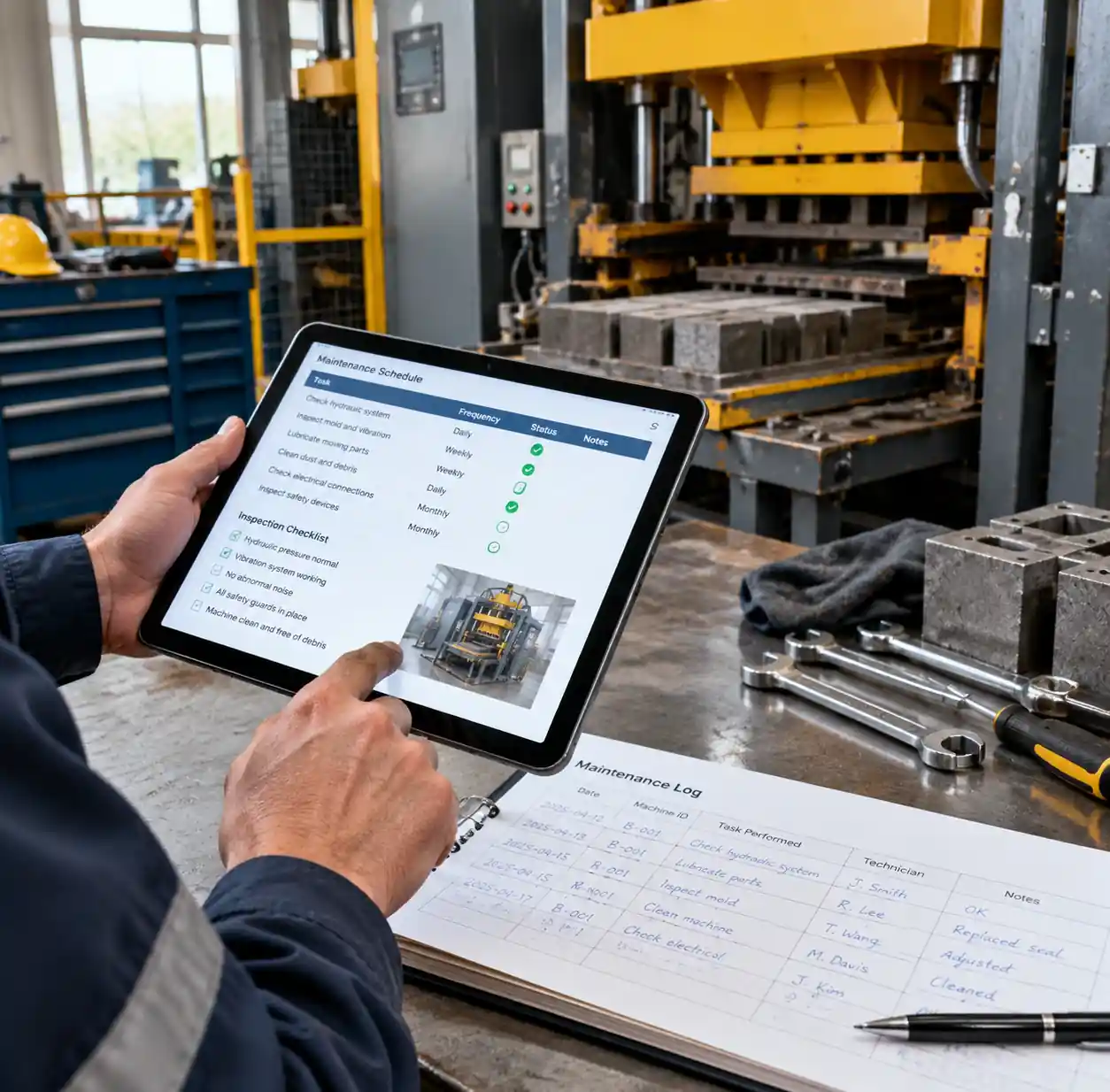
Block making machines require regular maintenance to sustain productivity. Budget 5-7% of equipment value annually for maintenance, repairs, and eventual component replacement. Financing that consumes all available cash flow leaves nothing for ongoing care, risking equipment failure and production disruption.
Choosing Financing Based Solely on Monthly Payment
The lowest monthly payment often carries the highest total cost. A 10-year term at 12% may offer attractive monthly payments, but you’ll pay nearly as much in interest as the equipment costs. Evaluate total cost and match terms to how long you’ll productively use the equipment.
Часто задаваемые вопросы
How much should I expect to put down on block machine financing?
Most equipment lenders require 10-20% down payment. Strong credit may reduce this to 10%, while limited credit history might push requirements to 25-30%. Some manufacturer programs offer zero-down financing, though this typically comes with higher interest rates or shorter terms.
Can I finance used block making equipment?
Yes, though terms differ from new equipment financing. Lenders typically finance 60-80% of used equipment value versus 80-90% for new machines. Interest rates run 1-2% higher, and terms are shorter—usually 3-5 years maximum depending on the equipment’s age and condition.
What credit score do I need for equipment financing?
Most conventional equipment lenders prefer business credit scores of 650+. Scores of 700+ typically qualify for optimal rates. Some specialized lenders work with scores as low as 580, though you’ll face higher rates and stricter terms.
How long does equipment financing approval take?
Simple equipment loans can be approved in 24-48 hours for businesses with strong credit and complete documentation. More complex transactions or marginal credit situations may take 1-2 weeks. SBA loans typically require 45-90 days from application to funding.
Can I finance multiple machines or a complete production line?
Yes, lenders regularly finance complete production setups. The application process remains similar, though larger loan amounts require more detailed financial documentation and business projections. Some lenders specialize in turnkey block plant financing, handling the entire project from site preparation through equipment installation.
What happens if I can’t make my equipment loan payments?
Equipment loans are secured by the machine itself. Defaulting can result in repossession, severely damage your business credit, create potential personal liability if you provided a personal guarantee, and leave you owing the difference if sale proceeds don’t cover the remaining balance. Contact your lender immediately if you anticipate payment difficulties—many will work with you to restructure terms rather than pursue repossession.
Заключение
Financing your block machine purchase strategically preserves working capital while enabling production capacity growth. The right financing structure depends on your specific situation: cash flow characteristics, tax position and ability to use depreciation benefits, long-term equipment plans and upgrade timeline, and overall business growth strategy.
Equipment loans build equity and work best when you plan long-term ownership. Leasing provides flexibility and lower payments, ideal if you may upgrade or if cash flow is constrained. SBA programs offer favorable terms but require patience and documentation. Manufacturer financing streamlines the process and accommodates startup situations.
Take time to understand total project costs, shop multiple lenders for competitive terms, and structure financing that leaves comfortable cash flow margins. Your block machine should generate returns that justify the investment while maintaining financial flexibility to manage business challenges.
Raytone Block Machinery works with customers worldwide to structure equipment acquisitions that make business sense. Whether you’re evaluating automatic production systems or semi-automatic solutions, understanding your financing options positions you to make confident, informed decisions that support long-term success in block manufacturing.