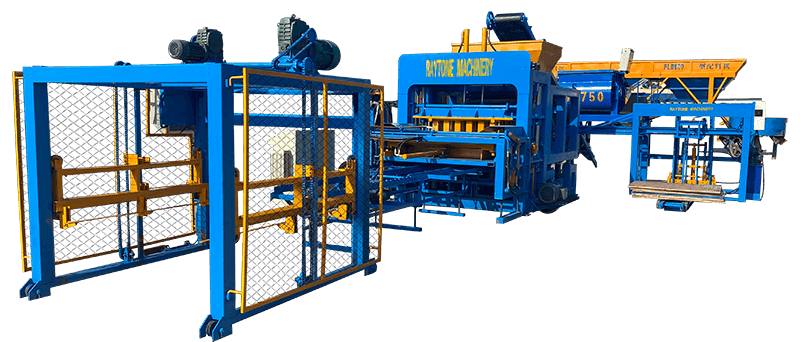






The global construction industry consumes over 1.4 trillion bricks annually, with interlocking brick technology capturing an increasing share. Interlocking brick machines eliminate mortar, reduce construction time by 30-50%, and cut building costs by 20-30% compared to traditional masonry. These advantages position interlocking brick production as one of the highest-demand opportunities in modern construction equipment.
For manufacturers and construction material suppliers, interlocking brick machines align with three powerful market forces: the global affordable housing shortage affecting over 1.6 billion people, accelerating demand for sustainable construction, and the industry’s shift toward faster, more efficient building systems.
This guide examines why interlocking brick machines have become essential equipment for modern construction material production, covering technical specifications, production economics, and machine selection.
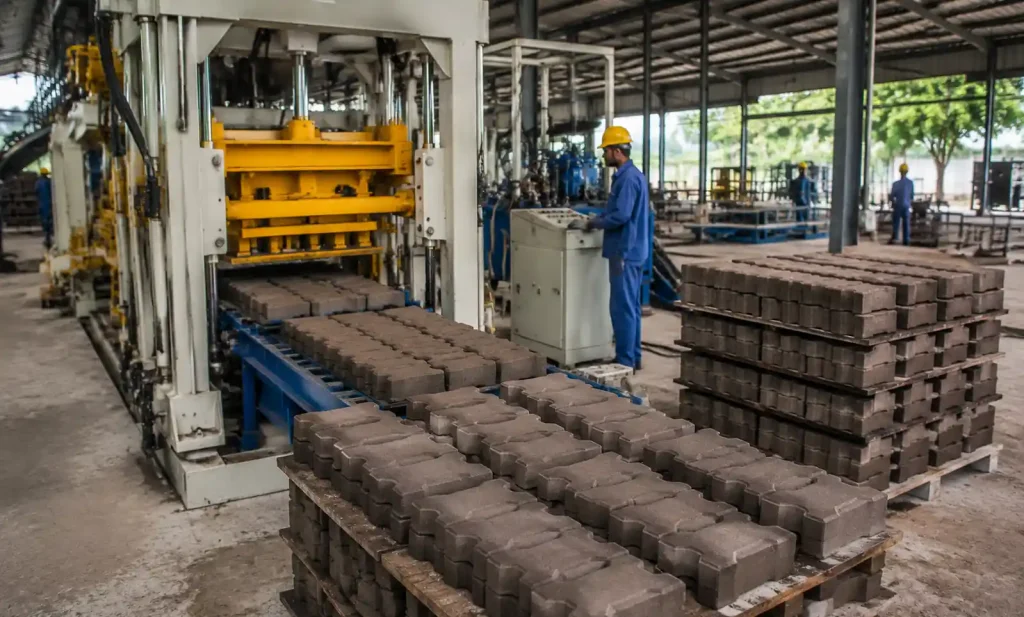
What Are Interlocking Brick Machines?
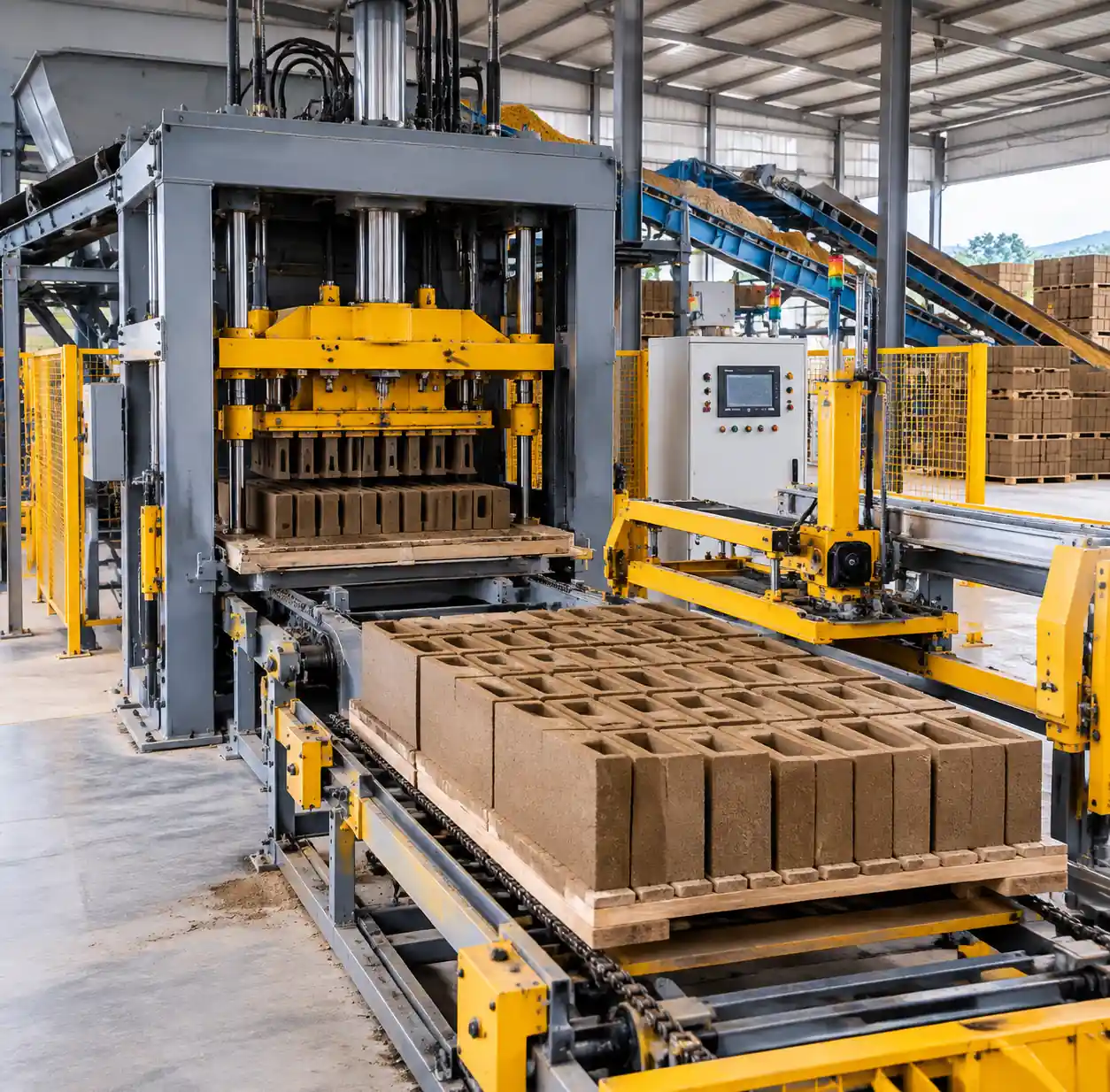
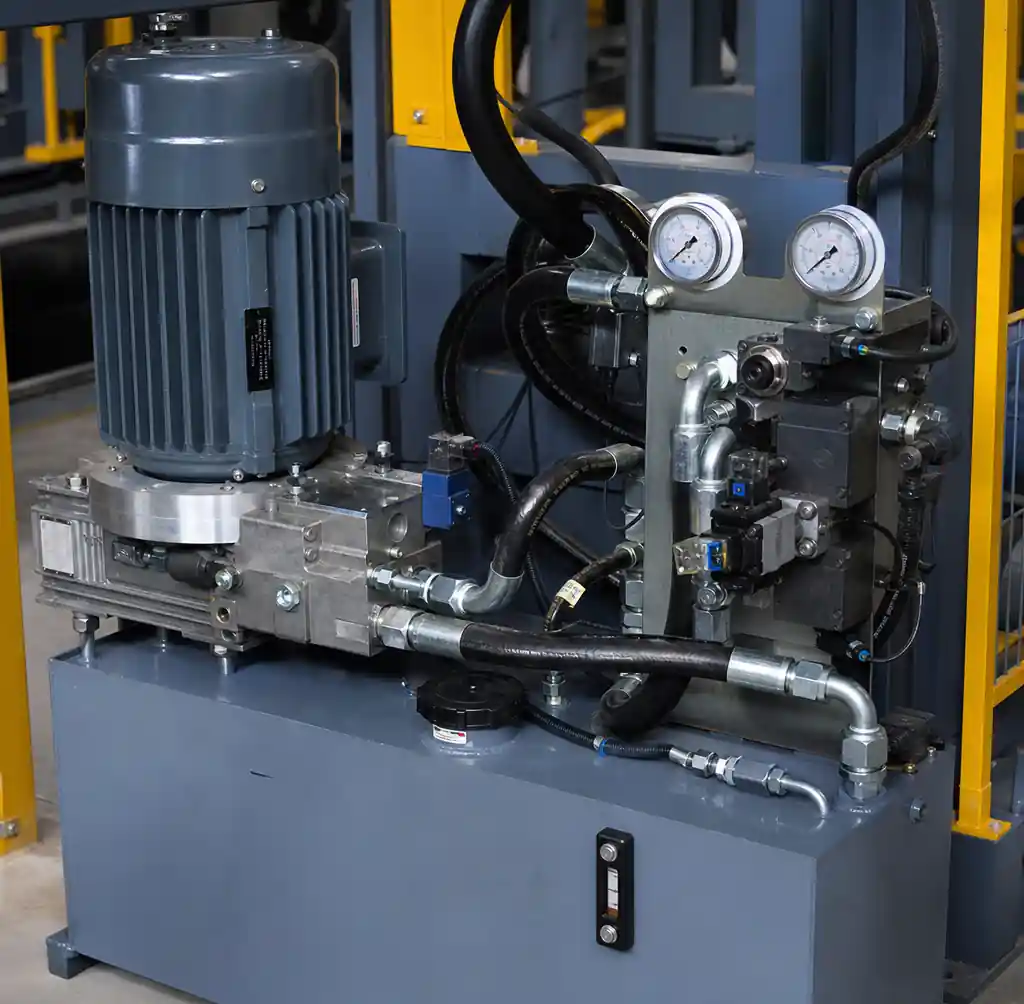
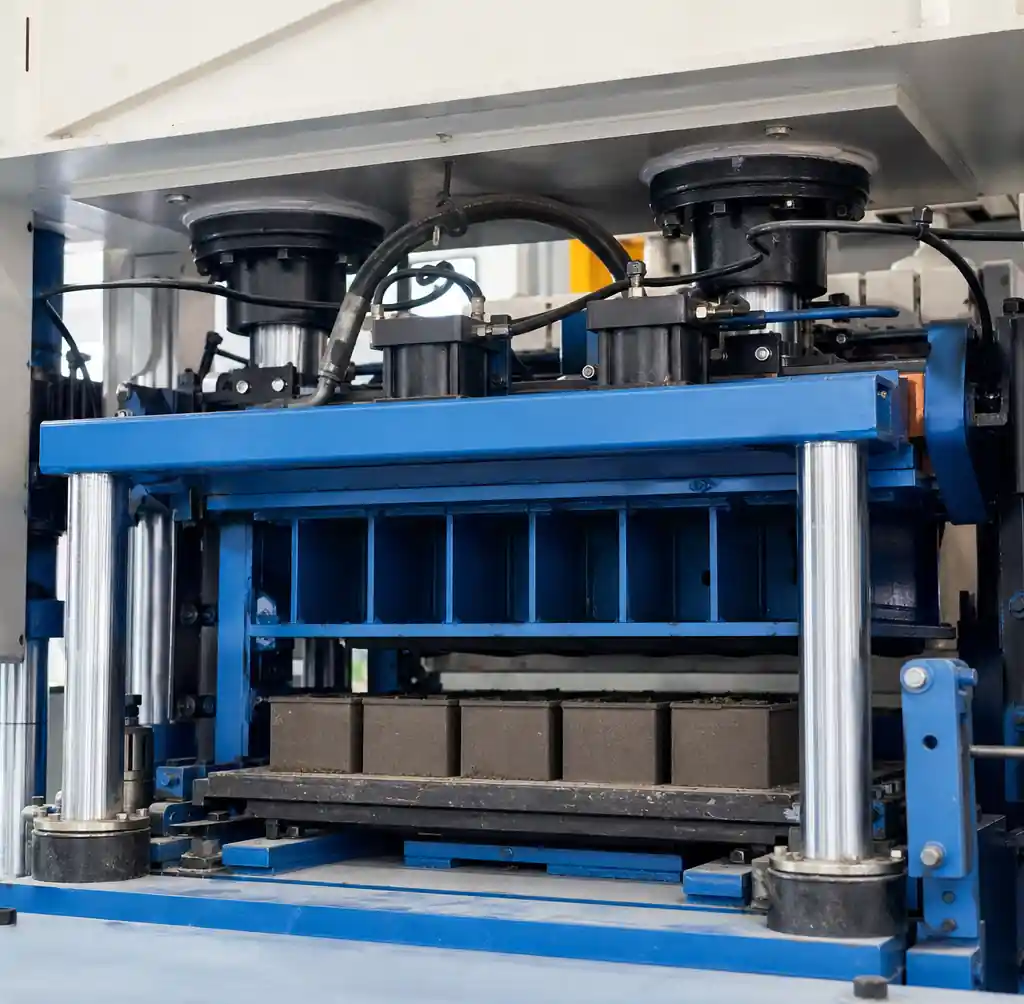
Interlocking brick machines produce specialized blocks with protrusions and recesses designed to fit together mechanically without mortar. The machine compresses a mixture of cement, sand, and aggregates under high hydraulic pressure (15-25 MPa) combined with vibration to form dense, precisely dimensioned blocks with built-in locking mechanisms.
Unlike traditional brick machines that produce standard rectangular blocks requiring mortar joints, interlocking brick machines create blocks that stack together like building blocks. The blocks cure through hydration over 7-28 days rather than kiln firing, eliminating fuel costs and emissions associated with fired clay brick production.
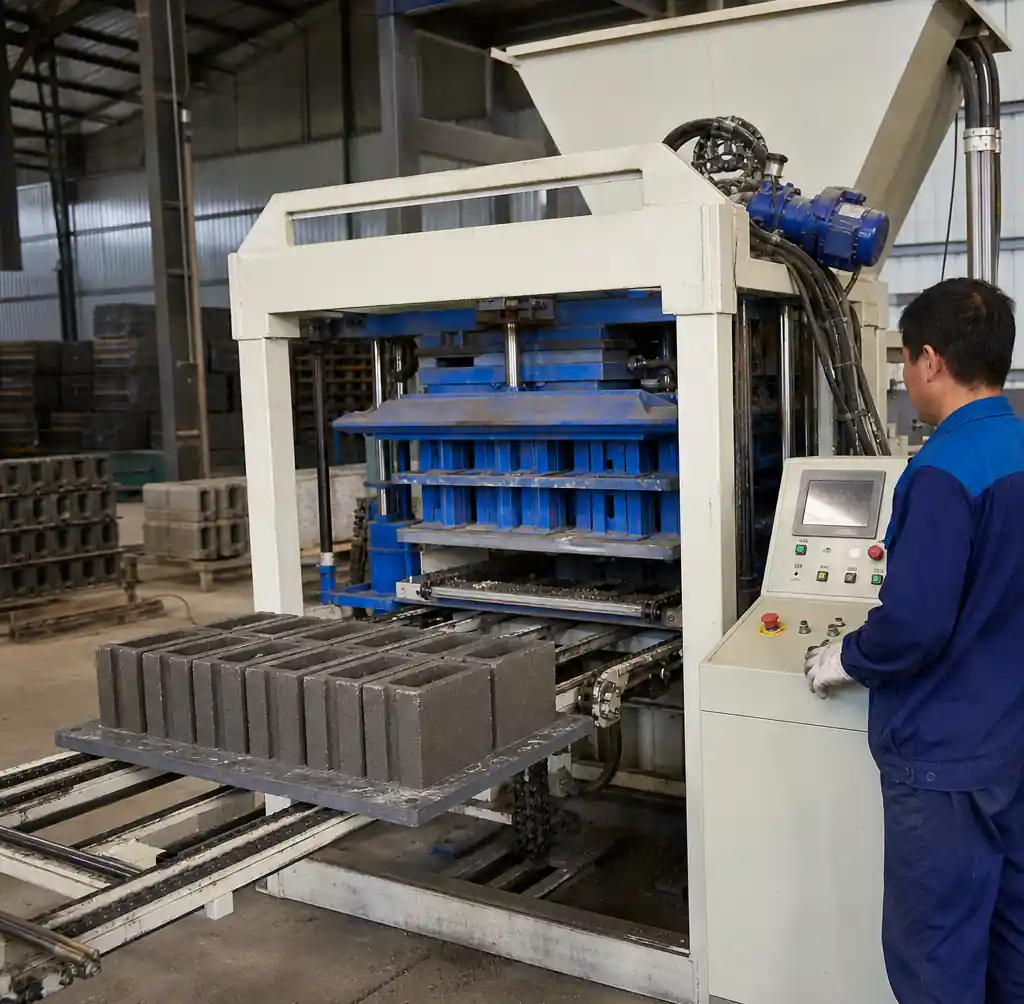
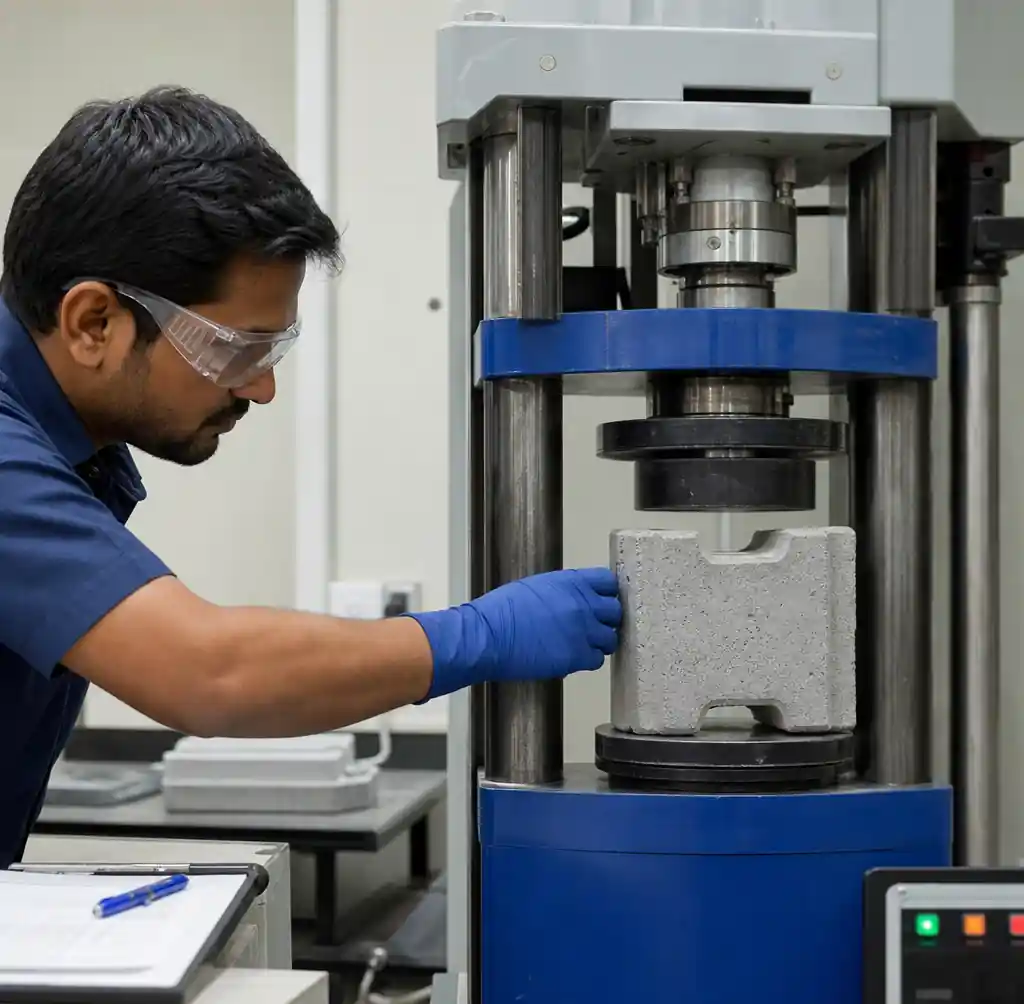
Advanced models integrate PLC control systems that automate pressure application, vibration frequency, and cycle timing, delivering consistent compressive strength between 5-15 MPa and dimensional tolerances within ±2mm.
Why Interlocking Brick Machines Show High Market Demand
Construction Speed Advantages
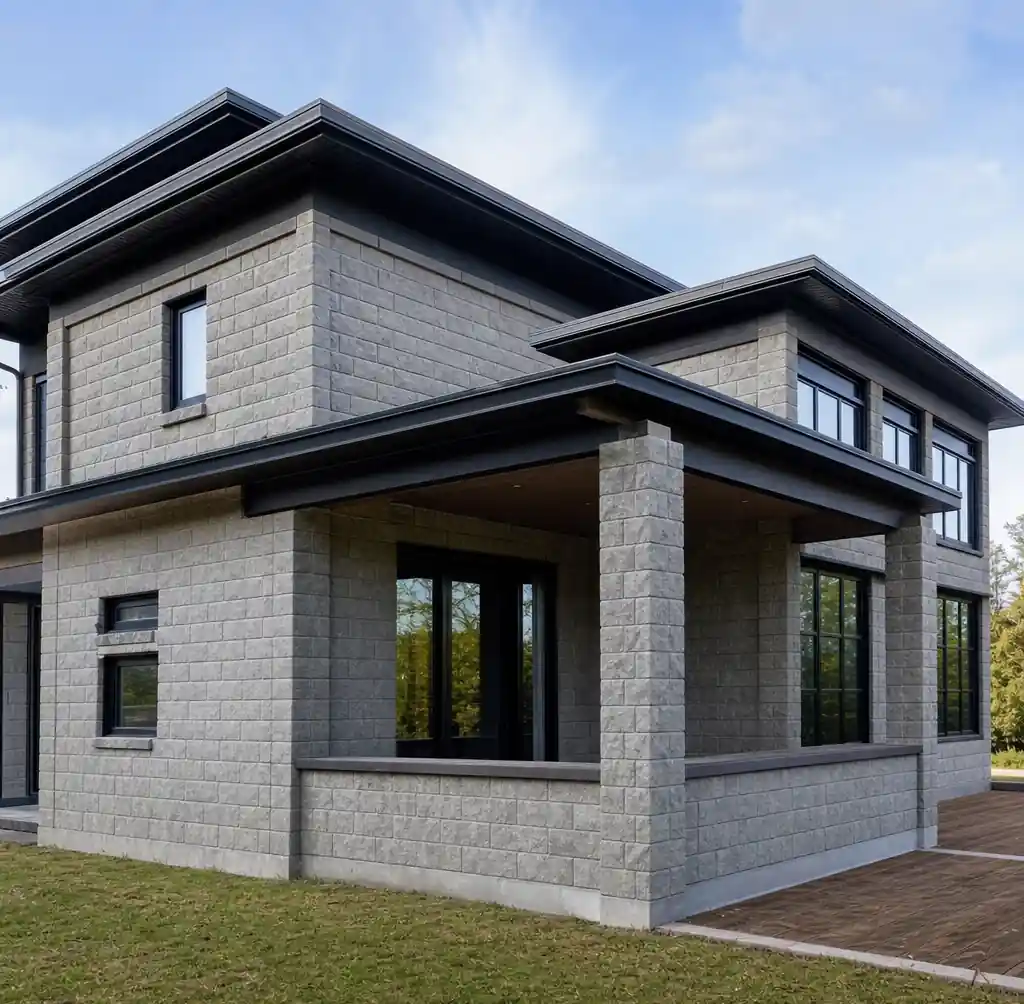
Interlocking brick construction proceeds 3-4× faster than traditional masonry. Skilled masons lay 500-600 traditional bricks daily including mortar application and alignment. The same masons install 1,500-2,000 interlocking blocks per day because mechanical interlocking eliminates mixing, applying, and waiting for mortar to cure.
A 150 sqm residential building requires approximately 15,000-18,000 interlocking blocks. Two masons complete the walls in 8-10 working days versus 25-30 days for traditional construction—directly lowering labor costs and accelerating project completion.
Cost Economics
Raw material costs run 15-20% lower because interlocking construction eliminates mortar cement. A typical residential project using traditional masonry consumes 2.5-3.0 tons of cement for mortar—saving $250-$400 per house at current prices.
Labor costs decrease even more dramatically. Traditional masonry requires skilled masons plus 3-4 laborers per mason. Interlocking installation needs only the mason plus one helper. Total labor cost per square meter drops from $12-15 to $7-9. Construction companies report total building cost reductions of 20-30% when switching to interlocking blocks.
Sustainable Construction Requirements
Traditional brick firing produces 0.4-0.6 kg CO2 per brick. A typical house consuming 15,000 bricks generates 6-9 tons of CO2 emissions just from brick production. Interlocking blocks cure without firing, eliminating these emissions entirely.
Green building certifications like LEED and BREEAM award points for using unfired blocks. Markets with active green building programs show 40-60% higher growth rates for interlocking brick machine sales.
Types of Interlocking Brick Machines
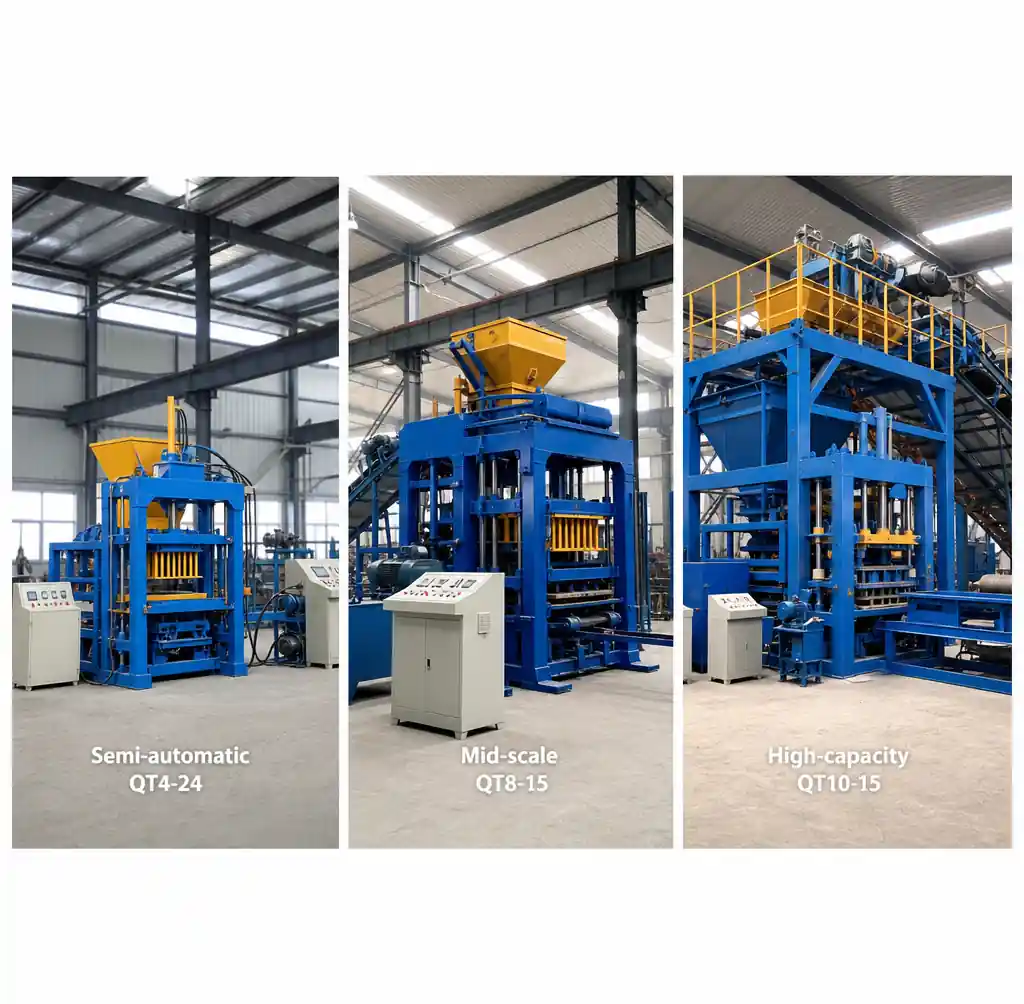
Manual Machines: Basic hydraulic models producing 2,000-4,000 blocks per 8-hour shift with 3-4 workers. Investment: $3,000-$15,000. Suit small-scale production serving local construction projects and rural markets within 50-100 km radius.
Semi-Automatic Machines: PLC-controlled compression and molding while operators handle material feeding and block removal. Production: 6,000-10,000 blocks per shift with 4-5 workers. Investment: $25,000-$60,000. Serve medium-scale regional markets within 150-200 km.
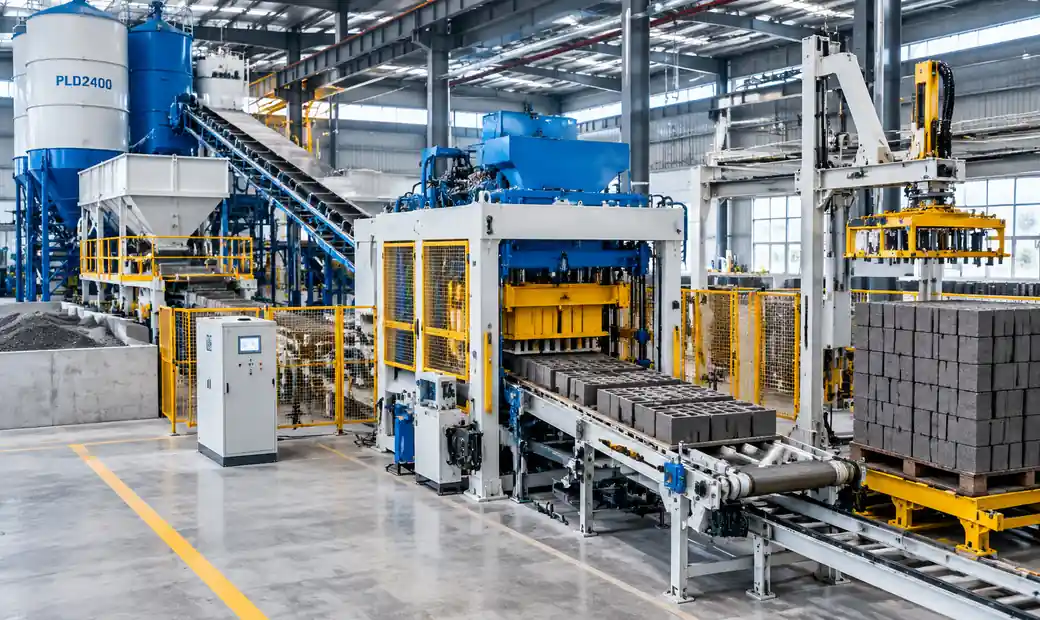
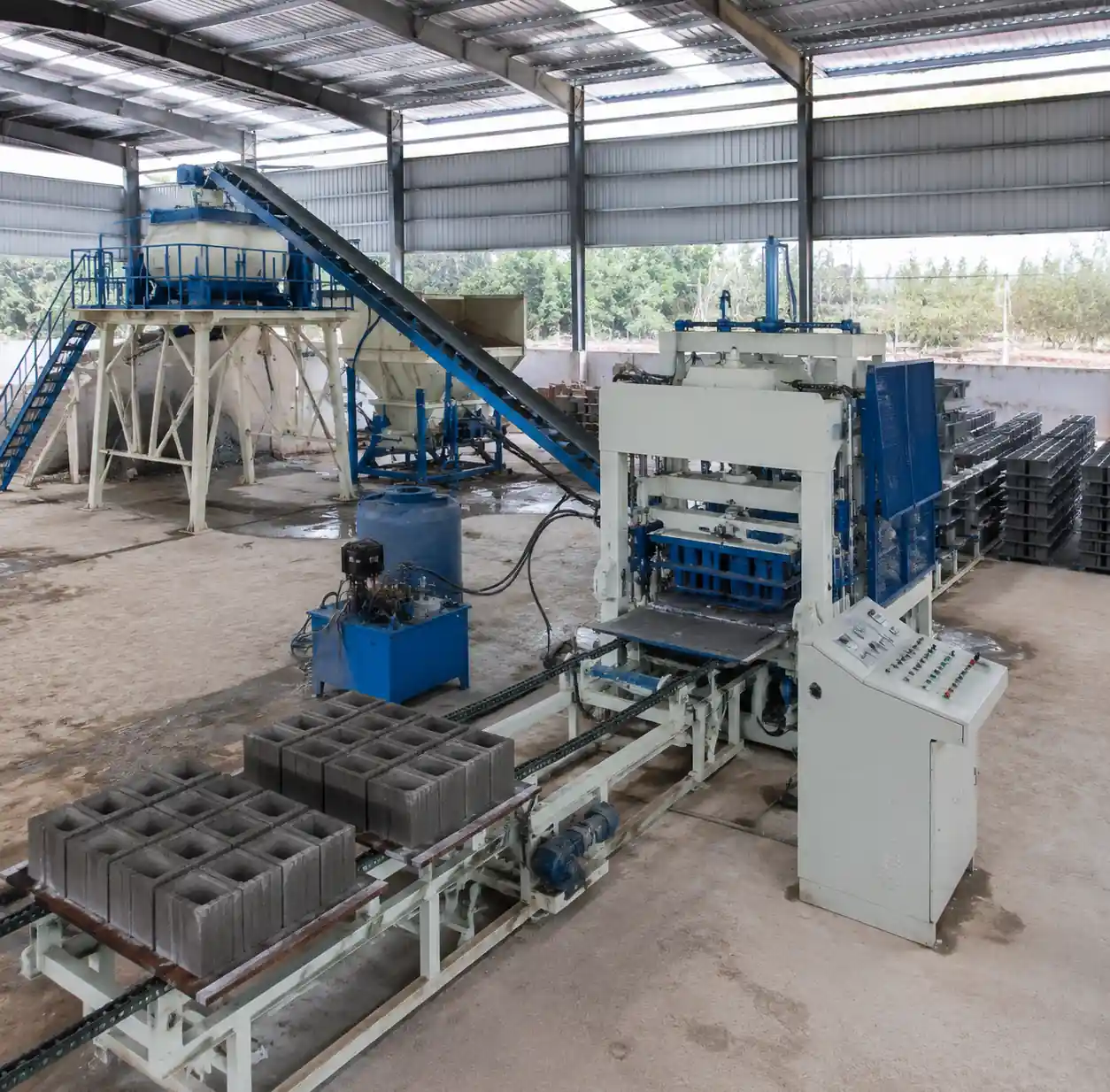
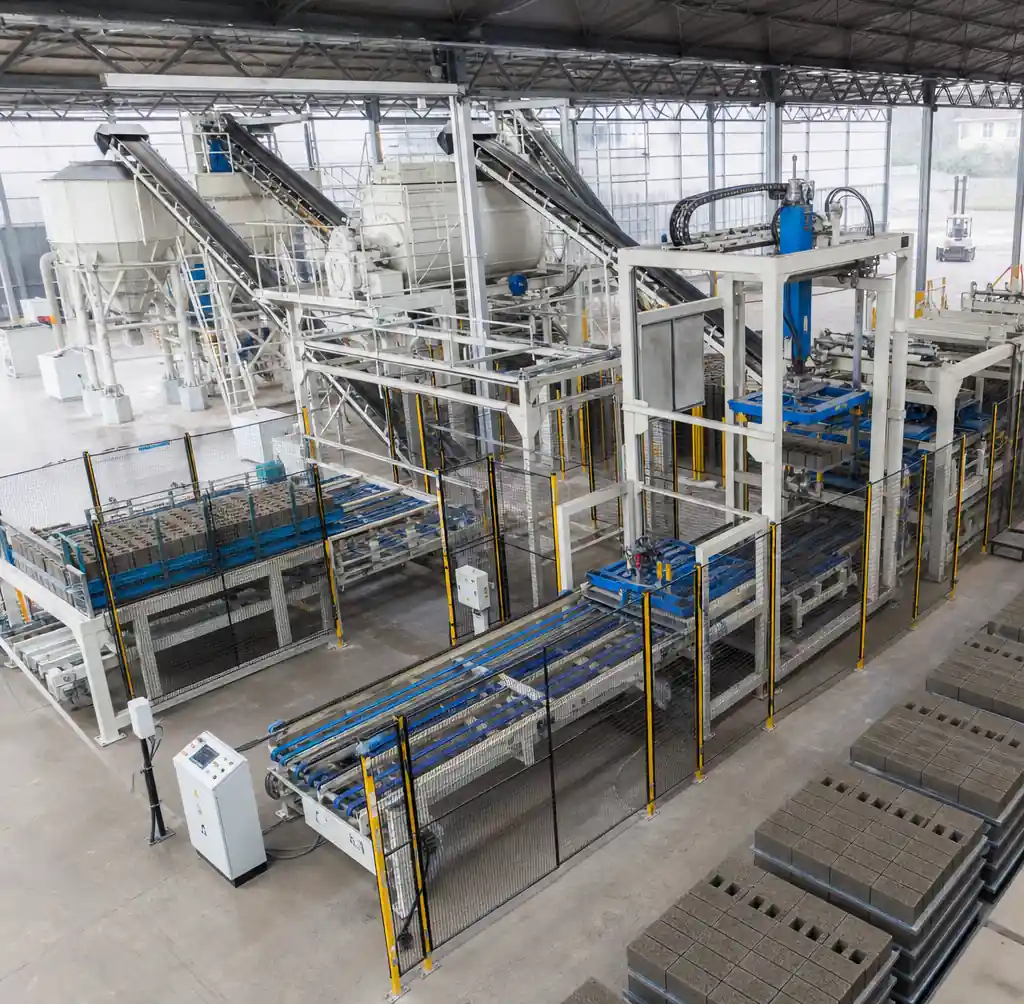
Fully Automatic Lines: Integrated batching, mixing, conveying, and stacking controlled through central PLC. Production: 15,000-35,000+ blocks per shift with 6-8 workers. Investment: $80,000-$300,000. Serve wholesale distribution and large construction projects within 300-500+ km.
Comparing Interlocking vs Traditional Production
| Factor | Interlocking Brick | Traditional Fired Brick |
|---|---|---|
| Production Method | Hydraulic compression + vibration | Clay molding + kiln firing |
| Curing Time | 7-28 days (hydration) | 1-3 days (firing) |
| CO2 per 1,000 blocks | 45-65 kg | 400-600 kg |
| Production Cost per Block | $0.12-$0.18 | $0.15-$0.25 |
| Labor per 1,000 blocks | 1.5-2.5 worker-hours | 3-4 worker-hours |
| Installation Speed | 1,500-2,000 blocks/mason/day | 500-600 bricks/mason/day |
| Mortar Required | None | 2.5-3 tons per house |
| Skilled Labor Requirement | Lower (mechanical assembly) | Higher (mortar mixing/application) |
Production Capacity and Market Sizing
A typical residential house uses 12,000-18,000 interlocking blocks. Commercial buildings consume 40,000-150,000 blocks. Government infrastructure projects may require 200,000-1,000,000+ blocks.
If your target market shows 30 houses under construction monthly plus 2-3 commercial projects, monthly demand approximates 450,000-600,000 blocks. A semi-automatic machine producing 8,000 blocks daily (200,000 monthly) captures 33-40% market share—a viable entry position.
For larger markets, automatic lines producing 25,000-35,000 blocks daily can capture majority market share and establish competitive barriers through volume pricing.
Technical Specifications That Affect Quality
Hydraulic Pressure: Minimum effective pressure runs 15 MPa for standard interlocking blocks. Higher-grade machines applying 20-25 MPa produce denser blocks with 20-30% higher compressive strength. Denser blocks command 15-25% price premiums in markets where contractors specify minimum compressive strength.
Vibration System: Quality machines vibrate at 45-60 Hz with adjustable amplitude, optimally mobilizing cement paste to fill voids while preventing material segregation.
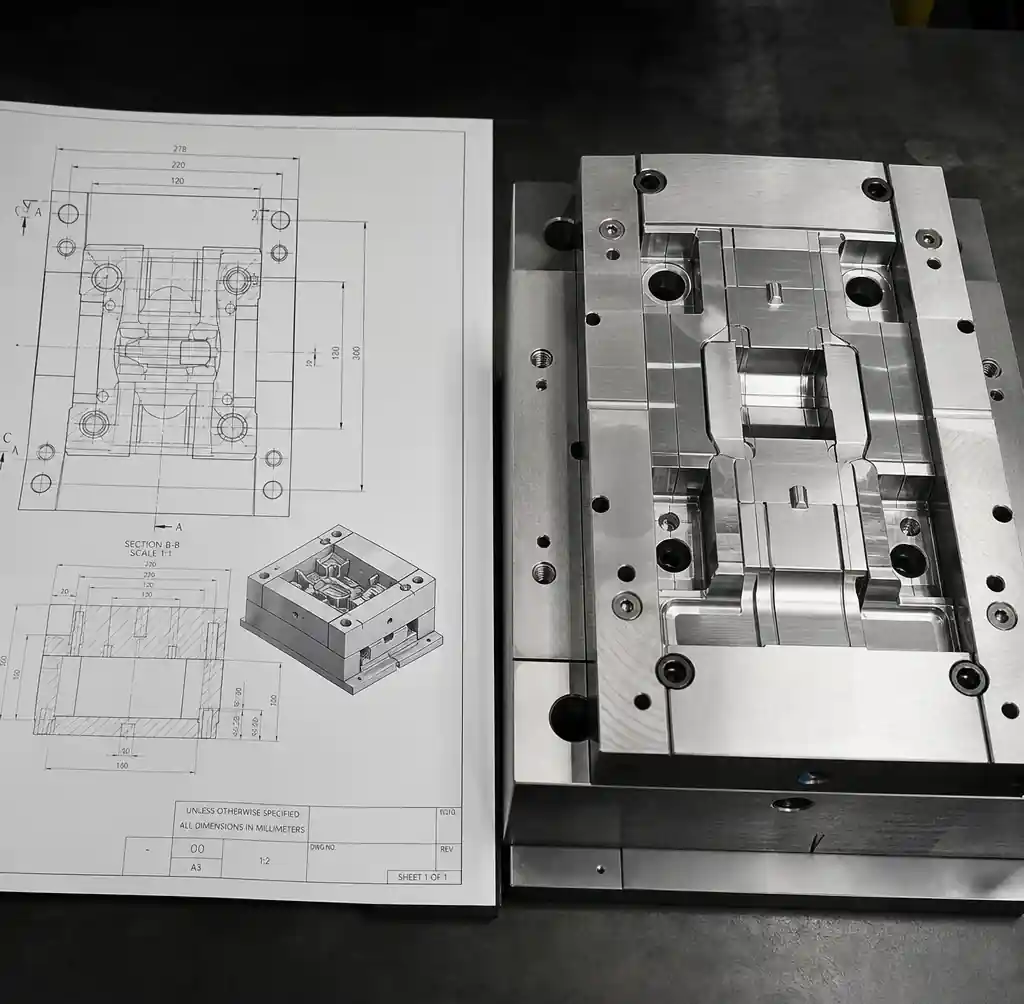
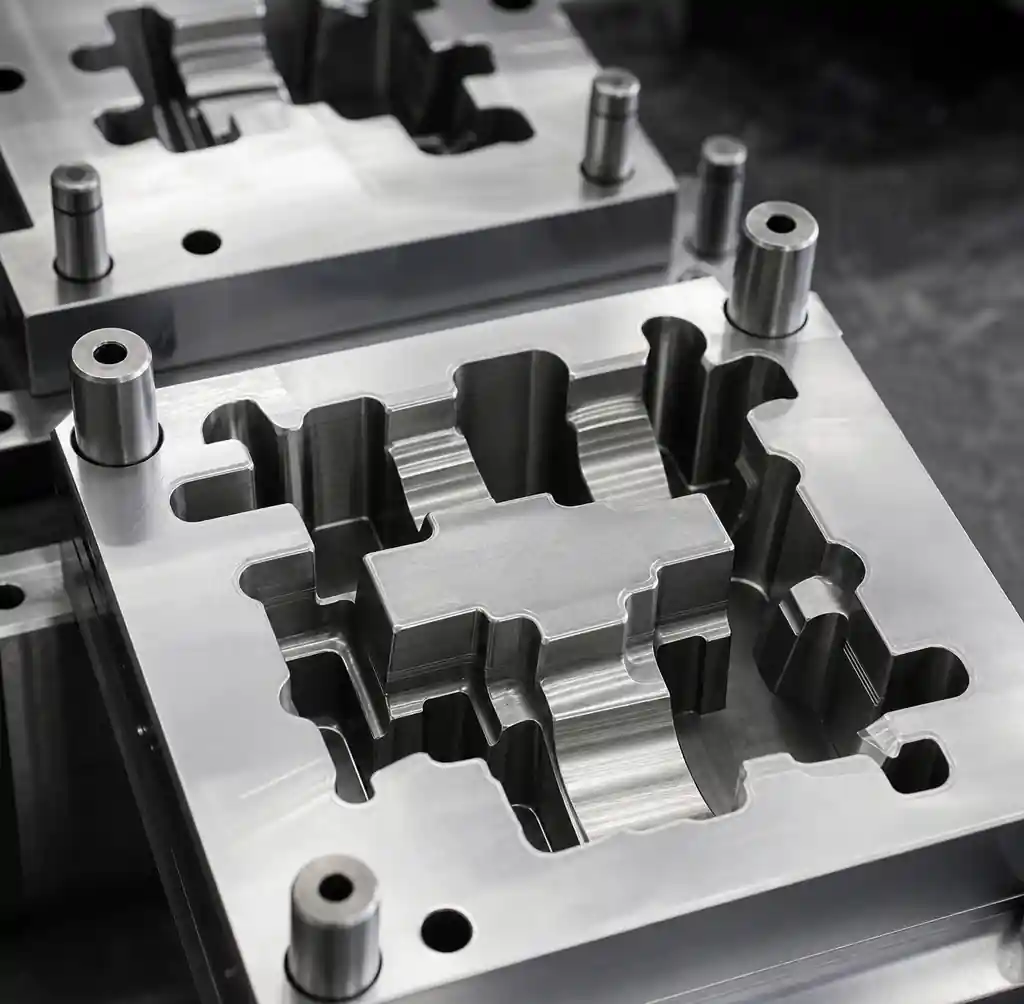
Mold Precision: Interlocking blocks require ±2mm dimensional tolerance. Premium molds use hardened tool steel machined to tight tolerances, lasting 300,000-500,000 cycles. Economy molds last 50,000-100,000 cycles. Mold replacement costs $800-$2,500.
Investment Analysis and ROI
| Scale | Machine Type | Equipment Investment | Working Capital | Total Capital |
|---|---|---|---|---|
| Small | Manual | $8,000-$15,000 | $5,000-$8,000 | $13,000-$23,000 |
| Medium | Semi-Automatic | $35,000-$60,000 | $15,000-$25,000 | $50,000-$85,000 |
| Large | Fully Automatic | $120,000-$280,000 | $40,000-$70,000 | $160,000-$350,000 |
Production costs: raw materials 55-65%, labor 15-20%, depreciation 8-12%, maintenance 3-5%, utilities 4-6%, overhead 5-8%. Gross profit margins: 25-40%.
A semi-automatic operation producing 200,000 blocks monthly at $0.22 average selling price generates $44,000 monthly revenue. With 30% margin, gross profit reaches $13,200. After $5,000 in operating costs, net monthly profit runs $8,000-$8,500.
ROI timelines range from 18-36 months depending on capacity utilization and market conditions. Achieving 75%+ utilization typically delivers ROI within 20-24 months.
Selecting the Right Machine
Demand Validation: Secure confirmed purchase commitments from 3-5 customers totaling 100,000-150,000 blocks before semi-automatic investment. For automatic lines, secure contracts totaling 400,000-600,000 blocks before purchase.
Quality vs. Price: Semi-automatic machines range from $28,000 to $65,000 for similar capacity. Price variation reflects hydraulic component quality, PLC systems, mold materials, and structural durability. Lower-priced machines work for non-demanding markets, but commercial and government projects need blocks meeting technical specifications requiring quality equipment.
Automation Level: Choose based on labor economics. In markets with $300-$500 monthly labor, manual machines make sense. Where labor runs $800-$1,200+ monthly, semi-automatic or automatic machines recover additional investment through labor savings within 12-24 months.
Raytone Block Machinery manufactures interlocking brick machines spanning manual to fully automatic production lines with technical support and parts availability. Equipment downtime directly converts to lost revenue—a machine offline for 5 days waiting for parts costs $2,000-$4,000 in lost profit.
FAQ
What is the minimum investment to start interlocking brick production?
$13,000-$25,000 including manual machine ($8,000-$15,000), concrete mixer ($2,000-$3,500), molds ($1,500-$2,500), and working capital ($3,000-$6,000). Produces 2,000-4,000 blocks daily for local market.
How long to achieve positive ROI?
18-36 months depending on capacity utilization and pricing. Operations achieving 75%+ utilization typically reach ROI within 20-24 months. Lower utilization extends to 30-36 months.
Do interlocking blocks meet building codes?
Yes, when manufactured to proper specifications. Codes require minimum compressive strength (5-10 MPa for non-load-bearing, 10-15 MPa for load-bearing) and dimensional accuracy. Quality machines easily achieve these standards.
Can one machine produce different interlocking block designs?
Yes, changing molds allows different designs. Mold changeover takes 20-45 minutes. Manual and semi-automatic machines handle multiple types economically. Automatic lines work best dedicated to one or two high-volume designs.
What maintenance do interlocking brick machines require?
Daily: clean molds, check hydraulic oil, lubricate moving parts (15-20 min). Weekly: inspect hoses, check vibration motor bearings, clean electrical contacts (1-2 hours). Monthly: change hydraulic filters, inspect vibration system, check PLC (3-4 hours). Annual overhaul: $800-$2,500 depending on machine type.
Conclusão
Interlocking brick machines represent high-demand production equipment driven by construction industry shifts toward faster, more economical, and sustainable building methods. The technology delivers verified cost reductions of 20-30%, construction speed increases of 3-4×, and elimination of firing emissions—creating strong market pull for interlocking block products.
Machine selection depends on matching production capacity to actual market demand, choosing automation level based on local labor economics, and investing in quality equipment maintaining precision for commercial market acceptance. Capital requirements range from $13,000 for small-scale manual operations to $160,000-$350,000 for automatic production lines.
Successful operations validate market demand before equipment purchase, maintain quality control throughout production, and build distribution networks. Operators following this approach achieve 18-30 month ROI timelines while establishing defensible market positions.