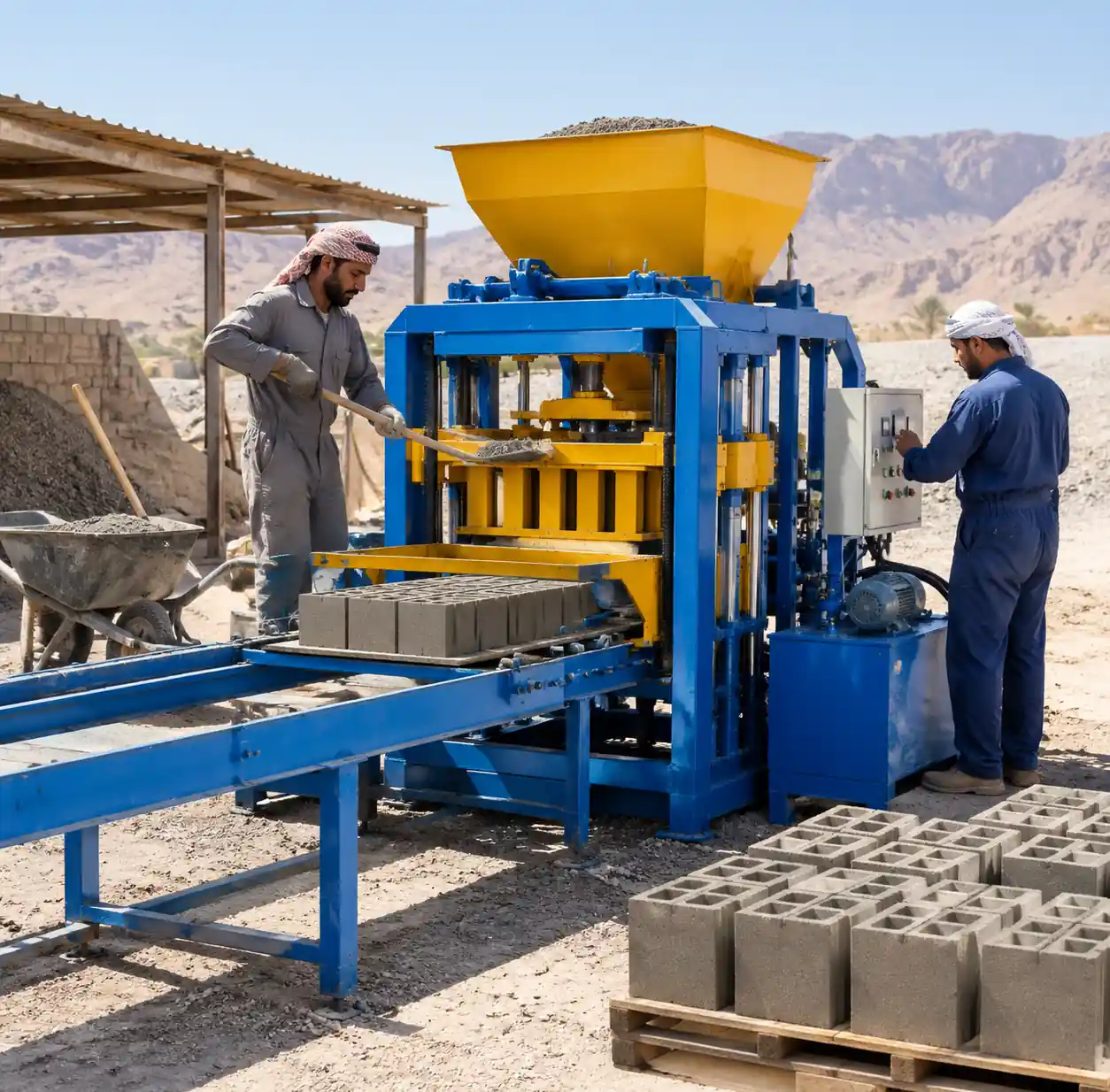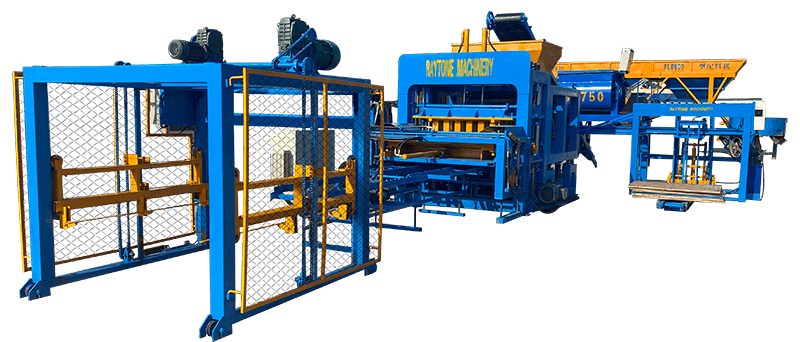
Block manufacturers losing 18-22% of potential output aren’t dealing with equipment failure—they’re fighting invisible bottlenecks in cycle time, material flow, and workflow coordination. A properly optimized production line doesn’t just run faster; it produces 2,800-3,600 more blocks daily without adding shifts or capital equipment.
Production managers running automatic lines producing 8,000-12,000 blocks per shift know the reality: minor delays compound. A 45-second cycle stretching to 60 seconds costs 960 blocks per 8-hour shift. Raw material preparation delays of 3-4 minutes per batch eliminate 480-640 blocks daily. These aren’t dramatic failures—they’re the steady erosion of capacity that separates profitable operations from struggling ones.
Manufacturers implementing systematic cycle time reduction, raw material automation, and workflow optimization consistently achieve 28-35% production increases within 60-90 days. The difference between incremental improvement and transformation? Understanding which bottlenecks actually limit your throughput and applying proven solutions in the correct sequence.
Cycle Time Reduction: The Foundation of Speed Gains
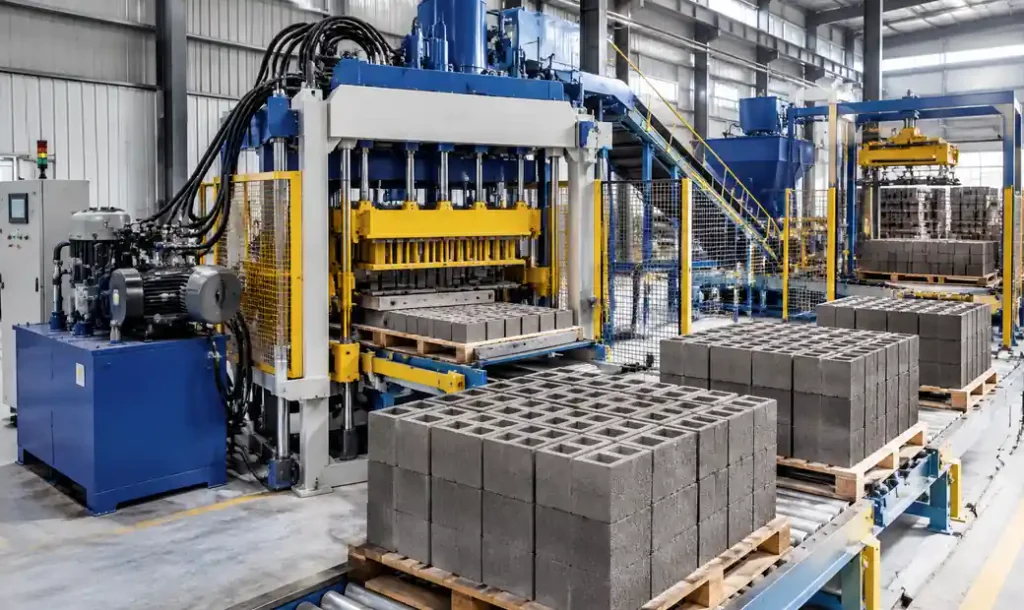
Cycle time—the interval from concrete batching to demolded block—determines your theoretical maximum output. Most automatic block machines ship with 40-50 second factory settings that prioritize reliability over speed, but production-tuned systems consistently achieve 25-35 second cycles without quality loss.
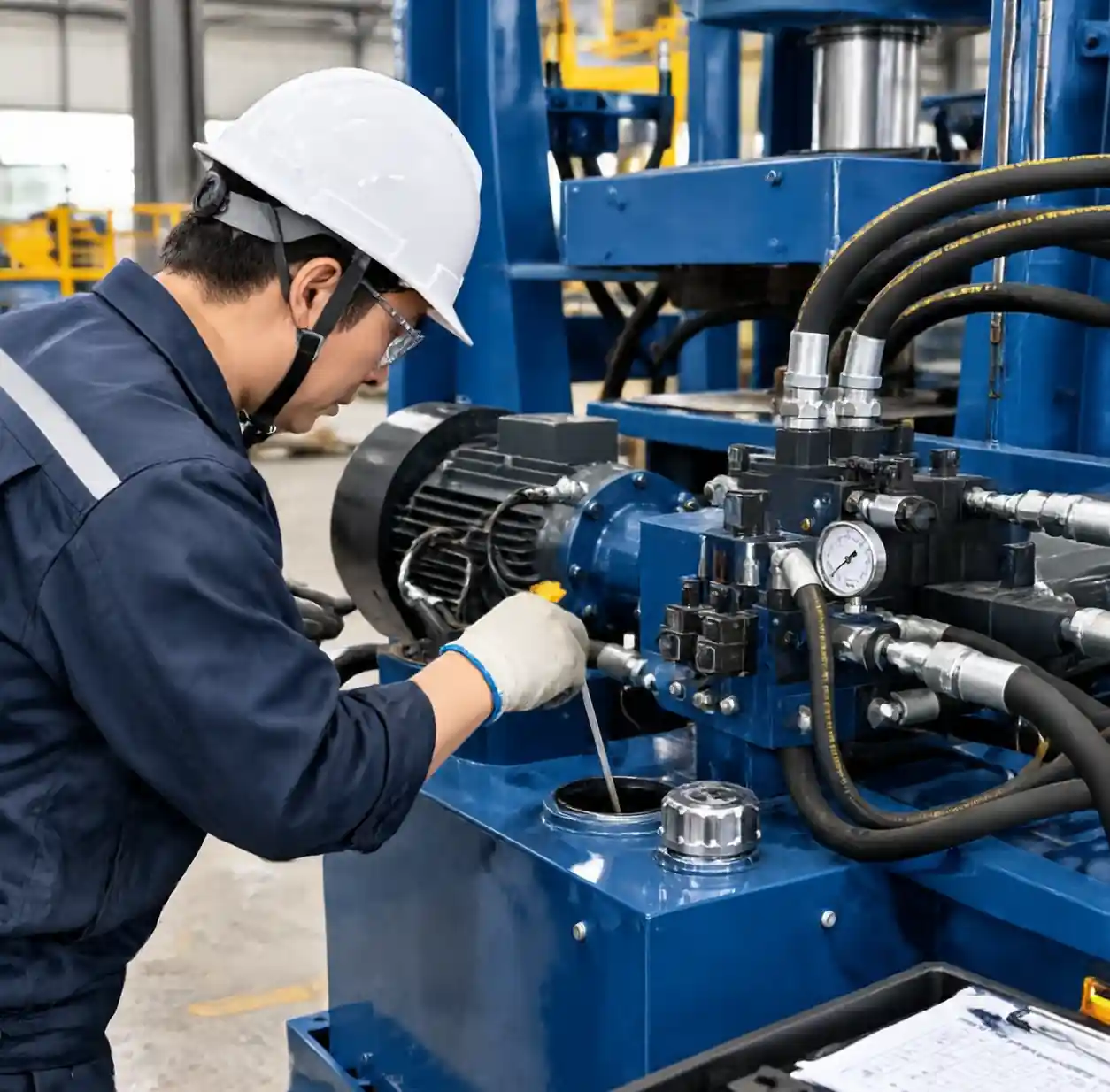
Molding pressure optimization delivers the quickest returns. Standard machines apply 18-22 MPa forming pressure for 8-12 seconds, but properly calibrated systems achieve identical compaction at 24-28 MPa in 5-7 seconds. Increasing hydraulic pressure 25-30% reduces forming time 35-40% while improving block density 3-5%. Monitor hydraulic pump capacity—systems operating above 85% rated capacity experience accelerated wear.
Vibration duration directly affects cycle time and block quality. Wet mixes (6-9% moisture) need 8-12 seconds vibration; dry mixes (4-6% moisture) require 12-16 seconds. Many operators use fixed 15-second settings regardless of mix conditions, wasting 3-7 seconds per cycle. Install moisture sensors on batch mixers and link vibration duration to measured moisture content—automated adjustment saves 4-6 seconds per cycle without operator intervention.
Mold release timing creates hidden delays. Traditional systems wait 2-3 seconds after vibration stops before demolding, but blocks achieve sufficient green strength in 0.5-1.0 seconds. Reducing dwell time from 3 seconds to 1 second adds 480-640 blocks per 8-hour shift. Test by demolding progressively earlier until surface quality degrades, then add 0.5-second safety margin.
| Optimization Area | Standard Setting | Optimized Setting | Time Saved per Cycle | Daily Impact (8hrs) |
|---|---|---|---|---|
| Molding Pressure | 20 MPa, 10 sec | 26 MPa, 6 sec | 4 seconds | +768 blocks |
| Vibration Duration | Fixed 15 sec | Moisture-adaptive 9-13 sec | 3 seconds | +576 blocks |
| Mold Release Dwell | 3 seconds | 1 second | 2 seconds | +384 blocks |
| Pallet Return Time | 8 seconds | 5 seconds | 3 seconds | +576 blocks |
| Batch Mixer Cycle | 95 seconds | 75 seconds | 20 sec per 8 blocks | +192 blocks |
| Total Improvement | 50 sec/block | 35 sec/block | 15 seconds | +2,496 blocks/day |
Raw Material Preparation: The Hidden Bottleneck
Material preparation delays create cascading effects that idle expensive molding equipment. A batch mixer running 15 seconds behind schedule forces the block machine to wait, accumulating 160-240 seconds of downtime per hour. Automated batching systems eliminate 70-85% of these delays while improving mix consistency.
Precision batching through PLC-controlled systems reduces material measurement time from 45-60 seconds to 15-25 seconds. Manual operators weighing aggregates, cement, and additives introduce 8-12% variation between batches; automated systems maintain ±2% tolerance while cutting batching time 60%. The productivity gain isn’t just speed—consistent batching produces uniform blocks that require less quality control intervention.
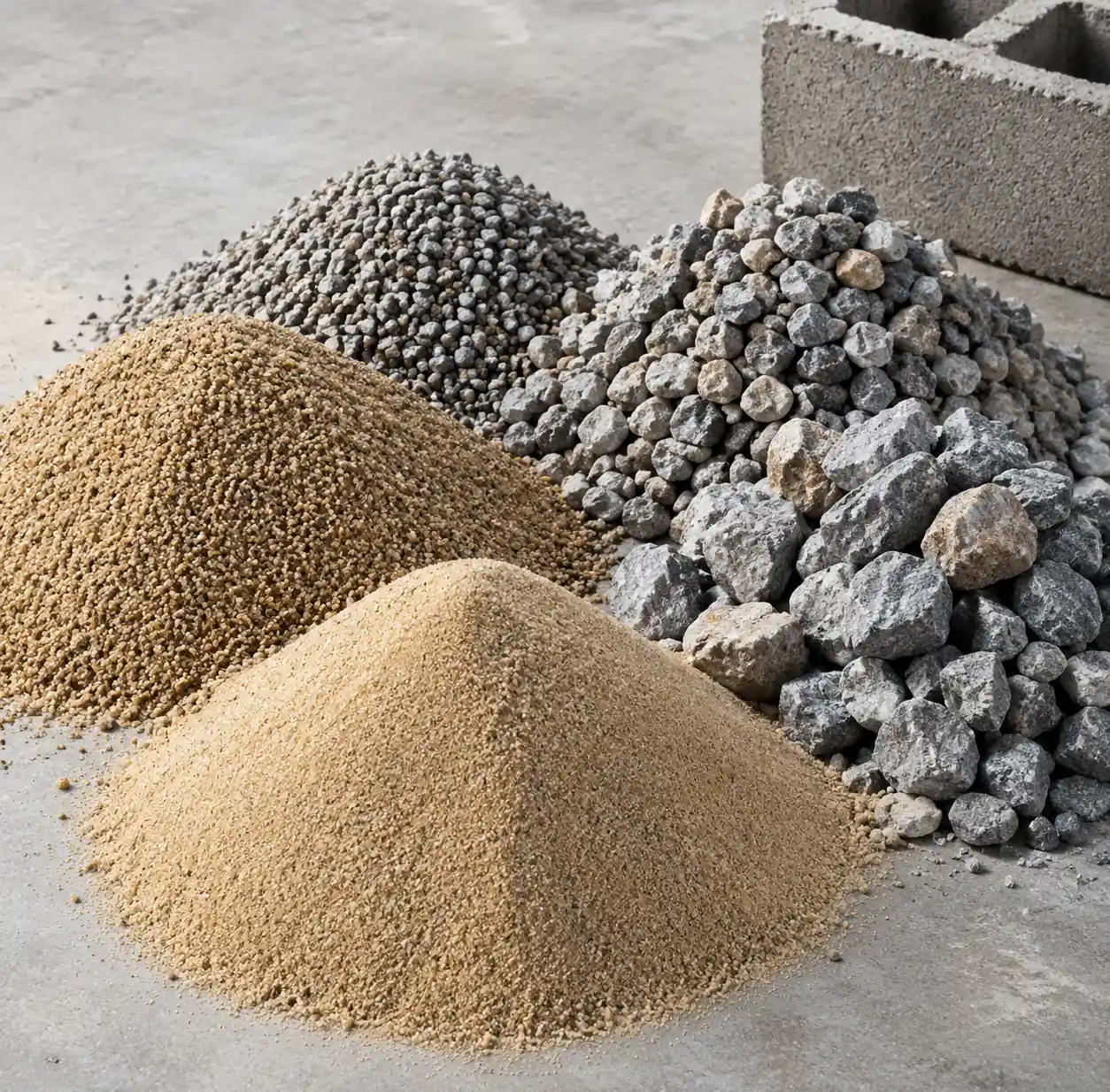
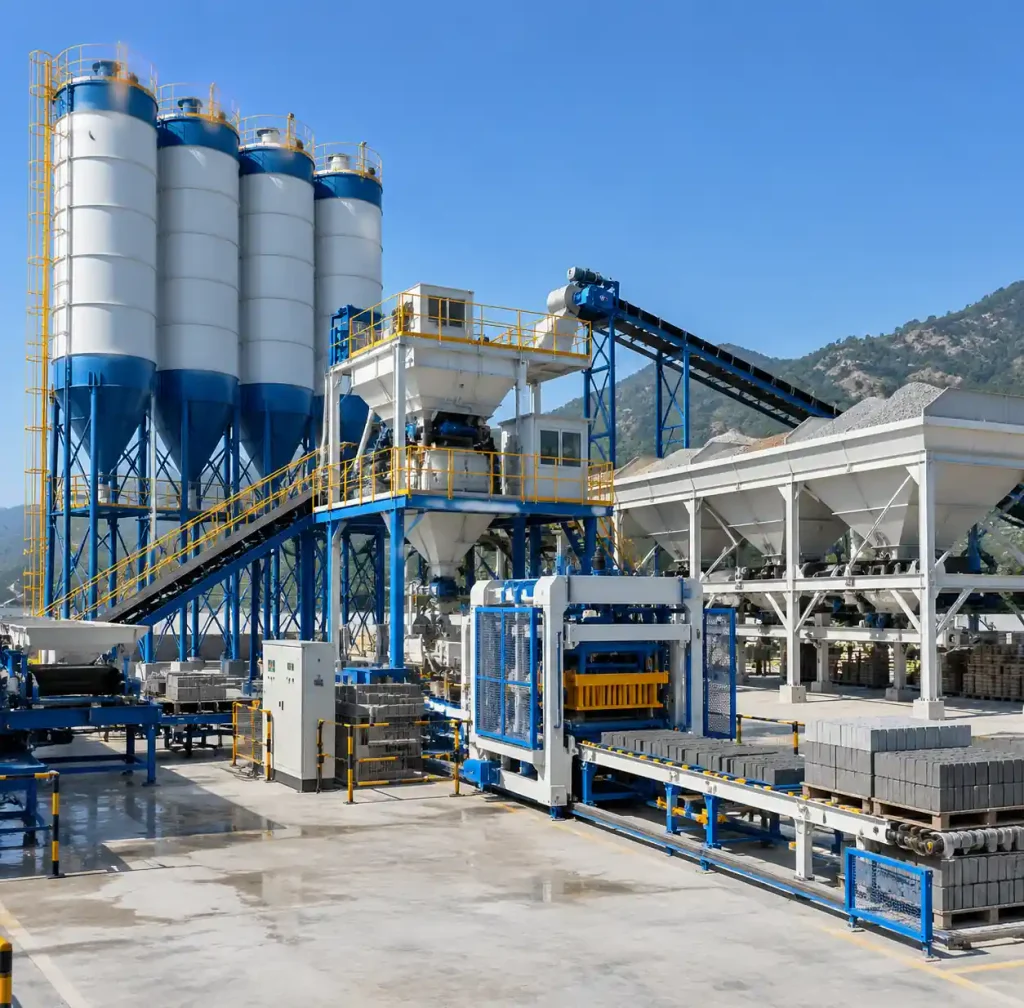
Automated aggregate feeding from overhead silos eliminates manual loading delays. Gravity-fed systems deliver measured quantities directly to mixers in 8-12 seconds versus 30-45 seconds for wheel loaders. Systems processing 2.5-3.0m³ batches every 90 seconds need minimum 40-ton aggregate capacity with dual silos allowing continuous operation during refilling.
Continuous mixing replaces batch-wait cycles with overlapping preparation. Install twin mixers operating on staggered cycles: while mixer A discharges to the block machine, mixer B prepares the next batch. This configuration eliminates 100% of material waiting time, supporting cycle times below 30 seconds. Initial investment of $45,000-$65,000 for dual mixer setup delivers 18-25% throughput increase.
Automation Integration: Eliminating Manual Handling Delays
Manual material handling creates unpredictable delays that prevent consistent high-speed operation. Operators moving pallets, positioning molds, or transferring blocks introduce 12-18 second variability per cycle. Automated systems execute these tasks in fixed 4-6 second intervals, enabling reliable sub-30-second cycles.
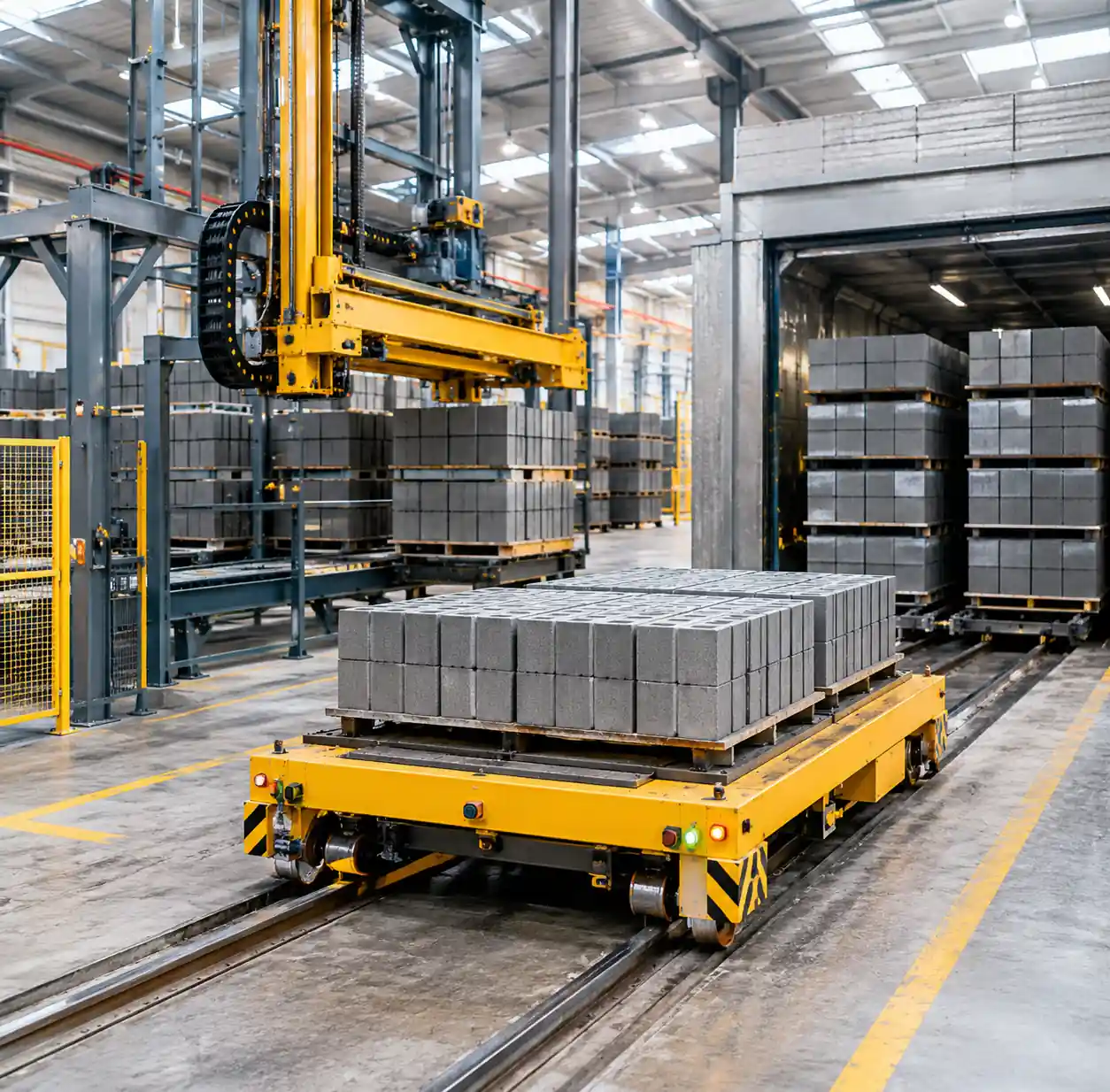
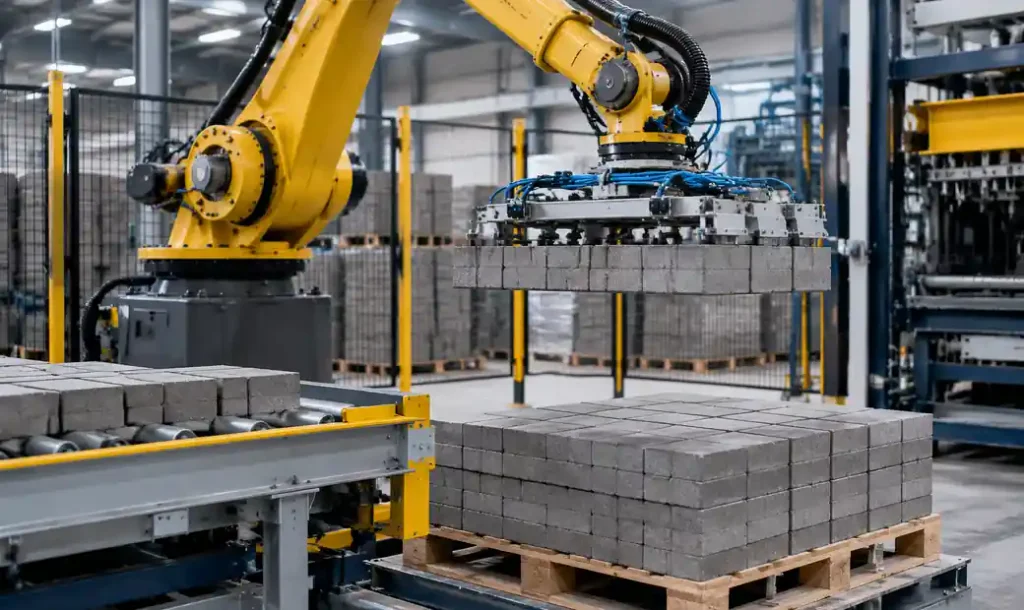
Automatic palletizers eliminate the primary manual bottleneck. Semi-automatic operations require 2-3 workers manually stacking blocks onto pallets, limiting throughput to 800-1,200 blocks per hour regardless of machine capacity. Robotic palletizers handle 2,000-2,800 blocks hourly with consistent placement accuracy, reducing damage from mishandling by 40-60%. Systems with vision guidance adapt to different block geometries without reprogramming.
Pallet circulation systems maintain continuous material flow without operator intervention. Automated conveyors return empty pallets from curing areas to the block machine in 45-60 seconds versus 90-180 seconds for manual forklift transport. Installing 150-200 pallet circuits eliminates waiting for pallet return, supporting production rates above 2,400 blocks per hour.
Integrated curing management through automated stacking and environmental control accelerates strength development. Climate-controlled curing chambers at 35-40°C with 85-90% humidity achieve 70% of 28-day strength in 18-24 hours versus 5-7 days for ambient curing. This capacity multiplication allows the same curing area to support 5-7× higher daily production. Modern systems from supporting equipment providers integrate moisture injection and temperature zones for optimal curing schedules.
Workflow Optimization: Coordination That Multiplies Efficiency
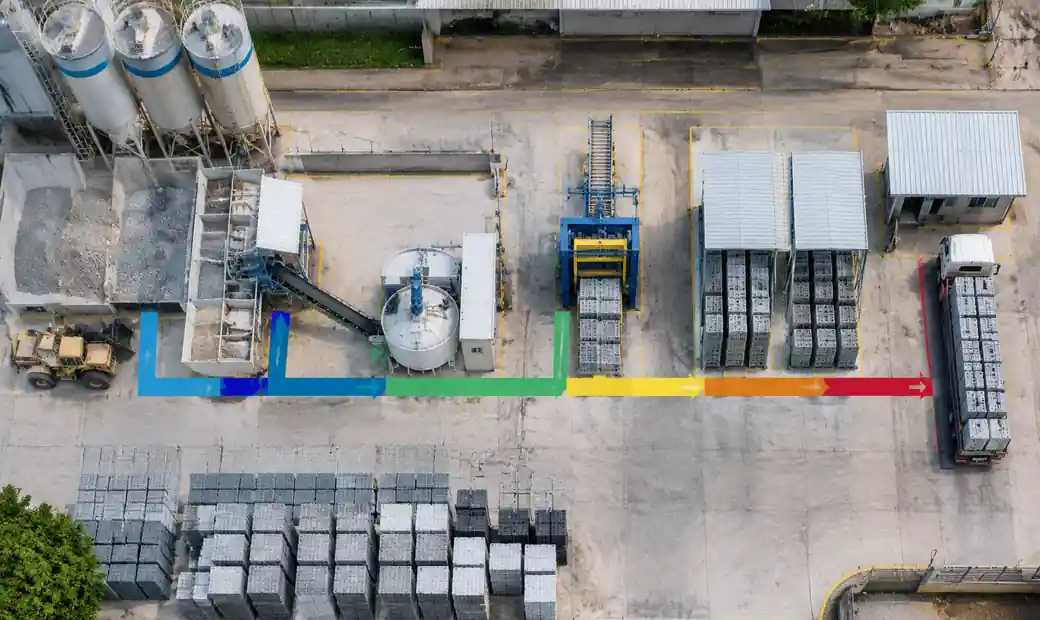
Individual equipment improvements deliver 15-20% gains, but systematic workflow coordination achieves 30-35% increases by eliminating interface delays between process steps. Production lines operate as systems—optimizing one component without addressing downstream bottlenecks shifts the constraint without improving output.
Production scheduling aligned to actual cycle times prevents equipment starvation. Many facilities schedule batch mixing every 90 seconds while the block machine completes cycles in 35-40 seconds, causing periodic material shortages. Synchronize mixer output to molding speed with 8-12% buffer capacity, ensuring material availability during peak efficiency periods.
Preventive maintenance windows scheduled during natural production breaks minimize downtime impact. Rather than stopping for 30-minute maintenance checks during peak operation, coordinate inspections during shift changes, meal breaks, or material deliveries. This scheduling discipline recovers 45-75 minutes of production time daily—equivalent to 900-1,500 additional blocks.
Operator training protocols standardize procedures that eliminate decision delays. Document optimal settings for each block type, mix design, and weather condition. New operators consulting laminated reference cards execute setup changes in 60-90 seconds versus 5-8 minutes for trial-and-error adjustment. Standardization improves quality consistency while reducing cycle time variation from 12-18 seconds to 3-5 seconds.
| Workflow Optimization | Implementation Time | Cost | Production Increase | Payback Period |
|---|---|---|---|---|
| Automated Palletizer | 2-3 weeks | $55,000-$85,000 | 18-25% | 8-14 months |
| Dual Mixer System | 3-4 weeks | $45,000-$65,000 | 15-22% | 10-16 months |
| Pallet Circulation | 1-2 weeks | $12,000-$18,000 | 8-12% | 6-9 months |
| Climate Curing Chamber | 4-6 weeks | $85,000-$125,000 | 25-35% | 12-18 months |
| Process Control System | 2-3 weeks | $8,000-$15,000 | 10-15% | 4-7 months |
Quality Maintenance During Speed Increases
Accelerating production without quality controls creates expensive problems: blocks failing strength tests require disposal or downgrading, customer returns damage reputation, and rework consumes the capacity gains you achieved. Successful speed optimization maintains or improves quality metrics through enhanced process control.
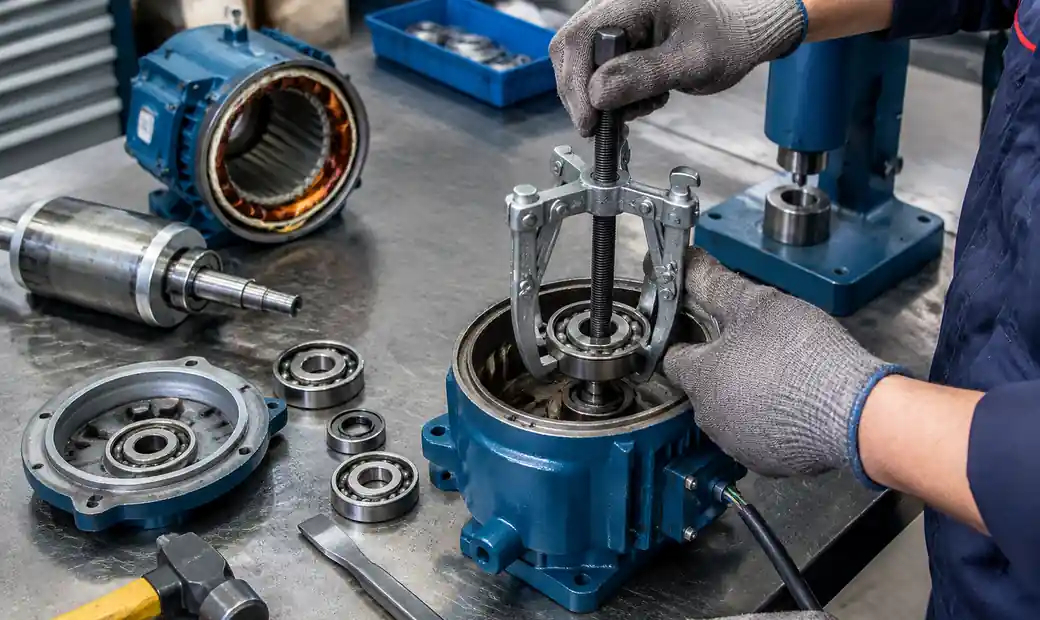
Real-time monitoring catches quality deviations before they produce defective blocks. Install load cells on hydraulic systems monitoring actual forming pressure—variations exceeding ±5% indicate worn seals or cylinder problems requiring immediate attention. Vibration sensors detect motor bearing degradation 48-72 hours before failure, preventing production of weak blocks from inadequate compaction.
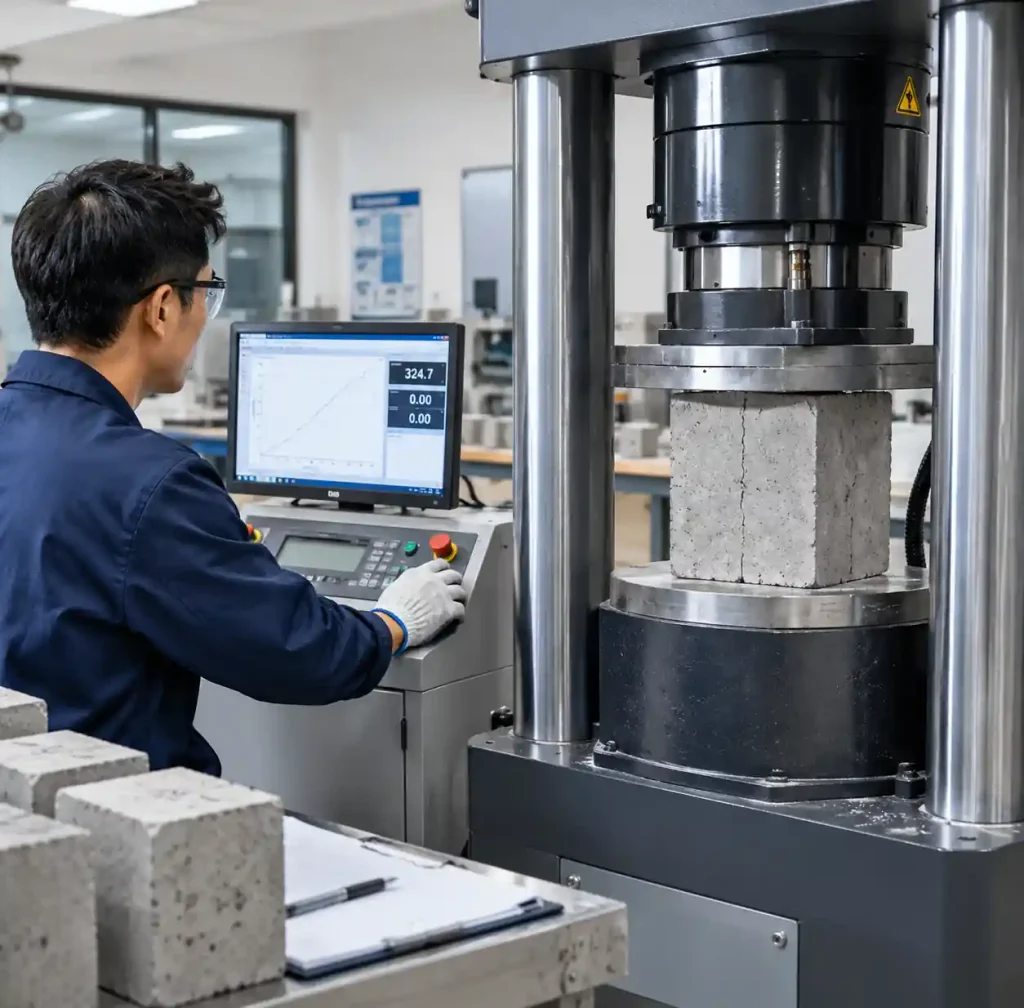
Statistical process control identifies systematic quality drift. Measure crushing strength on 2-3 blocks per 500-unit batch rather than relying on end-of-shift testing. Plot results on control charts showing whether variation stays within ±8% tolerance. Trending toward lower values signals mix proportion problems or equipment wear requiring correction before producing out-of-spec material.
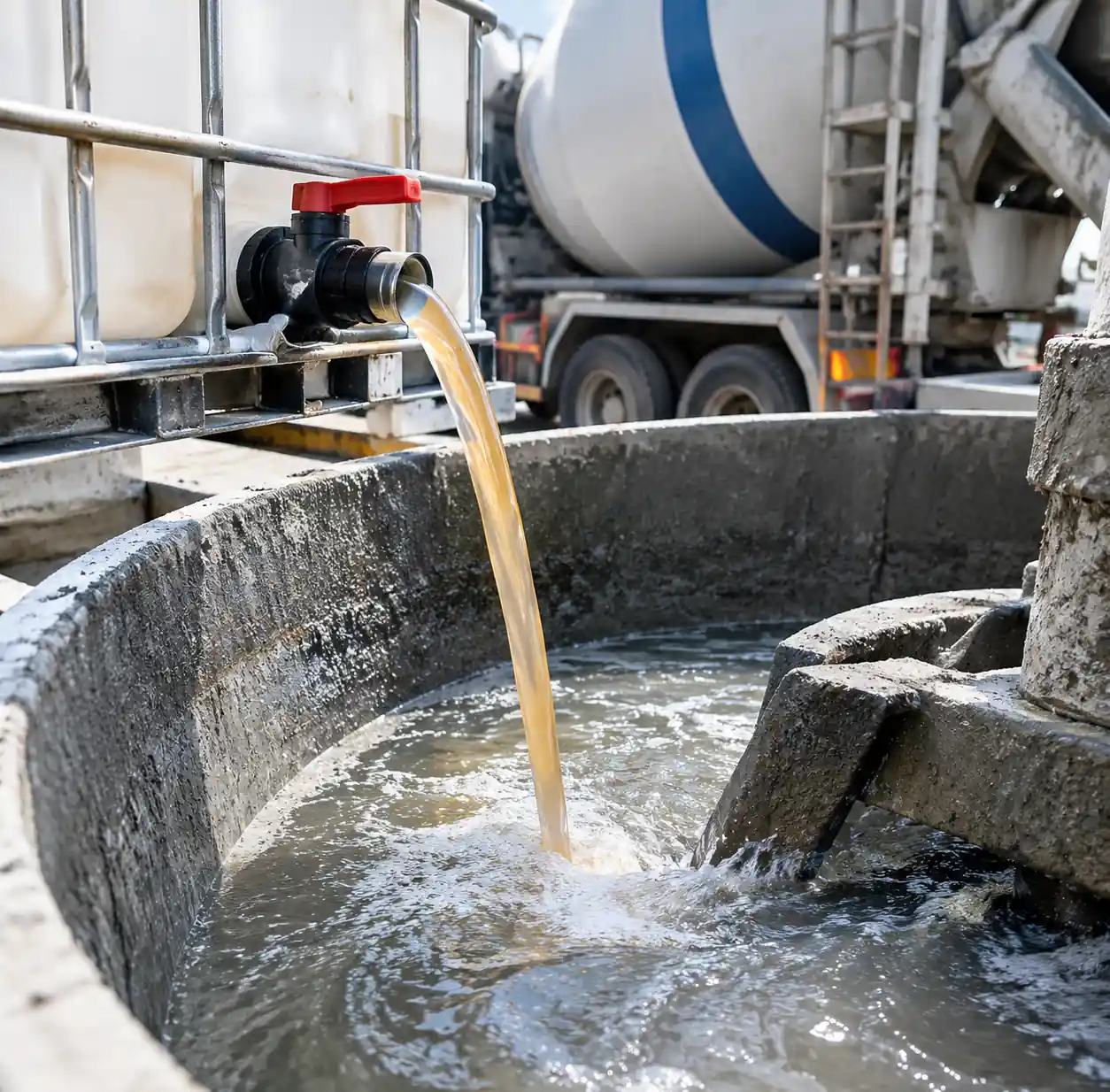
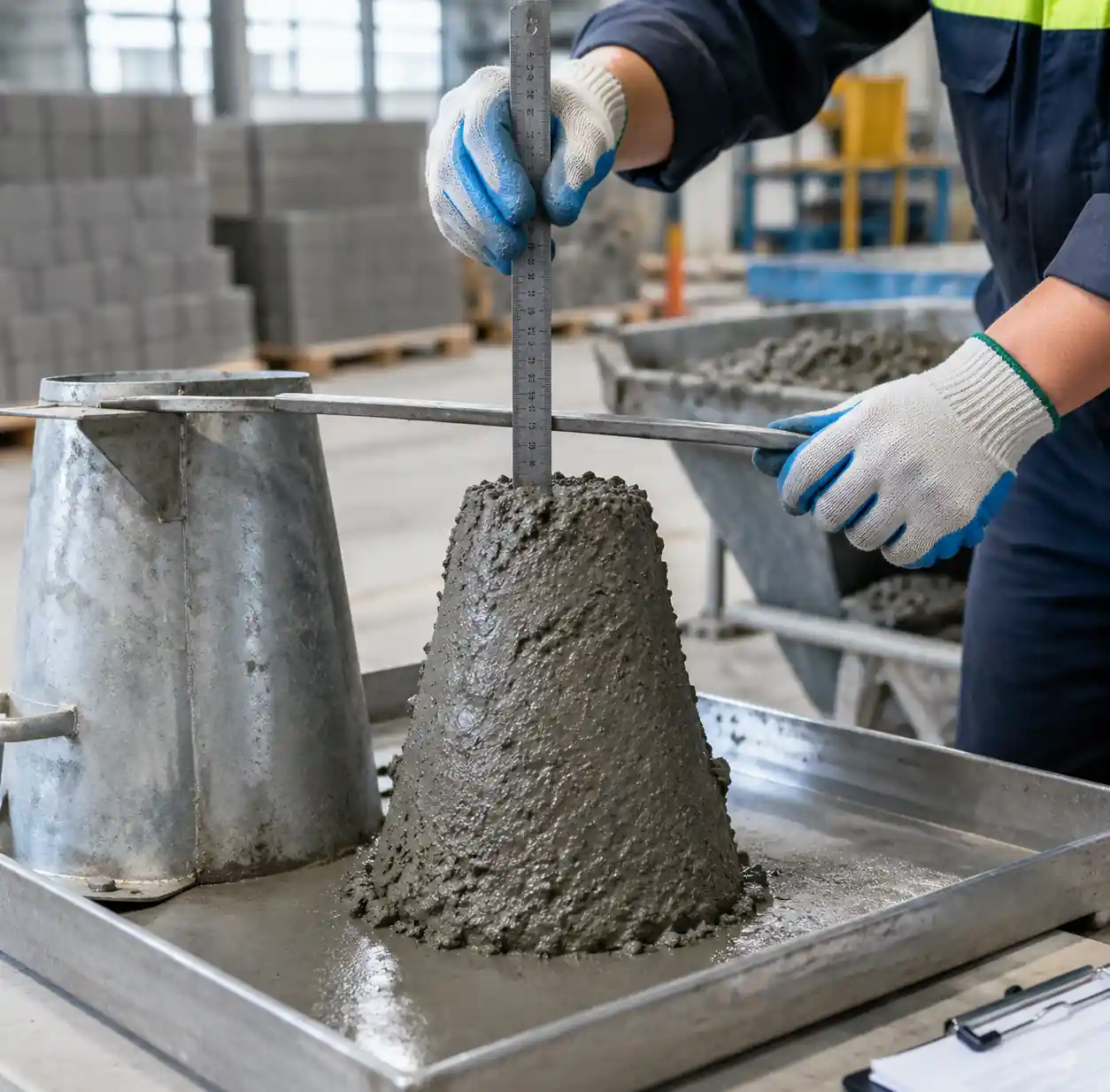
Automated mix adjustment compensates for aggregate moisture variation—the primary cause of inconsistent block quality. Aggregate moisture changes 2-4% throughout the day as ambient humidity varies and stockpiles dry. Systems with continuous moisture monitoring adjust water addition automatically, maintaining target 6-8% mix moisture regardless of input conditions. This precision eliminates the strength variation that forces conservative production speeds.
Implementation Strategy and Continuous Improvement
Achieving 30% production increases requires structured implementation prioritizing quick wins. Start with baseline measurement: document current cycle times and identify specific delays. Implement zero-cost optimizations first—reduce dwell times, adjust vibration duration to mix conditions, eliminate redundant steps. Expected gain: 8-12%.
Next, add material preparation automation: PLC-controlled batching, moisture monitoring with automatic water adjustment, and reorganized material storage. Expected gain: 12-18%. Finally, optimize equipment parameters: test increased molding pressures, reduce pallet indexing time, fine-tune vibration amplitude. Expected gain: 10-15%.
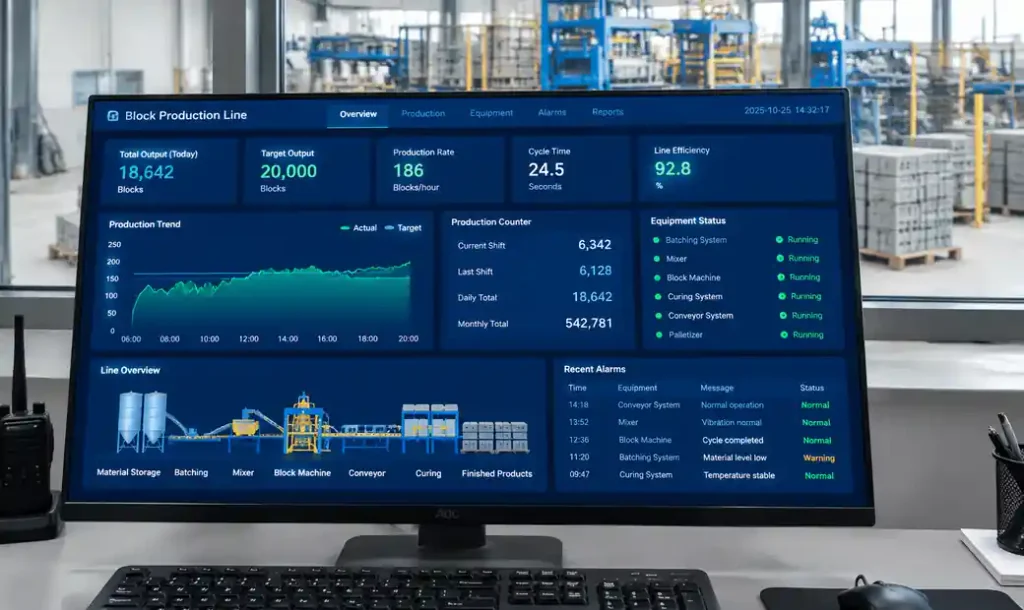
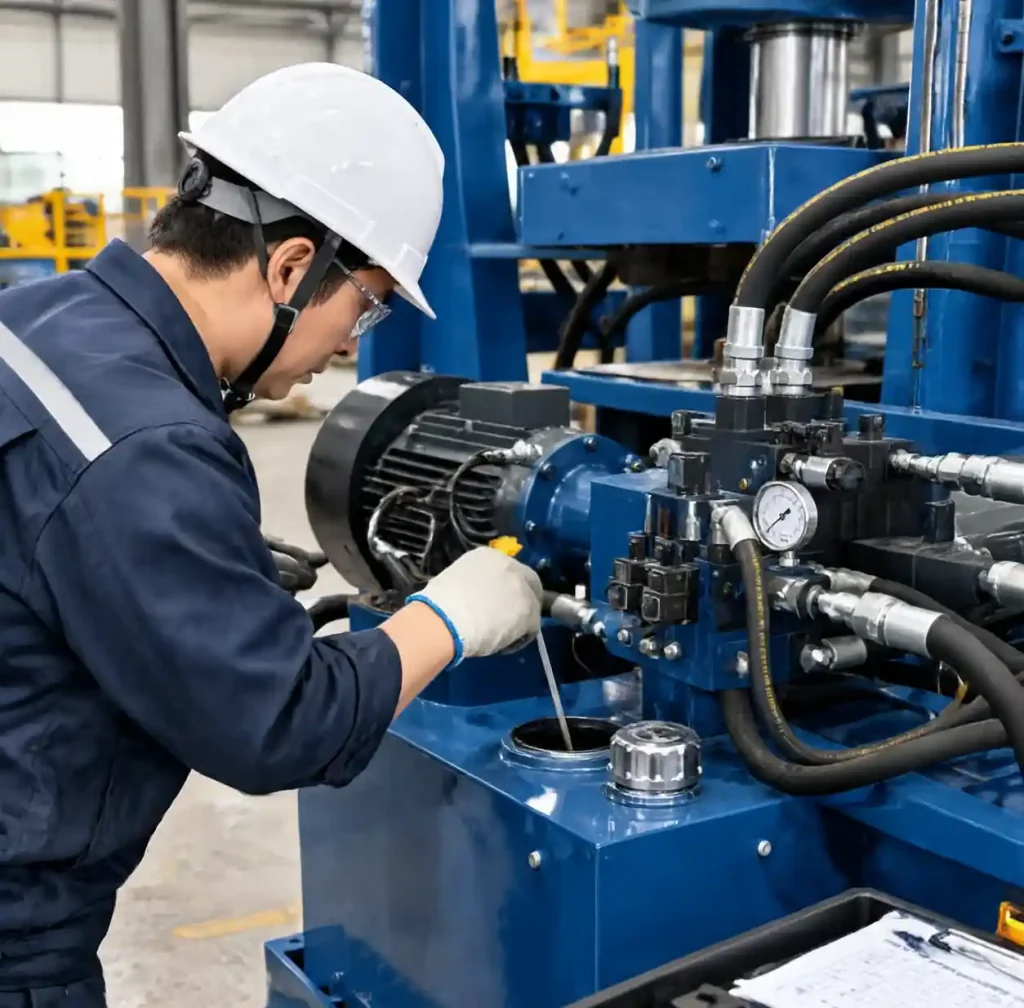
Data-driven monitoring sustains improvements. Industrial IoT sensors capture cycle-by-cycle data revealing where time disappears—batch mixer delays, pallet congestion, quality issues by operator or material lot. Predictive maintenance through vibration analysis, oil analysis, and thermal imaging detects problems 2-4 weeks before failure, preventing unplanned downtime.
Track Overall Equipment Effectiveness (OEE) combining availability, performance, and quality metrics. World-class block plants achieve 80-85% OEE; facilities below 65% have substantial optimization potential.
FAQ: Increasing Block Production Speed
Q: Will faster production reduce block quality?
Not if you optimize correctly. Proper optimization improves quality through better process control: automated batching produces more consistent mixes, real-time monitoring catches deviations earlier, and reduced cycle times come from eliminating wasteful delays rather than cutting essential processes. Many facilities report 5-8% strength improvements alongside 30% production increases.
Q: What’s the typical investment required?
Investment scales with current automation level. Semi-automatic facilities need $75,000-$140,000 for automated palletizing, dual mixers, and process controls with 10-14 month payback. Fully automatic plants need $25,000-$50,000 for workflow optimization and monitoring, paying back in 4-8 months.
Q: How long does implementation take?
Quick wins requiring parameter adjustments deliver 8-15% improvements in 1-2 weeks. Equipment installations need 3-6 weeks. Full workflow optimization with multiple automation additions typically requires 60-90 days.
Q: What’s the most common mistake?
Optimizing individual components without addressing the entire workflow. Installing high-speed equipment without upgrading material preparation creates delays that prevent reaching design capacity. Successful optimization requires systems thinking: identify the true bottleneck, address it, then move to the next constraint.
Conclusão
Increasing block production speed by 30% doesn’t require replacing functional equipment—it demands systematic elimination of delays through cycle time reduction, raw material automation, and workflow coordination. Implementation starts with measuring current bottlenecks, implementing zero-cost optimizations for quick wins, then adding automation investments that pay back within 6-14 months.
Quality maintenance throughout optimization ensures speed gains translate to profitable production. Real-time monitoring, statistical process control, and automated mix adjustment maintain consistency while production accelerates, delivering 2,800-3,600 additional blocks daily without compromising strength, dimensional accuracy, or surface quality.
Sources: