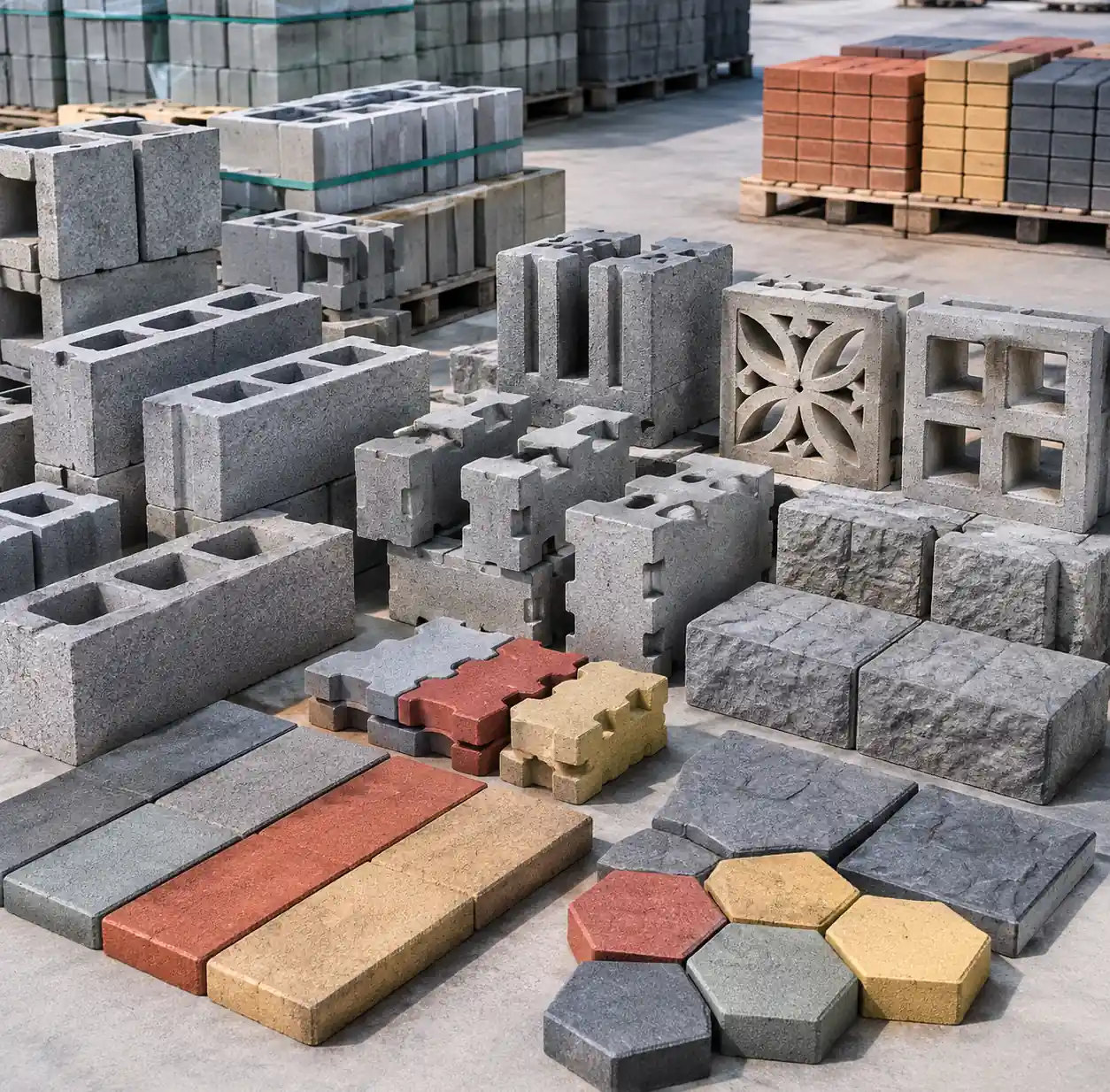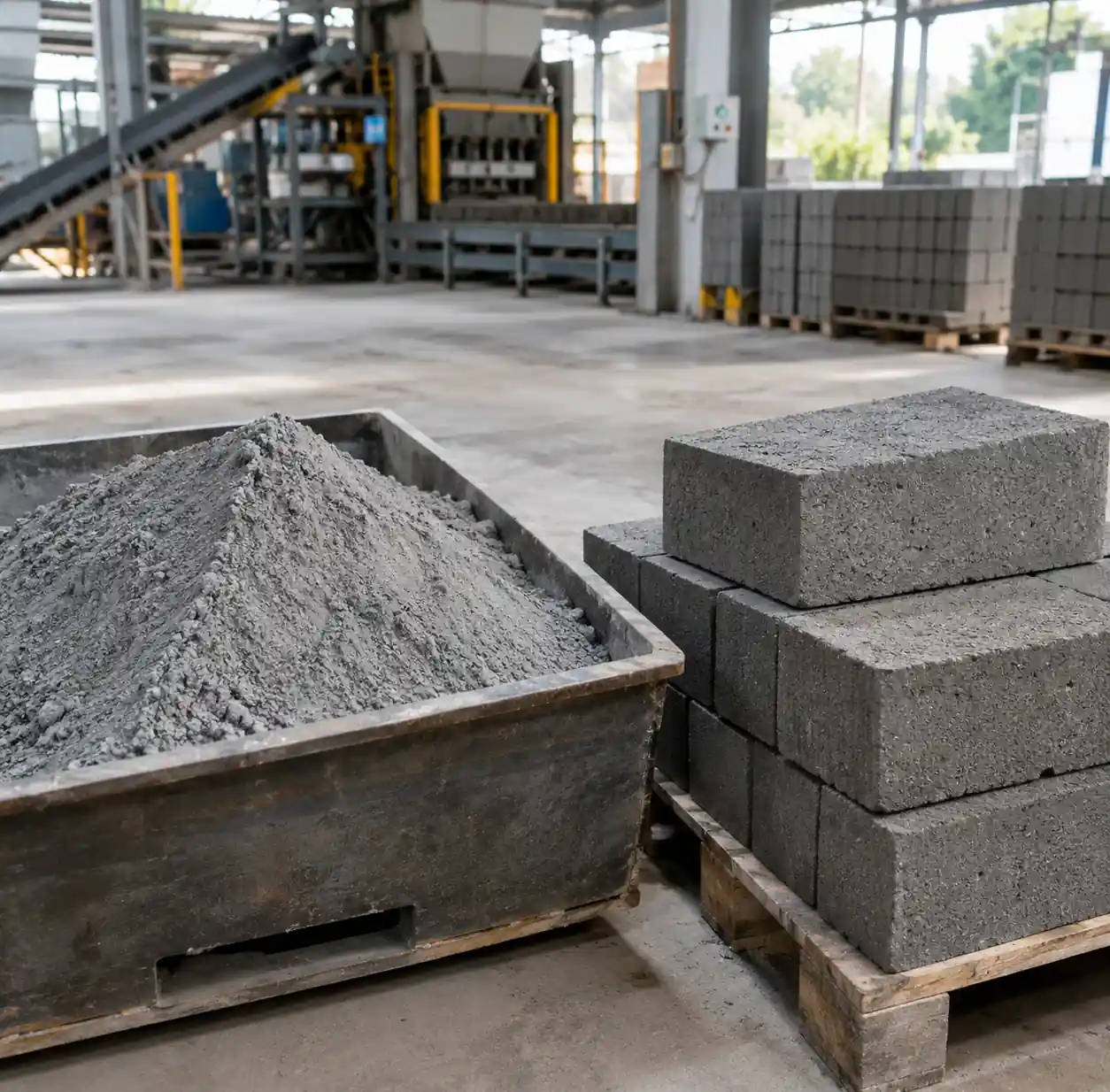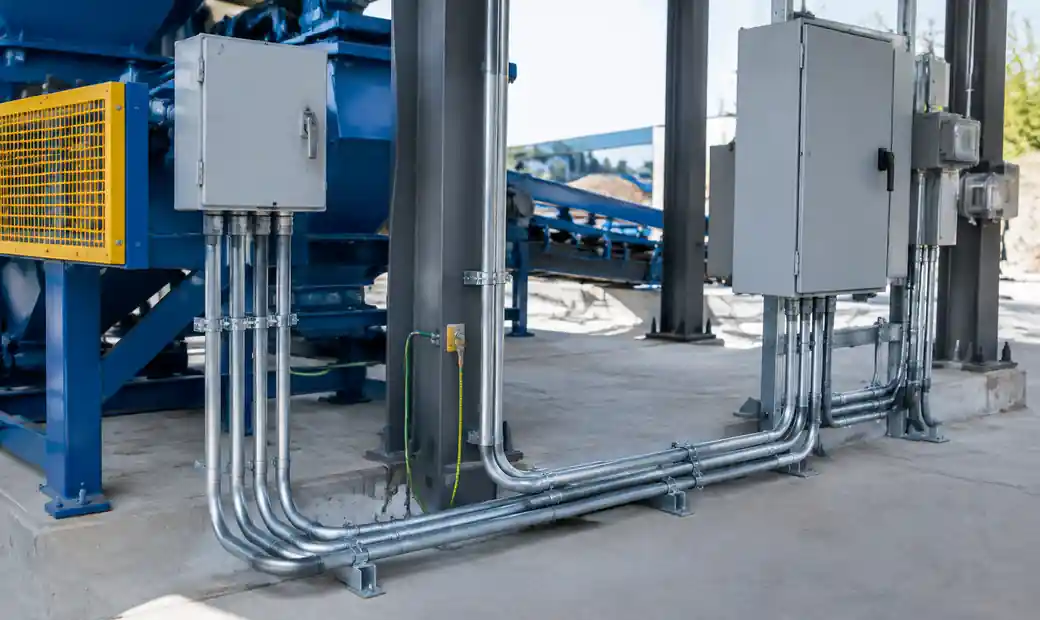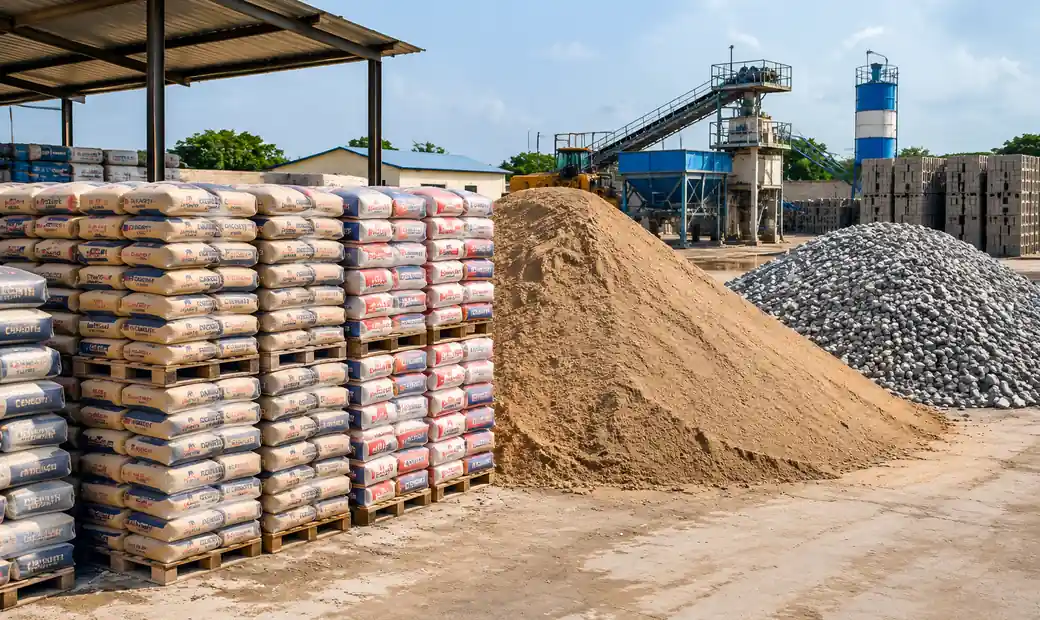




Africa’s construction boom creates massive opportunities for block producers. With infrastructure projects worth $130 billion planned across the continent in 2026, selecting the right block making machine determines whether your business thrives or struggles with breakdowns and lost contracts.
African markets present unique challenges: inconsistent power supply, extreme temperatures reaching 45°C, high humidity in coastal regions, and limited technical support. Standard machines designed for temperate climates fail within 18-24 months under these conditions. This guide identifies machines proven to perform in African environments, compares models operating in Kenya, Nigeria, Ghana, and South Africa, and explains the complete import process.
Why Africa Needs Climate-Adapted Machines
African operating environments differ dramatically from factory test conditions. Lagos faces 85% humidity year-round, corroding electrical components and hydraulic seals. Nairobi’s altitude reduces diesel engine performance by 15-18%. Sahel region dust penetrates standard enclosures, grinding down hydraulic systems within months.
Temperature extremes create critical issues. Machines in Khartoum experience 20°C nights and 45°C midday heat. This 25°C daily swing changes hydraulic oil viscosity, affecting pressure consistency and block quality. Standard PLC systems fail when internal temperatures exceed 55°C.
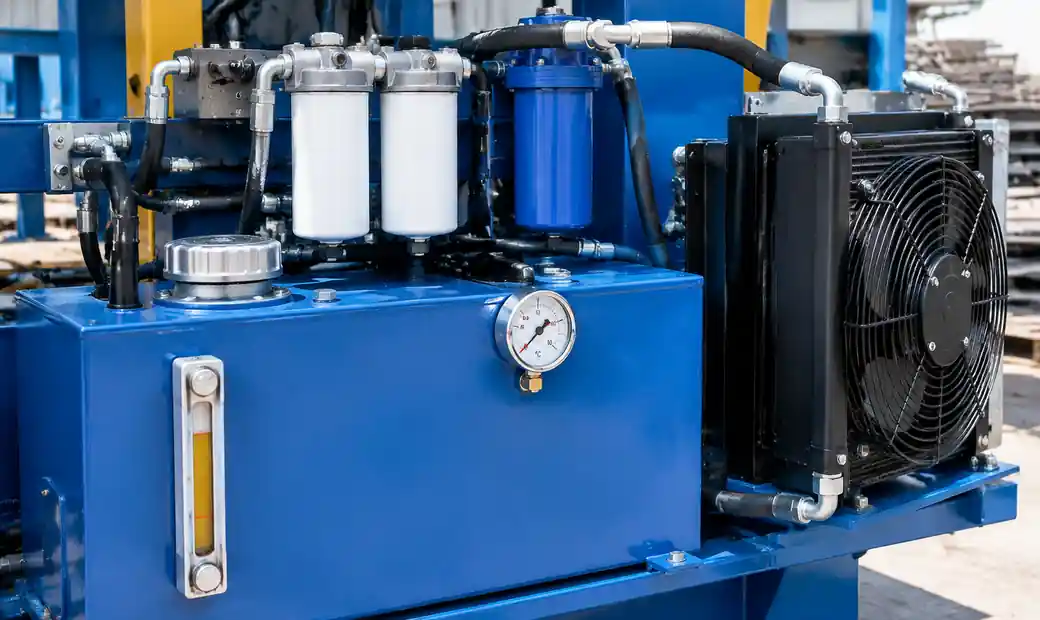
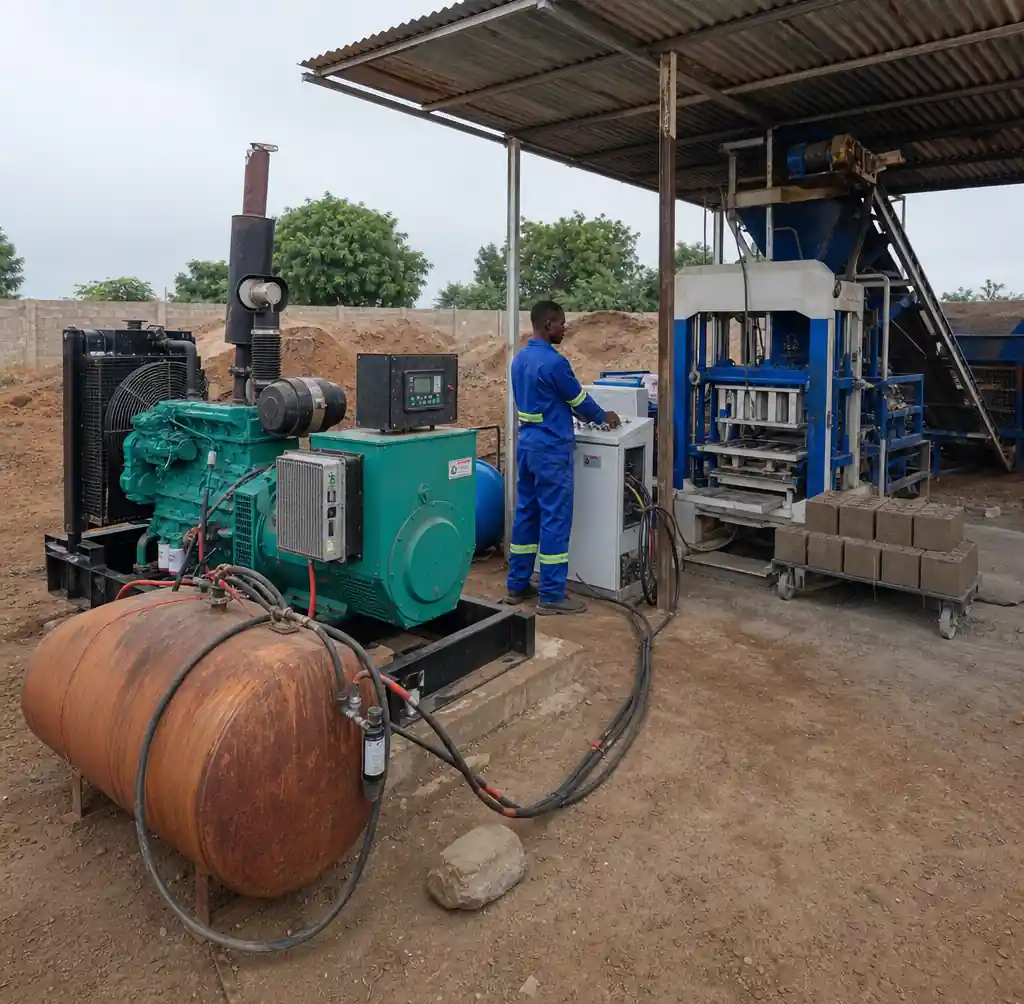
Successful installations use diesel block machines with heavy-duty air filtration, stainless steel hydraulic components, and IP65-rated electrical enclosures designed for tropical climates.
Only 54% of sub-Saharan Africa has reliable grid electricity. Voltage fluctuations of ±25% damage motors and destroy PLC processors. Power outages averaging 4-6 hours daily make production impossible with grid-dependent machines.
Three power solutions work: Diesel-powered machines like the M7MI TWIN operate completely off-grid. Fuel costs run $45-65 per day. Côte d’Ivoire installations prove diesel machines deliver consistent output. Hybrid systems combine grid power with diesel backup generators engaging within 3 seconds during outages. Generator-primary setups use generators as main power. A 75kVA generator powers a QT4-24 semi-automatic machine producing 7,200 blocks daily.
Best Block Machine Models for African Markets
Manual Machines: Entry-Level Production
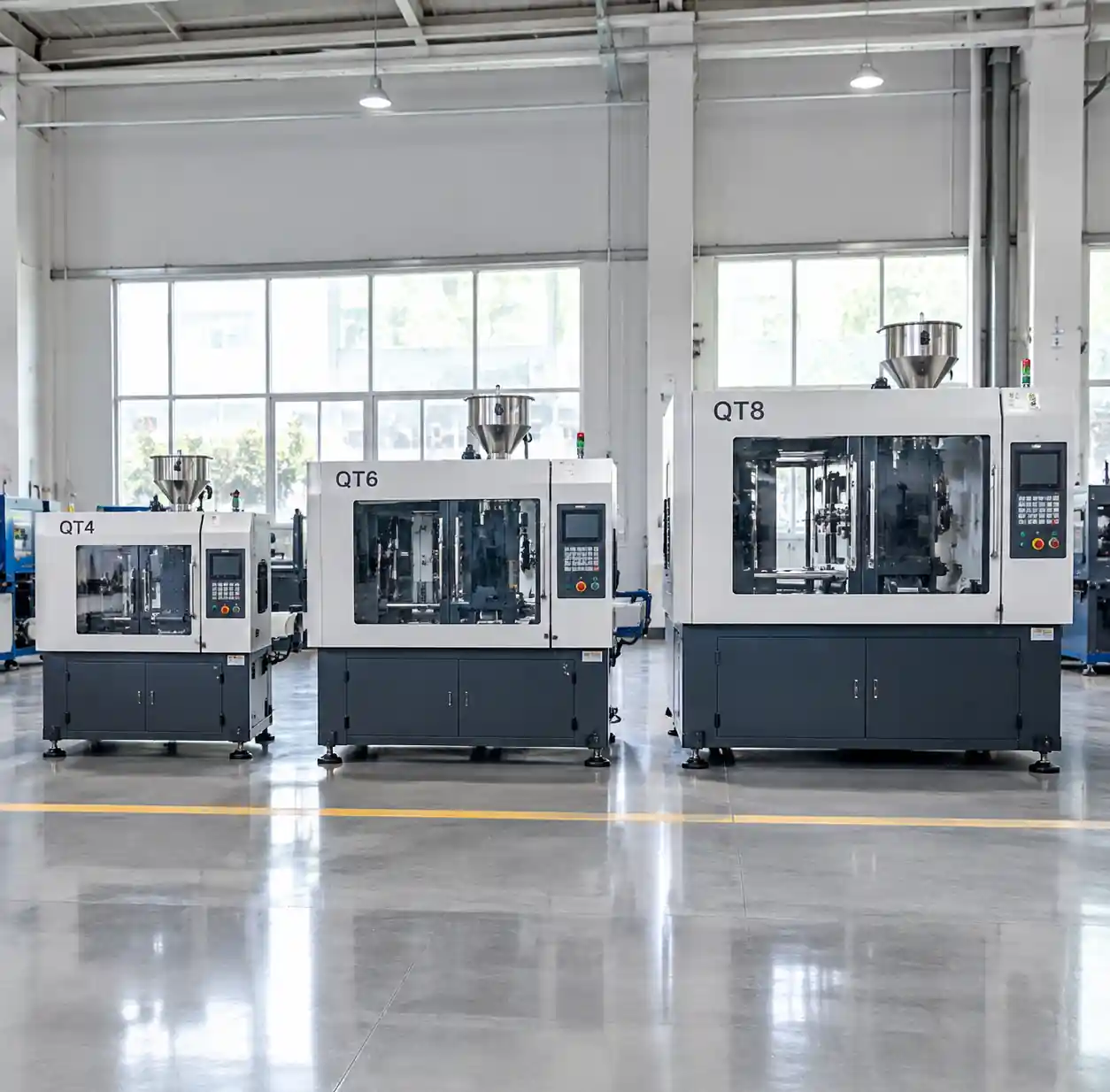
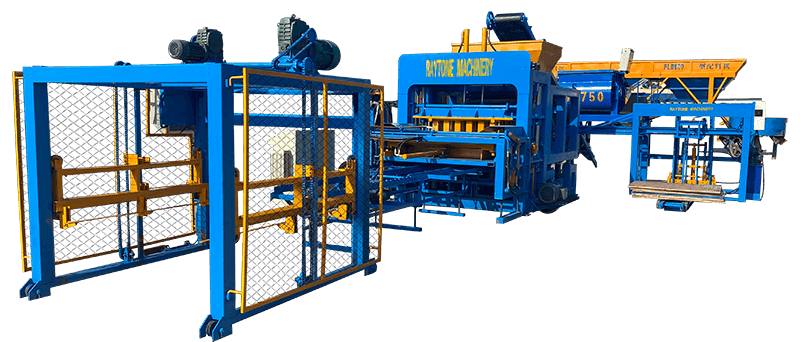
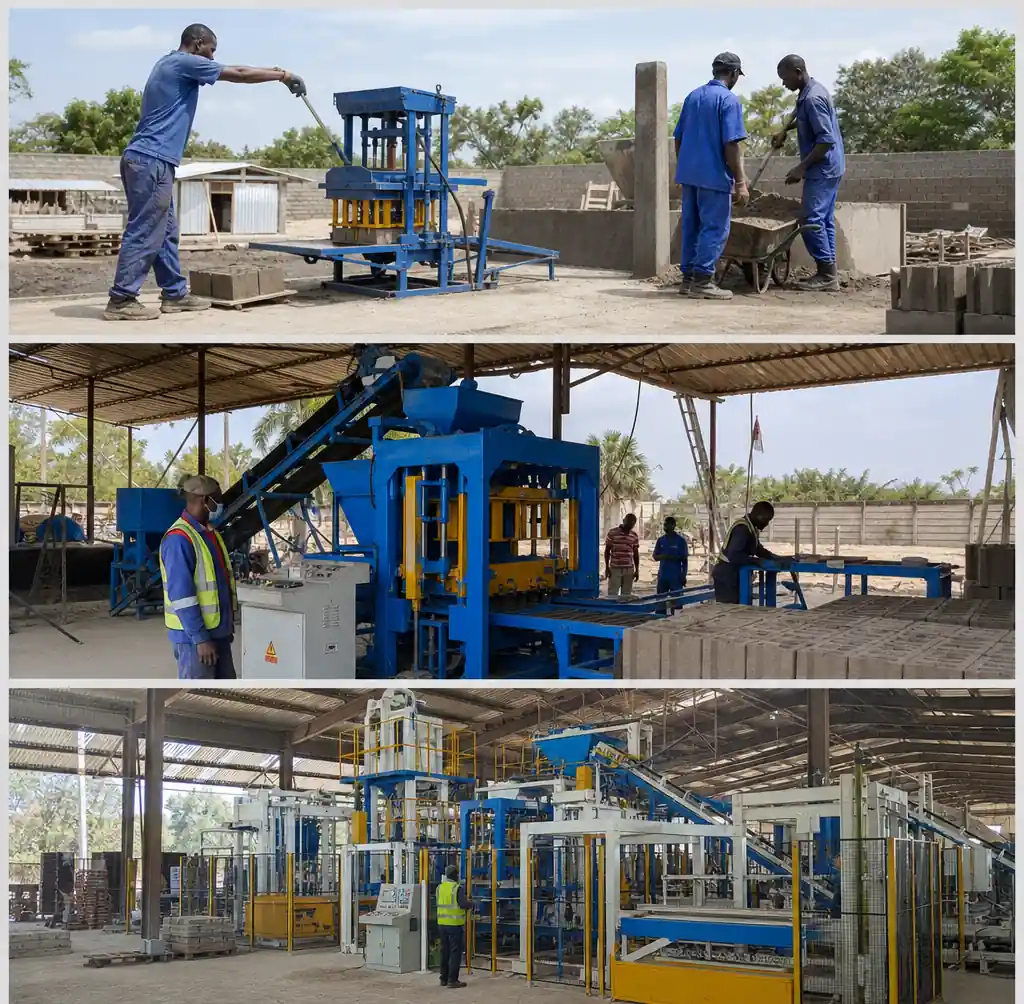
QT4-40 Manual Block Machine dominates African small-scale production. Produces 3,200-4,000 blocks per 8-hour shift with 4 workers.
| Specification | Details |
|---|---|
| القدرة الإنتاجية | 3,200-4,000 blocks/shift |
| Power Requirement | 9.5kW or diesel option |
| العمالة المطلوبة | 4 عمال |
| FOB China Price | $7,200-9,500 |
| Landed Cost Africa | $10,800-14,000 |
Oversized hydraulic seals tolerate dust and extreme temperatures. Simple mechanical controls eliminate electronics prone to failure. Cameroon deployments demonstrate 6-8 year lifespans. Best for: startups, rural production, markets under 100,000 blocks monthly.
QT4-24 Manual Machine produces 4,800-5,600 blocks per shift. Investment: $12,750-16,800 landed. Requires 5-6 workers.
Semi-Automatic: Growth-Stage Production
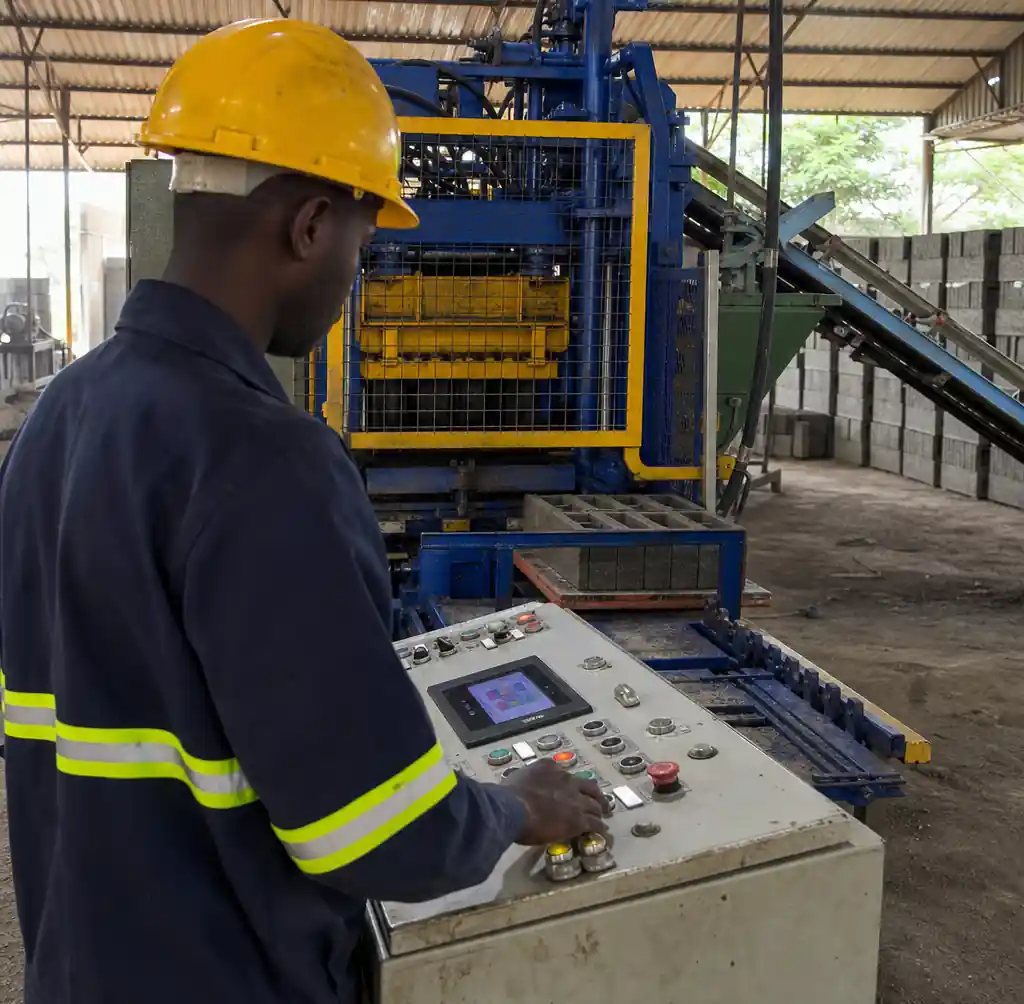
QT4-30 Semi-Automatic Machine balances automation with African realities. PLC-controlled molding with manual material handling.
| Specification | Details |
|---|---|
| القدرة الإنتاجية | 5,760-7,200 blocks/shift |
| Power Requirement | 21.5kW (380V) |
| العمالة المطلوبة | 4-5 workers |
| FOB China Price | $18,500-23,000 |
| Landed Cost Africa | $27,750-34,500 |
Robust hydraulic system operates at 50°C ambient temperature. Siemens/Mitsubishi PLC withstands voltage fluctuations. Ghana و Mozambique installations show 12-18 month ROI. Best for: established businesses scaling up, urban markets, quality-conscious customers.
Automatic Machines: Industrial-Scale Production
QT4-18 Automatic produces 15,000-18,000 blocks per shift with 6-7 workers. Investment: $67,500-87,000 landed. Senegal و Mali operations prove reliability. Modular design allows staged implementation.
QT10-15 Fully Automatic Line produces 23,000-46,000 blocks per shift with 7-8 workers. Investment: $165,000-230,000 landed. Requires 100kVA power. Zambia installation shows 34-month payback. Best for: industrial producers, government contractors.
Import Process and Total Costs
Understanding true ownership costs prevents budget surprises. FOB China price represents only 60-70% of total costs.
| Cost Component | % of FOB | Example: $20,000 Machine |
|---|---|---|
| FOB China Price | 100% | $20,000 |
| International Shipping | 15-25% | $3,000-5,000 |
| Customs Duties | 10-20% | $2,000-4,000 |
| Port & Clearance | 5-8% | $1,000-1,600 |
| Inland Transport | 3-7% | $600-1,400 |
| Installation & Training | 5-8% | $1,000-1,600 |
| Total Landed Cost | 138-168% | $27,600-33,600 |
Shipping costs by destination: Lagos $4,200-5,800, Mombasa $3,800-5,200, Durban $3,200-4,600 per 40ft container. Customs duties: East African Community 10%, ECOWAS 10-15%, Southern Africa 15-20%. Allow 2-3 weeks for clearance.
Shipping Timeline: Port-to-port 18-35 days from China. Add 2-4 weeks for customs and inland transport. One 40ft container fits QT4-40/QT4-24 machines or one QT4-30. Automatic machines need 2-3 containers.
Payment Terms: Standard 30% deposit, 70% before shipping. Letter of credit recommended for orders over $50,000. Some suppliers offer installment plans for established relationships.
Regional Model Recommendations
West Africa (Nigeria, Ghana, Senegal)
Climate: Hot, humid (28-35°C, 70-90% humidity). Power: Unreliable grid, generator dependency common.
Recommended:
- Startups: QT4-40 manual + generator ($13,500 total)
- Growing: QT4-24 semi-automatic + ATS ($35,000)
- Established: QT4-18 automatic + 100kVA generator ($95,000)
Senegal installations show strong performance with proper electrical protection.
East Africa (Kenya, Tanzania, Ethiopia)
Climate: Varied, 15-30°C, lower humidity. Power: Better in cities, poor in rural areas.
Recommended:
- Small-scale: QT4-40 manual ($11,200 landed Mombasa)
- Medium: QT4-30 semi-automatic ($32,000)
- Large: QT4-15 automatic ($72,000)
Ethiopian installations excel in highland climates.
Southern Africa (South Africa, Zambia, Zimbabwe)
Climate: Moderate 18-32°C, dry. Power: Best grid in Africa (South Africa), variable elsewhere.
Recommended:
- Entry: QT4-40 ($12,800 landed Durban)
- Mid-scale: QT4-24 semi-automatic ($31,500)
- Industrial: QT10-15 automatic ($185,000-240,000)
Zambia و Zimbabwe show strong ROI.
Maintenance Strategy for African Conditions
Critical Spare Parts Inventory
Shipping from China takes 6-8 weeks. Stock essential spares from day one:
Essential Kit ($2,500-4,200):
- Hydraulic seals (complete set)
- Vibration motor bearings (2 sets)
- Solenoid valves (2 units)
- Hydraulic filters (12 units)
- Electrical contactors/relays
- PLC backup (automatic machines)
- V-belts (complete set)
Order spares with machine in same container to save shipping costs. A $45 seal shortage can cause 2-month downtime.
Maintenance Schedule Adjusted for Africa:
Daily: Clean air filters, check oil levels, inspect hoses, lubricate moving parts.
Weekly: Change hydraulic filter (monthly in temperate climates), inspect electrical connections for corrosion, check vibration bearings.
Monthly: Complete hydraulic inspection, motor testing, bolt torque verification.
Every 6 months: Hydraulic oil replacement (annually elsewhere), major electrical inspection, vibration overhaul.
Details in our maintenance guide.
Supporting Equipment Requirements
Budget 25-35% of machine cost for essential supports:
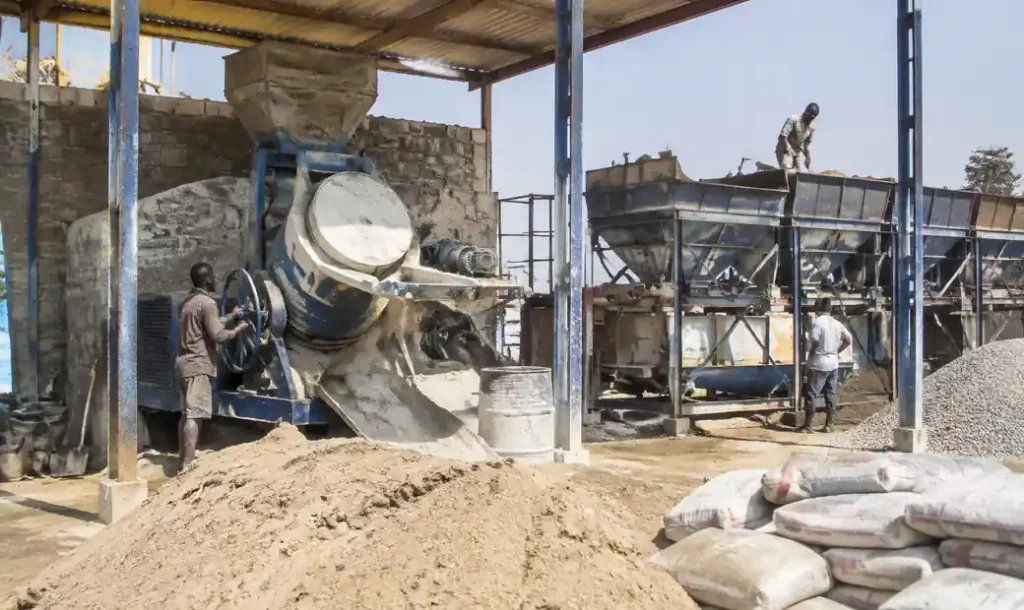
Concrete Mixer ($1,800-4,500): Pan mixers deliver consistent quality. 500L for manual/semi-automatic, 750-1000L for automatic lines.
Batching System ($2,200-8,500): Manual batching ($2,200-3,500) acceptable for small operations. Automatic hoppers ($5,500-8,500) ensure consistency for quality certifications.
Block Pallets ($1,200-2,800 starter set): Need 800-1,200 pallets minimum (7-14 days production in rotation). Wood pallets $3-5 warp in humidity. Plastic $6-9 last 5+ years. Steel $12-18 for automatic lines.
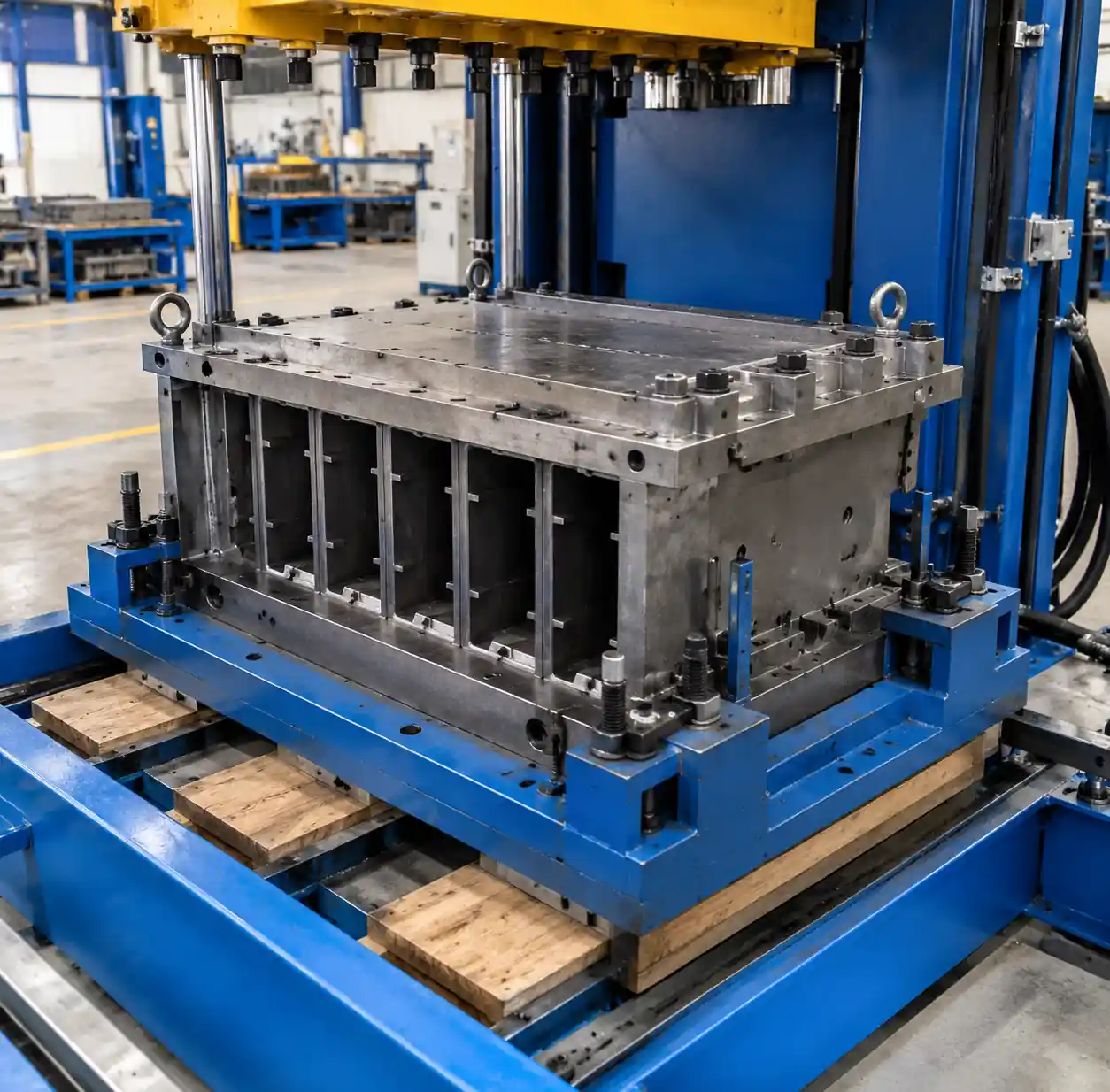
Molds: Additional molds $800-1,800 each. Order with machine to save shipping.
Quality Standards in African Markets
Most African nations require:
- Compressive strength: 2.8-4.0 MPa minimum
- Water absorption: <12% by weight
- Dimensional tolerance: ±3mm
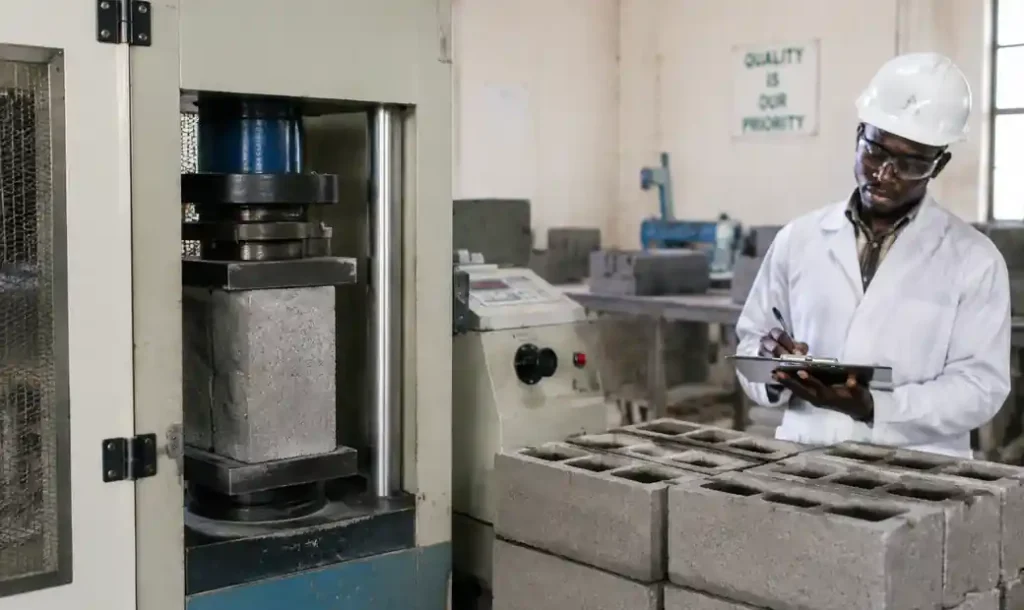
Lab testing costs $150-400 per block type, takes 4-8 weeks for certification. Automatic machines deliver most consistent results for strict quality control. Our raw materials guide details sourcing strategies.
Blocks reach only 40% strength at 7 days, 65% at 14 days, 100% at 28 days. Proper water curing prevents cracking and accelerates strength gain.
الأسئلة الشائعة
What’s the minimum investment to start block production in Africa?
Complete manual setup costs $16,000-22,000 including QT4-40 machine ($10,800-14,000 landed), mixer ($2,200), pallets ($1,500), molds ($1,200), tools ($800-1,200). Produces 80,000-90,000 blocks monthly. Add $3,000-5,000 working capital for first month.
How long until I recover my investment?
Manual machines: 6-12 months. Semi-automatic: 12-18 months. Automatic: 24-36 months. Depends on market demand, material costs, selling prices, capacity utilization. Our profitability analysis provides detailed ROI calculations.
Which machine works without stable electricity?
Diesel machines like M7MI TWIN operate completely off-grid. Alternatively, pair electric machines with generators—75kVA for semi-automatic, 100kVA for automatic. Generator adds $12,000-22,000.
What machine produces most blocks daily?
QT10-15 automatic produces up to 46,080 blocks per 8-hour shift. However, requires stable power, skilled operators, efficient material supply. Most African producers achieve 60-75% of rated capacity initially, increasing to 80-90% after 3-6 months.
Do I need special training?
Manual machines: 2-3 days training. Semi-automatic: 5-7 days including PLC basics. Automatic: 10-15 days comprehensive training. Most suppliers provide free installation training.
What’s included in machine price?
FOB includes: main machine, one standard mold set, basic tools, manual, spare parts kit. Excluded: shipping, customs, installation, additional training, extra molds, supporting equipment.
الخلاصة
Selecting the right block making machine for African markets requires balancing production capacity, power infrastructure, climate durability, and budget. Manual machines like QT4-40 offer accessible entry for small producers in rural areas. Semi-automatic QT4-30 models deliver optimal efficiency for growing urban businesses. Automatic lines suit established manufacturers with stable power supplying large projects.
Success depends on three critical factors: proper electrical protection for grid instability, adequate spare parts inventory preventing extended downtime, and maintenance schedules adapted to harsh environments. Plan for total landed costs 40-70% above FOB prices. Partner with suppliers experienced in African installations who understand local challenges.
Africa’s infrastructure boom presents enormous opportunities for well-equipped block producers. Choose machines proven in African conditions, prepare for power and maintenance challenges, and position your business to supply the continent’s construction growth.
Ready to start? Contact Raytone Block Machinery for detailed quotes and guidance tailored to your African location.