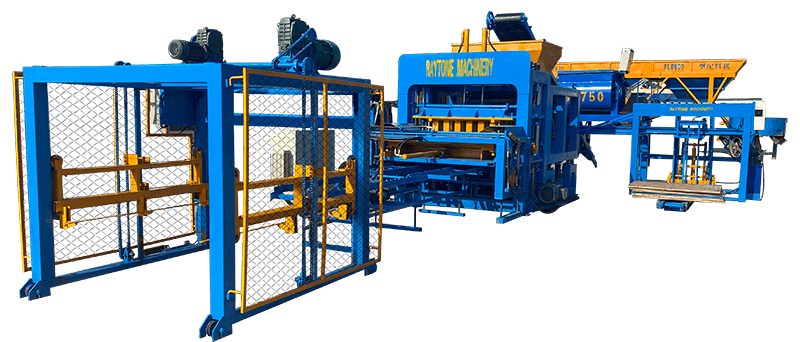
After years optimizing colored block operations, I’ve learned that decorative blocks demand fundamentally different production protocols than standard units. Success comes down to pigment chemistry, process consistency, and quality controls that conventional gray block production never requires.
This guide covers the production methods, pigment selection, and quality protocols that enable manufacturers to produce decorative blocks commanding 30-70% premiums while maintaining commercial reject rates under 3%.
Production Reality: Why Color Changes Everything
Colored concrete blocks integrate iron oxide pigments throughout the mix (integral method) or apply them to visible surfaces (face-mix method). Unlike coatings, properly integrated color becomes permanent within the concrete matrix and won’t wear off.
The challenge isn’t adding pigment—it’s maintaining consistency. Pigment dosing requires ±2% tolerance, mixing demands minimum 3 minutes beyond standard cycles, and curing conditions must remain uniform. Variation in any parameter creates visible color shifts that trigger immediate customer rejection.
Standard gray blocks with slight color differences ship without complaint. The identical variation in terra cotta blocks generates returns and damages customer relationships. This fundamental difference drives every production decision.
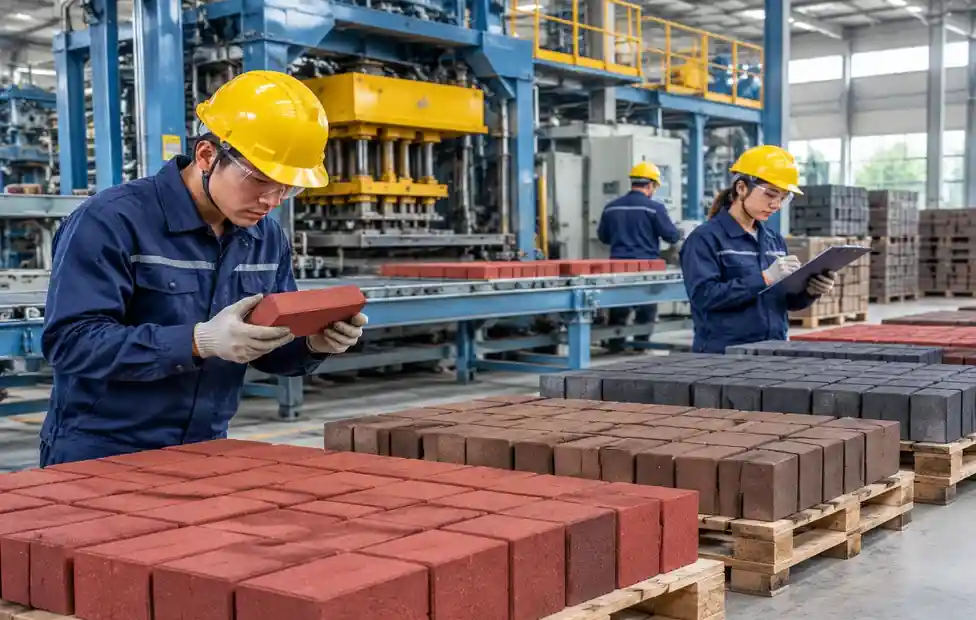
Pigment Selection: Performance Versus Cost
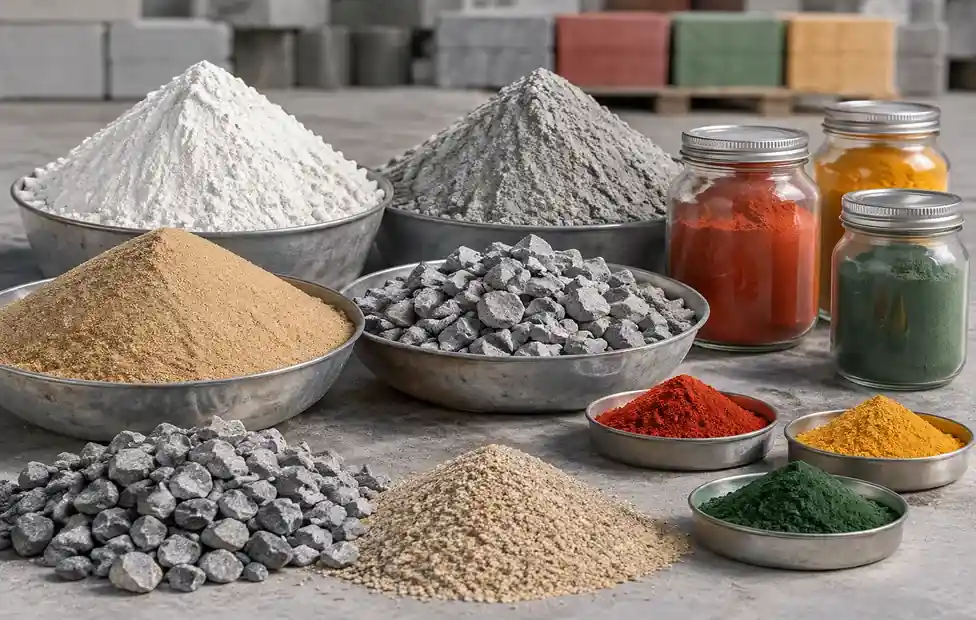
Iron oxide pigments dominate production: red (Fe2O3), yellow (FeO·OH), black (Fe3O4), and brown variants resist UV degradation and alkali environments that destroy organic colorants.
Premium pigments at $4-6/kg achieving full color at 3-5% dosage cost less per block than economy options requiring 7-10% loading. Always calculate cost per finished block, never per kilogram of raw pigment.
Chromium oxide produces true greens at 4-6% dosage ($8-12/kg). Titanium dioxide with white cement creates whites and pastels at 5-8% dosage ($5-8/kg). Both serve premium lines where color uniqueness justifies pricing.
Test every pigment batch before production. Suppliers change sources without notice—”identical” specifications don’t guarantee identical colors.
| Pigment Type | Dosage (% cement) | Color Strength | UV Stability | Cost/kg | Applications |
|—|—|—|—|—|
| Iron Oxide Red | 3-6% | High | Excellent | $3-5 | Reds, terracotta, browns |
| Iron Oxide Yellow | 4-7% | Medium | Excellent | $3-5 | Buff, tan, yellows |
| Iron Oxide Black | 5-8% | High | Excellent | $4-6 | Charcoal, dark gray |
| Chromium Oxide | 4-6% | Very High | Excellent | $8-12 | True greens (premium) |
| Titanium Dioxide | 5-8% | Very High | Excellent | $5-8 | Whites, pastels |
Production Methods: Integral Versus Face-Mix
Integral coloring disperses pigment throughout entire blocks. Every surface exhibits identical color—critical for split-face, tumbled, or abraded finishes exposing interior surfaces.
Process: Mix pigment with sand and cement dry for 2-3 minutes in pan mixer, add water, continue 3-4 minutes. Insufficient mixing creates visible streaking.
For a semi-automatic block machine producing 1,000 blocks daily at 50 kg cement per m³, 5% red oxide consumes 2.5 kg/m³. Scale by production volume for monthly requirements.
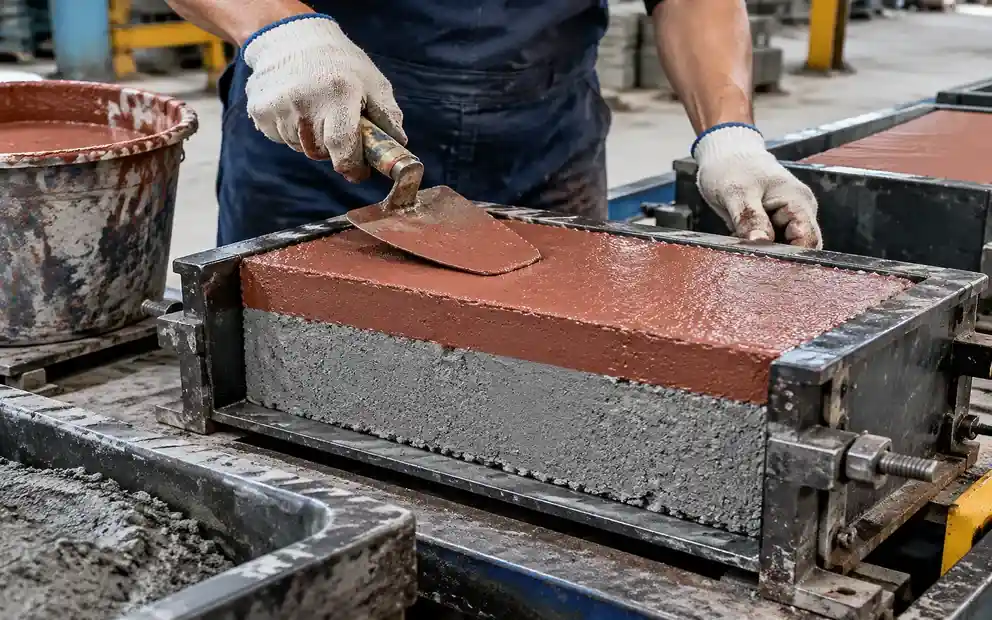
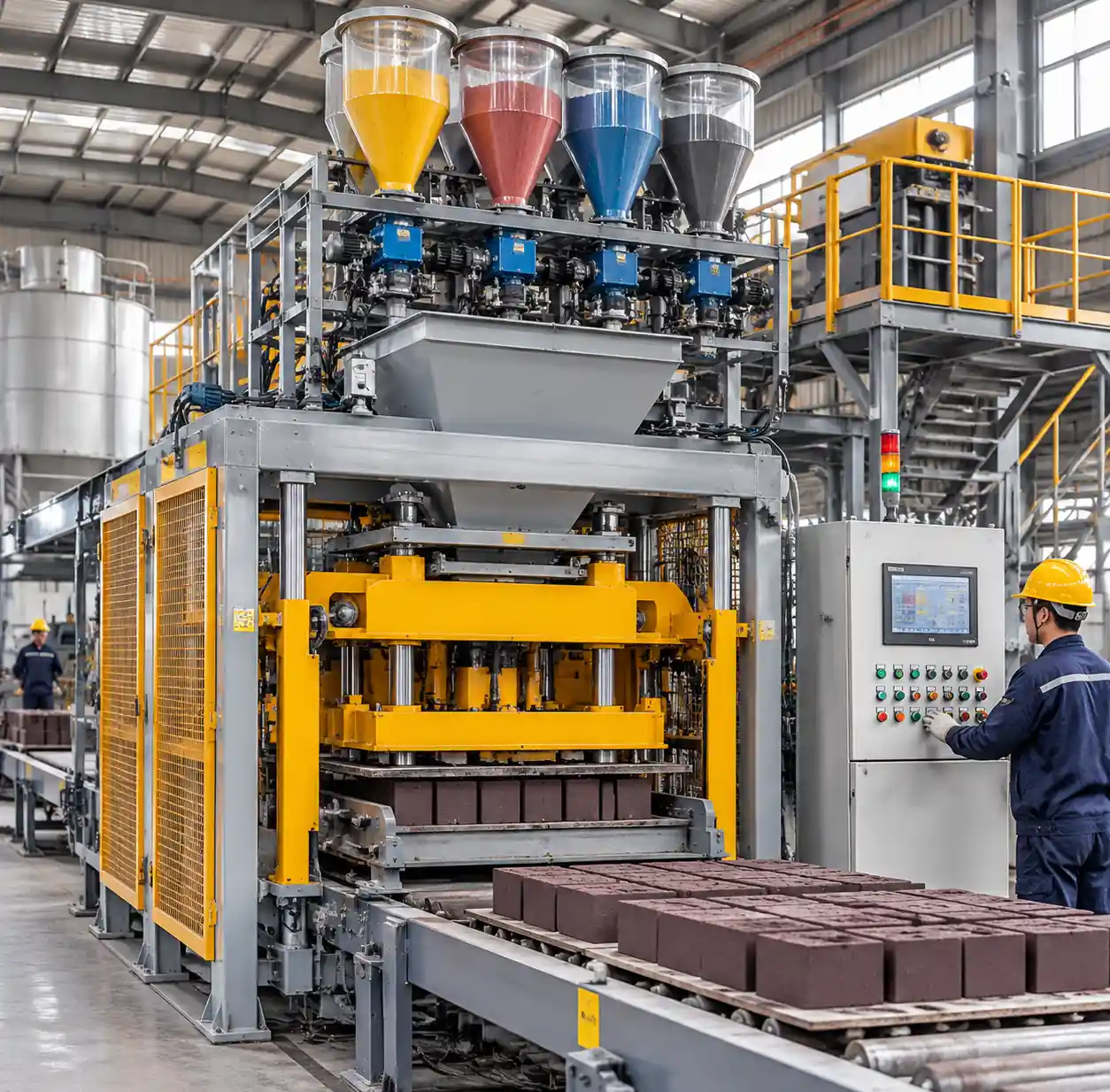
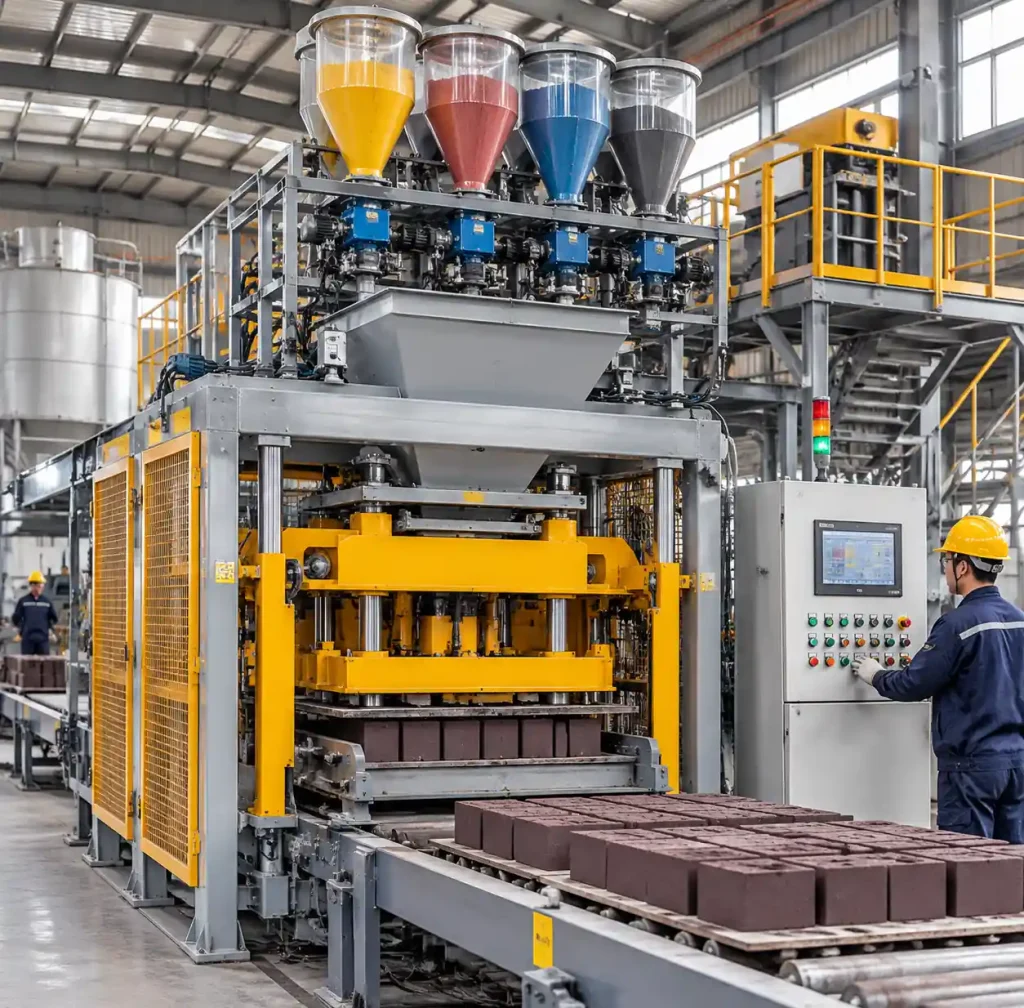
Face-mix production applies colored concrete only to visible surfaces, leaving cores gray. Cuts pigment costs 60-75% while maintaining appearance. Requires automatic machines with dual-feed capability.
Sequence: Spread 10-15mm pigmented face layer, immediately add gray core mix, compress and vibrate. Inadequate vibration or timing causes delamination. Test bond strength by breaking samples and examining interfaces.
Face-mix works for smooth blocks but fails for split-face, exposed-aggregate, or tumbled products where interiors become visible.
Color Consistency: Controlling the Variables
Cement color matters profoundly. Gray Portland varies from light to dark gray depending on raw materials and kiln conditions. Source from single plants when possible. Test new deliveries with sample blocks before production runs.
White cement produces consistent colors but costs 2-3x more—justified for premium lines, prohibitive for economy products. Some manufacturers blend 50/50 white/gray for mid-range applications.
Aggregate color affects results more than expected. Light aggregate brightens colors; dark aggregate mutes them. Maintain consistent sources. When suppliers change, adjust pigment dosage to compensate.
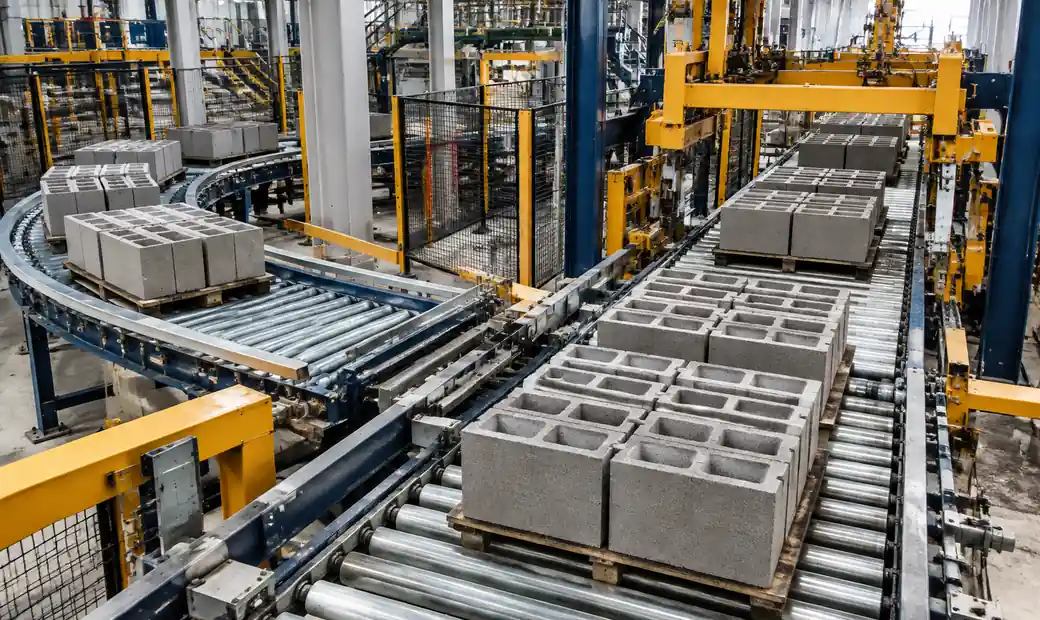
Water-to-cement ratio variations alter color intensity. Wetter mixes lighten; drier mixes darken. Automated batching on complete production lines maintains consistency manual operations cannot match.
Mixing time inconsistency creates streaking. Set fixed durations: 2-3 minutes dry, 3-4 minutes wet. Enforce religiously—visible uniformity precedes complete molecular distribution.
Curing conditions impact final color. Direct sunlight lightens blocks; shade darkens slightly. Temperature differences change hydration rates affecting color development. Cure under identical controlled conditions.
Surface Finishes: Premium Pricing Strategies
Smooth face: Standard mold surface. Clean, modern aesthetic. Premium: 30-40% over gray blocks.
Split-face: Mechanical splitting after 24-48 hours creates natural stone appearance. Requires integral coloring, specialized equipment ($15,000-40,000), proper green strength (350-400 kg/m³ cement). Premium: 50-70%.
Exposed aggregate: Surface retarders applied to molds before casting, power-washed within 24 hours. Reveals aggregate texture. Premium: 40-60%.
Tumbled: Rotating drum with abrasive media for 2-6 hours creates weathered appearance. Equipment $8,000-25,000. Premium: 45-65%.
| Finish Type | Equipment Cost | Labor Input | Premium | Applications |
|—|—|—|—|
| Smooth Face | $0 (standard) | None | 30-40% | Commercial construction |
| Split Face | $15,000-$40,000 | Low | 50-70% | Architectural facades |
| Exposed Aggregate | $2,000-$5,000 | Medium | 40-60% | Landscaping, walkways |
| Tumbled | $8,000-$25,000 | Low | 45-65% | Garden walls, historical |
Mix Design Adjustments for Colored Production
Pigments alter water demand, workability, and setting. Standard formulations fail.
Water increase: Iron oxides increase absorption 5-15%. Mix requiring 180 L/m³ may need 190-200 L with 5% oxide. Test incrementally—never guess.
Cement content: Increase to 350-400 kg/m³ versus 300-350 kg/m³ for gray blocks. Improves color uniformity, early strength, pigment dispersion. Cost increase: 10-15%, justified by reduced rejects.
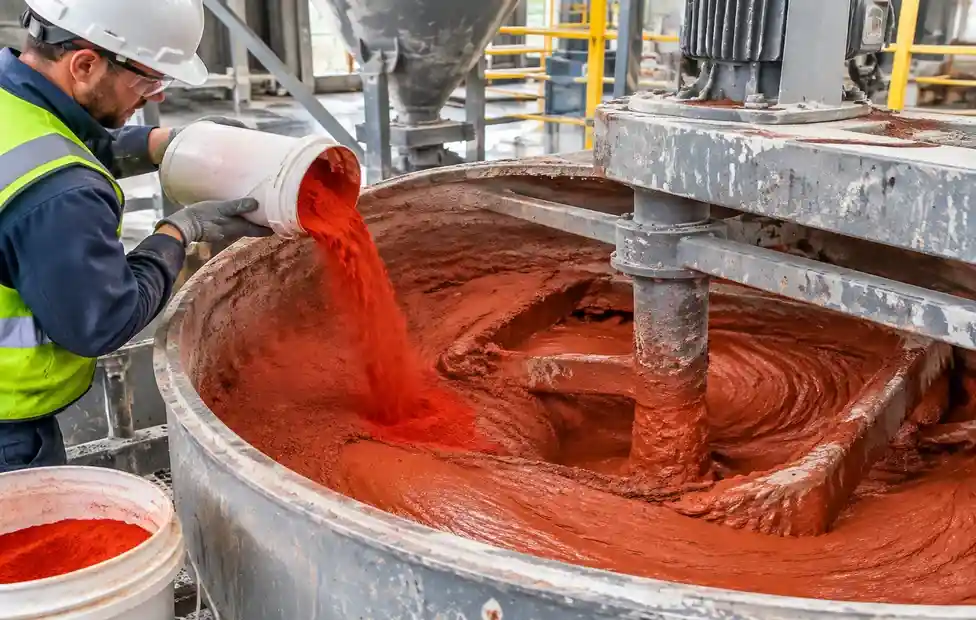
Plasticizers: High-range water reducers (0.5-1.5% by cement weight) improve pigment dispersion at lower water contents. Lower water produces denser blocks with more vibrant colors. Cost: $1.50-3.00/m³.
Sample red block formula (per m³):
- Cement: 380 kg
- Red iron oxide: 19 kg (5% of cement)
- Sand (0-4mm): 850 kg
- Coarse aggregate (4-10mm): 750 kg
- Water: 195 L (adjusted for absorption)
- Plasticizer: 3.8 kg (1% of cement)
Test, adjust, repeat. Every material combination behaves differently.
Quality Control Protocols
Color matching: Maintain physical references from approved batches. Compare new production under consistent 5000K lighting. Digital colorimeters ($800-2,500) provide data but cannot replace human verification.
Batch documentation: Record cement source/lot, aggregate batch, pigment lot, water source, mixing time, temperature, humidity, curing method, deviations. When problems appear, documentation enables root cause identification.
Segregated curing: Cure colored blocks separately from gray to prevent cement dust contamination. Use clean plastic sheeting, not burlap (transfers color or creates staining).
Production Challenges and Solutions
Color fading: Cause—organic pigments or inadequate UV-stable inorganics. Solution—specify only UV-stable iron oxides meeting ASTM C979. Test under accelerated weathering (QUV-A, 1,000 hours).
Efflorescence: Cause—excess water, poor curing, contaminated aggregates. Solution—reduce water-cement ratio with plasticizers, use low-alkali cement, controlled humidity curing.
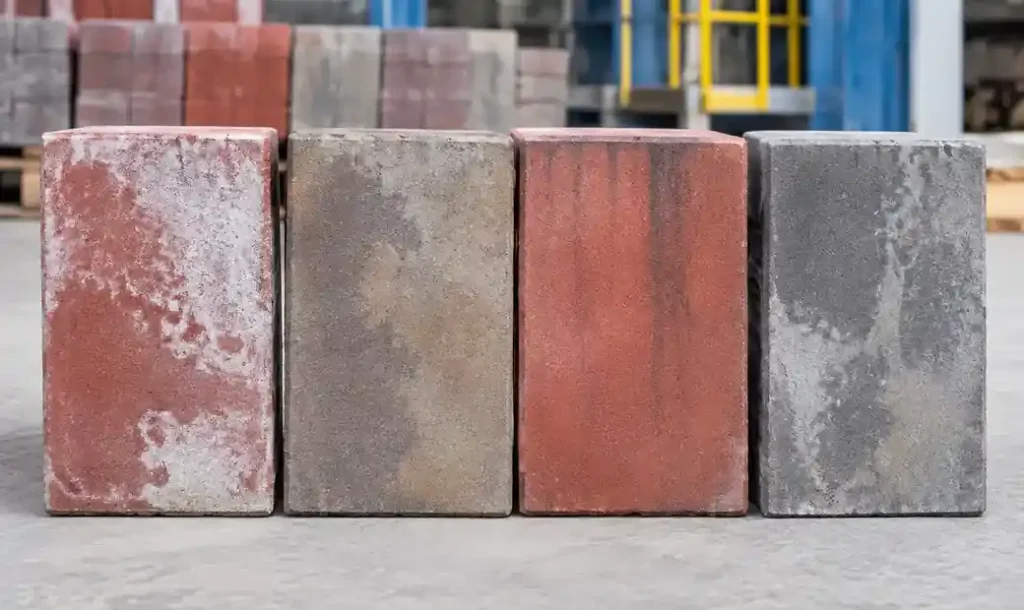
Batch-to-batch variation: Cause—cement changes, aggregate moisture, inconsistent dosing. Solution—automated batching, single-source cement, weigh all ingredients including water.
Split-face inconsistency: Cause—variable moisture at splitting, worn blades, improper mix. Solution—control green moisture (15-18%), sharpen blades quarterly, ensure 20 MPa minimum strength.
Equipment for Colored Block Production
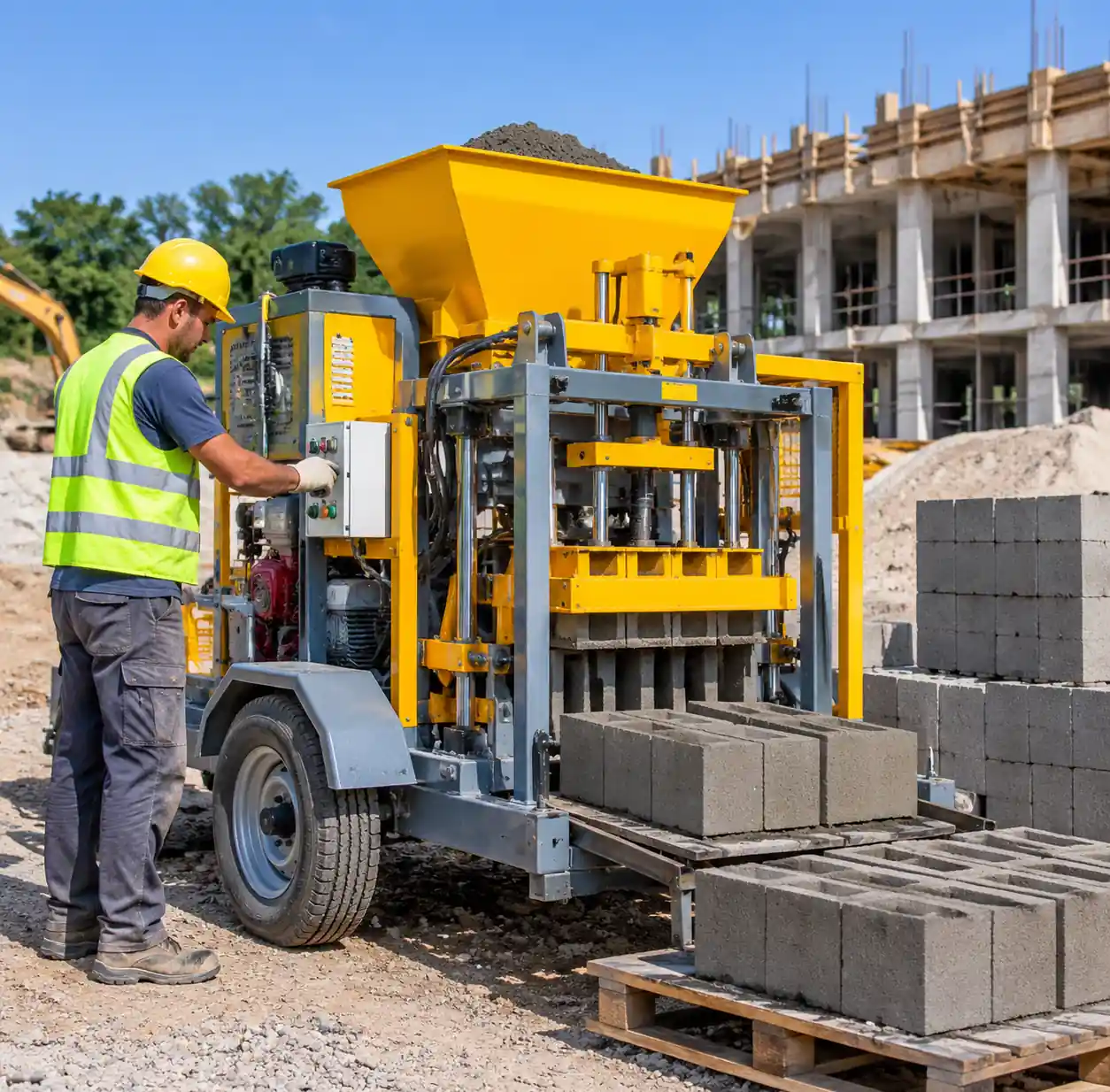
Standard block machines handle colored blocks, but specific features optimize operations. Pigment dosing systems maintain ±1% accuracy versus ±5-10% manually.
Pan mixers outperform drum mixers—90-second intensive cycles achieve distribution requiring 3-4 minutes in drum mixers. Cost differential: $3,000-8,000, justified by consistency.
Dual-feed capability enables face-mix cutting pigment costs 60-75%. Standard on most automatic machines, rarely on manual equipment. Retrofit: $8,000-15,000.
Mold quality: Premium molds ($1,200-3,500) maintain accuracy producing consistent blocks. Economy molds ($400-800) wear rapidly requiring frequent replacement.
Supporting equipment: Concrete mixers with 500L+ capacity handle batch sizes efficiently. Electronic batching scales ensure accuracy. Covered pigment storage prevents moisture contamination.
Pricing: From Commodity to Premium Product
Cost calculation (per 1,000 blocks):
- Gray blocks: $500 total ($0.50/block)
- Smooth colored: $590 total ($0.59/block)
- Split-face colored: $630 total ($0.63/block)
Market pricing:
- Gray: $0.65-0.75/block (30-50% margin)
- Smooth colored: $0.95-1.10/block (60-85% margin)
- Split-face colored: $1.40-1.65/block (120-160% margin)
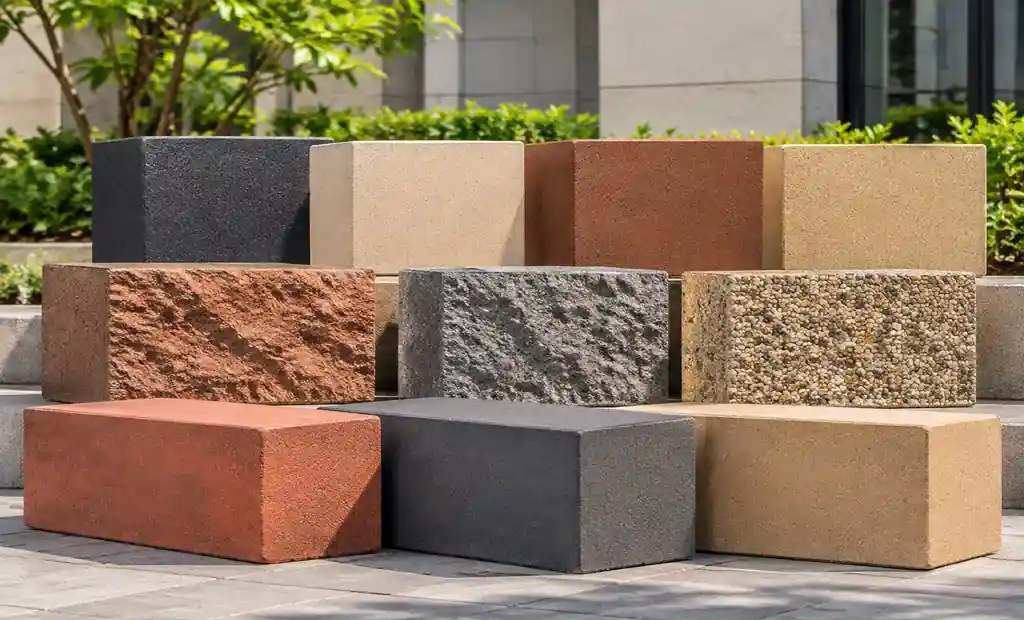
Position as architectural products competing with natural stone. Target architects, designers, high-end contractors. Provide sample kits showing range and options. Successful operations earn 40-60% revenue from colored products representing only 20-30% volume.
Frequently Asked Questions
How much does pigment add to production costs?
Integral coloring adds $0.06-0.12 per block at 3-6% dosage. Face-mix reduces this 60-75% to $0.02-0.05 per block. These costs are offset by 30-70% price premiums, making colored blocks significantly more profitable than gray blocks.
Can manual machines produce colored blocks?
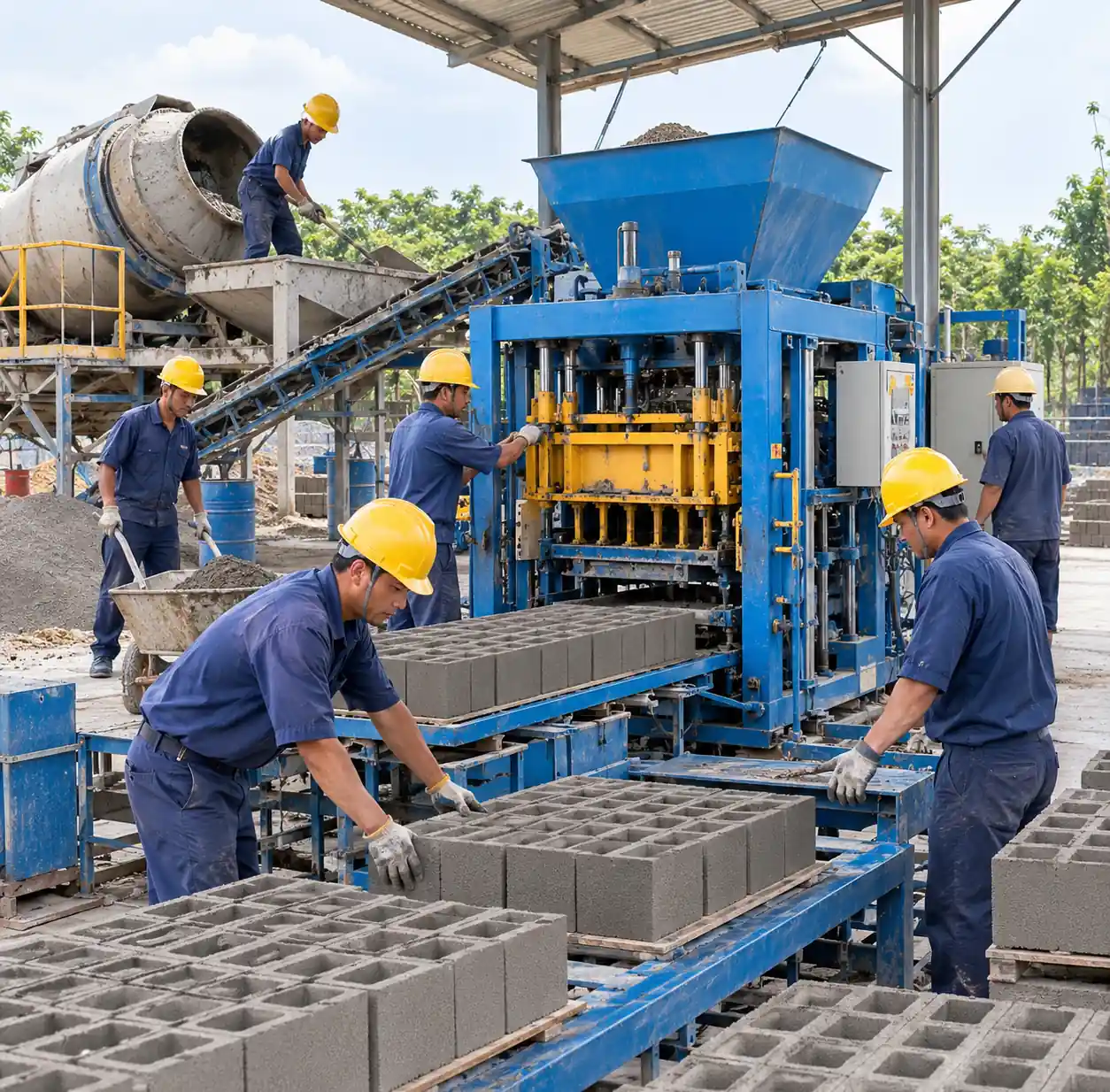
Yes, manual machines handle colored production using integral methods. Challenges include consistent manual dosing, achieving thorough mixing (longer time, streaking risk), and lower volumes limiting cost amortization. Semi-automatic machines with mechanical mixing provide better consistency.
What causes within-batch color variation?
Incomplete pigment dispersion (requires 3-4 minute mixing), inconsistent mold filling creating density differences, or variable compaction pressure. Less commonly, rapid moisture loss during early curing or dirty molds contribute. Fixed mixing protocols, consistent filling, and clean molds minimize variation.
Do colored blocks match gray block strength?
Yes, when properly formulated. Iron oxides at 3-6% don’t reduce strength—some studies show slight increases from particle packing. Poorly designed mixes with excessive water do lose strength. Follow proper mix design adjusting water and cement appropriately.
Which colors sell best?
Red, terra cotta, and earth tones (red and yellow oxides) represent 60-70% of sales. Charcoal and dark gray (black oxide): 15-20%. Tan and buff (yellow oxide): 10-15%. Specialty colors (green, white, blue) serve niche markets at premium pricing but lower volumes.
Conclusion
Colored block production transforms commodity concrete into architectural products commanding 30-70% premiums through controlled pigment integration, surface finishes, and rigorous quality control. Success requires understanding pigment chemistry, implementing consistent batching, and positioning toward design-focused markets.
Technical challenges—maintaining color consistency, managing material costs, implementing specialized quality controls—are substantial but solvable through systematic processes and appropriate equipment. Manufacturers investing in proper pigment selection, automated batching, and comprehensive testing consistently achieve reject rates under 3% while capturing premiums making colored blocks the most profitable product segment.
Start with one color (red iron oxide at 5% provides reliable results) and one finish (smooth face requires no additional equipment). Master consistency before expanding range. Build reference samples, document thoroughly, and refine with each run. Successful colored block operations didn’t start with ten colors—they started with one done exceptionally well.