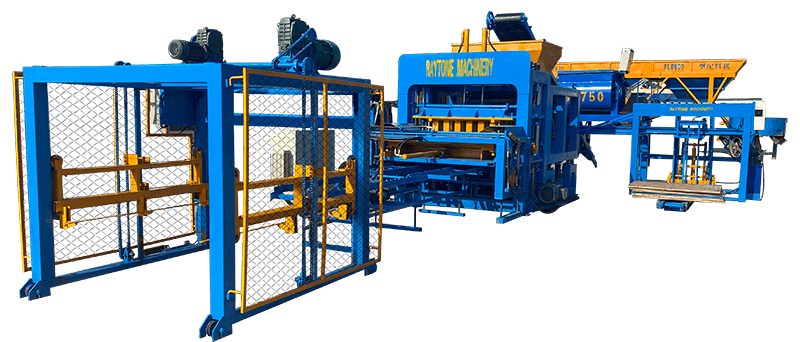
Ghana’s construction industry is projected to grow 5.9% in 2026, driven by government infrastructure investments and surging housing demand. With concrete consumption forecast to jump from 39,279 m³ to 99,431 m³ by 2030—a 26.3% annual increase—block manufacturing presents a compelling opportunity. Yet cement prices at GH¢72-GH¢101 per bag and equipment costs ranging $850-$35,000 mean success requires precise planning beyond optimistic projections. This complete business plan provides actual investment figures, equipment selection criteria, raw material economics, and operational strategies that distinguish profitable Ghanaian block producers from those struggling with negative cash flow.
Why Ghana’s Block Manufacturing Market Is Growing
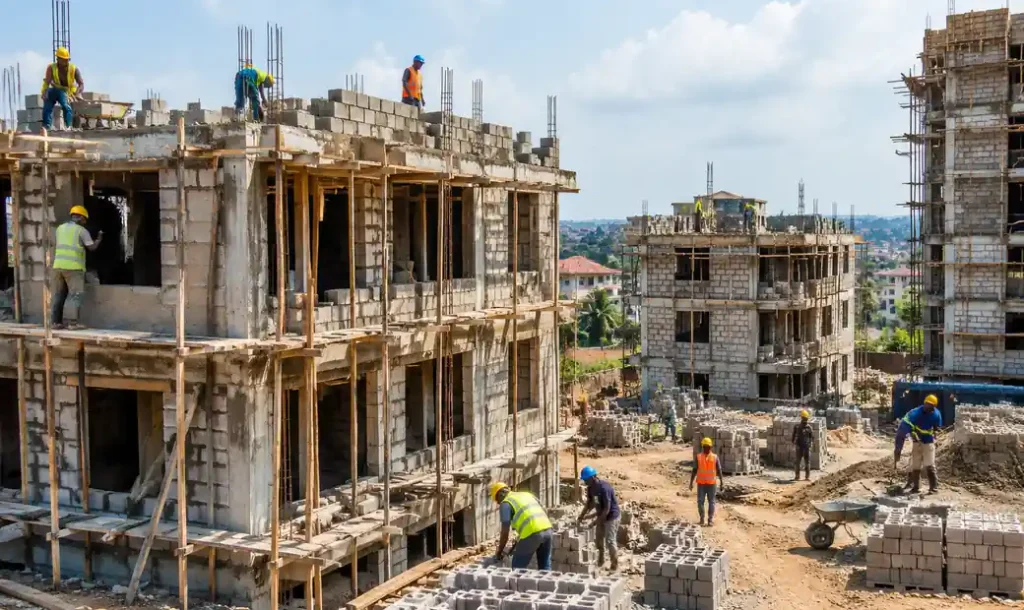
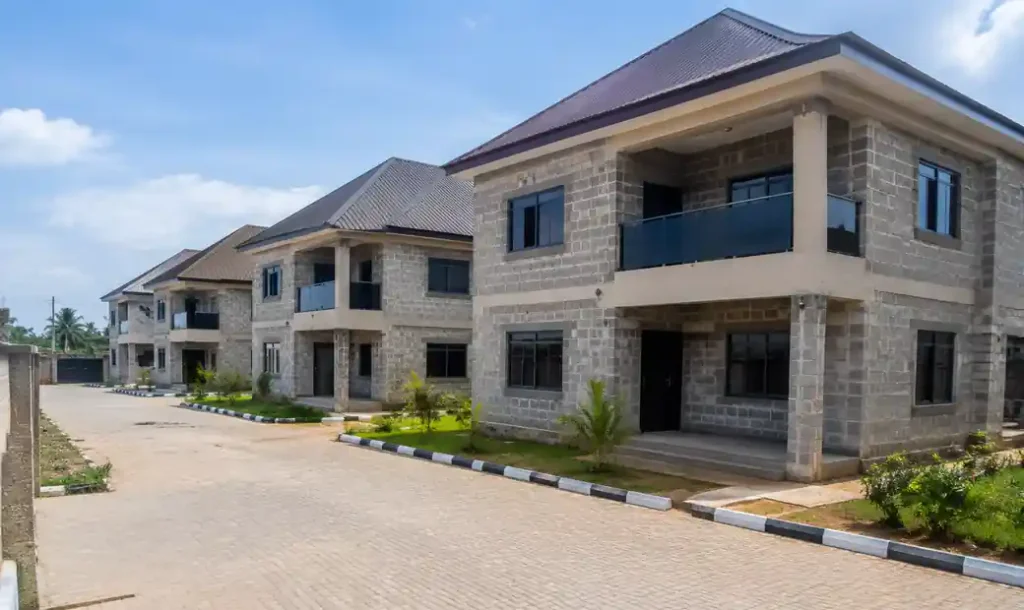
Ghana’s construction boom creates sustained demand for concrete blocks. State Housing targets 600 housing units for 2027, while the government’s “Big Push” infrastructure program accelerates transport and energy projects requiring millions of blocks annually.
Greater Accra, Kumasi, and Tema experience continuous residential development. Benchmark pricing shows six-inch blocks at GH¢6.20 each, with producers securing bulk orders from contractors. Profitability requires managing cement price volatility—CIMAF ranges from GH¢72 to GH¢98—and addressing power challenges.
Complete Investment Breakdown for Ghana
Understanding true startup costs prevents the undercapitalization that causes 60% of small manufacturers to fail within 18 months. These figures reflect October 2026 market conditions in Accra and Tema.
| Investment Category | Cost Range (GH¢) | Cost Range ($) | Critical Notes |
|---|---|---|---|
| Semi-Automatic Block Machine | GH¢13,500 – GH¢32,400 | $850 – $2,000 | Recommended for startups |
| Land (12-Month Lease) | GH¢16,000 – GH¢48,000 | $1,000 – $3,000 | Industrial zone preferred |
| Concrete Mixer (JS500) | GH¢12,800 – GH¢19,200 | $800 – $1,200 | Essential for quality |
| Water Storage System | GH¢4,800 – GH¢8,000 | $300 – $500 | 3,000-5,000L capacity |
| Block Pallets (200 units) | GH¢6,400 – GH¢11,200 | $400 – $700 | Wood or plastic options |
| Shelter/Curing Area | GH¢11,200 – GH¢19,200 | $700 – $1,200 | Three-sided structure |
| Generator/Power Backup | GH¢19,200 – GH¢32,000 | $1,200 – $2,000 | ECG unreliability factor |
| Initial Raw Materials | GH¢16,000 – GH¢24,000 | $1,000 – $1,500 | 2-week production supply |
| Tools & Equipment | GH¢4,800 – GH¢8,000 | $300 – $500 | Wheelbarrows, shovels |
| Business Registration | GH¢3,200 – GH¢6,400 | $200 – $400 | RGD, permits, licenses |
| Working Capital | GH¢24,000 – GH¢40,000 | $1,500 – $2,500 | 3-month buffer |
| TOTAL INVESTMENT | GH¢131,900 – GH¢248,400 | $8,250 – $15,500 | Complete setup |
These costs reflect current Greater Accra pricing. Ashanti and Northern regions typically see 12-18% lower land and labor costs, though transport from Tema port adds GH¢800-GH¢1,600 to equipment delivery.
Equipment Selection: Manual vs Semi-Automatic vs Automatic
Machine choice determines production capacity, labor requirements, and ROI timeline.
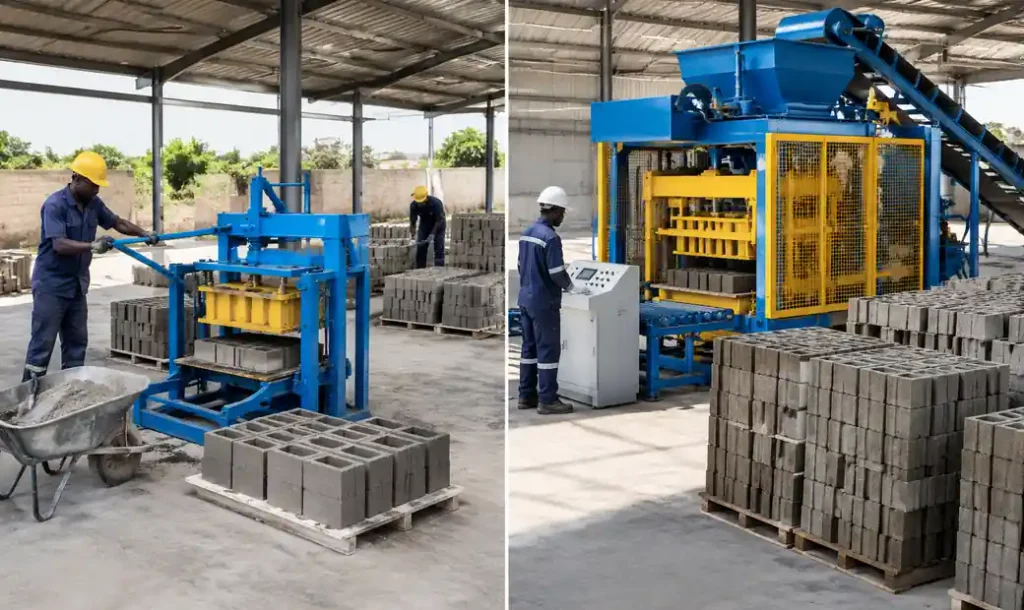
Manual Block Machines: GH¢4,800 – GH¢13,500
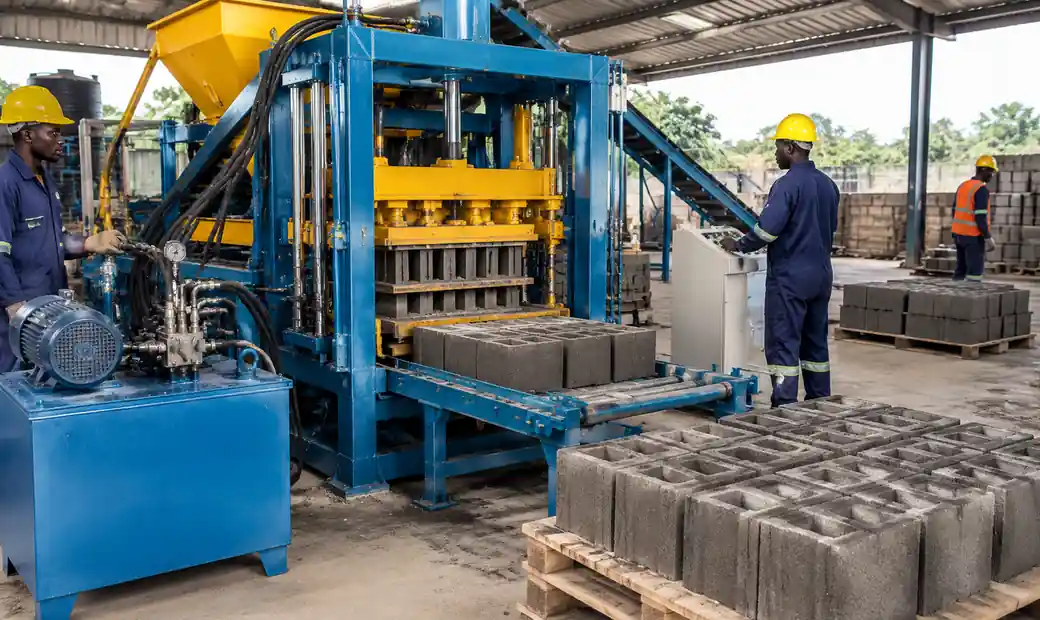
Manual machines produce 400-800 blocks per shift with 4-6 workers, suiting rural operations with minimal electricity. However, strength varies with operator technique, and most producers outgrow manual capacity within 12 months.
Semi-Automatic Machines: GH¢13,500 – GH¢32,400 (Recommended)
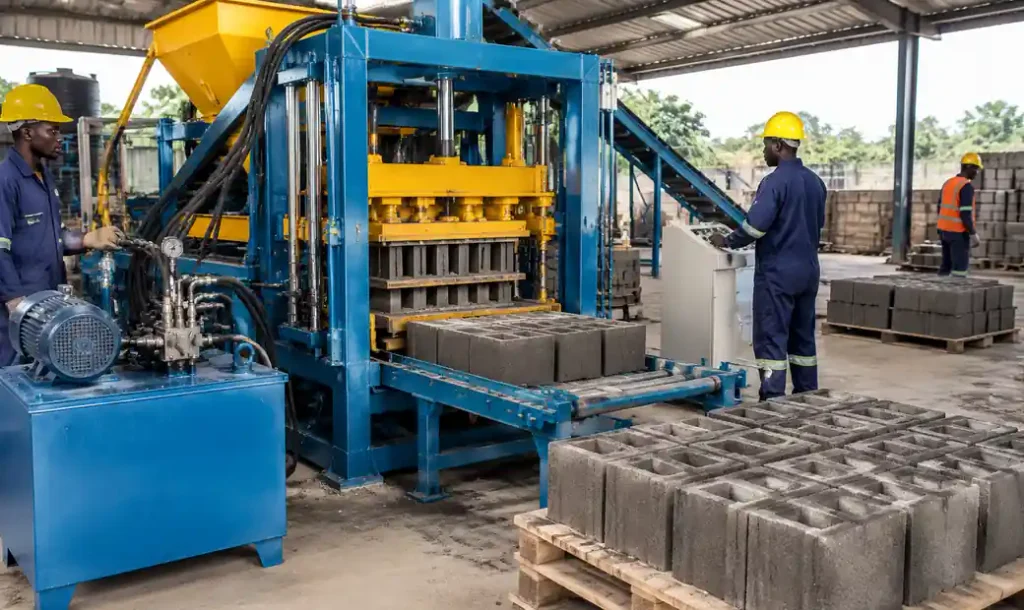
Semi-automatic equipment produces 1,200-2,400 blocks per shift with 2-3 workers. The QT4-24 runs on standard 220V power, delivers consistent 20-25 MPa strength, and achieves 14-18 month ROI. Hydraulic systems tolerate voltage fluctuations better than automatic machines, and local technicians handle maintenance.
Fully Automatic: GH¢192,000 – GH¢960,000
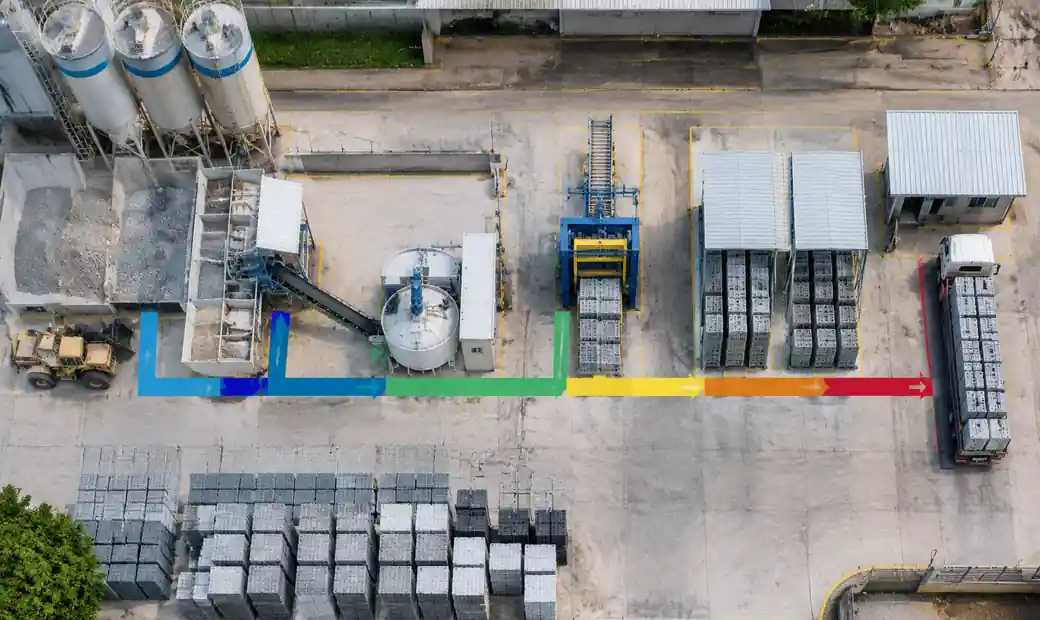
Automatic lines deliver 4,000-46,000 blocks per shift but require three-phase power and costly backup generators. These suit large contractors with secured contracts, not startups.
Raw Material Costs and Production Economics
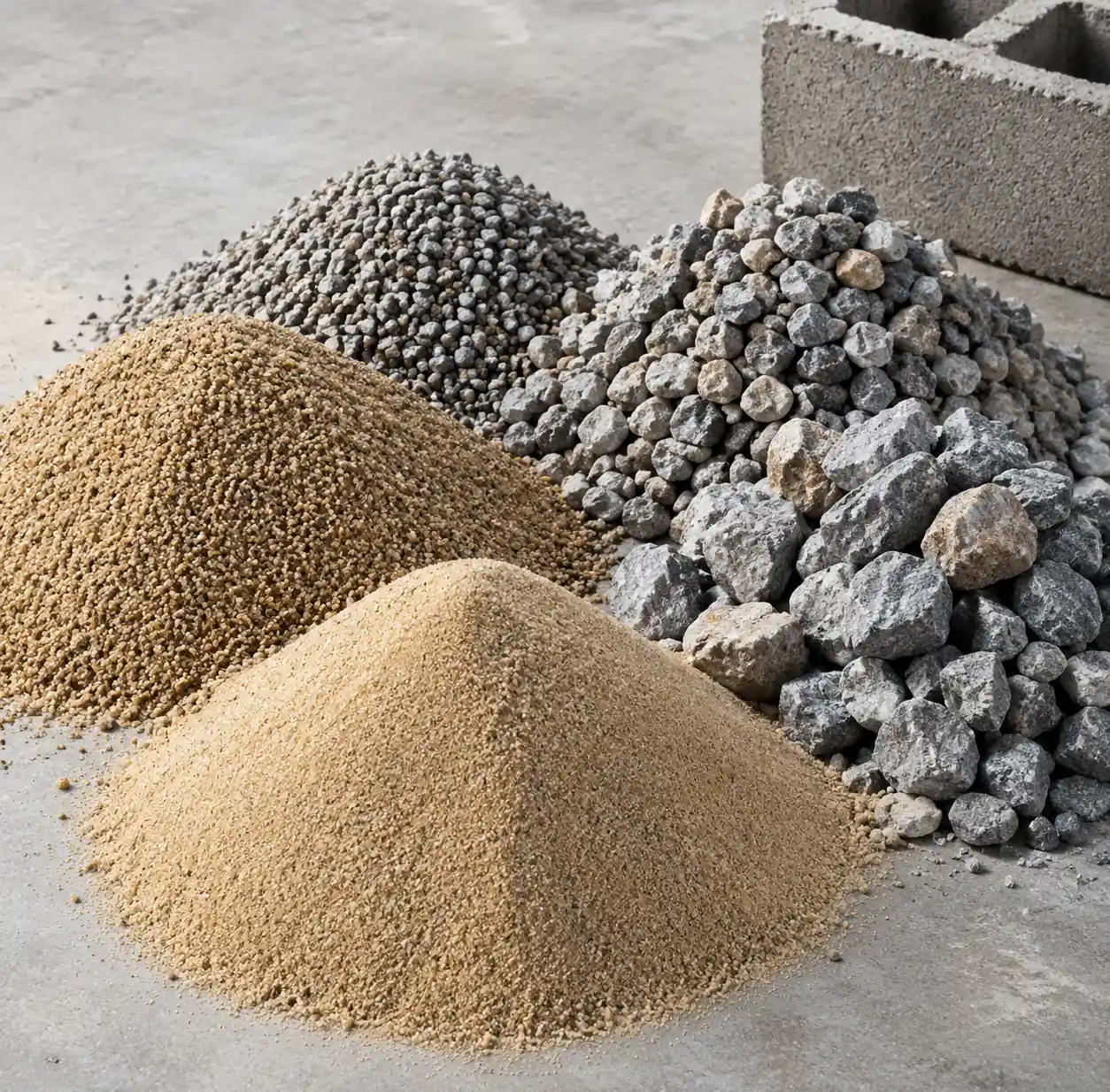
Cement, sand, and aggregate represent 70-75% of total block costs. Understanding exact consumption and sourcing strategies determines profitability.
Standard 6-Inch Block Production Formula
For 150mm × 200mm × 400mm hollow blocks:
Materials Per Block:
- Cement: 0.32-0.38 kg (at GH¢85/bag = GH¢0.54-GH¢0.65 per block)
- Sharp sand: 2.0-2.4 kg (GH¢0.22-GH¢0.28 per block)
- Granite/aggregate: 2.8-3.2 kg (GH¢0.26-GH¢0.32 per block)
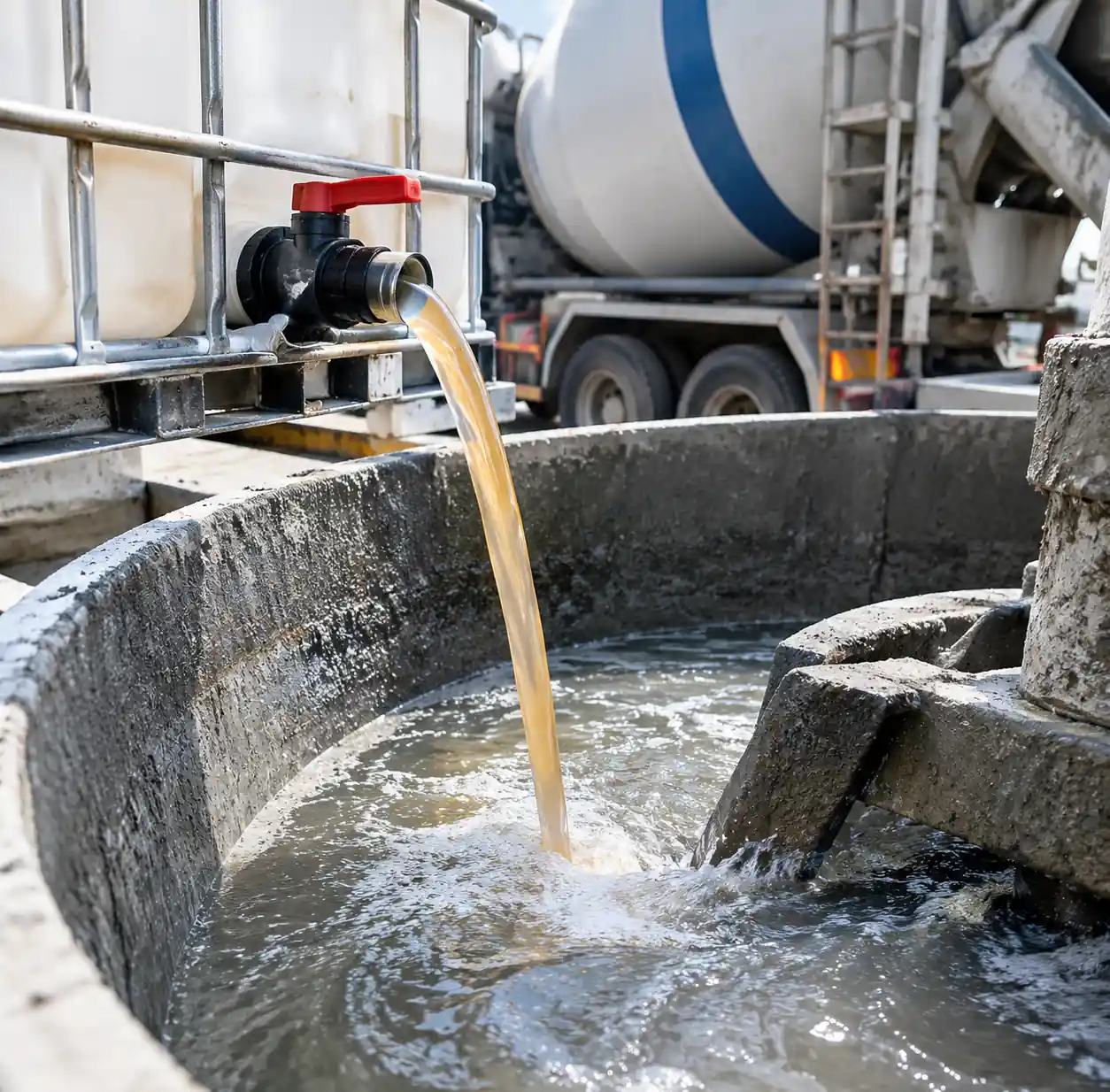
- Water: 0.28-0.32 liters
- Total raw material cost: GH¢1.02-GH¢1.25 per block
You can produce 150-180 blocks per 50kg cement bag using 9-10% cement content, achieving 20-22 MPa compressive strength for residential construction. Reducing cement below 8% saves GH¢0.15-GH¢0.20 per block but produces weak blocks failing GSA standards and damaging reputation.
Cement Sourcing in Ghana
October 2026 prices across major brands:
| Cement Brand | Price Range (50kg) | Regional Availability | Best For |
|---|---|---|---|
| CIMAF Foreman | GH¢72 – GH¢75 | Nationwide | Budget production |
| CIMAF 42.5R | GH¢95 – GH¢98 | Greater Accra, Ashanti | Premium blocks |
| Diamond Cement | GH¢82 – GH¢88 | Tema, Accra | Standard production |
| Ghacem | GH¢88 – GH¢95 | Nationwide | Consistent quality |
Bulk purchasing from distributors saves GH¢4-GH¢6 per bag when ordering 100+ bags monthly. Establishing 30-day payment terms with suppliers manages cash flow during the 45-60 day payment cycles common with contractors, though this requires demonstrating production history and financial stability.
Power Supply Strategy for Block Production
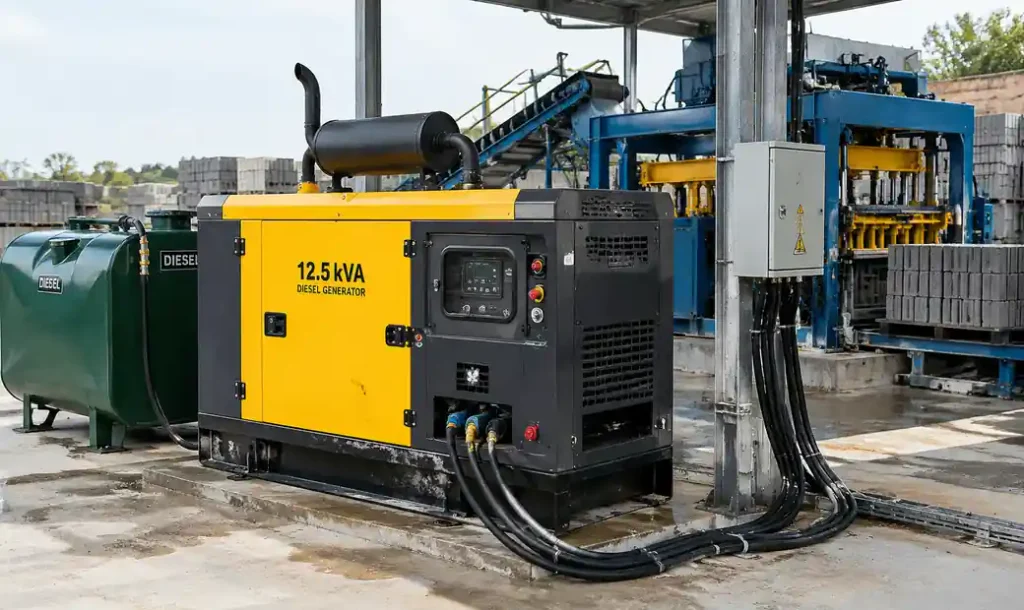
ECG reliability varies by location. Greater Accra experiences 3-6 hour daily outages, rural areas face 10-14 hours. Plan for generator-primary power.
Generator Economics
Semi-Automatic Setup (12-15 kVA):
- Generator cost: GH¢19,200 – GH¢28,800
- Diesel: 2.5-3.5 liters/hour at GH¢30/liter
- Daily fuel (8 hours): GH¢60-GH¢84
- Adds GH¢0.10-GH¢0.14 per block
Solar Hybrid Option:
8-10kW solar with battery costs GH¢96,000-GH¢144,000 upfront but reduces operational costs 60-75% after 18-24 months.
Sales and Marketing Strategies
Secure consistent orders before full launch to prevent cash flow pressure.
Target Customer Segments
Individual Home Builders (40%): Residential projects need 500-2,000 blocks. Cash payment eliminates receivables risk.
Small Contractors (35%): Order 8,000-25,000 blocks with 30-45 day terms. Quality consistency builds repeat business.
Large Developers (25%): Estate projects order 50,000-200,000+ blocks with 60-90 day cycles. Require adequate working capital but provide volume.
Pricing Strategy
Market positioning by quality tier:
- Economy blocks (18-20 MPa): GH¢5.80-GH¢6.20
- Standard blocks (20-22 MPa): GH¢6.20-GH¢6.80
- Premium blocks (22-25 MPa): GH¢6.80-GH¢7.50
Offer delivery within 15km for GH¢0.40-GH¢0.60 per block as competitive advantage.
Production and Quality Control
Consistent quality secures repeat orders and prevents returns.
Critical Quality Controls
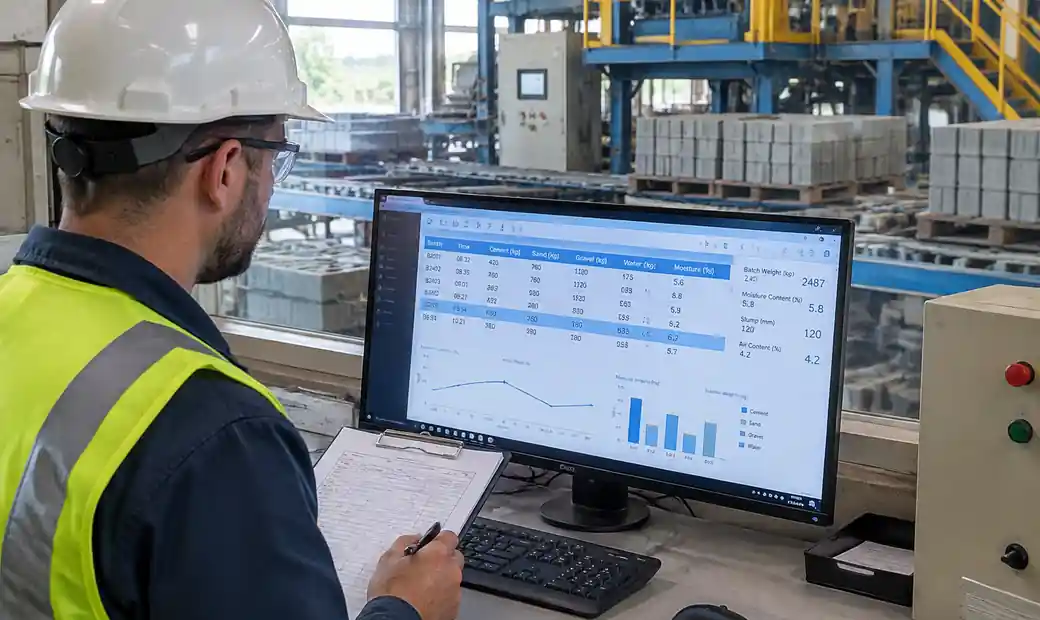
1. Cement-to-Aggregate Ratio: Maintain 1:8 to 1:10 ratio using measuring boxes, not eyeball mixing.
2. Water Content: Mix should hold shape when squeezed without being soupy. Excess water reduces strength 30-40%.
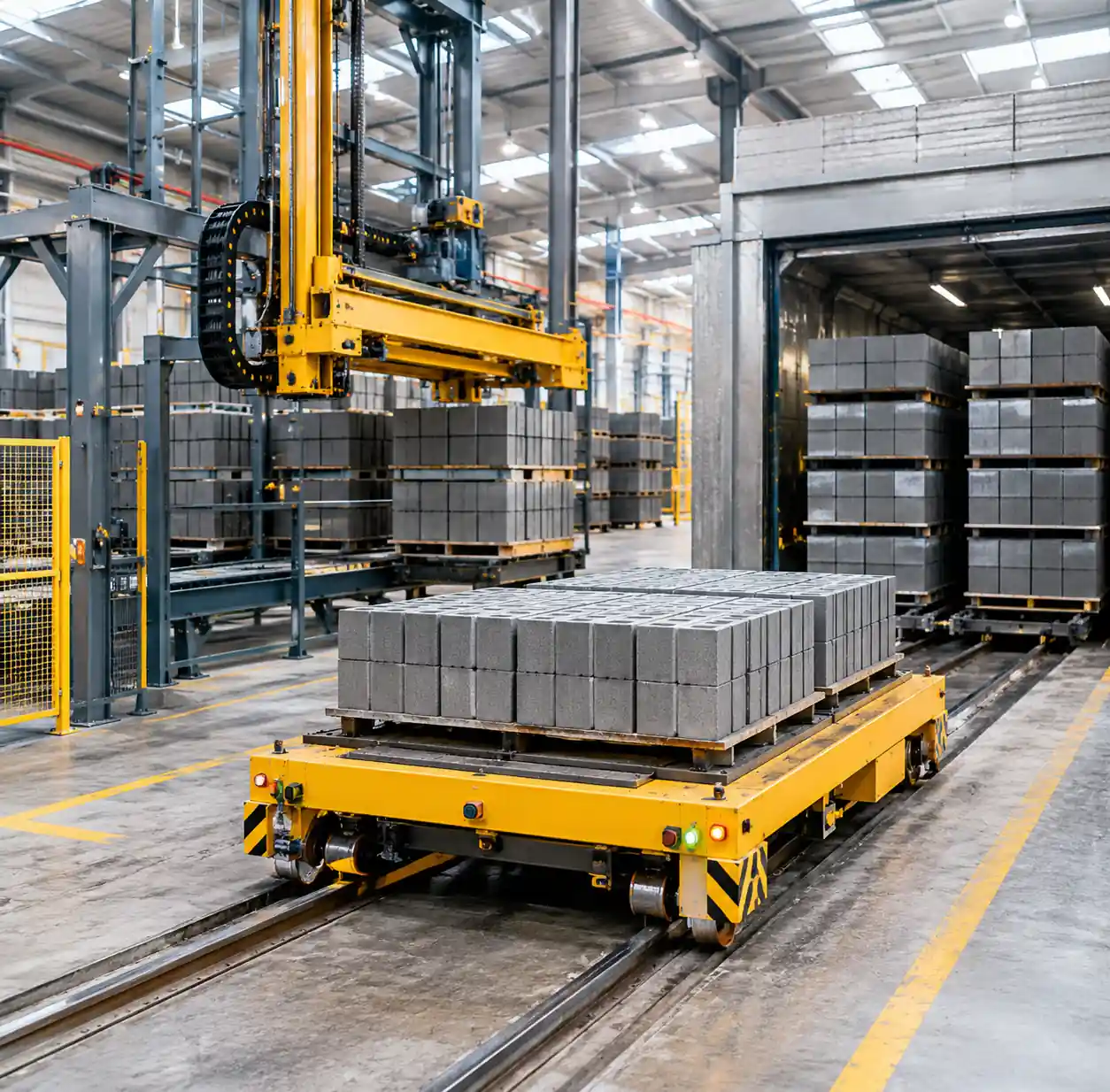
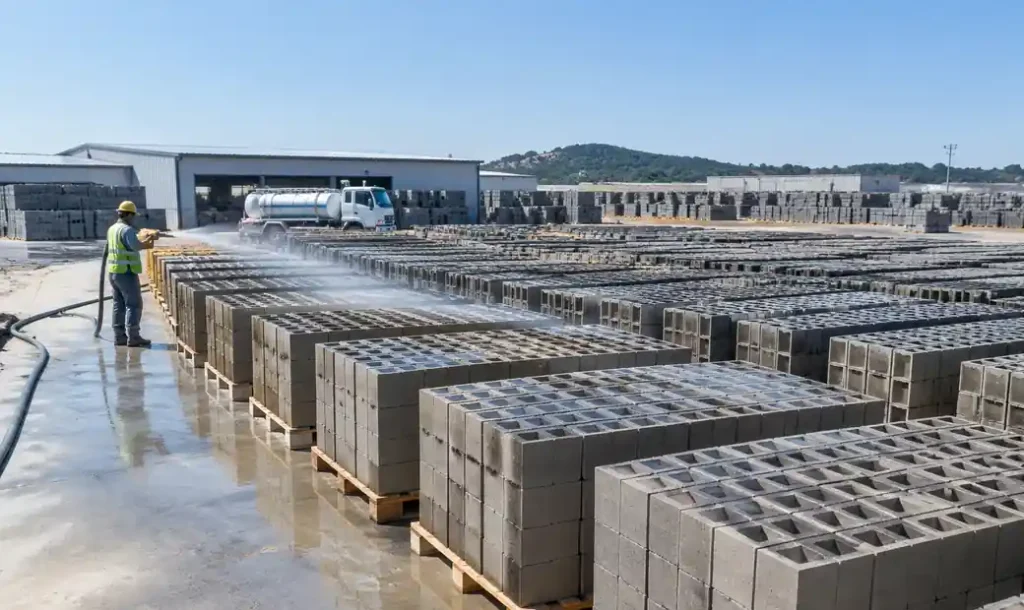
3. Curing Process: Spray blocks twice daily for 7 days to achieve 80% strength. Skipping this causes cracking during transport.
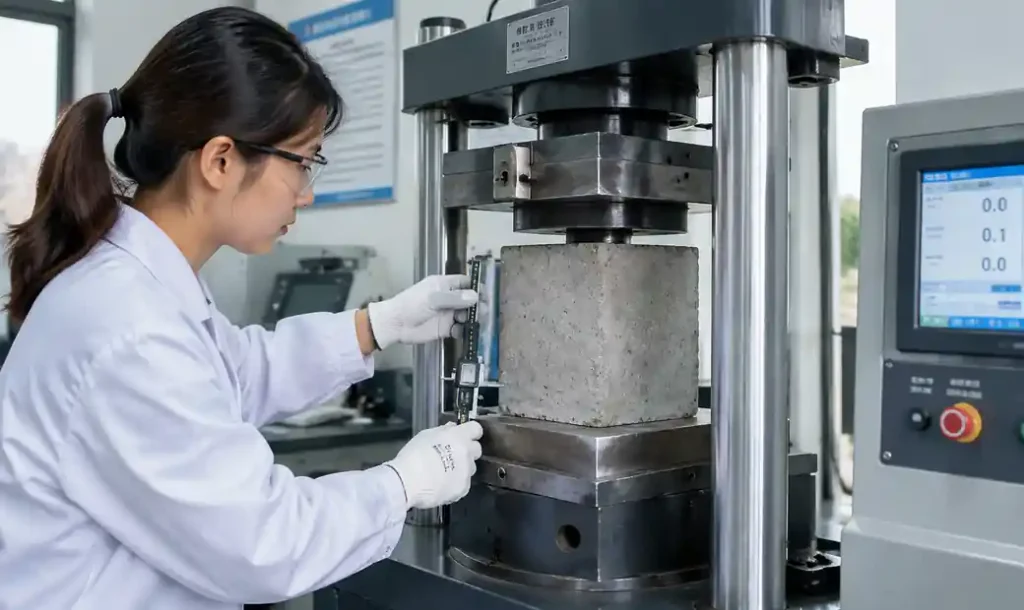
4. Compressive Testing: Test 5% of production at GSA-approved labs (GH¢40-GH¢60 per sample) to demonstrate compliance.
Regulatory Requirements and Business Registration
Essential registrations:
1. Registrar General’s Department: Business name registration costs GH¢240-GH¢400, takes 3-5 days.
2. Ghana Revenue Authority: Free TIN registration enables legal invoicing. Register for VAT when turnover exceeds GH¢500,000.
3. Assembly Operating Permit: GH¢150-GH¢400 annually from your district assembly.
4. Ghana Standards Authority: Optional certification costs GH¢2,000-GH¢4,000 but opens government contracts and large developer accounts.
Financial Projections and ROI Analysis
Understanding realistic revenue and profit timelines prevents the overly optimistic projections that lead to cash flow crises.
Semi-Automatic Operation (1,200-2,000 Blocks Daily)
Monthly Revenue (22 Working Days):
- Production: 26,400-44,000 blocks
- Sales (85% of production): 22,440-37,400 blocks
- Revenue at GH¢6.20/block: GH¢139,128-GH¢231,880
Monthly Operating Costs:
- Raw materials (GH¢1.15/block): GH¢25,806-GH¢43,010
- Diesel/power: GH¢1,440-GH¢2,016
- Labor (3 workers): GH¢4,500-GH¢7,200
- Transport/delivery: GH¢4,488-GH¢7,480
- Maintenance/misc: GH¢2,000-GH¢3,500
- Total costs: GH¢38,234-GH¢63,206
Monthly Profit: GH¢100,894-GH¢168,674
Annual Profit: GH¢1,210,728-GH¢2,024,088
ROI Timeline: 1.5-2.5 months for equipment recovery, 8-14 months for complete investment recovery including working capital.
These projections assume 85% capacity utilization—aggressive for startups but achievable after building customer base over 3-6 months. First-year operations typically see 60-70% utilization as you establish market presence.
Common Challenges and Solutions
Challenge 1: Cash Flow Gaps
Problem: Contractors pay 45-60 days after delivery while suppliers demand 7-14 day payment.
Solution: Maintain 6-8 weeks working capital. Offer 5% cash discount. Build supplier credit after 3-6 months consistent orders.
Challenge 2: Seasonal Demand
Problem: Rainy season (April-October) sees 30-40% demand drops.
Solution: Build dry season inventory. Diversify into interlocking blocks. Adjust production schedule during slow months.
Challenge 3: Equipment Downtime
Problem: Machine breakdowns cause delivery delays and lost sales.
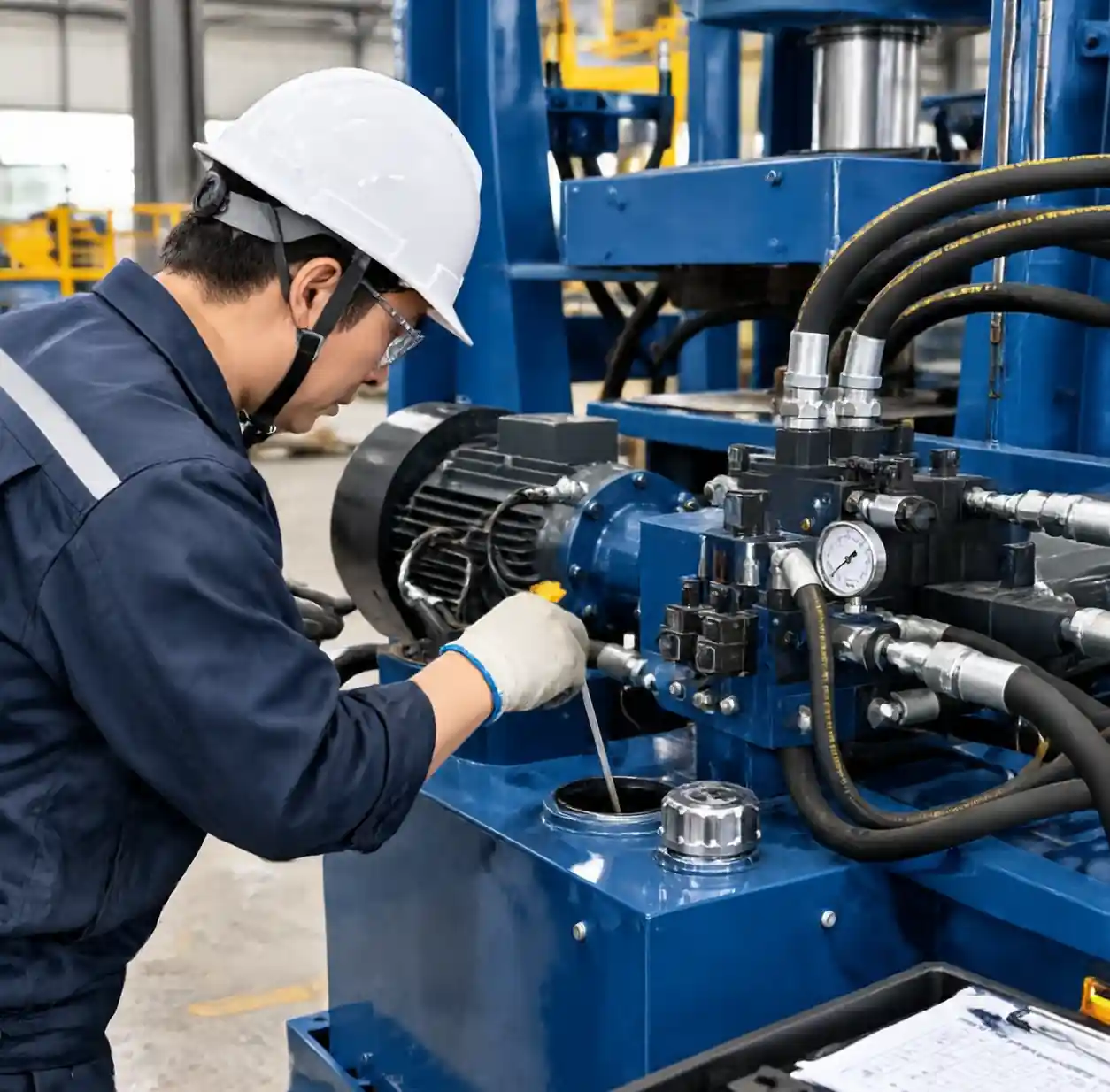
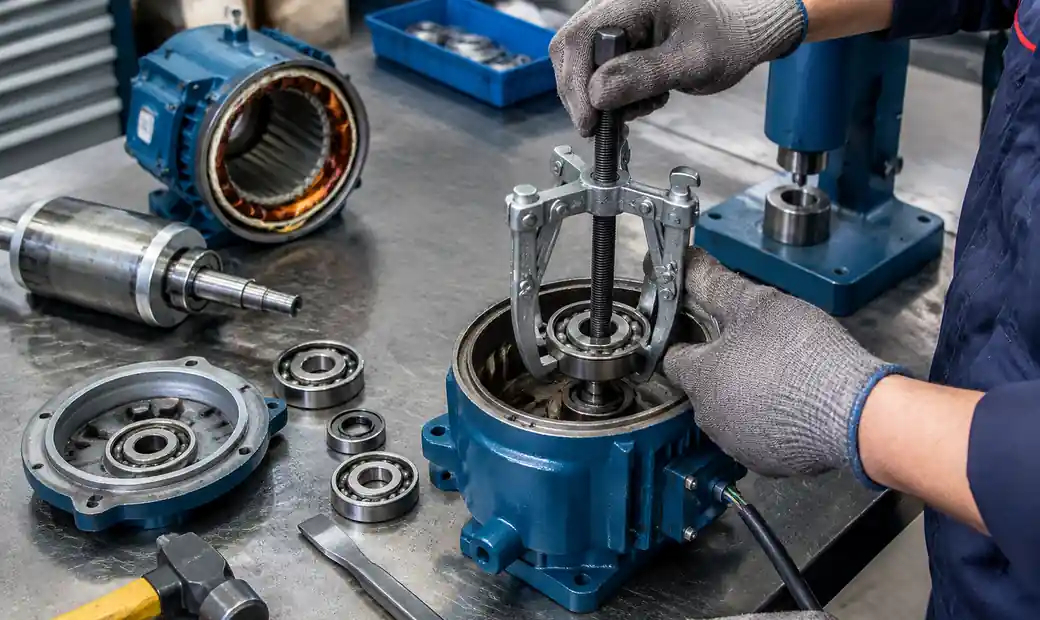
Solution: Stock critical spare parts. Establish Raytone Block Machinery service relationships before breakdowns. Schedule preventive maintenance during low-demand periods.
FAQ
How much can I earn from block making in Ghana?
Profits range GH¢100,000-GH¢170,000 monthly with semi-automatic machine at 85% capacity, selling 22,000-37,000 blocks at GH¢6.20. First-year operations achieve 60-70% capacity while building customer base, generating GH¢65,000-GH¢95,000 monthly.
What is the best machine for starting in Ghana?
Semi-automatic machines (GH¢13,500-GH¢32,400) offer optimal balance. The QT4-24 produces 1,200-2,400 blocks daily with 2-3 workers, runs on 220V power, and achieves 14-18 month ROI.
How long do blocks need to cure before selling?
Blocks require 7-day water curing for 80% strength and 14-day for 95% strength. Selling after 3-4 days causes transport cracking and returns.
What permits do I need to operate legally?
RGD business registration (GH¢240-GH¢400), GRA TIN (free), and Assembly operating permit (GH¢150-GH¢400 annually). GSA certification (GH¢2,000-GH¢4,000) opens government contracts.
How do I compete with established producers?
Focus on service over lowest price. Offer reliable delivery schedules, consistent quality, delivery services, and responsive communication. Many established producers compromise quality chasing volume—your consistency creates advantage.
What are the biggest mistakes to avoid?
Undercapitalization (failing to maintain 3-month working capital), premature scaling (buying expensive equipment before securing demand), and quality shortcuts (reducing cement destroys reputation). Also, operating without permits risks shutdowns, and neglecting curing creates weak blocks.
Conclusion
Starting a block manufacturing business in Ghana requires GH¢132,000-GH¢248,000 investment and generates GH¢65,000-GH¢170,000 monthly profit when operated strategically. Ghana’s 5.9% construction growth and 26.3% annual concrete demand increase through 2030 create sustained opportunity.
Semi-automatic machines offer optimal economics for startups, delivering 1,200-2,400 daily blocks with manageable labor and power requirements. Success depends on securing 3-5 reliable contractor accounts, maintaining strict quality controls, and building working capital cushion for payment timing gaps.
Raytone Block Machinery manufactures equipment designed for African market conditions. Our QT4-24 and QT4-40 models deliver consistent quality while tolerating voltage fluctuations. Contact us today for equipment specifications and technical support.