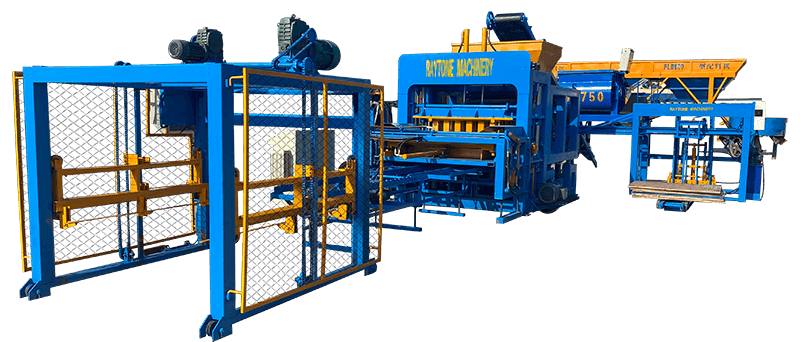






Starting a block manufacturing business with limited capital? The egg layer block machine eliminates costly pallet investments while maintaining production flexibility. This mobile equipment produces concrete blocks directly on the ground, reducing initial setup costs by 30-40% compared to stationary systems.
This guide examines egg layer block machines for startup investments, covering production economics, space requirements, and model recommendations for bootstrap budgets.
What Is an Egg Layer Block Machine?
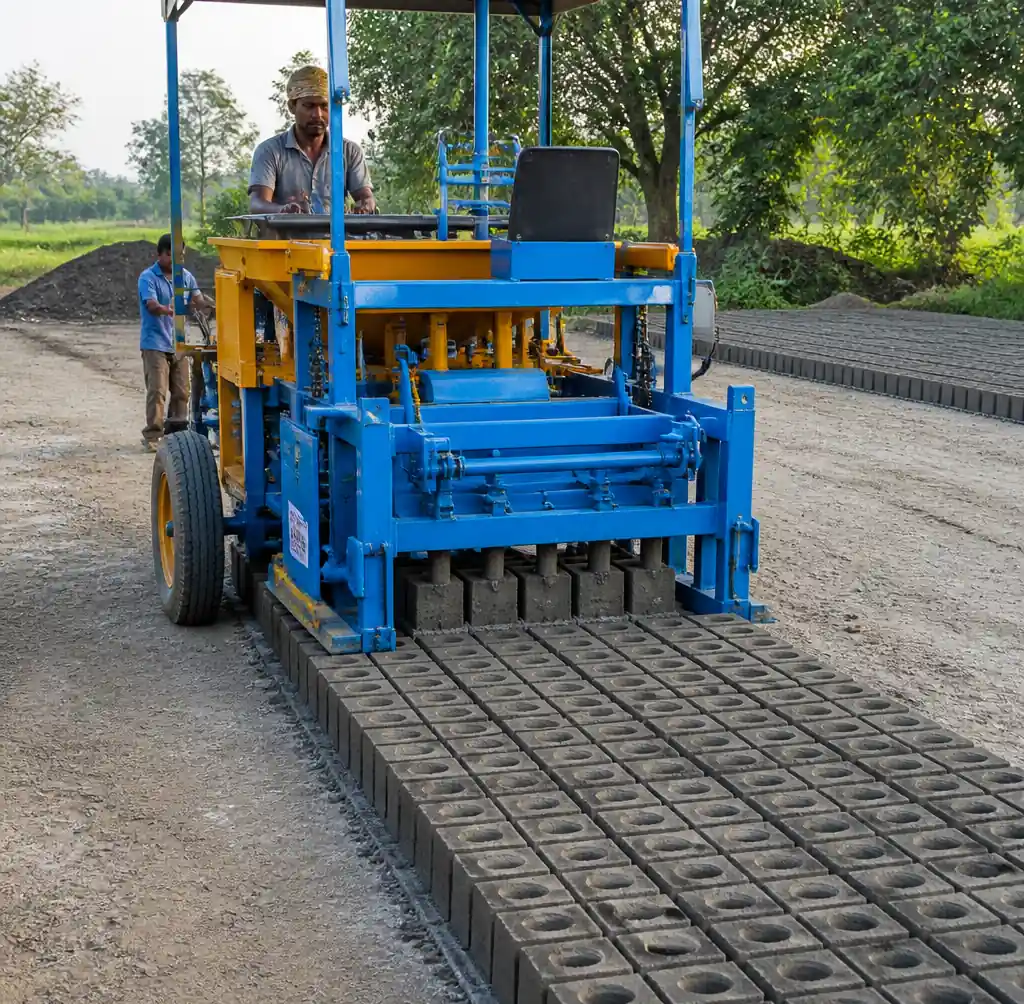
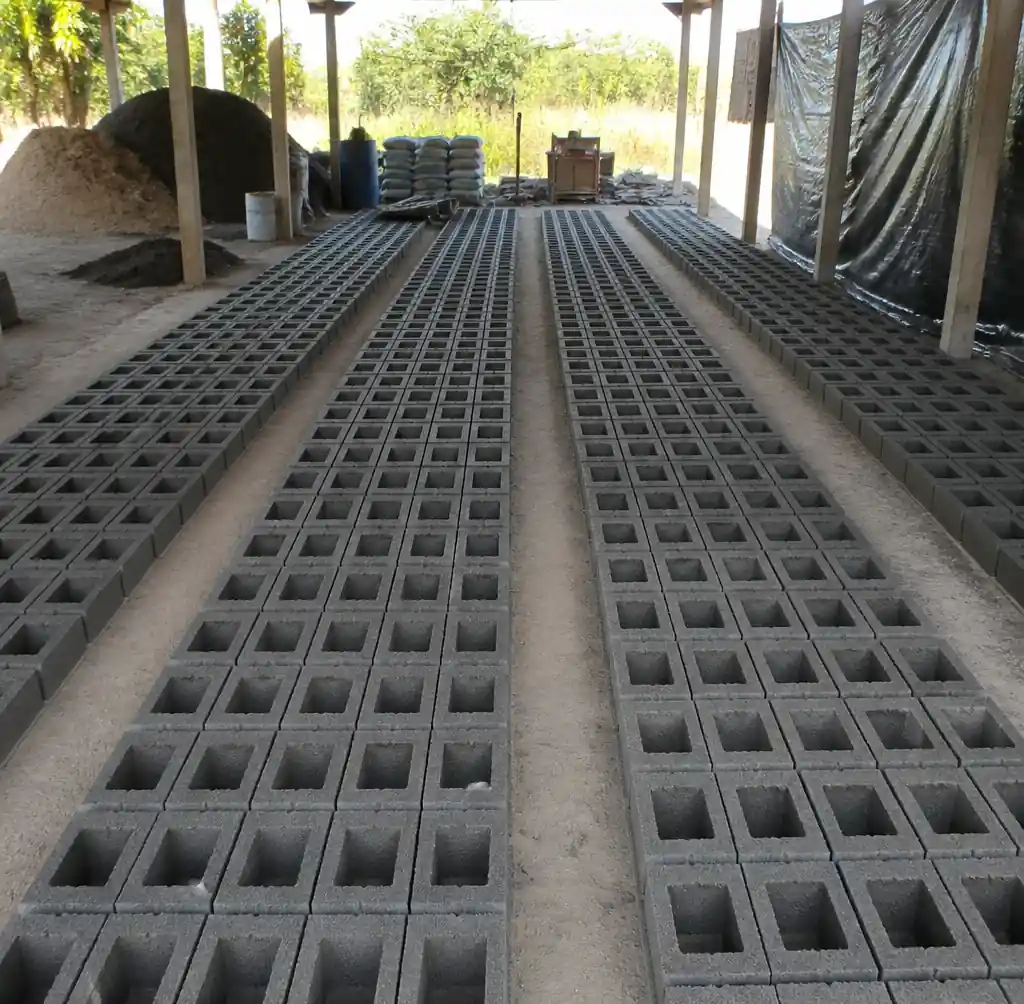
An egg layer block machine is a mobile concrete block making unit that deposits finished blocks directly onto the ground after each molding cycle. Unlike conventional stationary block machines requiring pallets, egg layer systems eliminate pallet costs entirely.
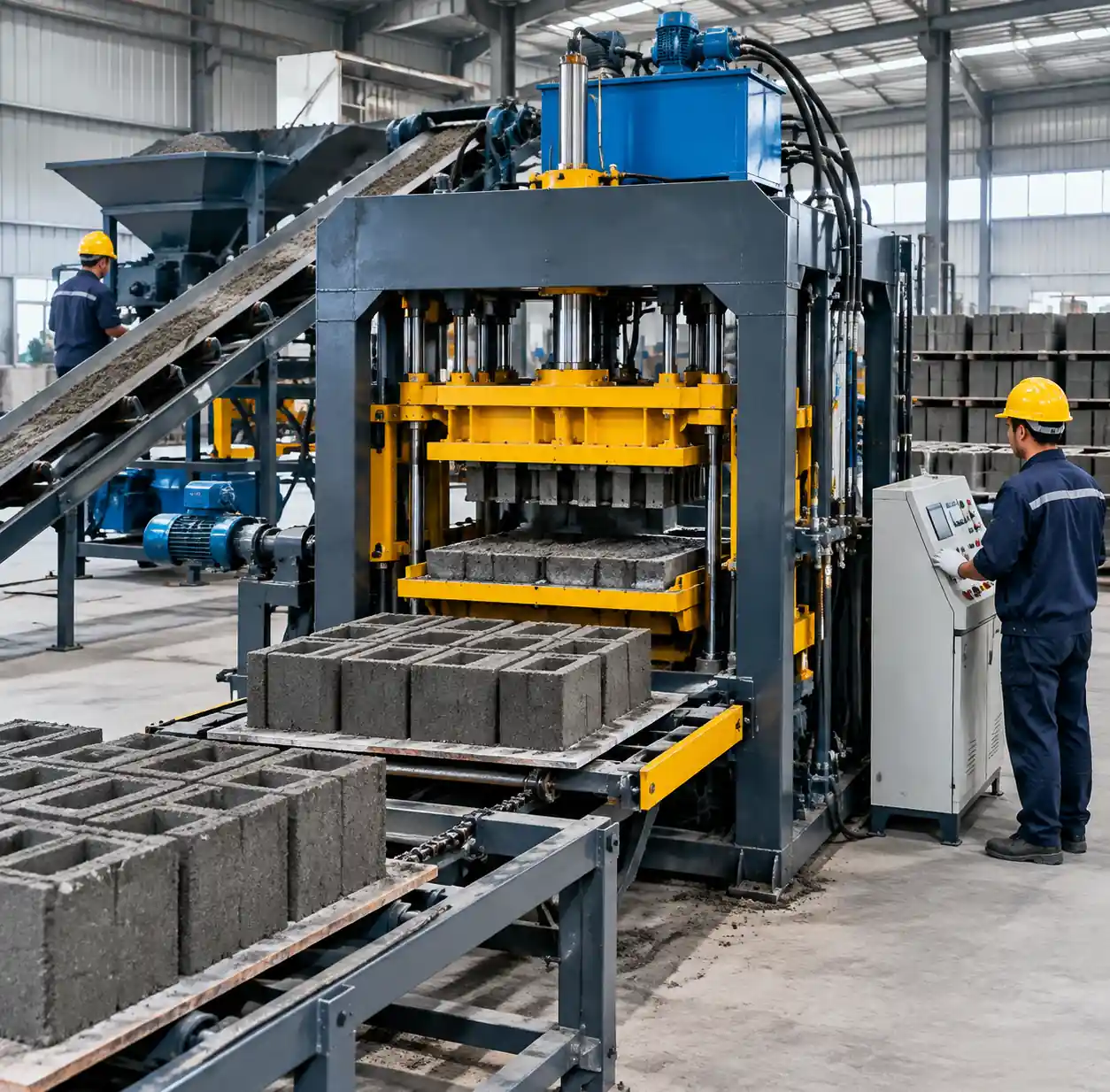
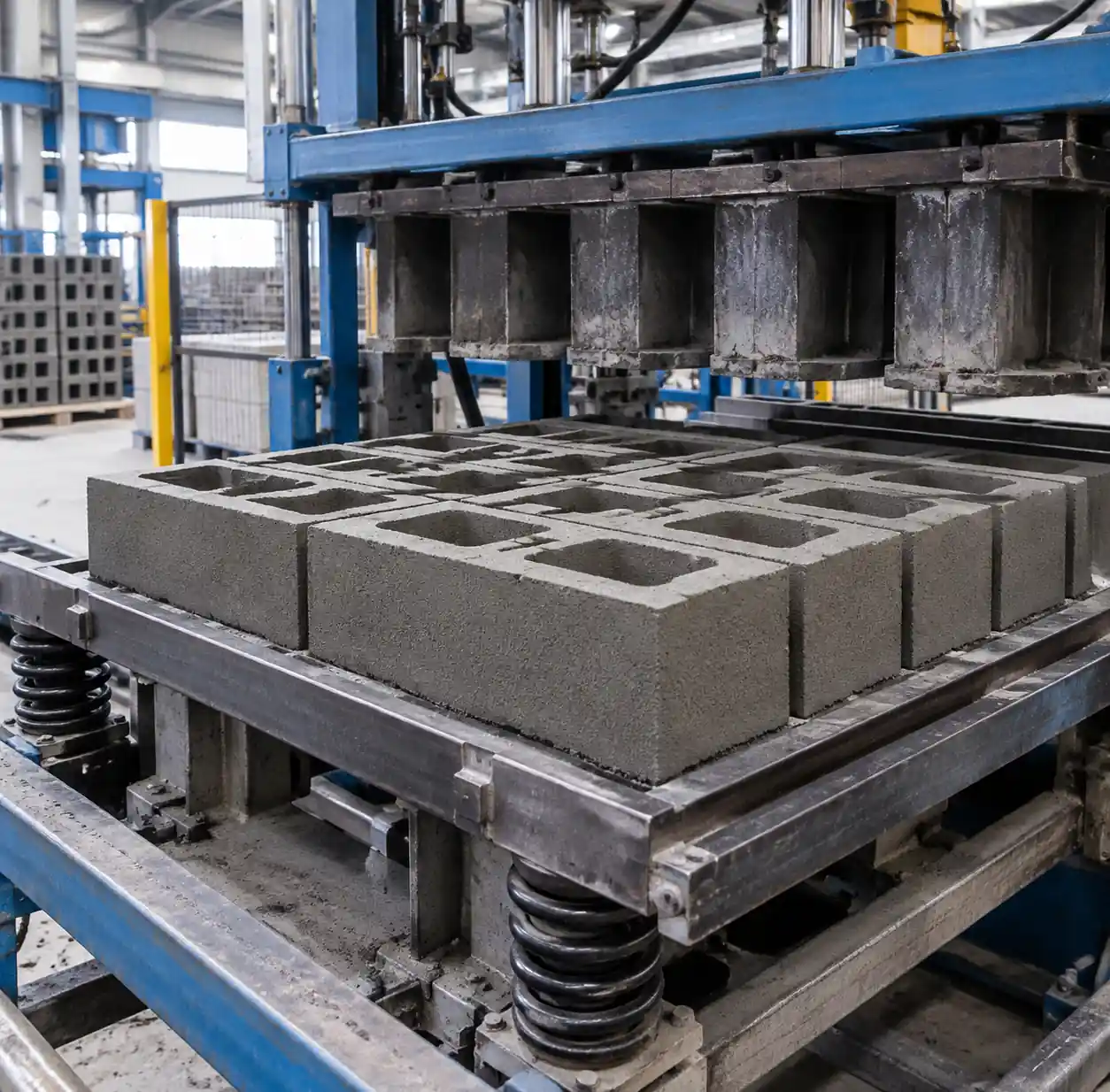
The production cycle: material loading (operators feed premixed concrete), compression and vibration (hydraulic pressure 15-25 MPa compresses concrete), demolding (machine lifts mold, leaving blocks on ground), and forward movement (machine advances to next position). This pallet-free approach cuts initial capital requirements significantly.
Why Egg Layer Machines Suit Startup Businesses
Minimal Capital Investment
Traditional stationary machines demand 200-300 pallets at $8-$12 each ($1,600-$3,600), plus storage racks ($800-$1,200) and forklifts ($5,000-$8,000). Your pallet system alone consumes $7,400-$12,800. Egg layer machines eliminate these expenses—a 30-40% reduction making block manufacturing accessible to entrepreneurs testing market demand. Industry data from 2026 shows 42% of first-time rural manufacturers choose egg layer systems, allowing operations to start within 3-4 weeks versus 8-12 weeks for stationary plants.
Space Efficiency and Mobility
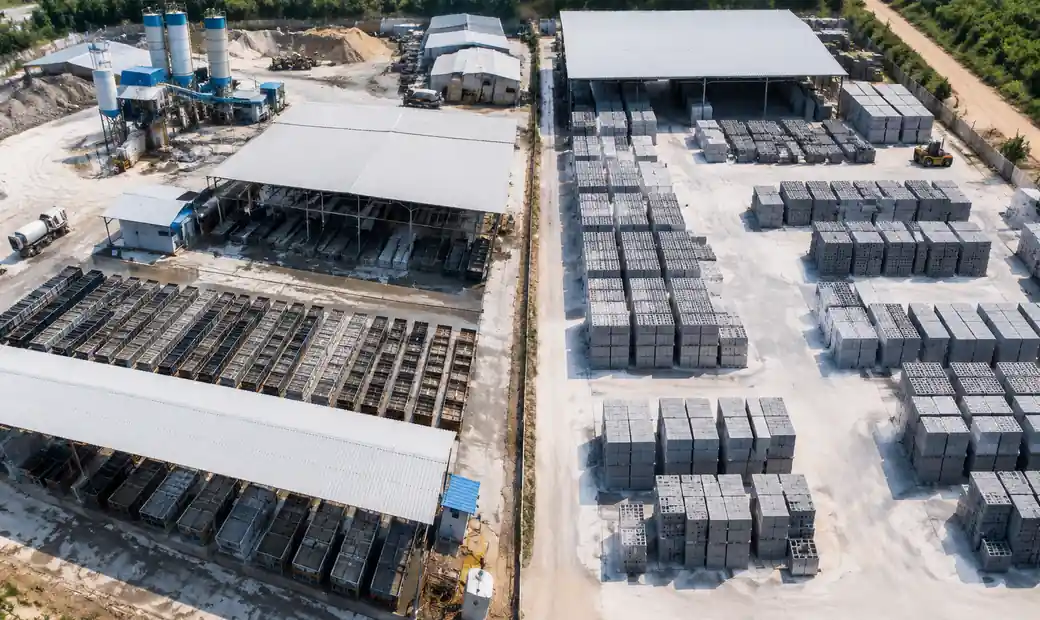
Egg layer machines require 3,200-4,800 sq ft total (400-600 sq ft production, 800-1,200 sq ft material storage, 2,000-3,000 sq ft curing) versus 6,000-9,000 sq ft for stationary systems. The compact footprint suits small plots or leased land.
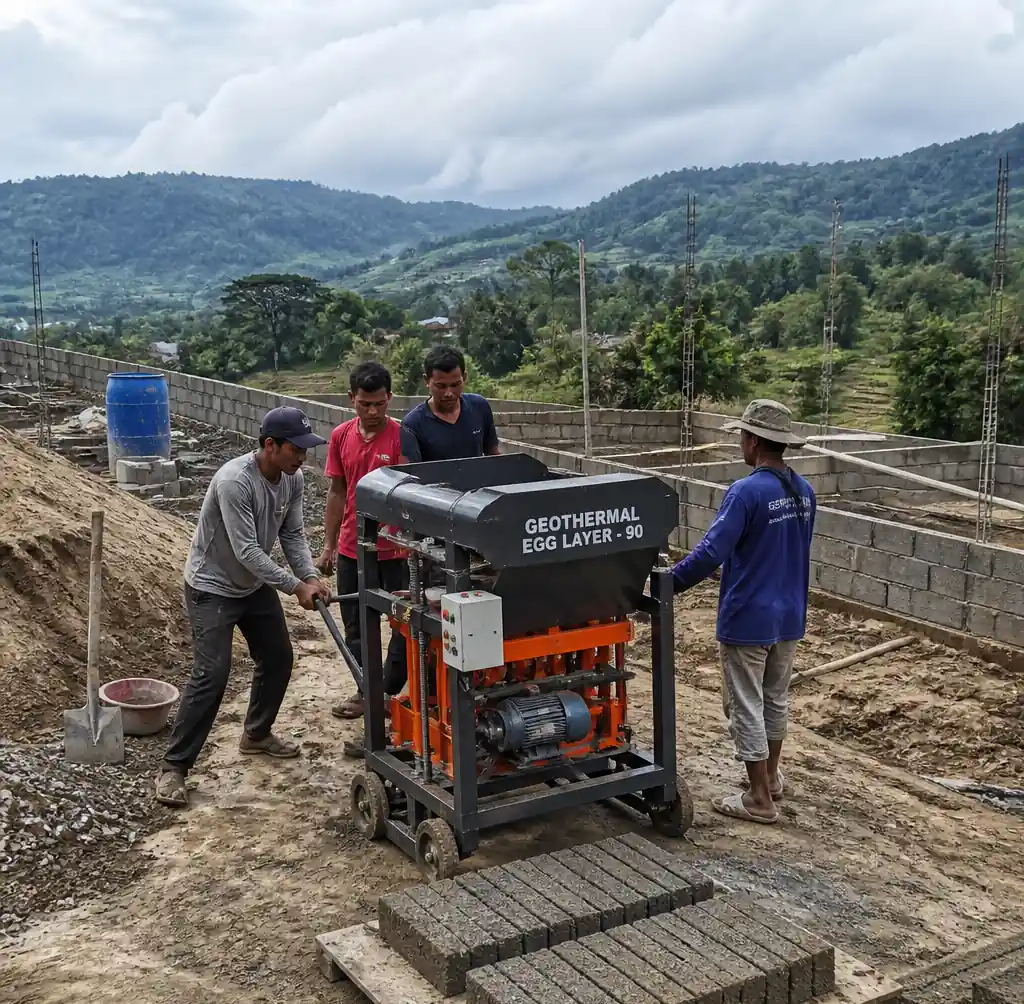
Portability enables on-site production—eliminating transportation costs of $0.10-$0.15 per block beyond 15 km. This suits remote projects, rural sites, infrastructure developments, and contractors wanting supply control. Customers use mobile diesel egg layer machines for mining camps and rural projects where conventional supply chains cannot reach cost-effectively.
Investment Comparison: Egg Layer vs Stationary Machines
| Factor | Egg Layer Machine | Stationary Block Machine |
|---|---|---|
| Machine Cost | $4,500-$8,000 | $8,000-$18,000 |
| Pallet Investment | $0 (not required) | $1,600-$3,600 |
| Material Handling | Manual | $5,000-$8,000 (forklift) |
| Facility Size | 3,200-4,800 sq ft | 6,000-9,000 sq ft |
| Daily Capacity | 400-800 blocks | 800-2,000 blocks |
| Labor Needed | 3-4 workers | 4-6 workers |
| Total Investment | $8,000-$15,000 | $20,000-$35,000 |
| Best For | Startups, rural, mobile | Established, high-volume |
Key Features
Hydraulic vs Manual Systems
Hydraulic models ($6,000-$8,000) use hydraulic cylinders delivering 15-25 MPa, producing denser blocks with better dimensional accuracy. For startups planning to exceed 500 blocks daily within 12 months, hydraulic systems provide better value.
Manual models ($4,500-$6,000) use mechanical levers for compression—suitable for micro-businesses but 20-30% slower with quality depending on operator technique.
Power Options
Diesel models suit locations without stable electricity. Integrated 8-12 HP engines consume 1.5-2.5 liters per hour—ideal for rural sites, mobile operations, and areas with power outages.
Electric models require single-phase 220V (5-8 kW) with 40-50% lower operating costs where electricity is stable—suited for peri-urban areas.
Production Capacity
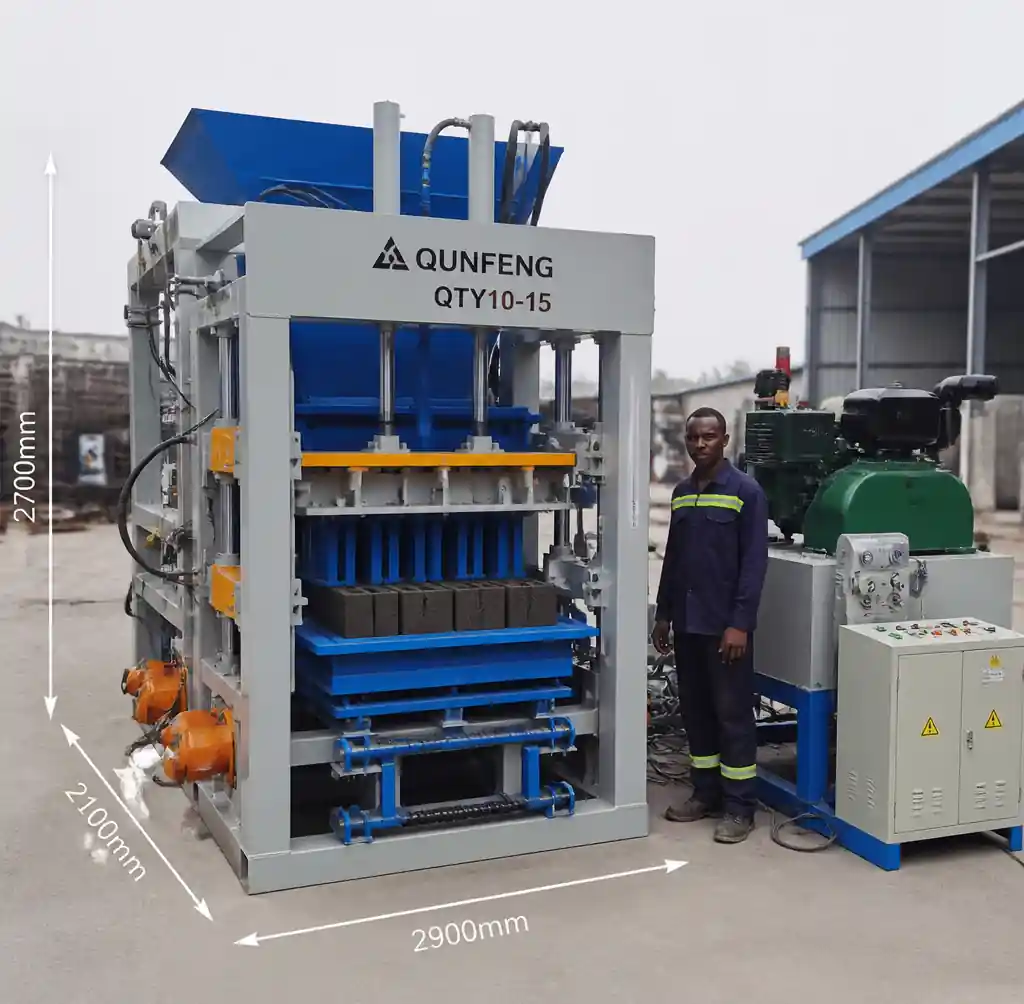
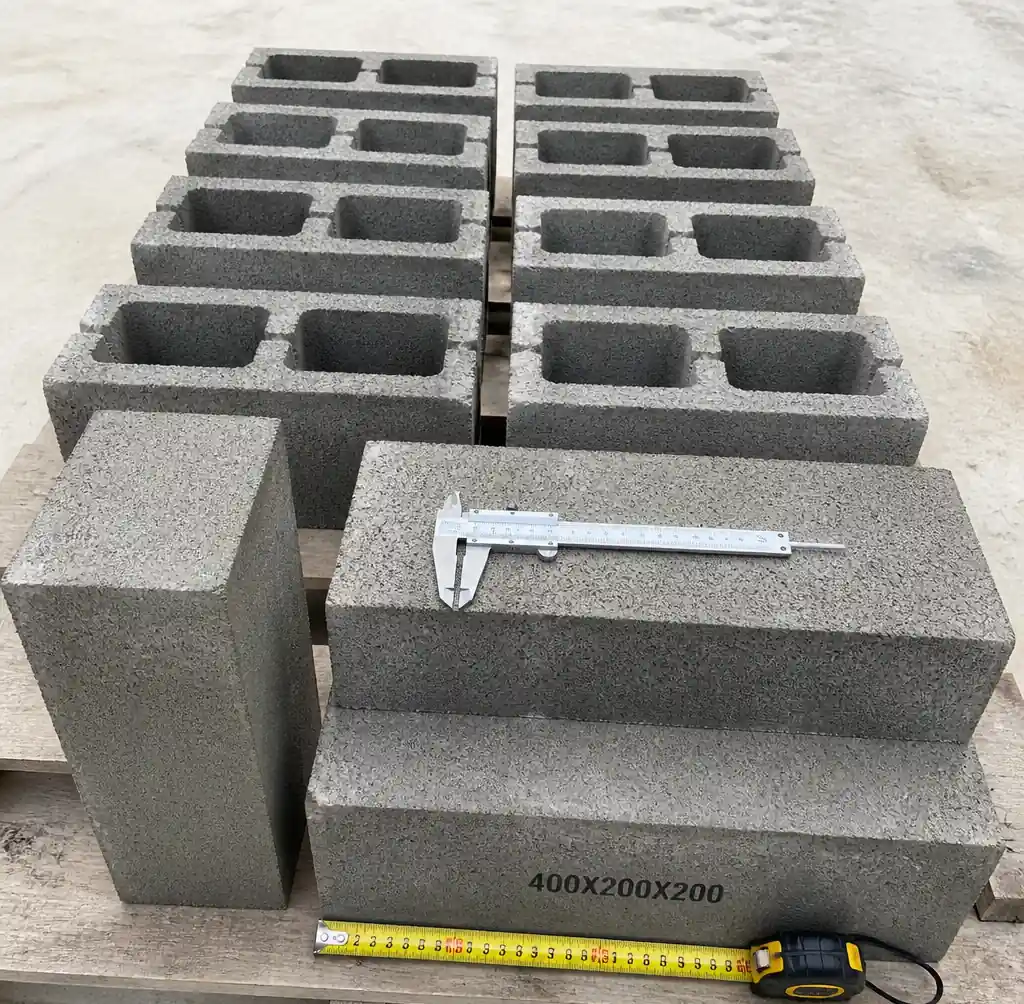
Standard machines produce hollow blocks (400×200×200mm, 400×150×200mm, 400×100×200mm). Hydraulic models deliver 400-500 blocks per 8-hour shift (4 blocks per 30-40 second cycle). Some accept interchangeable molds for interlocking or paving blocks, though mold changes require 30-45 minutes.
Production Economics
Daily Output
Manual models: 300-500 blocks per 8-hour shift (50-70 second cycle, 3-4 workers)
Hydraulic models: 400-800 blocks per shift (30-40 second cycle, 3-4 workers)
First-month production averages 60-70% of rated capacity. By month three, experienced crews achieve 85-95% of maximum.
Cost Per Block (400×200×200mm, 2026)
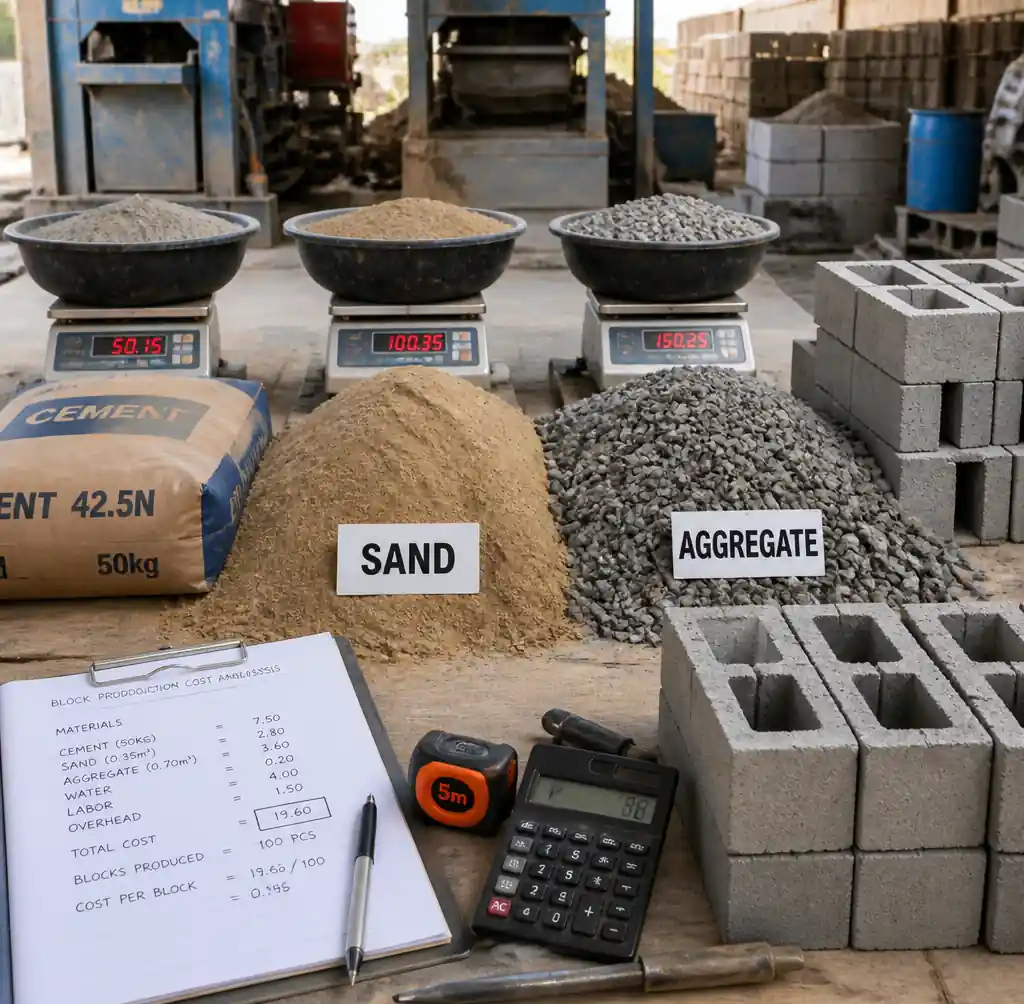
Raw materials: Cement $0.216 + Sand $0.042 + Aggregate $0.038 + Water $0.008 = $0.304
Operating costs: Diesel $0.110/block or Electric $0.097/block
Total production cost: $0.414 (diesel) or $0.401 (electric)
With retail prices of $0.55-$0.75, gross margins reach $0.136-$0.336 per block—daily profit of $68-$168 for 500-block production.
Raytone QTM Series: Recommended Startup Models
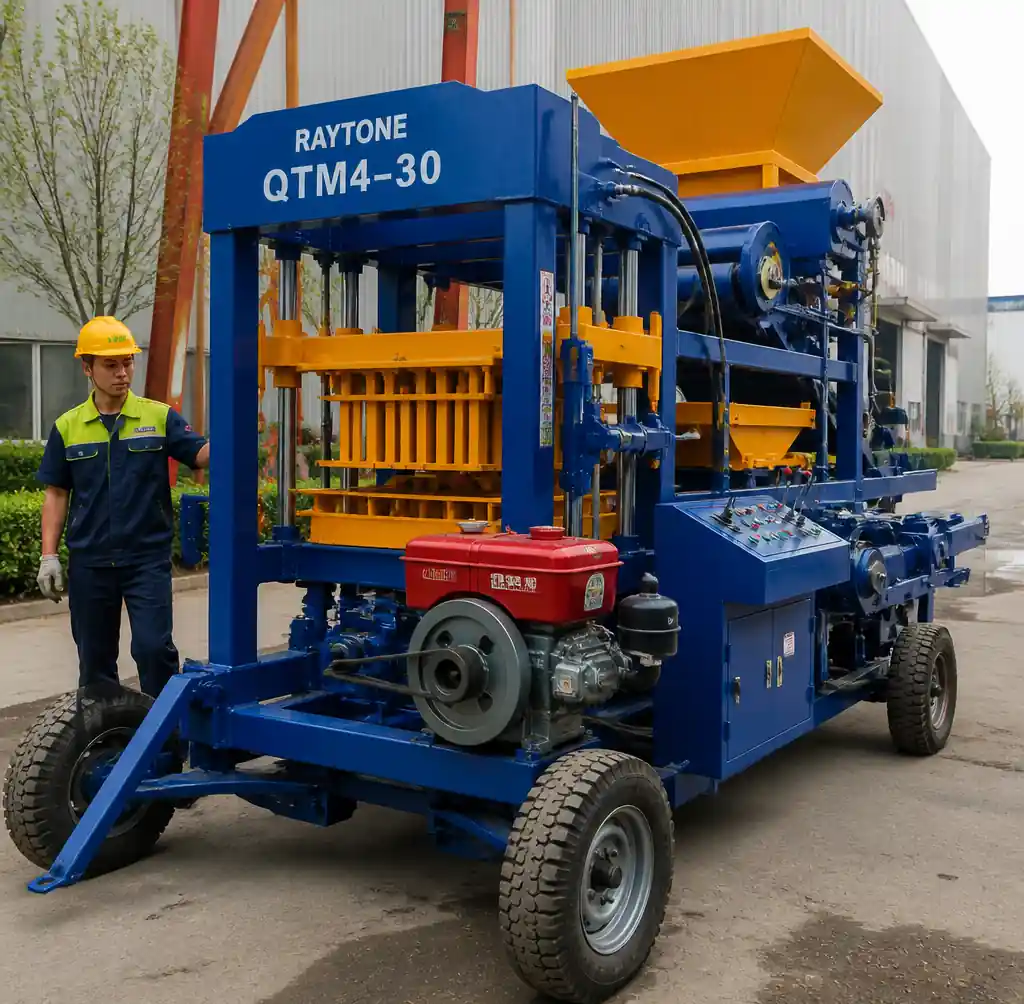
QTM4-30 Mobile Diesel Block Machine
Purpose-built for startups and rural markets, balancing affordability with suitable capacity.
Specifications: 30-35 second cycle, 480-600 blocks/shift, 10 HP diesel engine, 55 Hz vibration, 18 MPa compression, 680 kg weight.
Features: Reinforced frame for rough terrain, four wheels for manual repositioning, sealed cartridge valves (1,200-hour service intervals), 1.8-2.2 liters/hour fuel consumption.
Investment: Machine $7,200-$7,800, mixer $1,200-$1,500, shipping $1,800-$2,400, installation $400-$600. Total equipment: $10,600-$12,300. Add $3,000-$4,000 working capital for startup total of $13,600-$16,300.
At 500 blocks daily (250 days), annual production reaches 125,000 blocks. At $0.20 net profit, gross profit equals $25,000 annually. Payback: 5.1-6.0 months.
Best For: Rural businesses, contractors needing mobility, entrepreneurs with $15,000-$18,000 capital.
QTM6-25 Mobile Hydraulic Block Machine
For larger budgets seeking higher output while maintaining mobility.
Specifications: 25-30 second cycle, 600-800 blocks/shift, diesel (12 HP) or electric (7.5 kW), 60 Hz vibration, 22 MPa compression, 820 kg weight.
Advantages: Six blocks per cycle (versus four), 40-50% capacity boost, diesel/electric options, enhanced vibration produces denser blocks.
Investment: $12,500-$14,300 total equipment. At 700 blocks daily, annual production reaches 175,000 blocks. At $0.20 profit, annual earnings equal $35,000. Payback: 4.3-4.9 months.
Best For: Businesses targeting 100,000-200,000 blocks annually, operations near stable power, confirmed market demand.
Operational Guidelines
Site Preparation
Level surface: Flat within ±10mm over 3-meter span using laser level. Compaction: Ground must support 500-600 kg without sinking—lay 75-100mm crushed stone if needed. Drainage: Maintain 2-3% slope away from storage. Plan curing area for 7-10 days capacity (3,500-5,000 blocks = 1,225-1,750 sq ft plus paths).
Labor and Training
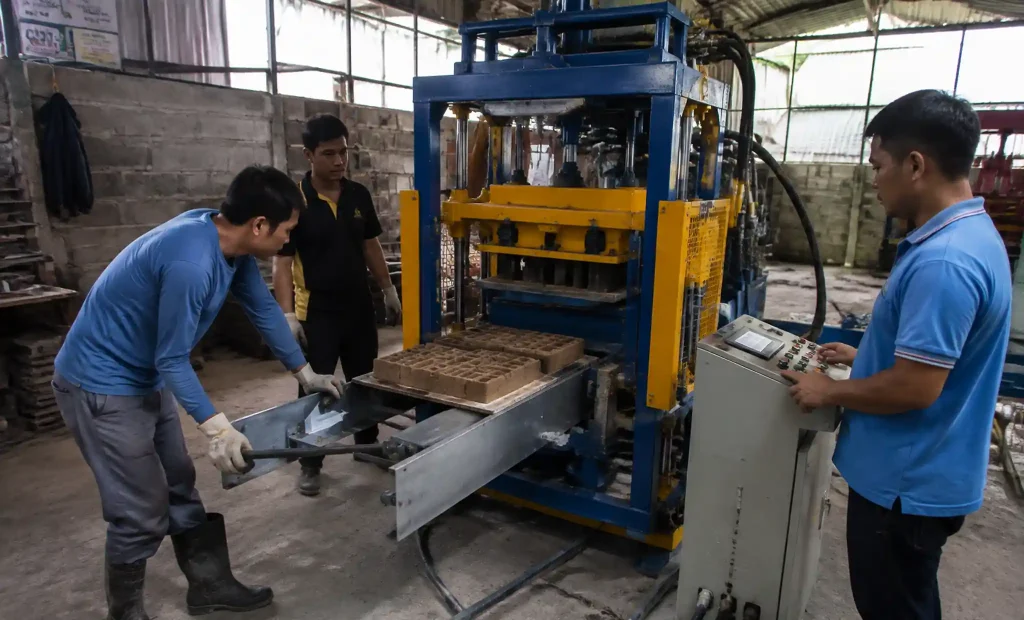
Machine operator (1): 3-5 days training. Material feeders (2): 1-2 days. Mixer operator (1): 4-6 days (critical role). Productivity: Week 1-2 (50-60% capacity), Week 3-6 (70-80%), Week 7-12 (85-95%).
Maintenance
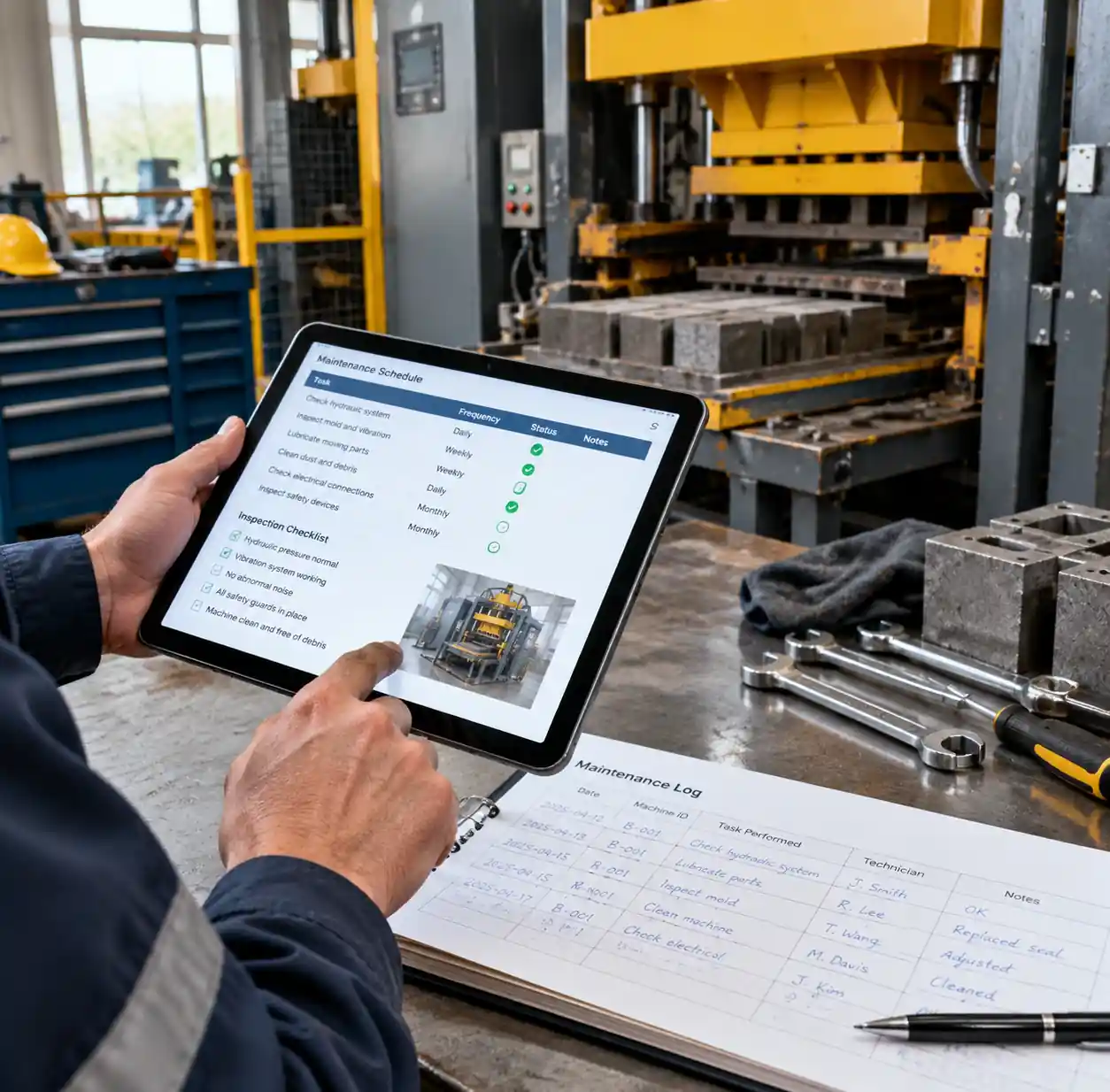
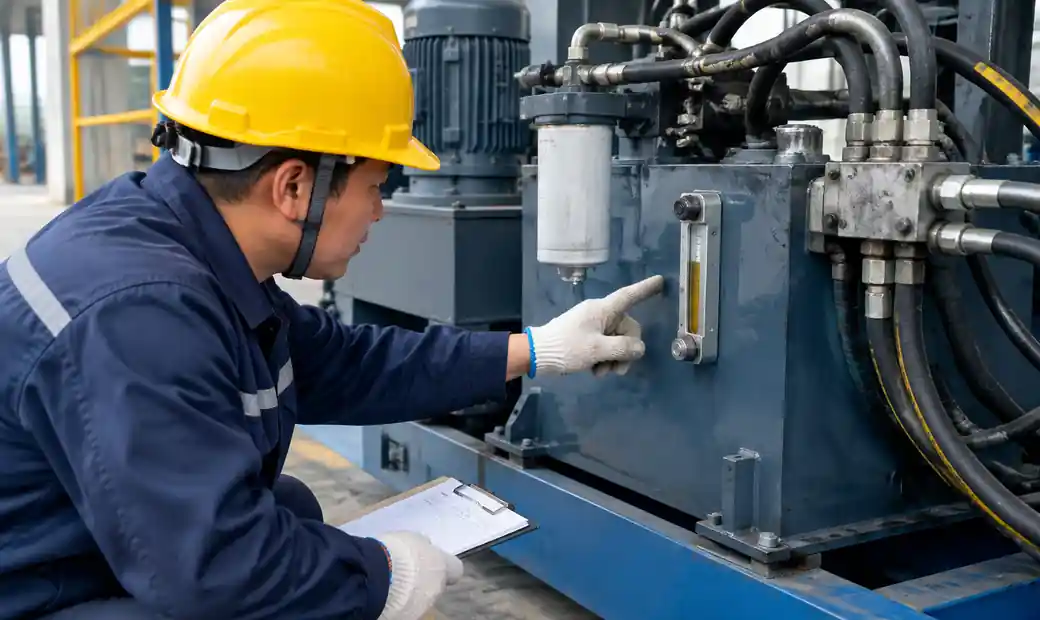
Daily (10-15 min): Lubricate hydraulic pins, check oil, clean mold, inspect vibration mounts. Weekly (30-45 min): Change hydraulic filter (every 50 hours), clean air filter, check bearings. Monthly (2-3 hours): Change engine oil/filter, inspect hoses, lubricate vibration motors.
Wear parts: Mold inserts (30,000-50,000 cycles, $180-$280), hydraulic seals (18-24 months, $60-$90), vibration motors (3,000-4,000 hours, $120-$180). Proper maintenance extends life to 8-12 years.
Success Strategies
Material Quality Control
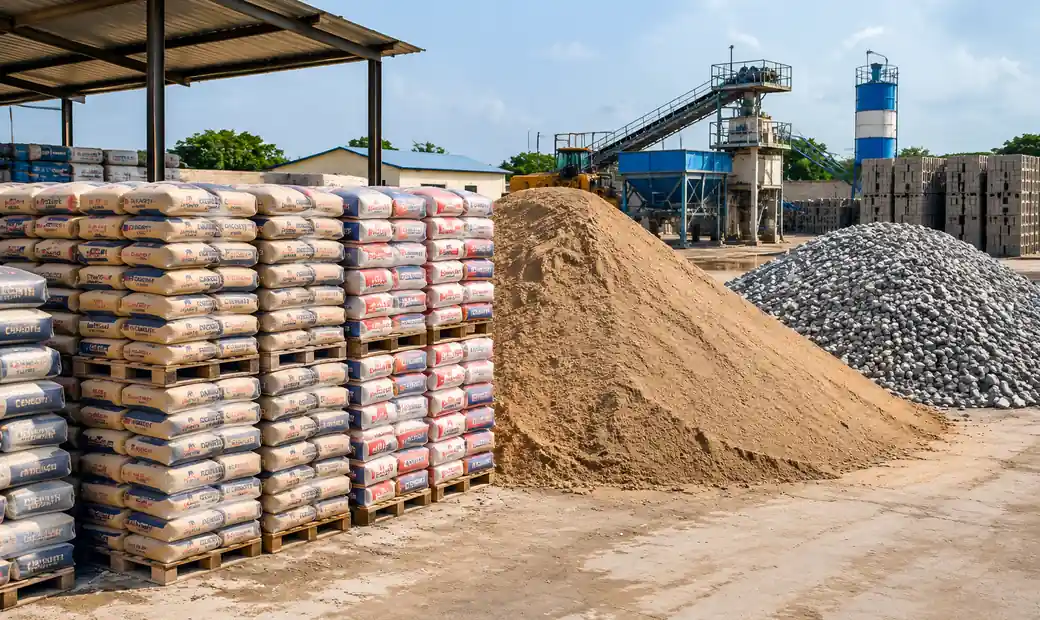
Cement: Portland Type I/II meeting ASTM C150, under 90 days old, stored dry. Sand: Clean river or washed manufactured sand, fineness modulus 2.6-3.0—avoid beach sand (chlorides). Aggregate: 6-10mm crushed stone, reject clay balls or organic matter. Water: Potable water free from contaminants. Establish 2-3 supplier relationships.
Market Positioning
Leverage unique advantages: Custom blocks (special dimensions large producers resist), rapid delivery (same-day for 100-500 blocks), on-site production (mobile capability), relationship service (personalized, flexible terms), quality consistency (dimensional accuracy through proper batching/mixing). Start serving 3-5 known contractors, building reputation before pursuing retail/large projects.
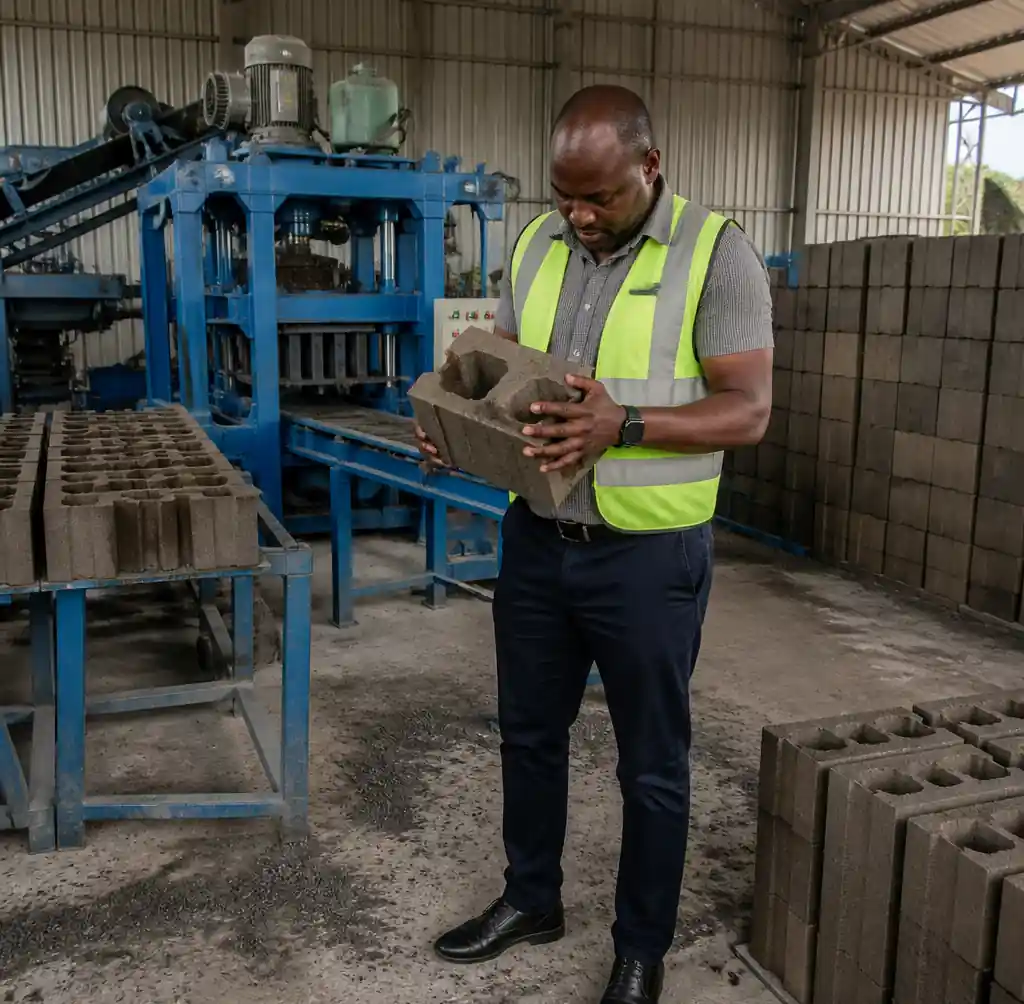
Common Mistakes to Avoid
Underestimating working capital: Equipment is 55-65% of total investment. Plan 3-4 months operating expenses for materials, labor, repairs, and payment delays. Undercapitalization causes premature closures.
Neglecting curing: Blocks need 7 days minimum cure; 28 days for full strength. Protect from sun/wind with shade cloth or wet burlap. In hot climates (>30°C), water spray 2-3 times daily for first 3 days.
Ignoring dimensions: Blocks varying >±3mm cause construction problems. Check daily with calipers. If dimensions drift, correct root cause before continuing.
Frequently Asked Questions
How many blocks can one machine produce daily?
Hydraulic models produce 400-800 blocks per 8-hour shift; manual models 300-500 blocks. Figures assume continuous operation with premixed concrete and experienced crews (after 4-6 weeks).
Do egg layer machines require pallets?
No. Blocks deposit directly onto ground, eliminating $1,600-$3,600 pallet costs plus handling equipment—reducing startup investment by 30-40%.
What is the machine lifespan?
Well-maintained machines operate 8-12 years, producing 1.25-1.5 million blocks over their lifespan. Wear parts require periodic replacement but core structures outlast initial business scale.
Can they produce interlocking blocks?
Yes, with appropriate molds. Mold changes require 30-45 minutes. For regular switching, semi-automatic machines offer better efficiency.
Which power source is best?
Diesel suits rural areas, mobile operations, unreliable power (costs $600-$800 more but operates independently). Electric (220V single-phase) reduces operating costs 40-50% where grid power is stable.
How much space is needed?
Total 3,200-4,800 sq ft (400-600 sq ft production, 800-1,200 sq ft storage, 2,000-3,000 sq ft curing)—45-55% less than stationary plants producing similar output.
Conclusion
Egg layer block machines provide capital-efficient entry into block manufacturing for startups facing budget constraints or operating in rural markets. Eliminating pallet investments reduces startup costs by $7,000-$12,000 versus stationary systems, while mobility enables on-site production opportunities.
The technology suits first-time manufacturers testing viability, contractors seeking production independence, and businesses serving remote sites. Daily output of 400-800 blocks supports small-to-medium projects while keeping complexity manageable.
Raytone Block Machinery’s QTM series offers purpose-built startup solutions combining affordability with capacity for businesses in their first 18-24 months. Our regional service network ensures parts availability and technical support throughout your growth phase. Ready to evaluate if an egg layer machine fits your plan? Contact our team for model recommendations based on your budget and market conditions.