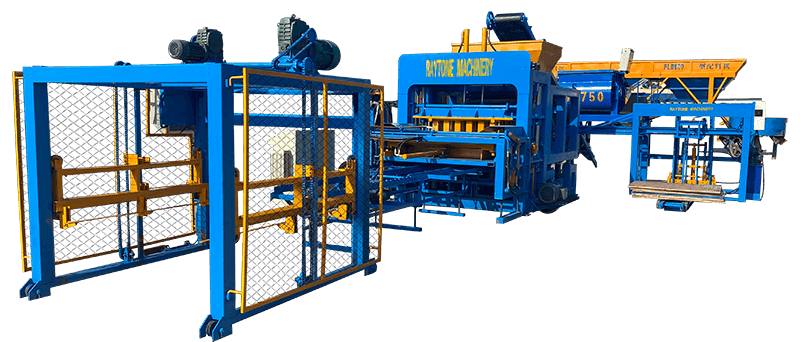
20,000 Blocks/Day Brick Plant Solution
Start your brick manufacturing business with a proven, entry-level solution designed for first-time entrepreneurs and market testers. Complete factory setup with manageable capital investment, realistic ROI, and clear growth pathway.
What is This Solution Perfect For?
Ideal for First-Time Brick Manufacturers and Conservative Investors
This is a complete brick manufacturing solution designed for entrepreneurs who want to enter or test the brick market without massive capital investment.
Your Profile:
- New to brick manufacturing
- Want to prove market viability first
- Plan to scale up after profitability
- Prefer manageable risk
Why This Capacity?
20,000 blocks/day is the sweet spot because:
- Market demand in most cities: 15K-25K blocks/day
- Team size: 5-7 people (easy to manage)
- Monthly profit: $15K-$25K (life-changing income)
- Clear upgrade path when profitable
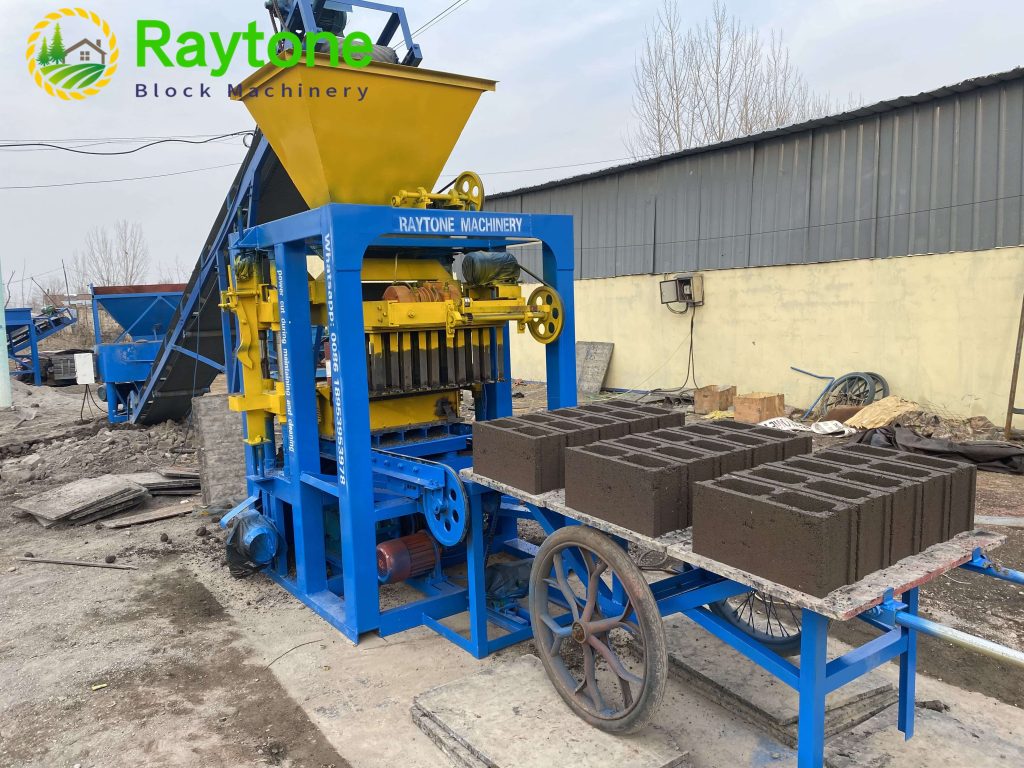
Key Advantages of This 20,000/Day Approach
Proven Business Model
Validated by successful operations across East Africa, South Asia, and Middle East markets. Demonstrated ROI timeline of 14-18 months with consistent monthly profitability. Customers successfully operating this model for 3+ years with expanding operations
Manageable Operations
5-7 person team is efficient to hire, train, and manage. Single production line requires moderate supervision complexity. Daily operations straightforward with proven workflows. Less management overhead compared to larger setups while maintaining strong efficiency
Clear Growth Pathway
Start with this capacity, prove market viability within 12-18 months, reinvest profits into capacity expansion. Upgrade to 50K/day without starting from scratch. Use business cash flow to fund growth rather than requiring new capital investment
What Equipment is Included?
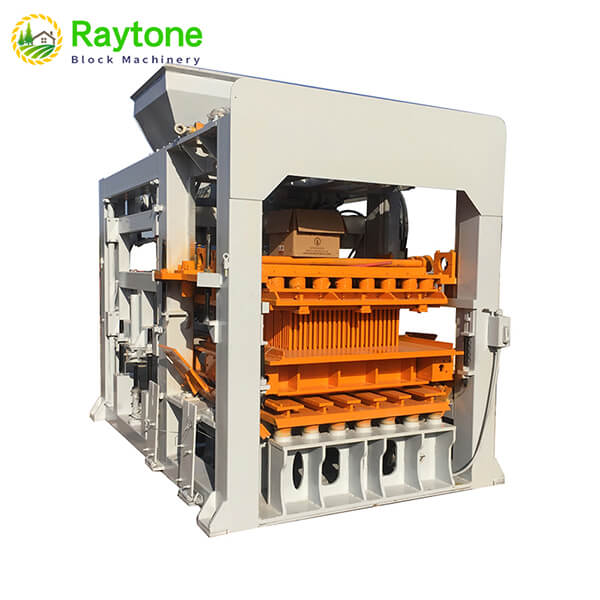
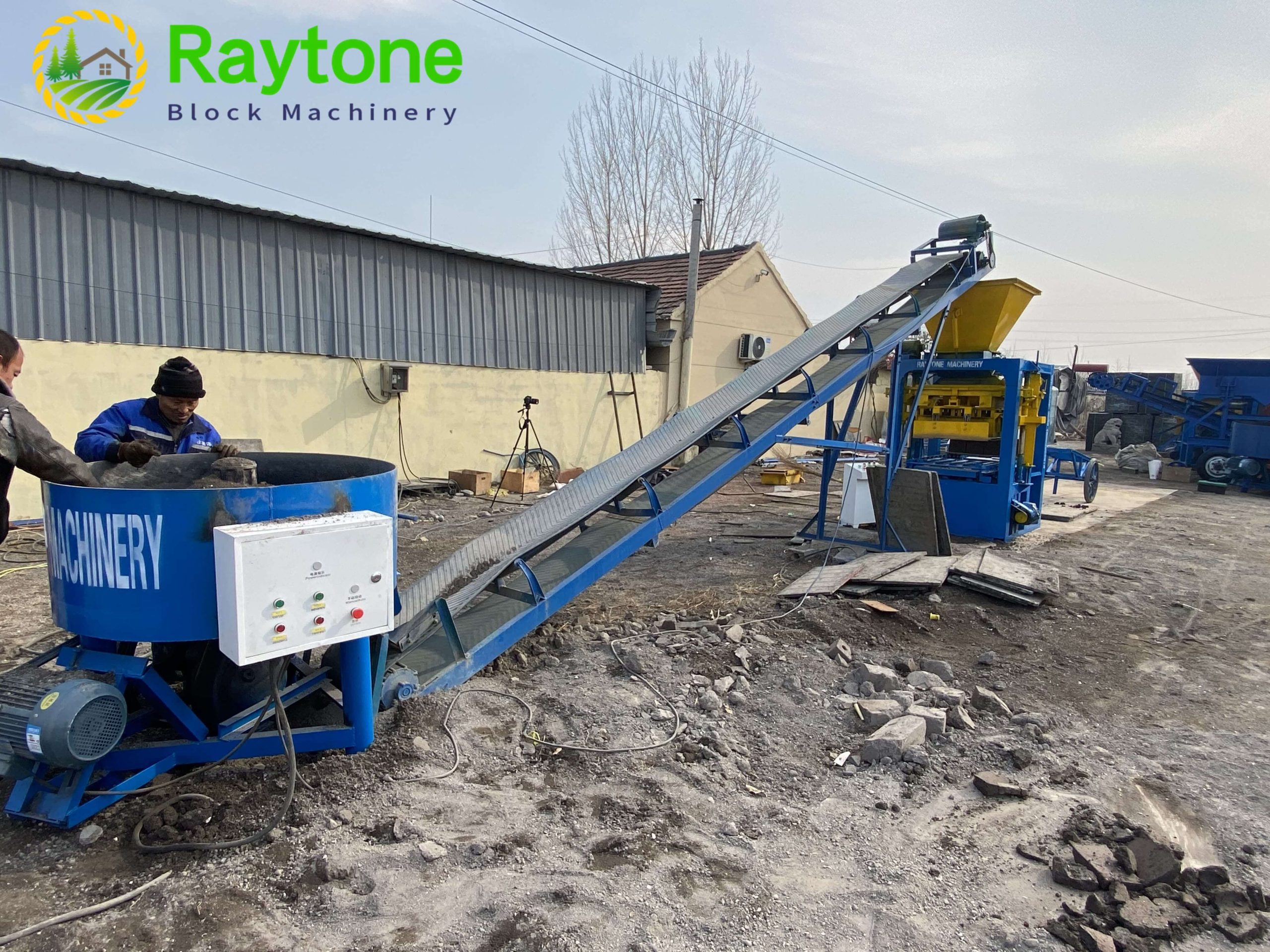
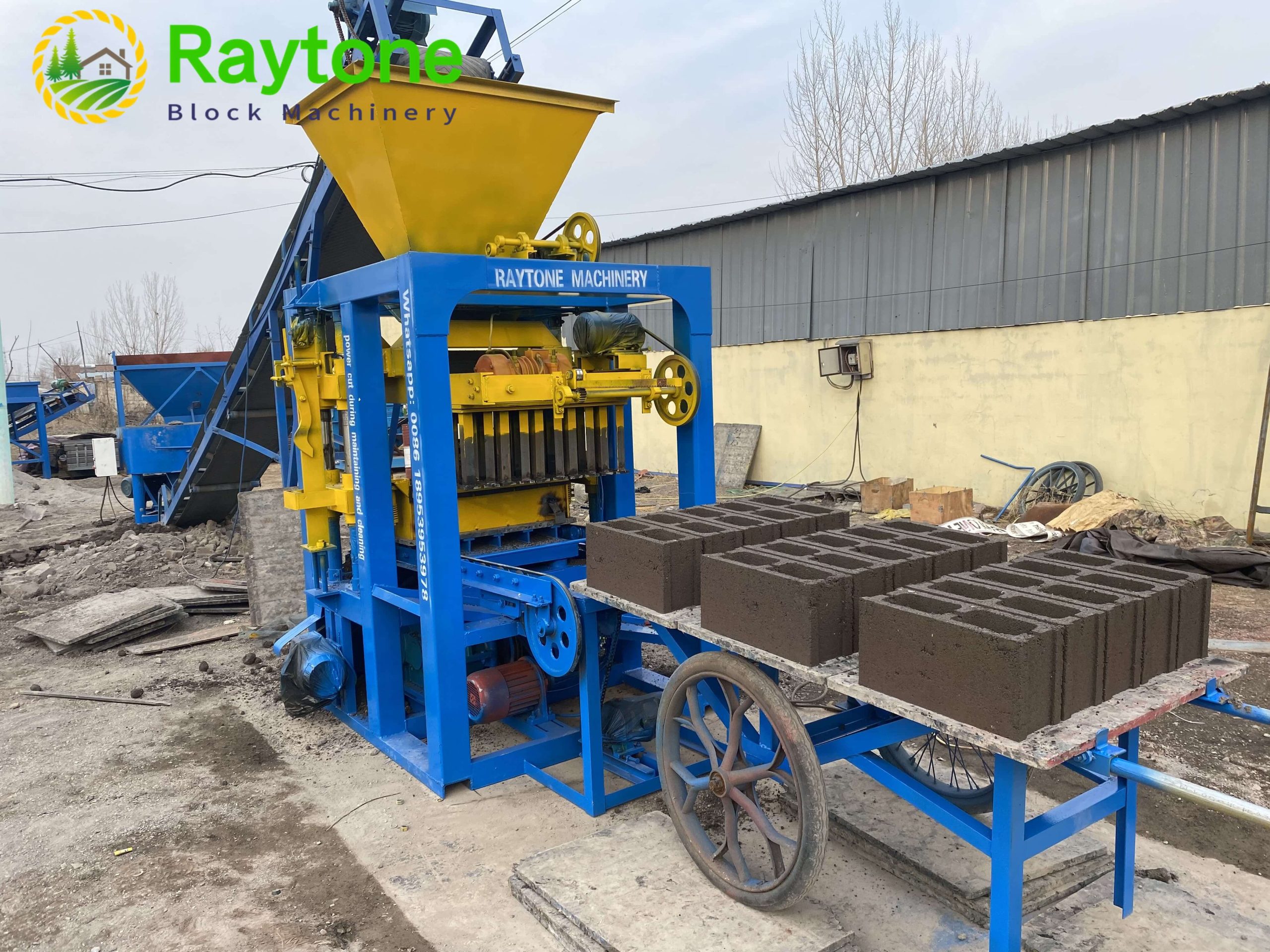
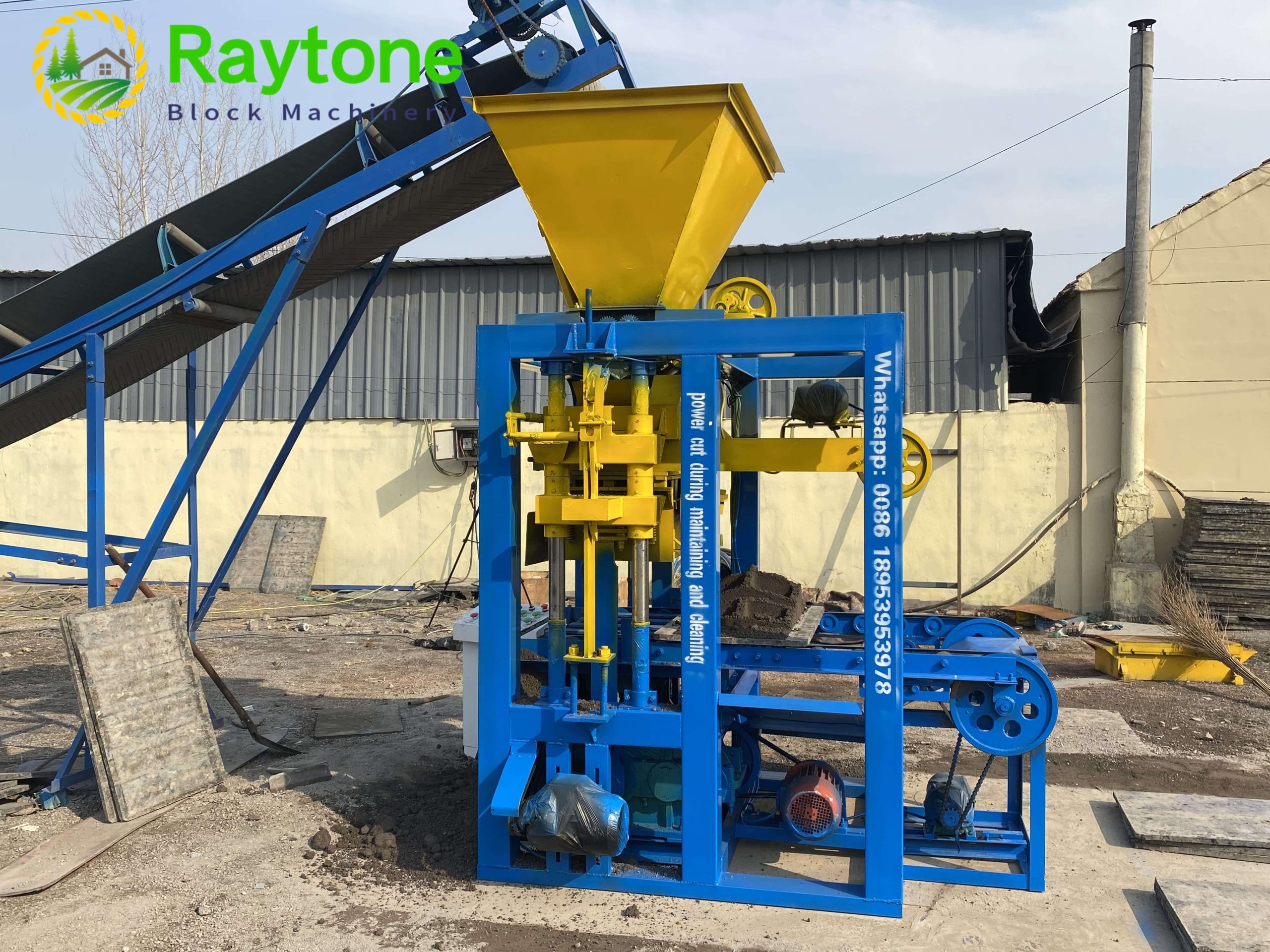
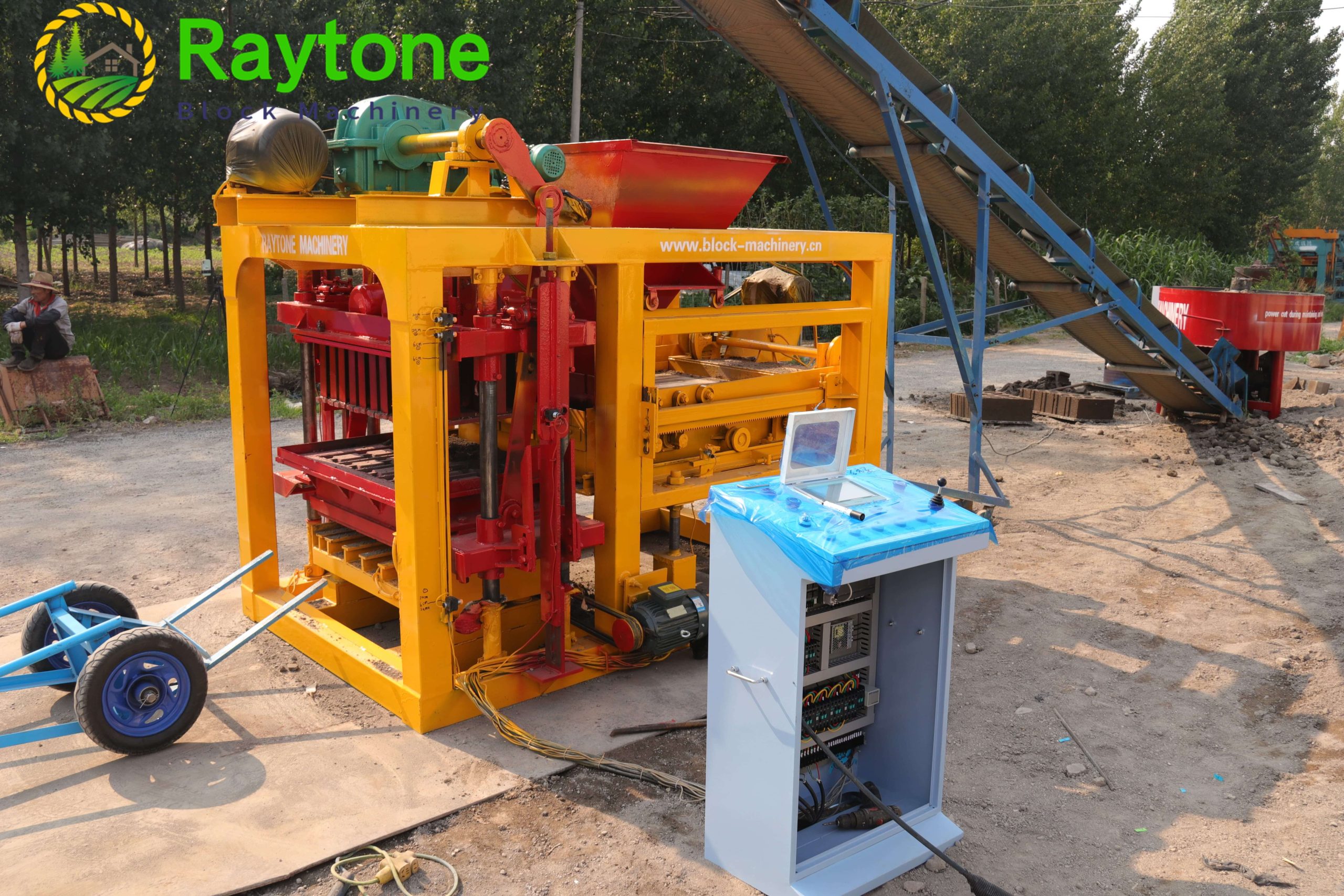
QT5-15 Machine
Entry-level model with 17,280 blocks daily capacity. Lower investment requirement. Suitable for conservative market entry and capacity testing. 5-7 person team operation
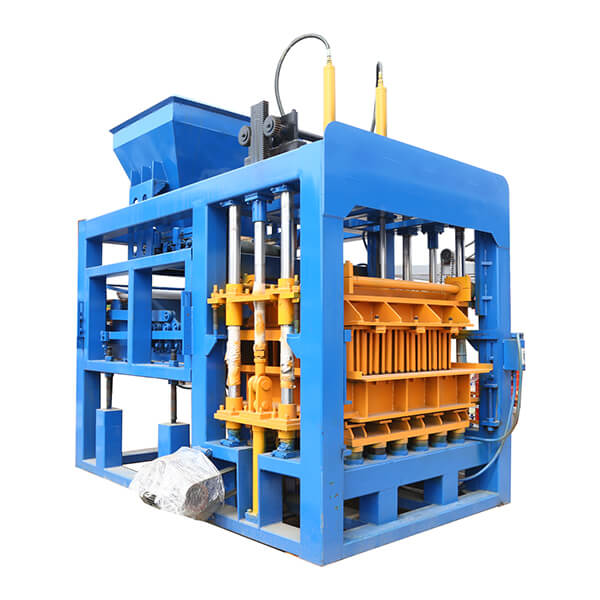
QT6-15 Machine
Balanced sweet spot model with 23,040 blocks daily capacity. Optimal production efficiency. Better profit margins per block. Recommended for sustainable operation. 5-6 person team operation
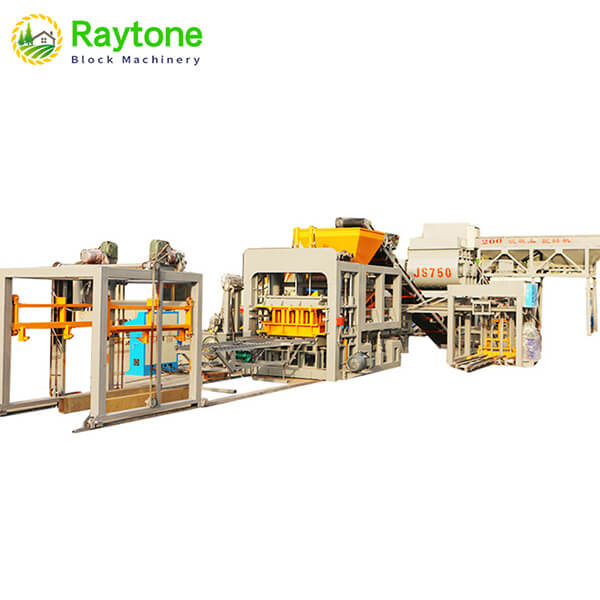
Material Processing Equipment
- Concrete Mixer: High-capacity mixing for consistent material quality
- Batching Machine: Precise measurement of all ingredients ensuring uniform blocks
- Screw Conveyor: Continuous material transport from mixing to main production
Material Handling & Output
- Pallet Feeder: Automatic empty pallet feeding reduces manual labor
- Block Conveyor: Transport finished blocks from machine to curing area
- Auto Stacking Machine: Automatic block stacking for efficient storage and transport
Control & Power Systems
- PLC Control Panel: Touch screen operation allows single operator control of entire line
- Hydraulic Power Station: Reliable power distribution to all hydraulic components

Factory Layout & Space Requirements
Everything You Need to Know About Setting Up Your Plant
Total Space Requirement: 200-260 m²
Space Allocation:
- Production line area: 100-120 m²
- Raw material storage: 50-70 m²
- Curing yard (24-48 hour drying): 80-100 m²
- Finished product storage: 40-60 m²
- Control office and facilities: 15-20 m²
- Circulation and flexibility space: 20-30 m²
Facility Requirements:
- Ceiling height: Minimum 4 meters for block stacking
- Floor condition: Concrete foundation, level surface, strong load capacity
- Power supply: 3-phase industrial power at required kilowatt capacity
- Water supply: Adequate daily consumption for production and dust control
- Drainage system: Essential for wastewater management
- Vehicle access: Clear truck entry/exit for material delivery and product shipment
How Your Operation Runs Day-to-Day
6:00 AM
Morning team arrives, equipment checks, system diagnostics, production log opening
7:00 AM - 2:00 PM
Continuous production operation, material flow management, quality monitoring, finished block transport
2:00 PM - 3:00 PM
Equipment shutdown, facility cleaning, maintenance checks, production reporting
Team Structure
Production operators (2), material handlers (2), maintenance technician (1), quality controller (1), supervisor/admin (1). Flexible staffing based on shift requirements and market demand
Production Target
85% capacity utilization is realistic daily target. Accounts for material supply variability, market demand fluctuations, and routine maintenance windows
Quality Assurance
Defect rate maintained below 2% target. Equipment uptime target 99.2% through preventive maintenance schedule and operator training protocols
How Customers Like You Succeeded
East Africa Case Study
Established production facility using QT6-15 configuration. Achieved profitability within 14 months of operation. Strong market demand allowed rapid capacity utilization increase. Successfully financed through combination of personal investment and bank partnership. Year 1 results demonstrated viability. Currently operating second production line based on first year success margins. Demonstrates proven business model in African construction market with consistent demand for quality blocks.
Regional Market Case Study
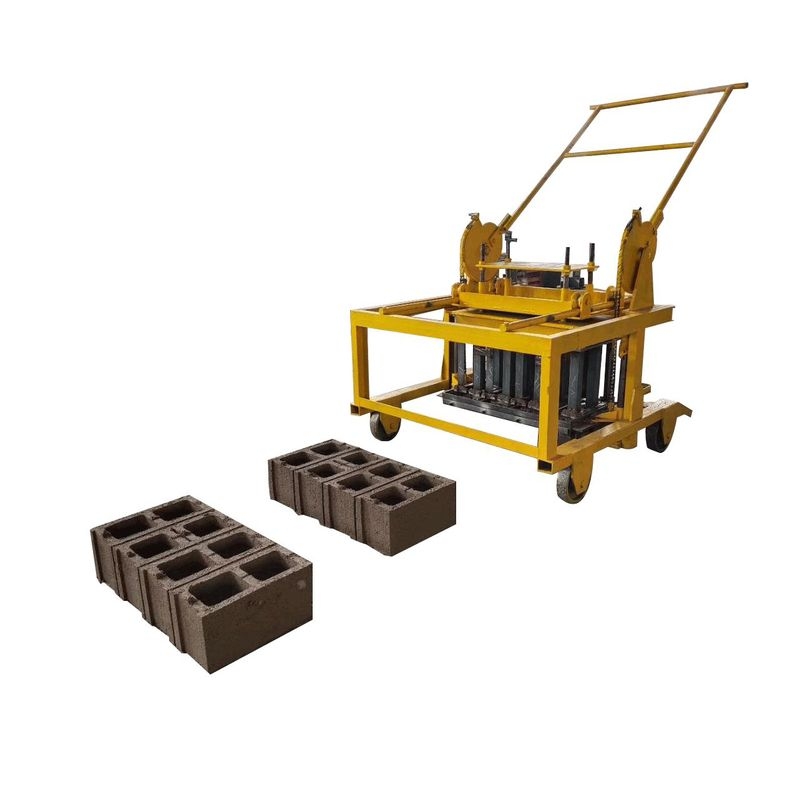
Started with QT5-15 model for initial market validation and capital preservation. Successfully structured equipment financing through local financial institution. Reached profitability within 6-7 months as market demand exceeded initial projections. Currently maintaining 85%+ utilization rate month-over-month. Team expanded from initial 5 to 9 people due to increased orders. Planning capacity upgrade to QT8-15 based on strong cash flow generation. Shows successful path of conservative startup with room for expansion.
How This Solution Compares to Alternatives
Comparison 1: Entry-Level vs 20,000/Day Solution
| Factor | Manual Setup | 20K Solution | Advantage |
|---|---|---|---|
| Daily Output | 3,000–5,000 blocks | 17,000–23,000 blocks | This solution |
| Team Size | 2–3 people | 5–7 people | Small (less complex) |
| Investment Level | Lower | Moderate | Small (lower capital) |
| Monthly Profit | Limited | Substantial | This solution |
| Market Coverage | Local only | Regional | This solution |
| Growth Ceiling | Low | High | This solution |
When to Choose Small Setup: Very tight budget constraint, testing market concept only, targeting niche market
When to Choose This 20K Solution: Market validation shows 15K+ daily demand, seeking sustainable long-term operation, planning multi-year expansion strategy
Comparison 2: 20,000/Day vs Large 50,000/Day Solution
| Factor | Large 50K Solution | 20K Solution | Balance |
|---|---|---|---|
| Daily Output | 40,000–60,000 blocks | 17,000–23,000 blocks | Large (higher capacity) |
| Team Size | 10–15 people | 5–7 people | This (more manageable) |
| Investment Required | Higher | Conservative | This (lower capital) |
| Operational Complexity | High | Moderate | This (easier management) |
| Market Risk | Higher | Lower | This (validates first) |
| Growth Flexibility | Limited | High | This (upgrade path) |
Recommended Growth Path: Start with 20K → Operate 12-18 months → Reinvest profits → Upgrade to 50K capacity → Expand to multi-line operation
Key Advantage: This approach uses business cash flow to finance expansion rather than requiring large capital upfront
FAQ
Common Questions About This Solution
Is 20,000 blocks/day capacity right for my market?
This capacity level is optimal for markets showing 15,000-25,000 daily demand. We provide free market analysis to validate local demand patterns. Most successful operations in your market segment use this capacity range. Markets smaller than 15,000 daily demand suggest entry-level models. Markets exceeding 25,000 daily demand indicate 50K+ capacity solutions. Production flexibility allows adjusting output based on market conditions without equipment replacement.
Can I start smaller and expand later?
Yes. Start with entry-level model, validate market viability in 12-15 months, then reinvest profits to add production capacity. This staged approach reduces risk and uses your own cash generation for expansion funding. Proven customers follow this exact path successfully. Initial investment remains lower while proving market concept. Market demand validation occurs with real data. Year 1 profits fund Year 2 expansion without additional capital raising. Second line can reach 50K combined capacity within 24-36 months.
What if my market conditions change?
Production flexibility built-in: switch product types (hollow blocks, solid blocks, pavers, curbstones) to match market demand. Adjust output levels based on market conditions. Geographic market expansion options. Pricing flexibility maintains profitability across scenarios. 30-45 minute mold changeover allows rapid market response. Same equipment produces different products eliminating replacement costs. Even at 70% utilization rates, profitability maintained at market-appropriate pricing.
What's the timeline to operational profitability?
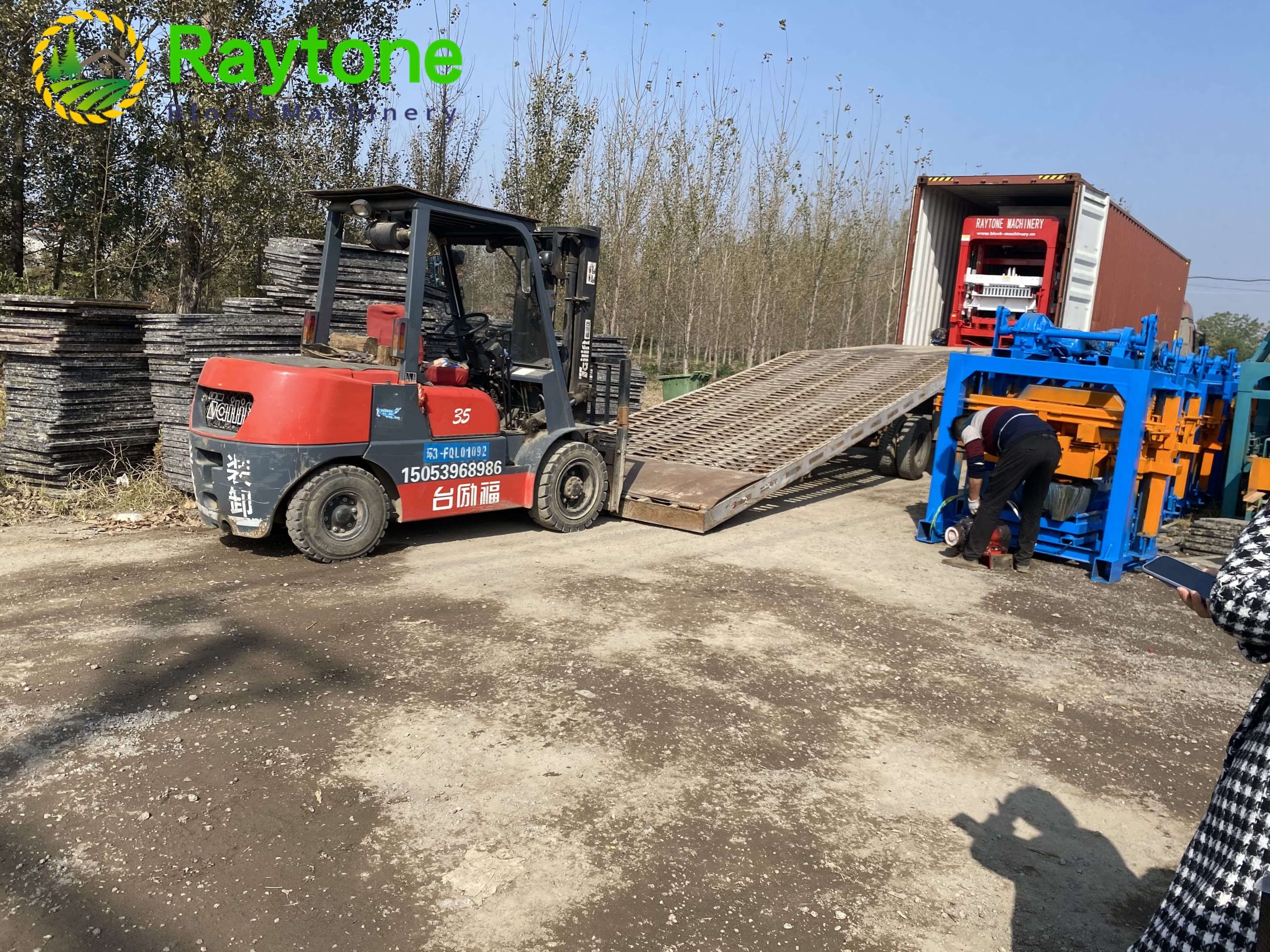
Equipment manufacturing and delivery: 2-3 months. Installation and commissioning: 4 weeks. Team training and soft launch: 4 weeks. Full commercial operation: Month 4-5. Market ramp-up period: Months 5-7. Consistent monthly profitability: Month 6-7 depending on market ramp-up. Full investment recovery: 14-16 months at 85% utilization. Cash flow becomes positive after Month 6-7 operational phase.
How does equipment financing work?
Multiple options available: lease-to-own programs, bank partnerships, partial equity with bank financing. Your monthly cash flow is structured to cover all financing obligations after initial operational phase. We facilitate financing connections and documentation. Bank underwriting typically 2-4 weeks. Equipment collateral secures loan amount. Personal guarantee often required. Interest rates competitive for manufacturing equipment. Terms flexible based on business plan and market analysis. Early repayment options available without penalties.
What happens if equipment requires maintenance?
Emergency support hotline available 24/7 for critical issues. Spare parts network established across regions. Your operators receive comprehensive maintenance training during setup. Remote diagnostics available for troubleshooting complex issues. Preventive maintenance schedule minimizes unplanned downtime. Maintenance costs factored into operating budget. Equipment designed for 99.2% uptime with proper care. Average repair turnaround: 4 hours for typical issues. Major overhauls planned at strategic intervals during lower demand periods.
What about electricity and utility requirements?
3-phase industrial power supply required at specified kilowatt capacity per machine model. Capacity specifications provided with equipment documentation. Backup power solutions available in areas with grid instability. Diesel generator options provide 100% independent operation capability. Water supply requirements documented for cooling and production. Drainage systems necessary for wastewater management. Utility infrastructure planning included in facility setup phase. Electrical upgrades typically completed before equipment arrival.
Can I produce different block types?
Yes. Mold system allows quick changeover between product types: hollow blocks, solid blocks, interlocking pavers, curbstones. Respond to customer demand and market opportunities without equipment replacement. 30-45 minute changeover time allows flexibility within production schedule. Same production line handles multiple product types. Customer preference shifts accommodated rapidly. Premium product versions possible with same equipment. Seasonal demand variations managed through product switching.
What's the equipment lifespan?
Main machine: 12-15 years with proper maintenance. Hydraulic systems: 10 years typical lifespan. Electrical components: 8-10 years depending on usage patterns. Molds: consumable items requiring periodic replacement (3-5 years). Major maintenance cycles planned at strategic intervals. Extended equipment life possible with premium maintenance protocols. Second-hand equipment market exists if replacement needed earlier. Component upgrades available to extend operational life. Total cost of ownership remains favorable through extended lifespan.
Ready to Build Your Brick Manufacturing Business?
Get started today and discover how to transform your vision into a profitable brick manufacturing operation. Our expert team provides customized consultation, comprehensive implementation planning, and ongoing support to ensure your success from day one through sustainable growth