





The global construction block market is experiencing transformational growth in 2026, driven by unprecedented urbanization, infrastructure investment, and regional demand variations. With the concrete blocks and bricks market valued at USD 471.99 billion in 2026 and projected to reach USD 769.49 billion by 2034 (CAGR 6.30%), understanding regional demand patterns has become critical for manufacturers and distributors. This analysis examines regional market dynamics, demand drivers, and emerging opportunities shaping block machinery requirements worldwide.
Regional Market Overview: Where Demand is Concentrating
Regional construction activity directly correlates with block production capacity needs. Asia-Pacific continues dominating global demand, but the growth story varies significantly by geography.
Asia-Pacific: The Undisputed Growth Engine
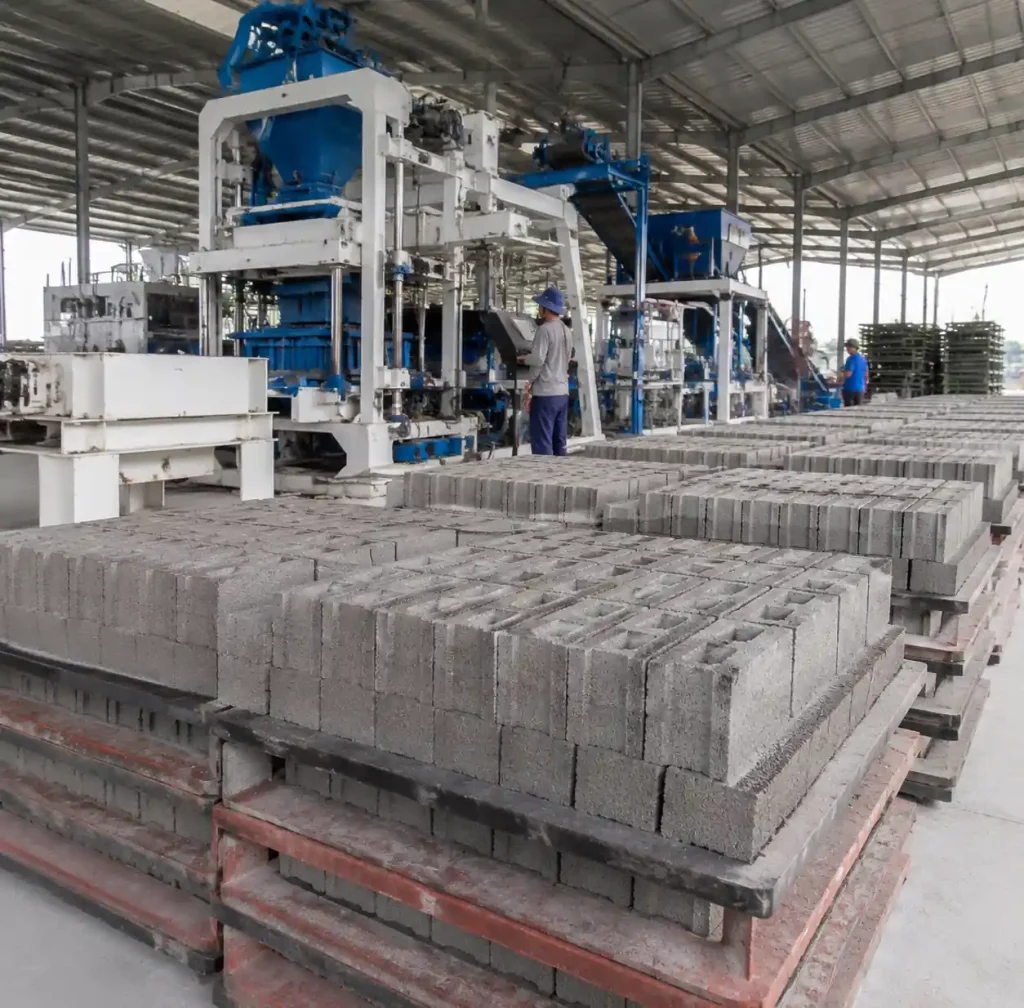
Asia-Pacific leads global construction block demand with a 41.3% inventory growth rate in Q1 2026, primarily fueled by China, India, and ASEAN nations. Rapid urbanization rates exceeding 3.5% annually in India and Indonesia are creating massive demand for affordable housing blocks. China’s infrastructure stimulus programs have revitalized demand for hollow concrete blocks, with production capacity utilization reaching 78% in early 2026.
The region’s dominance stems from three factors: population density driving vertical construction, government-backed affordable housing initiatives requiring standardized block production, and infrastructure corridor projects (Belt and Road extensions) demanding high-volume block supply chains. For block machinery manufacturers like Raytone Block Machinery, this translates to sustained demand for high-capacity automated production lines capable of 24/7 operation.
Middle East and GCC: Mega-Project Momentum
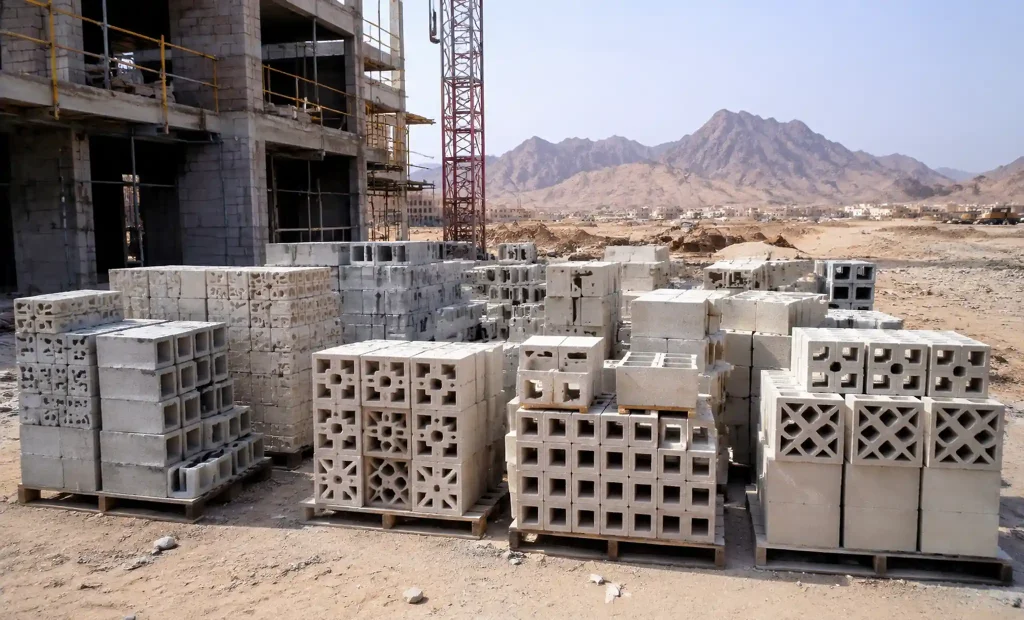
The Gulf Cooperation Council countries are experiencing a construction renaissance, with mega-infrastructure projects driving specialized block demand. Saudi Arabia’s NEOM and Qatar’s pre-2030 World Cup infrastructure commitments have created a sustained pipeline requiring decorative blocks, load-bearing units, and specialized thermal blocks for desert climate conditions.
Unlike Asia-Pacific’s volume-driven demand, Middle East markets prioritize quality and specification compliance. Block manufacturers here require precision machinery with consistent dimensional tolerances and the ability to produce specialized mixes for high-temperature environments. The region shows 18.2% year-over-year growth in premium block segment demand.
North America: Renovation and Data Center Surge
North American block demand in 2026 is bifurcated. Residential new construction remains subdued due to affordability challenges and higher mortgage rates, but two segments are booming: home renovation (driving retail block sales up 12.4%) and data center construction.
Data center expansion, particularly AI infrastructure buildouts, has created unexpected demand for fire-rated concrete blocks and specialized EMI-shielding blocks. This niche but high-value segment requires flexible manufacturing systems capable of producing custom specifications—an opportunity for machinery suppliers offering programmable mold systems.
Europe: Sustainability-Driven Transformation
European block demand is undergoing a composition shift rather than volume explosion. Traditional concrete block demand declined 9.1% year-over-year in May 2026 in the UK, but AAC (Autoclaved Aerated Concrete) block demand surged 22% as green building regulations tighten.
The EU’s building energy performance directives are forcing a transition toward insulated and lightweight blocks. Machinery demand is shifting from high-volume standard lines to flexible systems producing AAC, insulated blocks, and recycled aggregate blocks. Raytone’s adaptive production systems are well-positioned for this specification-driven market.
Market Drivers: What’s Fueling Regional Demand Variations
Understanding why demand concentrates in specific regions requires examining the underlying drivers that block production machinery manufacturers must track.
| Driver | Primary Regions | Impact on Block Machinery Demand | 2026 Intensity |
|---|---|---|---|
| Urbanization Rate | Asia-Pacific, Africa | High-capacity automated lines for standardized hollow blocks | Very High |
| Infrastructure Stimulus | Middle East, Asia-Pacific | Heavy-duty equipment for continuous production cycles | Высокий |
| Green Building Regulations | Europe, North America | Flexible lines for AAC, recycled content, insulated blocks | Высокий |
| Labor Cost Pressure | All regions | Automation, robotic handling, reduced manual intervention | Increasing |
| Data Center Expansion | North America, Europe | Specialized blocks (fire-rated, EMI-shielding) production capacity | Emerging High |
Urbanization: The Fundamental Demand Creator
Urbanization remains the primary demand driver globally, but its impact varies regionally. In India, where 600 million people are expected to live in cities by 2030, the emphasis is on affordable housing blocks—standardized, cost-effective, and producible at scale. This requires machinery with minimal downtime, easy maintenance, and the ability to run on inconsistent power grids.
In contrast, urbanization in developed markets like Japan focuses on urban renewal and seismic-resistant construction, demanding specialized interlocking blocks and reinforced units. The machinery requirements differ fundamentally: precision over volume, flexibility over speed.
Infrastructure Investment: Government Spending Patterns
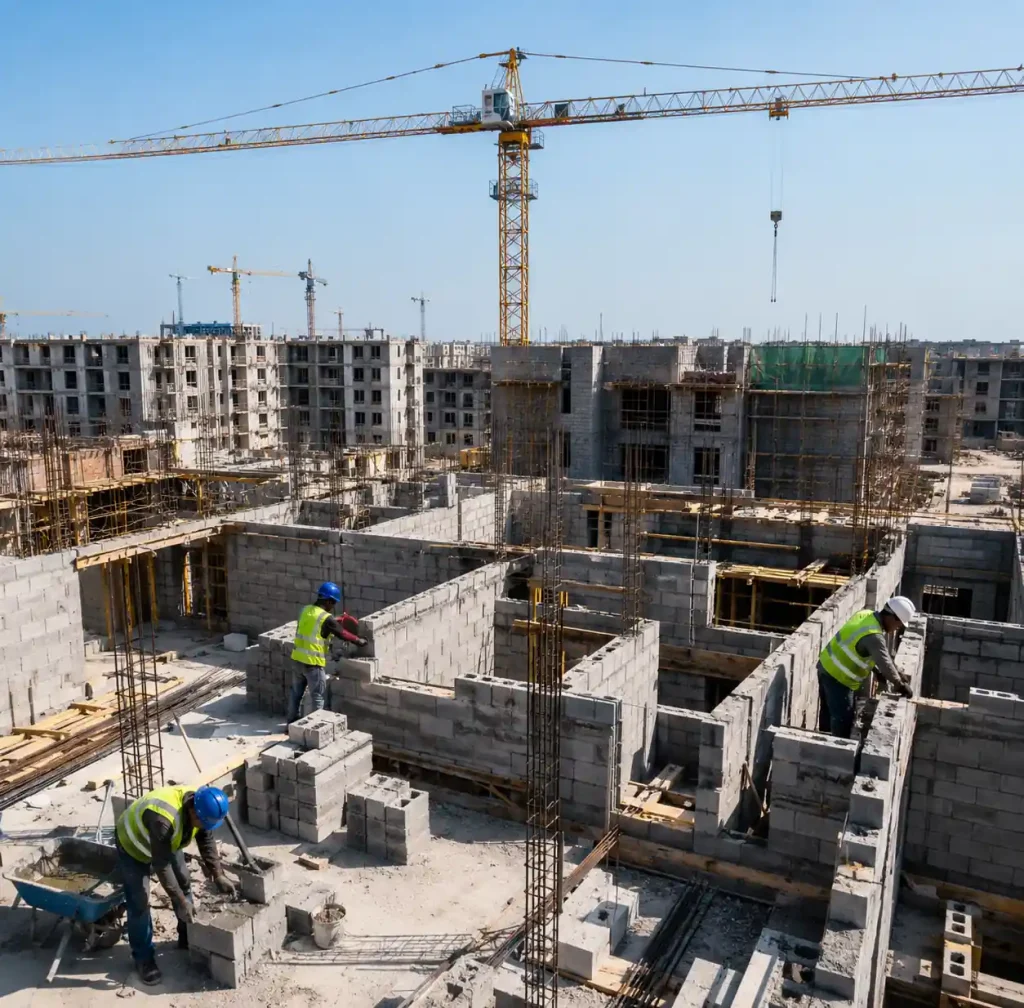
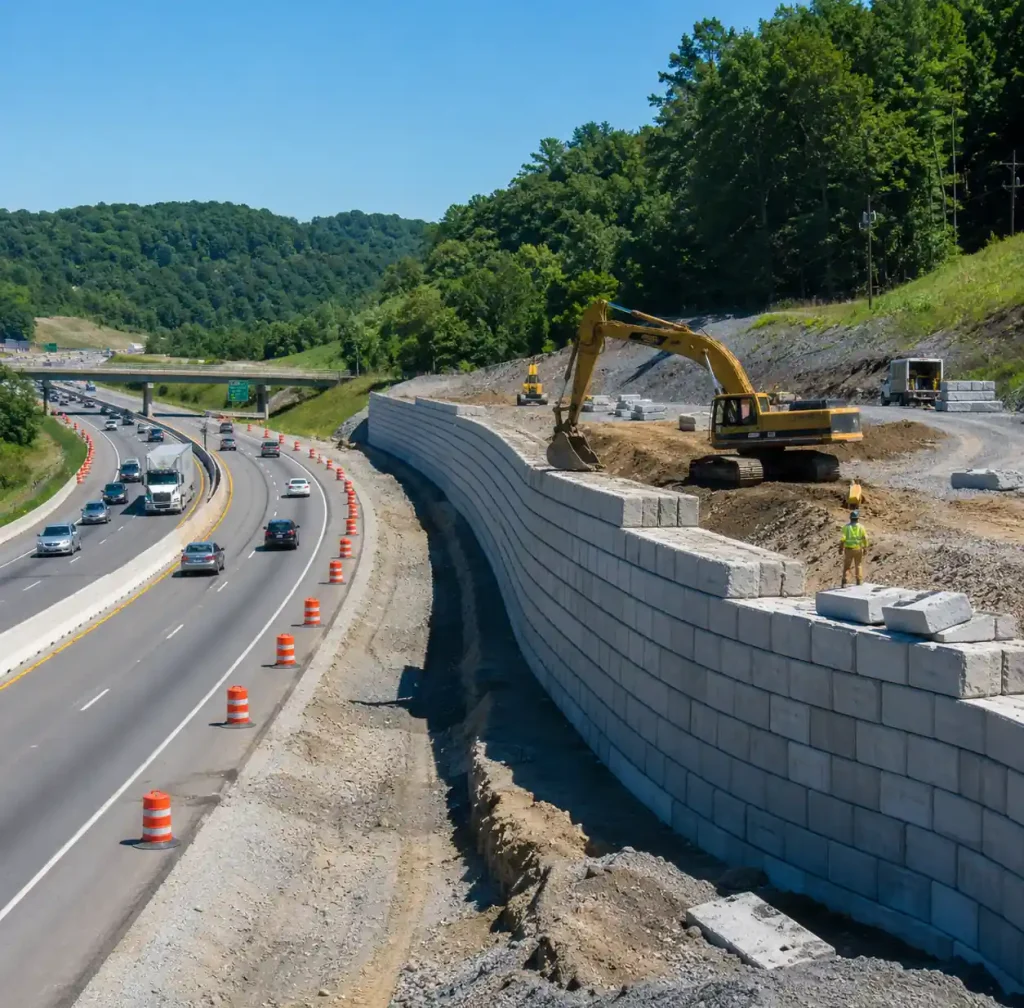
Global infrastructure spending exceeded USD 13 trillion in 2026, with construction output potentially expanding 70% by 2040. However, infrastructure block demand concentrates in specific project types: transportation corridors (retaining walls, sound barriers), water management (drainage systems), and industrial facilities (factory flooring, warehouse walls).
For block machinery manufacturers, infrastructure contracts offer predictable, high-volume orders but require machinery capable of producing specialized geometries—paver blocks, interlocking retaining wall units, and custom industrial flooring blocks. Raytone’s mold flexibility allows manufacturers to pivot between product types within the same production line, a critical capability when serving infrastructure contractors.
Emerging Markets: Where to Watch for Growth
Beyond established demand centers, three emerging patterns are creating new opportunities for block production capacity.
Sub-Saharan Africa: The Next Frontier
Africa’s construction block market remains underdeveloped but is showing early acceleration signals. Nigeria, Kenya, and Ethiopia are experiencing 8-12% annual growth in cement consumption, a leading indicator for block demand. The challenge: most production remains manual or semi-automated.
The opportunity for machinery suppliers is significant but requires adapted technology—simpler designs tolerant of inconsistent materials, modular systems that can start small and expand, and equipment serviceable with limited technical infrastructure. Early movers who adapt their machinery for African conditions will capture market share before competition intensifies.
Southeast Asia: ASEAN Infrastructure Corridor
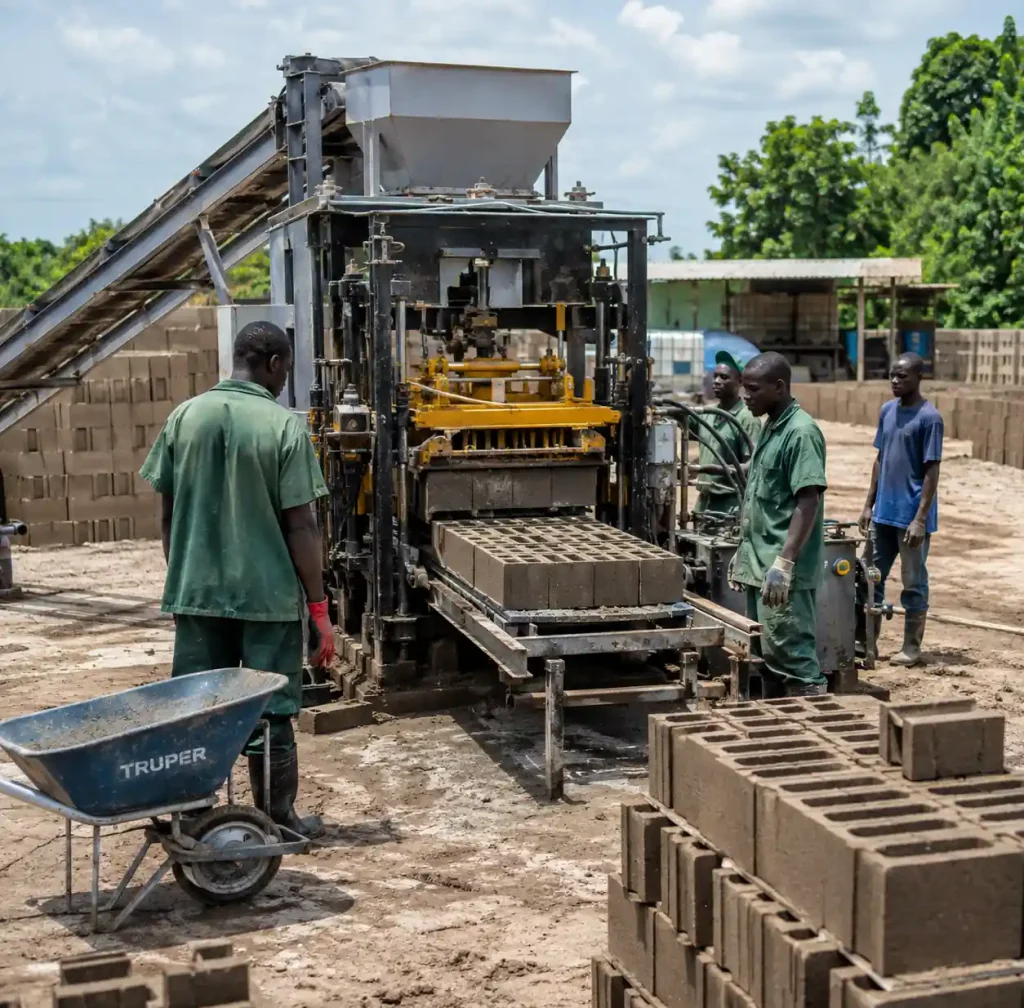
Indonesia, Vietnam, Philippines, and Thailand collectively represent a 420 million person market with infrastructure deficits and growing middle classes. The ASEAN infrastructure corridor projects (road, rail, port expansions) are creating sustained multi-year block demand.
What makes this region particularly interesting: it’s transitioning from imported blocks to local production, creating demand for complete production systems rather than individual machines. Turnkey solutions including material handling, curing systems, and quality control equipment are in high demand from new entrants to block manufacturing.
Secondary Cities in Established Markets
An overlooked trend: demand growth in secondary and tertiary cities within established markets. In India, cities like Indore, Coimbatore, and Bhubaneswar are experiencing construction booms as businesses decentralize. In the US, Sunbelt secondary markets are seeing sustained population influx.
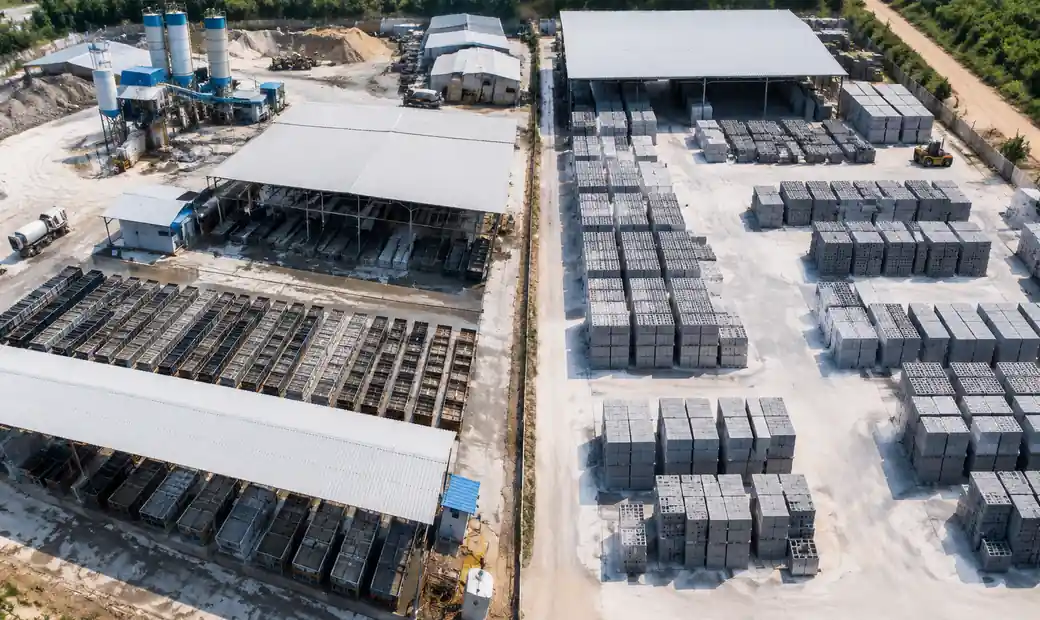
These markets favor mid-capacity block production equipment (5,000-15,000 blocks/day) rather than mega-scale systems, with emphasis on reliability and local service availability. For manufacturers serving these markets, distributed service networks matter as much as equipment specifications.
Block Type Demand Shifts: Specialty Products Rising
Not all blocks are equal in 2026. Regional demand increasingly differentiates by block type, with implications for production machinery flexibility.
| Тип блока | 2026 Market Size | Key Growth Regions | CAGR 2026-2031 | Machinery Requirements |
|---|---|---|---|---|
| Hollow Concrete Blocks | USD 292.69 billion | Asia-Pacific, Middle East | 5.04% | High-volume automation, dimensional consistency |
| AAC Blocks | USD 24.2 billion | Europe, North America, India | 7.1% | Autoclave systems, lightweight material handling |
| Блоки, соединяющиеся между собой | Growing segment | Africa, Rural Asia | 8-10% (est.) | Precision molds, no mortar production support |
| Insulated Blocks | Niche but growing | Europe, Cold climate zones | 9% | Multi-material systems, thermal property testing |
| Decorative/Architectural Blocks | Premium segment | Middle East, Urban centers | 6-8% | Flexible molds, surface finishing systems |
AAC Blocks: The Fastest Growth Segment
AAC (Autoclaved Aerated Concrete) blocks represent the fastest-growing segment, projected to reach USD 31.89 billion by 2030 (7.1% CAGR). Growth is concentrated in regions with energy efficiency mandates: Europe’s building performance regulations, India’s green building push, and North American LEED certification projects.
AAC production requires fundamentally different machinery than standard concrete blocks—autoclaves for curing, wire cutting systems for precision sizing, and lightweight material handling. Manufacturers entering this segment need specialized equipment, creating opportunities for machinery suppliers offering AAC-specific production lines.
Interlocking Blocks: The Developing Market Solution
Interlocking blocks, which require no mortar, are gaining traction in regions with skilled labor shortages and rural construction markets. Africa and rural India show particular interest because these blocks enable faster construction by semi-skilled workers and reduce overall project costs.
The machinery implication: demand for precision mold systems that produce consistent interlocking geometries. While unit prices are higher than standard molds, the market volumes are growing rapidly as contractors discover the labor cost advantages.
Technology Integration: How Machinery Demand is Evolving
Block production machinery requirements in 2026 reflect broader construction industry digitalization. Manufacturers are demanding capabilities beyond simple block pressing.
Automation and Labor Cost Mitigation
Labor shortages affect every region differently but universally drive automation demand. In developed markets, automation addresses workforce availability; in developing markets, it ensures consistent quality despite worker skill variations.
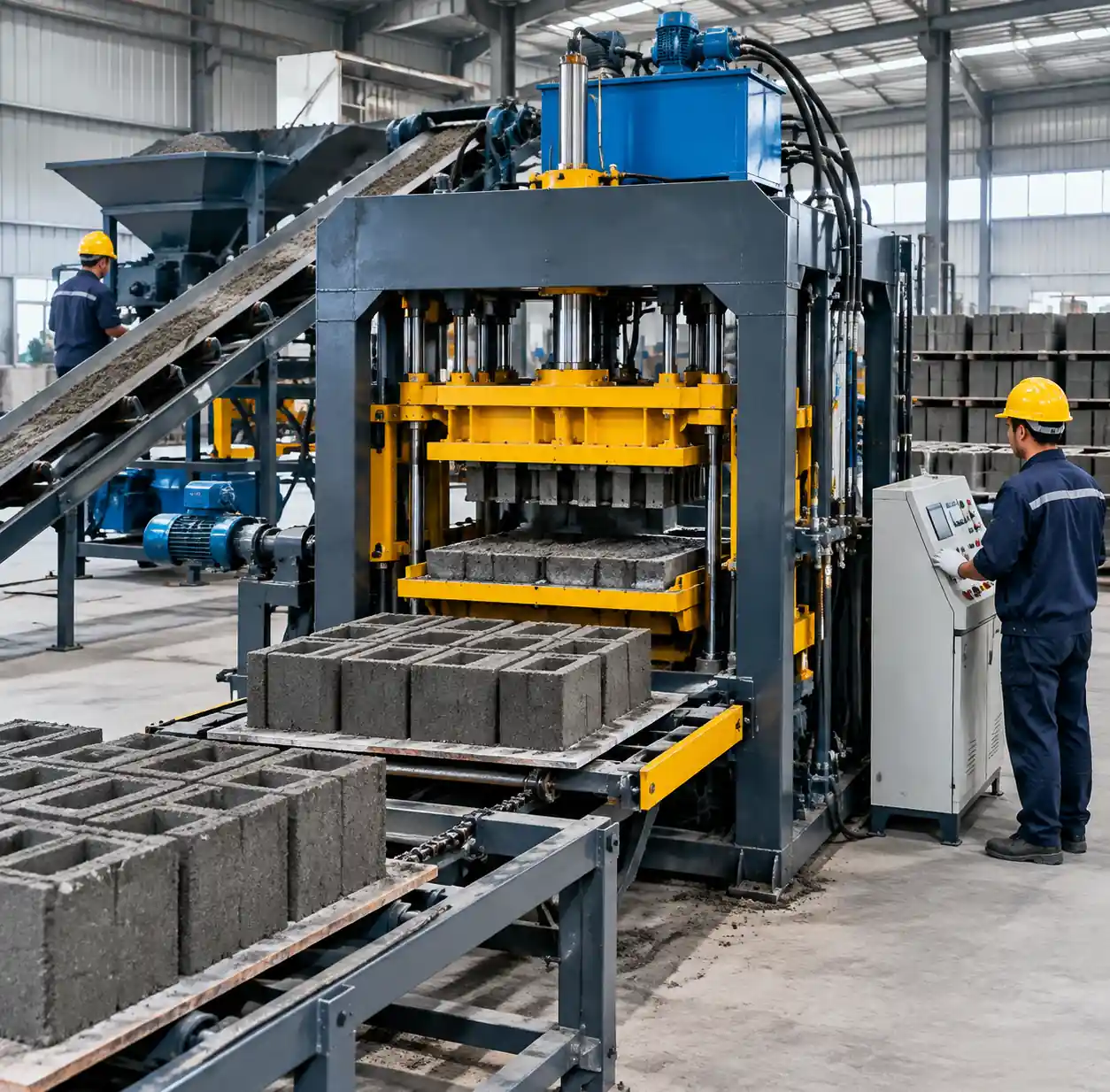
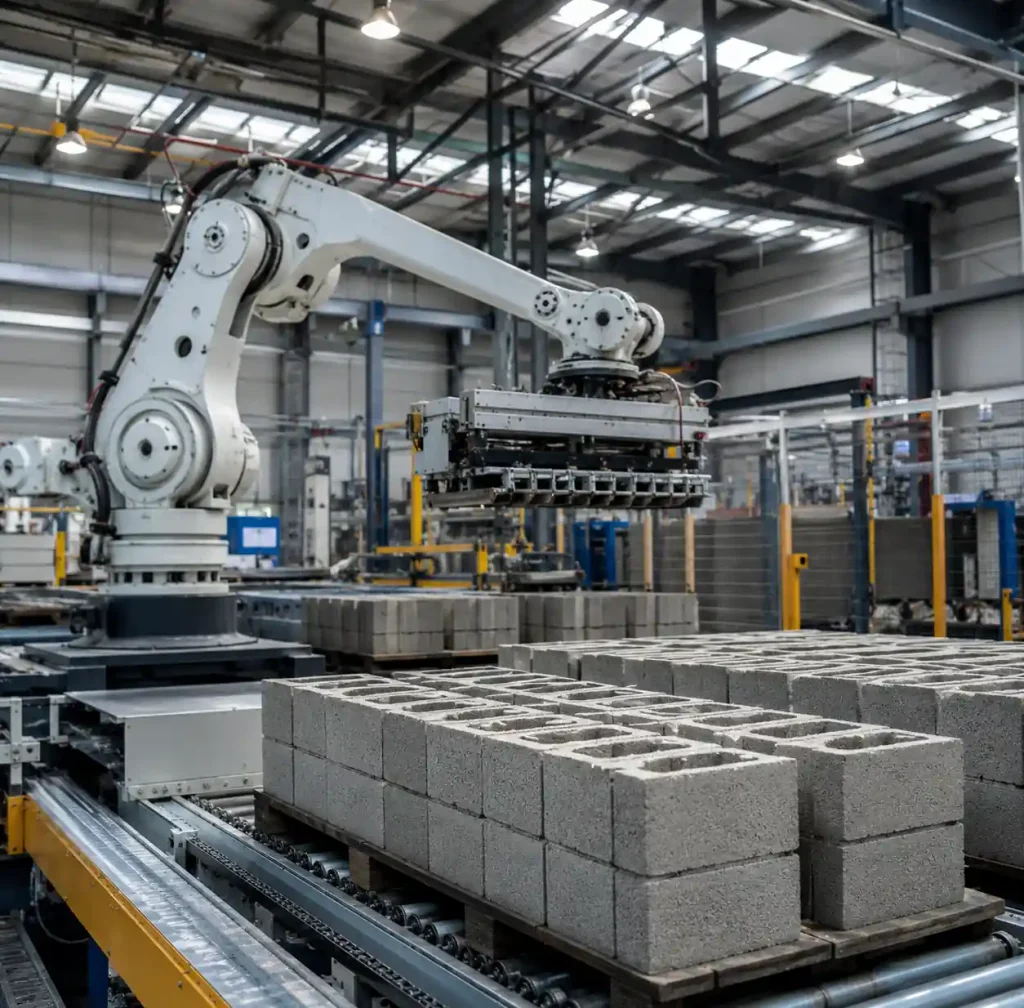
Modern block machinery increasingly incorporates automated material batching, robotic block handling, and automated quality inspection systems. Raytone Block Machinery’s integrated production lines reduce labor requirements by 60-70% compared to manual systems while maintaining dimensional tolerances within ±1.5mm—critical for modern construction practices where blocks must interlock precisely.
Data Integration and Predictive Maintenance
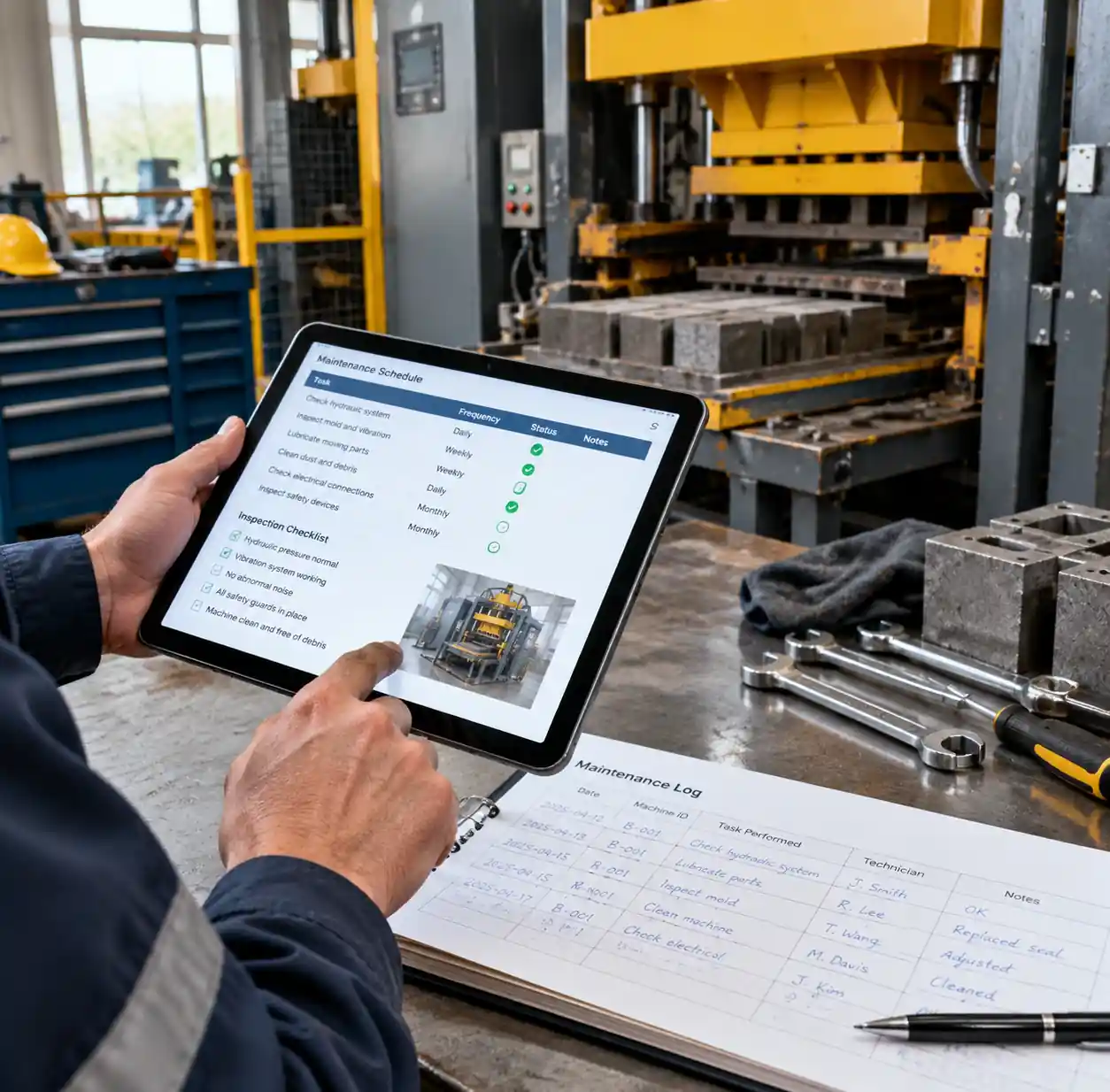
Leading block manufacturers now demand machinery with IoT sensors and data integration capabilities. Real-time monitoring of hydraulic pressure, mold wear, curing temperatures, and cycle times enables predictive maintenance—reducing unplanned downtime by 35-40% in commercial deployments.
For machinery manufacturers, this means embedding sensors and providing cloud-connected dashboards isn’t optional anymore—it’s a specification requirement in competitive tenders. The data also provides valuable feedback for continuous product improvement.
Flexibility: The New Production Imperative
Market volatility in 2026 has made production flexibility valuable. Manufacturers want machinery capable of producing multiple block types (hollow, solid, paver, decorative) with minimal changeover time. Mold change systems that operate in under 30 minutes and programmable pressing parameters allow manufacturers to respond quickly to market demand shifts.
This flexibility is particularly valued in regions with seasonal construction patterns or diverse market segments. A single production line that serves both infrastructure projects (standard hollow blocks) and retail markets (decorative pavers) maximizes equipment utilization year-round.
Correlation: Construction Activity and Block Machinery Demand
Block machinery demand lags construction activity by 6-18 months, but the correlation is strong and regionally predictable.
Leading Indicators Machinery Suppliers Should Track
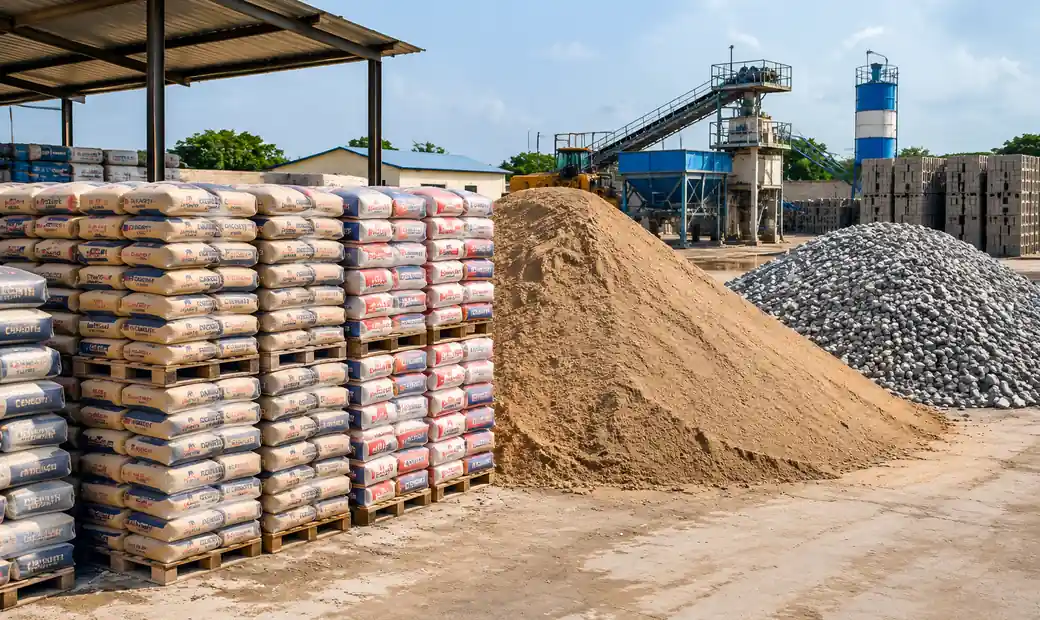
Cement consumption growth rates provide 12-18 month forward visibility into block demand, as increased cement usage indicates rising construction activity that will require block production capacity. In 2026, regions showing 8%+ cement consumption growth (India, Indonesia, Saudi Arabia, Nigeria) are likely block machinery markets for 2027-2028.
Construction permits in major metropolitan areas lead block demand by 6-12 months, particularly for residential permits which predominantly use block construction in emerging markets. Tracking permit data in tier-2 and tier-3 cities identifies emerging markets before competition intensifies.
Infrastructure project award data, particularly multi-year contracts, provides the longest visibility—24-36 months. Large infrastructure contractors typically invest in dedicated block production capacity (often in partnership with block manufacturers) when they secure major projects, creating lumpy but significant machinery demand.
Regional Timing Patterns
Asia-Pacific shows the shortest lag between construction activity and machinery orders (6-9 months) because manufacturers maintain high capacity utilization and quickly need additional capacity when demand rises. Middle East markets show longer lags (12-18 months) as projects are larger and planning cycles longer.
African markets show the longest and most variable lags (18-36 months) as financing for capital equipment takes longer to arrange and many projects proceed incrementally. However, once committed, African buyers often purchase complete turnkey systems rather than individual machines.
Challenges Facing Regional Markets
Despite overall growth, each region faces distinct challenges affecting block demand and production dynamics.
Input Cost Volatility
Cement and aggregate prices experienced 15-22% volatility in 2025-2026 due to energy cost fluctuations and supply chain disruptions. This volatility makes it difficult for block manufacturers to price products competitively while maintaining margins, sometimes leading to production pauses until prices stabilize.
For machinery manufacturers, this creates demand uncertainty—manufacturers hesitate to invest in capacity expansion when input costs are unpredictable. Offering flexible financing (lease-to-own, production-based payments) helps overcome this barrier in volatile markets.
Regulatory Compliance Complexity
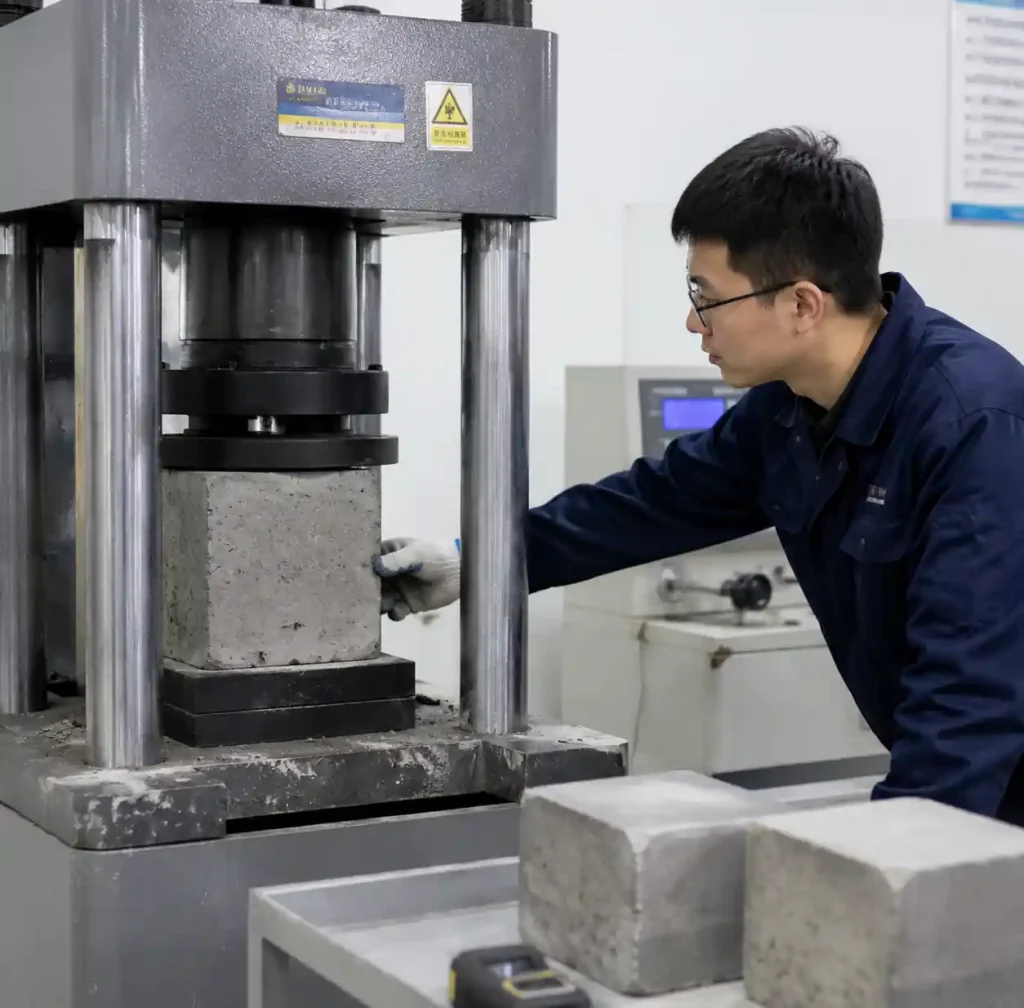
Building codes are tightening globally, but inconsistently. Europe’s energy performance standards, India’s seismic resistance requirements, and Middle East fire safety regulations all demand different block specifications. Manufacturers serving multiple regions need machinery flexible enough to produce compliant products for each market.
This regulatory fragmentation actually benefits equipment suppliers who provide specification flexibility. A production line capable of producing blocks meeting European thermal standards, Indian seismic standards, and Middle East fire ratings commands premium pricing because it enables manufacturers to serve multiple export markets.
Sustainability Pressure
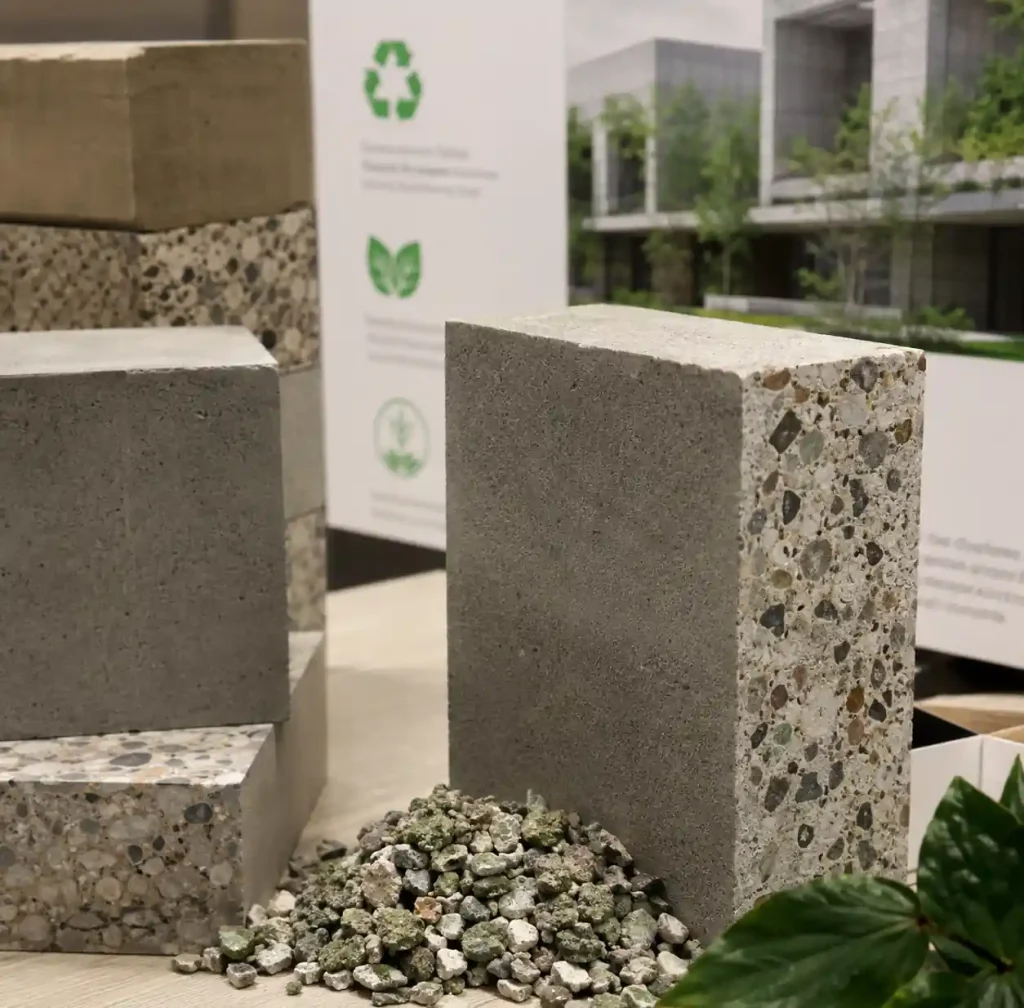
Environmental concerns are reshaping block production everywhere, though at different speeds. Europe mandates recycled content and carbon tracking; California requires embodied carbon disclosure; and India incentivizes fly-ash blocks. These requirements demand machinery capable of handling alternative materials—recycled aggregates, industrial byproducts, and supplementary cementitious materials.
Raytone’s material-flexible mixing systems accommodate alternative materials without compromising block strength or consistency, allowing manufacturers to meet evolving sustainability requirements without replacing entire production lines.
Strategic Implications for Manufacturers and Suppliers
For block machinery manufacturers and block producers, several strategic considerations emerge from regional demand analysis.
Geographic Prioritization
Near-term (2026-2027): Focus on Asia-Pacific capacity expansion, particularly India and ASEAN markets where demand is immediate and financing is available. Middle East remains strong for premium equipment.
Medium-term (2027-2029): Position for African market entry with adapted product lines suited to local conditions. Secondary cities in established markets offer lower competition.
Long-term (2029-2032): Europe’s transition to sustainable blocks creates replacement demand for older equipment; position with AAC and recycled-content production systems.
Product Portfolio Strategy
Successful machinery manufacturers will maintain tiered offerings: high-capacity automated systems for mature markets with skilled operators, mid-capacity flexible systems for secondary markets and diverse product needs, and simplified robust systems for emerging markets with infrastructure constraints.
One-size-fits-all approaches fail because market conditions vary too dramatically. However, modular designs allowing feature additions as markets mature (start with semi-automation, upgrade to full automation) create long-term customer relationships and recurring revenue.
Service and Support Infrastructure
In 2026’s competitive machinery market, equipment availability matters as much as initial specifications. Block manufacturers in high-growth markets operate continuous production schedules—even 48 hours of unexpected downtime due to parts availability or technical support delays costs tens of thousands in lost production.
Machinery suppliers must establish distributed service networks with local parts inventory and trained technicians in their major markets. This requires significant investment but creates competitive differentiation that justifies premium pricing and generates recurring parts and service revenue.
FAQ: Construction Block Demand by Region
Q: Which region will show the fastest block demand growth through 2030?
A: Asia-Pacific, specifically India and ASEAN nations, will show the highest absolute growth with 6-8% annual demand increases. However, Sub-Saharan Africa will show the fastest percentage growth (10-14%) from a smaller base, particularly in Nigeria, Kenya, and Ethiopia as infrastructure investment accelerates.
Q: How does block machinery demand correlate with construction activity?
A: Block machinery demand typically lags construction activity by 6-18 months depending on region. Asia-Pacific shows the shortest lag (6-9 months) due to high capacity utilization, while Africa shows the longest (18-36 months) due to financing and planning cycles. Cement consumption growth of 8%+ provides reliable 12-18 month forward visibility into machinery demand.
Q: What block types are growing fastest in 2026?
A: AAC (Autoclaved Aerated Concrete) blocks show the fastest growth at 7.1% CAGR, driven by European and North American energy efficiency regulations. Interlocking blocks are growing 8-10% in African and rural Asian markets due to labor cost advantages. Standard hollow concrete blocks remain the volume leader at USD 292.69 billion market size with steady 5.04% growth.
Q: Are data centers significantly impacting block demand?
A: Yes, particularly in North America and Europe. Data center construction has created unexpected demand for specialized fire-rated concrete blocks and EMI-shielding blocks. While niche (estimated 2-3% of total block market), this segment offers 25-40% higher margins and requires flexible manufacturing systems capable of custom specifications—an opportunity for machinery suppliers offering programmable production lines.
Q: How do sustainability regulations affect regional block demand?
A: Europe leads with mandatory recycled content and embodied carbon tracking, shifting demand toward AAC and recycled-aggregate blocks (22% growth in 2026). India incentivizes fly-ash blocks for sustainability credits. Middle East focuses on thermal performance for energy efficiency. These regulations increase demand for flexible production machinery capable of handling alternative materials without compromising quality—machines become more valuable when they enable regulatory compliance across multiple markets.
Q: What machinery capabilities are most valuable in emerging markets?
A: Emerging markets prioritize reliability, simplicity, and tolerance for inconsistent inputs over maximum automation. Key capabilities include: operation with variable power quality, simplified maintenance requiring minimal specialized tools, tolerance for aggregate quality variations, and modular expandability allowing capacity increases as business grows. Service network accessibility often matters more than the latest technology features.
Заключение
The construction block market in 2026 presents a complex regional landscape where one-size-fits-all strategies fail. Asia-Pacific’s volume-driven growth, Middle East mega-project demand, Europe’s sustainability transition, and Africa’s emerging markets each require different approaches to block production and machinery investment.
For block manufacturers, the strategic imperative is understanding which regional trends affect their markets and investing in flexible production capacity that can adapt as demand shifts. For machinery suppliers like Raytone Block Machinery, success requires tiered product portfolios serving different market maturity levels, robust service infrastructure in high-growth regions, and continuous technology integration addressing automation, data connectivity, and material flexibility.
The USD 471.99 billion market in 2026 will nearly double by 2034, but the growth will concentrate in specific regions, block types, and application segments. Winners will be those who track leading indicators (cement consumption, infrastructure awards, permit data), position capacity ahead of demand waves, and invest in machinery capabilities that address regional requirements—whether that’s AAC production for Europe, high-volume automation for India, or robust simplicity for Africa.
The correlation between construction activity and block machinery demand remains strong but regionally variable. By understanding these timing patterns and regional drivers, manufacturers and suppliers can optimize their market entry, capacity planning, and product development strategies to capture disproportionate value from the industry’s sustained growth trajectory.