The concrete block manufacturing sector faces a critical challenge: 67% of B2B industrial buyers now complete more than 80% of their purchase research online before ever contacting a supplier. If your block manufacturing business isn’t visible where contractors, developers, and construction companies are searching, you’re losing market share to competitors who are.
This guide provides proven marketing strategies specifically designed for block manufacturing businesses, from local manual operations to fully automated production facilities. You’ll learn how to identify your ideal customers, select the right marketing channels, build a sales system that generates consistent inquiries, and measure what actually drives revenue.

Understanding Your Block Manufacturing Market
Block manufacturing operates in a B2B environment with unique characteristics that shape your marketing approach. Your buyers are contractors, developers, construction companies, and government procurement departments who make purchasing decisions based on specifications, delivery reliability, and total project cost rather than impulse or emotion.
The average B2B industrial sales cycle in construction materials spans 90-180 days and involves multiple decision-makers including project managers, procurement specialists, engineers, and financial controllers. This means your marketing must address technical requirements, commercial terms, and operational capabilities simultaneously while maintaining visibility throughout an extended evaluation period.

Identifying Your Target Customers
Not all block buyers represent equal opportunity for your business. Segmentation allows you to focus resources on customers who match your production capacity, delivery radius, and pricing position.
Customer Segmentation Framework
| Customer Type | Volume Profile | Decision Drivers | Marketing Priority |
|---|---|---|---|
| General Contractors | 10,000-50,000 blocks/project | Delivery reliability, credit terms, consistent quality | High |
| Large Developers | 50,000-500,000+ blocks/project | Price per unit, production capacity, technical support | High |
| Small Builders | 2,000-15,000 blocks/project | Local availability, flexible minimum orders, responsive service | Medium |
| Government Projects | 100,000-1M+ blocks/contract | Compliance documentation, bonding capacity, bid competitiveness | Medium-High |
| Retail Building Supply | 500-5,000 blocks/month | Consistent supply, credit terms, delivery schedule flexibility | Low-Medium |
Small and mid-sized contractors purchasing 10,000-50,000 blocks per project typically represent your highest-value segment. They buy frequently enough to generate consistent revenue, require reasonable credit terms you can manage, and value relationship factors like delivery reliability and responsive communication that give you competitive advantages beyond pure pricing.
Building Your Online Presence
Your website serves as your 24/7 sales representative, technical specification library, and credibility validator. B2B buyers expect to find production capabilities, product specifications, delivery coverage areas, and contact information clearly presented without navigating through multiple pages or filling out forms to access basic information.
Essential Website Components
Create dedicated pages for each block type you produce with technical specifications including dimensions, compressive strength (per ASTM C90 standards for concrete masonry units typically 1,900 psi minimum), weight, and available configurations. Include clear product photography showing actual finished blocks from your production, not generic stock images that don’t represent what customers will receive.
Your production capabilities page should specify your daily output capacity, machine types, mold configurations available, and lead times for standard versus custom orders. Contractors need this information to determine if you can support their project timeline and volume requirements.
Delivery information must include your service radius, minimum order quantities if applicable, delivery lead times, and whether you offer scheduled deliveries for large projects. Construction schedules depend on material availability, so ambiguity here causes buyers to contact competitors who provide clear information upfront.
Google Business Profile Optimization
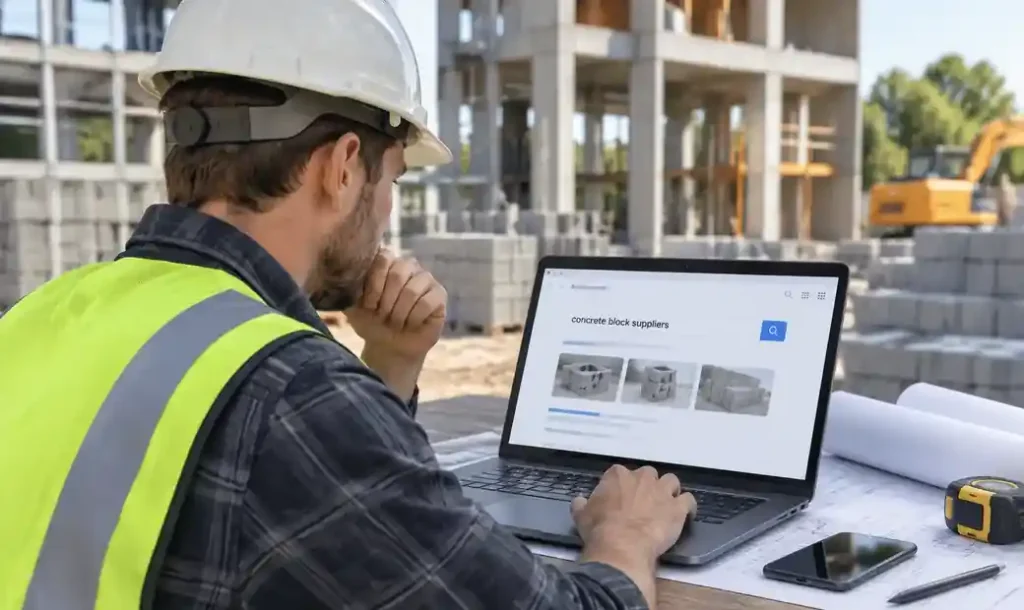
For block manufacturers serving local markets within a 50-150 kilometer delivery radius, your Google Business Profile directly impacts whether contractors find you when searching for “concrete block supplier near me” or “[city name] block manufacturer.”
Claim and verify your profile, then ensure your business category is set to “Concrete Contractor” or “Building Materials Supplier” depending on whether you serve primarily trade customers or also sell retail. Add your service area explicitly by selecting the cities and regions you deliver to, which triggers visibility in location-specific searches.
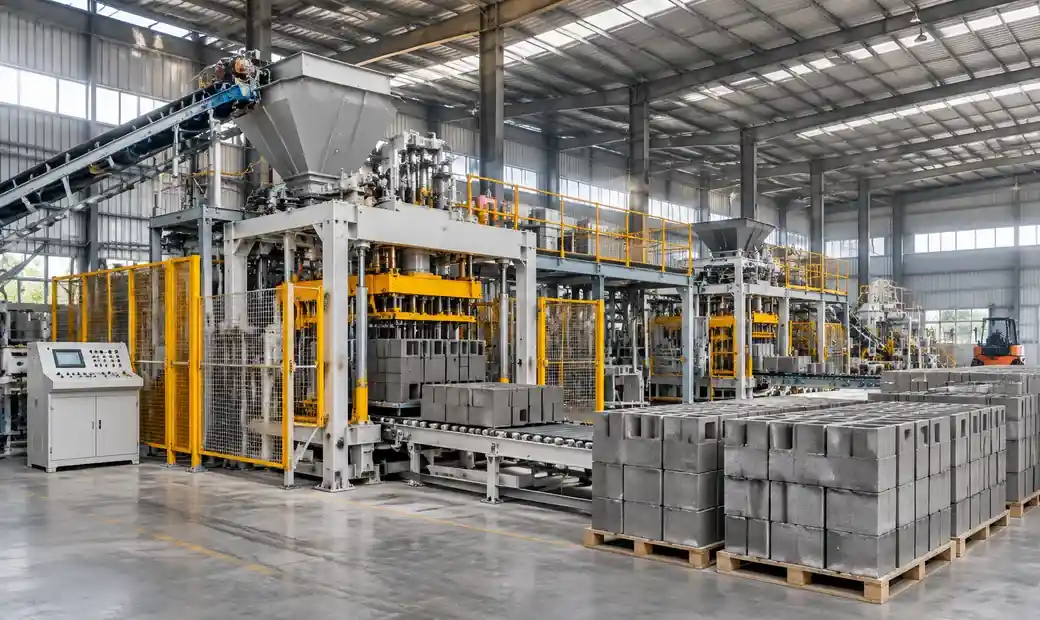
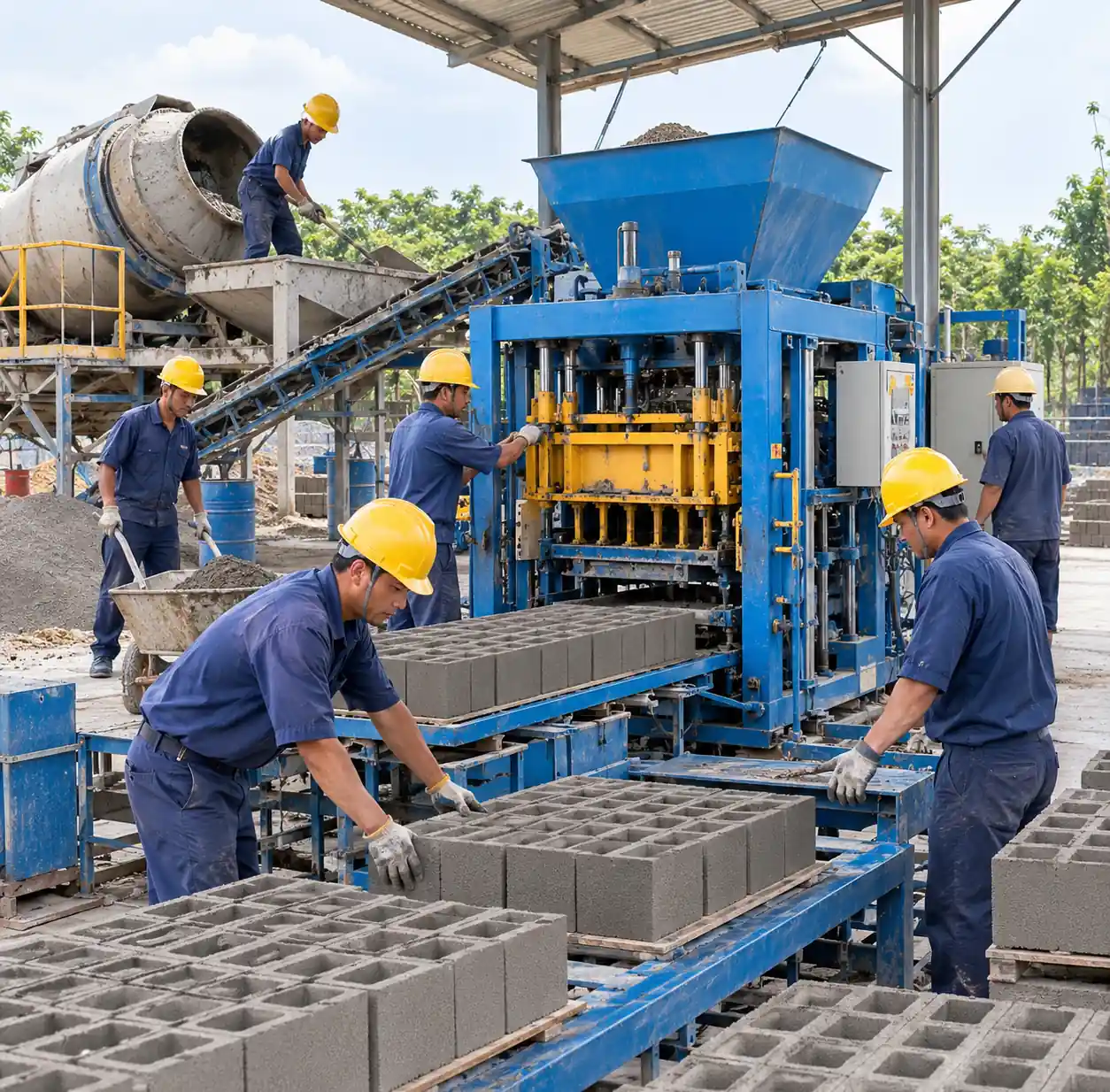
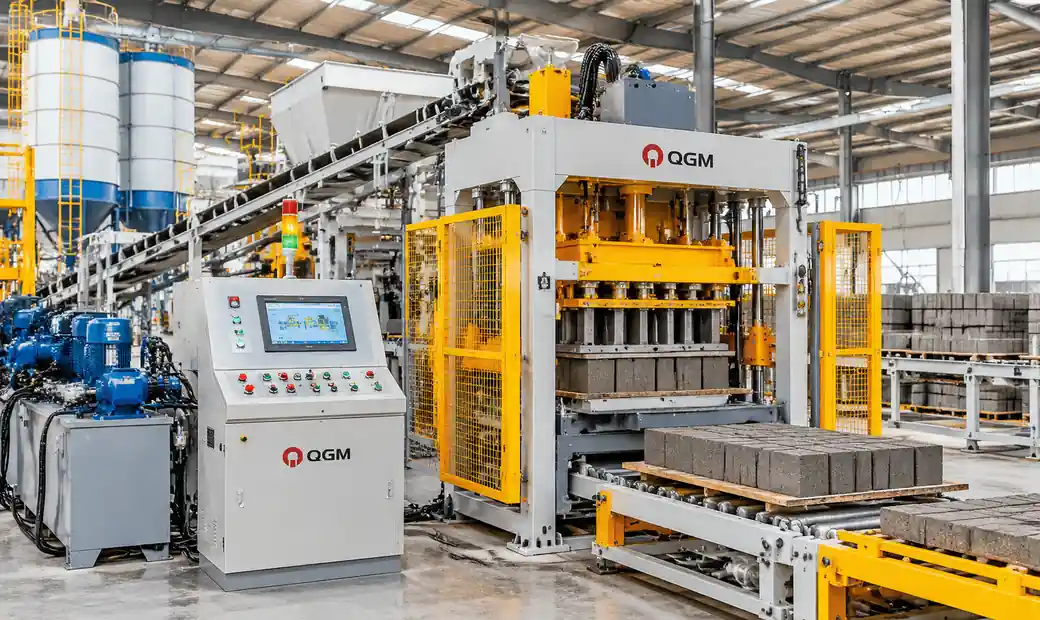
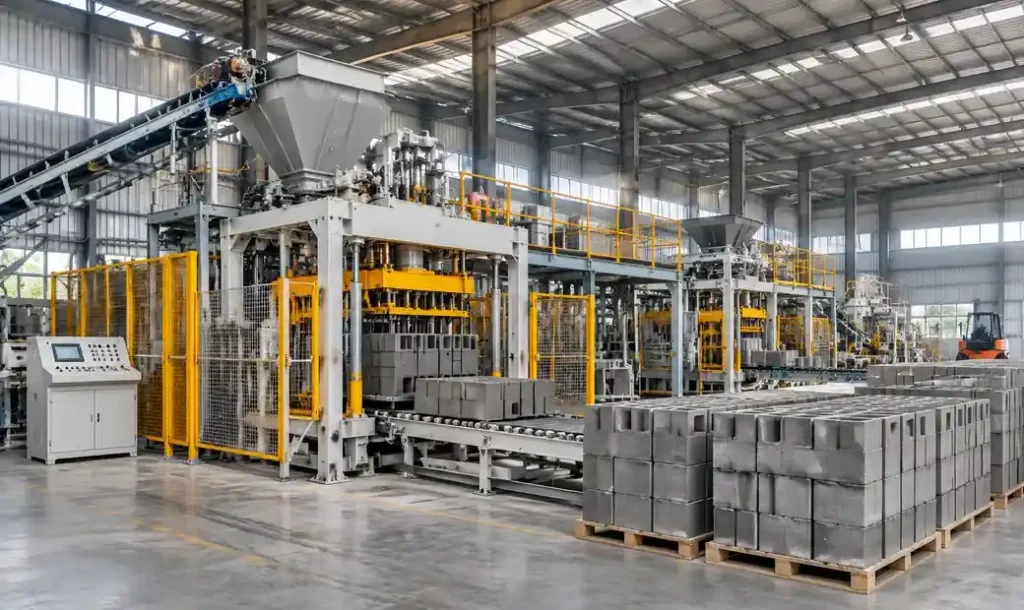
Upload photos of your facility, production equipment, finished block pallets, and delivery trucks every 2-4 weeks. Google prioritizes businesses that demonstrate active operations through fresh visual content. Include photos showing your automatic block making machines or semi-automatic equipment in operation to demonstrate production capacity.
Respond to every review within 48 hours. B2B buyers read reviews differently than consumers — they look for evidence of reliability, delivery performance, and how you handle problems when they occur. A professional response to a negative review often builds more credibility than five positive reviews with no engagement.
Search Engine Marketing for Block Manufacturers
Contractors and developers searching for block suppliers use specific search terms that reflect their immediate needs. Ranking for these keywords puts your business in front of buyers with active projects.
High-Intent Keyword Targets
Focus on location-specific commercial keywords where search volume is lower but conversion intent is substantially higher. “Concrete block supplier [your city]” generates fewer searches than “concrete blocks” but reaches buyers with projects in your delivery area who are ready to request quotes.
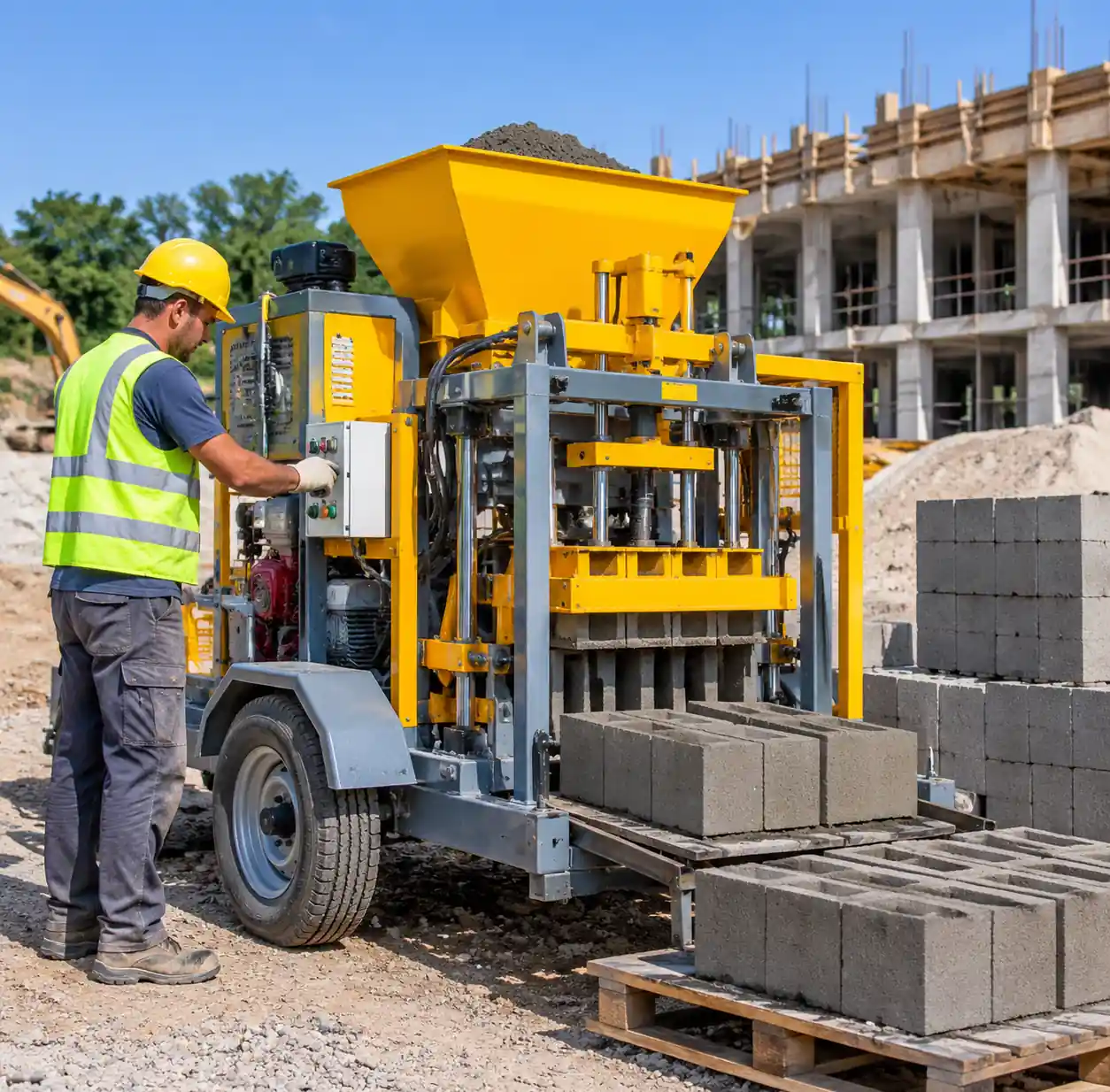
Product-specific keywords like “hollow core blocks [region],” “solid concrete blocks wholesale,” or “interlocking blocks manufacturer” attract buyers searching for particular block types your operation produces. If you offer mobile block machines for on-site production, target “mobile block manufacturing” and “on-site block production” to capture project-specific inquiries.
Service-related searches including “concrete block delivery [city],” “bulk block supplier,” or “block manufacturer custom molds” indicate buyers at the vendor evaluation stage comparing capabilities across suppliers.
Content Marketing That Converts
Block manufacturers often underutilize content marketing because they assume technical products don’t require educational content. However, contractors, project managers, and developers regularly search for specification guidance, installation best practices, and application comparisons that position you as a knowledgeable resource while capturing search visibility.
Create comparison guides addressing buyer questions like “hollow blocks versus solid blocks” for load-bearing versus partition walls, or “manual versus semi-automatic versus automatic block machines” for businesses evaluating equipment purchases. These guides attract early-stage researchers who become buyers later in their decision process.
Project requirement calculators that help contractors estimate block quantities needed based on wall dimensions, building square footage, or foundation perimeter provide immediate utility while capturing contact information for quote follow-up.
Case studies documenting large projects you supplied — the project size, block types provided, delivery schedule accommodated, and any technical challenges solved — demonstrate your capability to handle similar scale projects. Structure case studies around project types like “Government Housing Development – 500,000 Blocks Delivered Over 8 Months” rather than generic success stories.
Direct Outreach to Construction Companies
While digital marketing creates inbound inquiry flow, direct outreach to active construction companies generates immediate quote opportunities from buyers who may not discover you through search.
Build a target list of general contractors and developers active in your region by monitoring building permit records, construction project announcements in local business publications, and commercial real estate development news. Many municipalities publish building permit data publicly, showing contractor names, project addresses, and construction values that indicate project scale.
Your outreach message should focus on operational capabilities relevant to their project requirements: “We produce 15,000 concrete blocks daily from our [city] facility with 2-3 day lead times on standard hollow core and solid blocks. We deliver throughout [region] and can accommodate scheduled deliveries synchronized to your construction timeline.”
Include specific differentiators like “We maintain 50,000+ blocks in ready inventory” or “We offer custom mold blocks with 3-week tooling lead time” that address common contractor pain points around material availability and product customization.

Building Materials Trade Shows and Networking
Trade shows and industry associations provide concentrated access to buyers actively evaluating suppliers and equipment. However, show effectiveness depends entirely on pre-show preparation and systematic follow-up rather than simply staffing a booth.
Trade Show Strategy
| Pre-Show (4-6 Weeks) | During Show (2-4 Days) | Post-Show (1-2 Weeks) |
|---|---|---|
| Email registered attendees announcing your booth | Qualify visitors: project timeline, volume needs, decision authority | Contact all qualified leads within 48 hours |
| Offer booth-exclusive pricing or sample block giveaway | Collect contact details with project-specific notes | Send promised samples, quotes, technical specifications immediately |
| Prepare sample blocks showcasing quality and variety | Demonstrate production with video showing your facility | Schedule follow-up calls or site visits while interest is fresh |
Regional concrete and masonry association memberships provide ongoing networking access to contractors and builders through monthly meetings, technical seminars, and member directories. Active participation in committees or speaking at educational sessions positions you as an industry resource beyond just another supplier competing on price.
Referral Programs and Repeat Business
Block manufacturing businesses generate 40-60% of revenue from repeat customers once operational. Systematic referral programs and account management practices accelerate this repeat business cycle.
Implement a contractor referral program offering a discount on their next order for every new customer they refer who completes a purchase. Structure the incentive around order value — for example, 2% credit on their next purchase for referrals generating orders over 10,000 blocks, 5% credit for referrals over 50,000 blocks.
Proactive account management for your top 20% of customers by order value includes scheduled check-in calls before they need to place orders, priority production scheduling during high-demand periods, and advance notice of any price adjustments or delivery schedule changes.
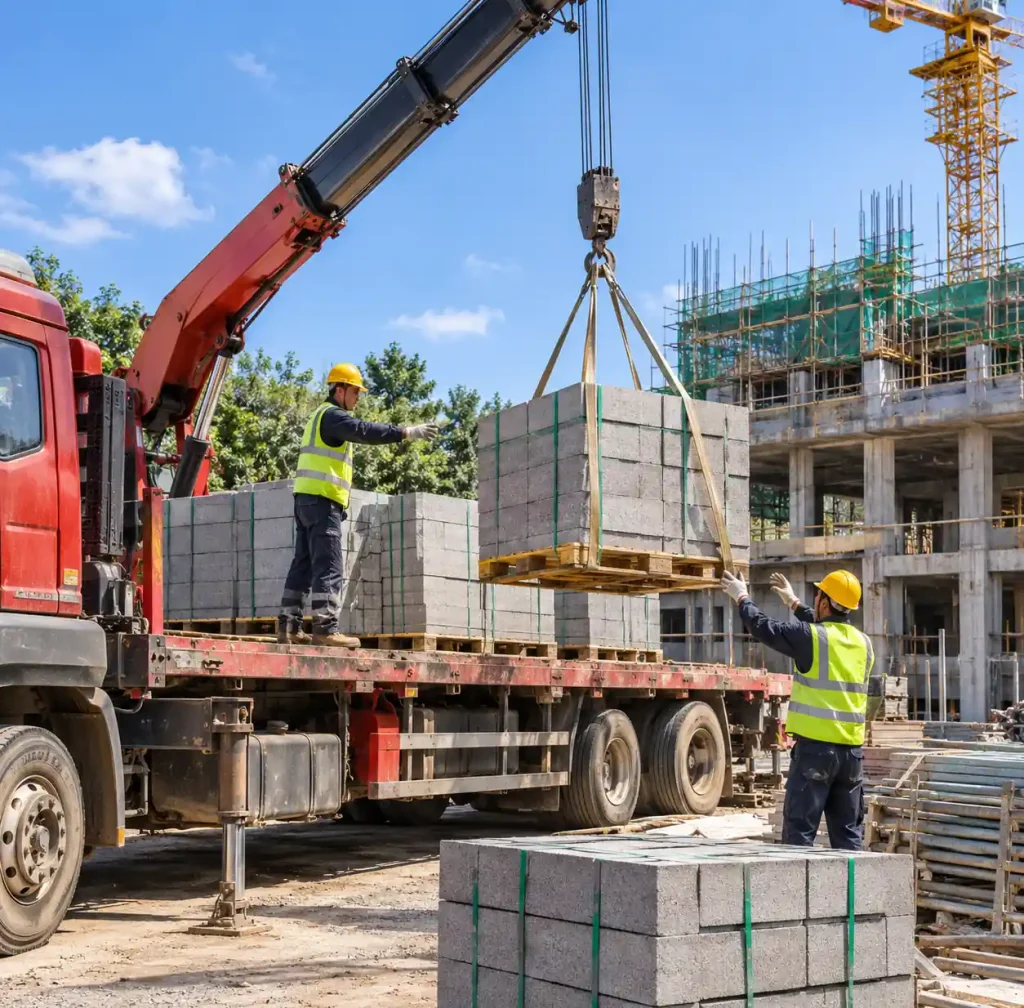
Delivery performance directly drives repeat business in construction materials. Track your on-time delivery rate weekly and investigate any deliveries that miss scheduled windows to identify operational issues before they become customer dissatisfaction patterns.
Pricing Strategy and Quote Management
Your pricing structure signals your market positioning and affects customer acquisition cost as much as your marketing tactics. Block manufacturers typically operate in one of three pricing positions that determine which customer segments they can effectively serve.
Volume-discount pricing targeting large contractors and developers starts with higher per-unit pricing on orders under 10,000 blocks but offers aggressive discounts at 25,000, 50,000, and 100,000+ block tiers. This structure qualifies inquiries by project size and makes your economics work better on large orders where delivery efficiency and production runs are optimized.
Competitive flat pricing positions you against other local suppliers for general contractor business in the 10,000-30,000 block range. Pricing is consistent regardless of order size but typically falls in the middle of the local market range, relying on delivery reliability and service responsiveness for differentiation.
Premium pricing with service bundling charges 8-15% above market rates but includes scheduled delivery, technical support for specification questions, and flexible order modifications. This works only when you’ve established reputation for reliability that justifies the premium and are targeting commercial projects where the block cost is minor relative to total construction budget.
Quote response time directly impacts close rates. Contractors requesting quotes typically contact 3-5 suppliers and award business to responsive suppliers who provide complete pricing, delivery terms, and availability information within 24-48 hours. Automated quote request systems on your website that immediately acknowledge receipt and provide estimated response timing keep you in consideration while you prepare detailed pricing.
Measuring Marketing Effectiveness
Marketing spending generates return only when measured against actual business outcomes rather than intermediate metrics like website traffic or social media engagement that don’t directly predict revenue.
Key Performance Indicators for Block Manufacturers
Track monthly quote requests as your primary marketing output metric. This measures how effectively your marketing channels generate actual sales opportunities. Break this down by source — website contact forms, phone inquiries, email requests, in-person referrals — to identify which channels deliver qualified opportunities.
Quote-to-order conversion rate reveals how well your pricing, delivery terms, and sales process compete once you’ve generated an inquiry. Industry benchmarks for construction materials fall between 15-30% depending on market conditions and competition intensity. Significantly lower conversion suggests pricing misalignment or capability gaps versus competitor offerings.
Customer acquisition cost divides your total marketing and sales expenses by the number of new customers acquired in a period. Block manufacturing businesses with efficient local marketing typically achieve customer acquisition costs of $200-$800 per new account depending on whether marketing focuses on high-volume or small-order customers.
Revenue per customer and repeat purchase rate measure the long-term value generated from acquisition investments. Block manufacturers with strong delivery performance and proactive account management generate 60-75% of annual revenue from customers acquired in previous years, dramatically improving overall marketing ROI.
Digital Marketing Channels Specific to Block Manufacturing
Different digital channels serve distinct functions in the B2B buyer journey for construction materials. Channel selection should match your customer profile and budget rather than attempting broad coverage across all available platforms.
Paid search advertising on Google Ads targets buyers with immediate needs searching for “concrete block supplier” or “[city] block manufacturer.” Daily budgets of $30-100 in mid-sized markets generate 15-40 qualified clicks monthly from high-intent searchers. Geographic targeting to your delivery radius ensures budget focuses on serviceable customers.
LinkedIn advertising and content distribution reaches commercial developers, construction managers, and procurement professionals on the platform where they research suppliers and evaluate capabilities. Sponsored content featuring case studies, production capacity demonstrations, or technical guides builds awareness in this audience segment that rarely uses generic search to find suppliers.
Email marketing to your existing customer list and collected leads maintains visibility between projects. Monthly updates highlighting inventory availability, new product offerings, production capacity additions, or industry technical content keep your business in consideration when recipients enter their next material procurement cycle. Construction project timelines mean a lead generated today may not purchase for 6-12 months, requiring sustained communication until need activates.
Building Long-Term Business Relationships
Block manufacturing success depends less on one-time transaction marketing and more on relationship development that generates recurring orders and referrals over multi-year periods.
Reliability outperforms pricing as the primary driver of contractor loyalty once they’ve established a working relationship. Delivering blocks on schedule, maintaining consistent quality, and providing accurate order information builds trust that makes customers less sensitive to minor price differences with competitors.
Proactive communication about potential issues before they impact customer projects demonstrates operational professionalism. If production delays, weather interruptions, or material sourcing challenges may affect delivery timing, notify affected customers immediately with specific information about revised schedules and mitigation options rather than waiting for them to discover problems when delivery doesn’t arrive as expected.
Technical support for specification questions, installation guidance, or application recommendations positions you as a knowledgeable partner rather than just a material supplier. Contractors remember suppliers who helped solve project challenges beyond simply fulfilling orders.

Frequently Asked Questions
How much should I budget for marketing a block manufacturing business?
Allocate 2-5% of gross revenue to marketing depending on your growth stage. New operations entering a market or expanding territory should budget toward 5% to build initial visibility, while established businesses with strong repeat customer bases can maintain 2-3% focused primarily on lead generation and customer retention.
What’s the fastest way to generate block sales inquiries?
Direct outreach to active contractors and developers combined with Google Business Profile optimization delivers fastest results. Build a list of 50 construction companies actively working in your region, call to introduce your capabilities and delivery radius, and follow up with email containing your product line card and pricing structure. Simultaneously optimize your Google Business Profile to capture local search traffic from contractors searching for suppliers.
Should block manufacturers invest in social media marketing?
Facebook and Instagram offer limited ROI for B2B block manufacturing because general contractors and commercial developers rarely use these platforms for supplier research. LinkedIn provides better returns for reaching commercial construction decision-makers, but even there, content marketing and direct connection building generates more value than paid advertising for most block manufacturers. Focus digital budgets on search visibility and website optimization before social media.
How do I compete against larger block manufacturers on price?
Compete on delivery reliability, order flexibility, and customer service rather than matching price. Smaller operators can accommodate short-lead-time orders, offer custom mold blocks for specialized applications, and provide scheduled delivery synchronized to construction timelines that large producers often can’t match. Position yourself as the responsive local supplier for projects where timing and service matter more than the absolute lowest per-block price.
What content should I create to attract block buyers?
Create specification guides for common applications like foundation walls, load-bearing partitions, or retaining walls that address questions contractors have when selecting block types. Develop block quantity calculators that help estimators determine how many blocks their projects require based on wall dimensions. Publish case studies documenting large projects you’ve supplied with details about volume, delivery schedule, and any special requirements accommodated. This content attracts early-stage researchers while demonstrating capabilities to buyers actively evaluating suppliers.
How long does it take for marketing to generate consistent block sales?
Plan for 3-6 months to build consistent inquiry flow from digital marketing channels as your website establishes search visibility and content builds authority. Direct outreach and trade networking can generate opportunities immediately but require continuous prospecting effort. Most block manufacturers see marketing momentum accelerate significantly after 6-12 months once repeat business from initial customers and referrals begin compounding with ongoing new customer acquisition.
Conclusão
Marketing a block manufacturing business requires balancing digital visibility with direct relationship building, understanding that contractors and developers make purchasing decisions based on operational reliability and technical capabilities rather than marketing creativity. Focus your efforts on making your production capacity, delivery coverage, and product specifications clearly visible to buyers in active research mode while systematically building relationships with contractors who will generate recurring revenue over multi-year periods.
Start with the fundamentals that drive immediate ROI: optimize your Google Business Profile for local visibility, ensure your website clearly communicates capabilities and specifications, and implement systematic outreach to construction companies active in your market. Layer in content marketing, trade show participation, and referral programs as your operational capacity scales to handle increased inquiry volume.
Track quote requests and conversion rates as your primary success metrics rather than website traffic or social media engagement. The goal is generating qualified sales opportunities from buyers you can profitably serve within your delivery radius and production capacity. Adjust channel investments based on cost per qualified lead rather than activity metrics that don’t predict revenue.
Your production capability and delivery reliability ultimately determine marketing success more than tactics selection. The best marketing generates inquiries you fulfill excellently, creating repeat customers and referrals that compound over time to reduce acquisition costs and build market share that competitors can’t easily displace.
Contact Raytone Block Machinery to learn how our automatic, semi-automatic, and manual block making machines help businesses scale production to meet growing demand from effective marketing programs.