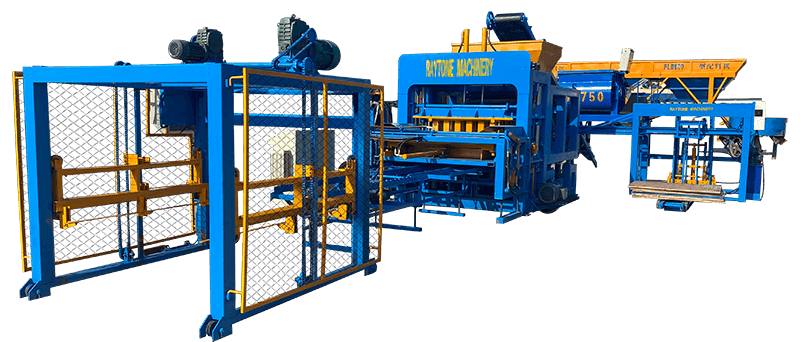






Block making businesses face a critical production decision: hollow block or solid block production. This choice determines raw material costs, production capacity, target customers, and competitive positioning.
Hollow blocks account for over 65% of concrete block sales in commercial and residential construction. Solid blocks retain essential niches in load-bearing applications and specific regional markets. Hollow blocks use 30-40% less cement per unit, while solid blocks command 15-25% price premiums in strength-critical applications.
This guide analyzes production costs, material requirements, market demand, profit margins, and equipment considerations for both block types.
Understanding Hollow Blocks and Solid Blocks
What Are Hollow Blocks?
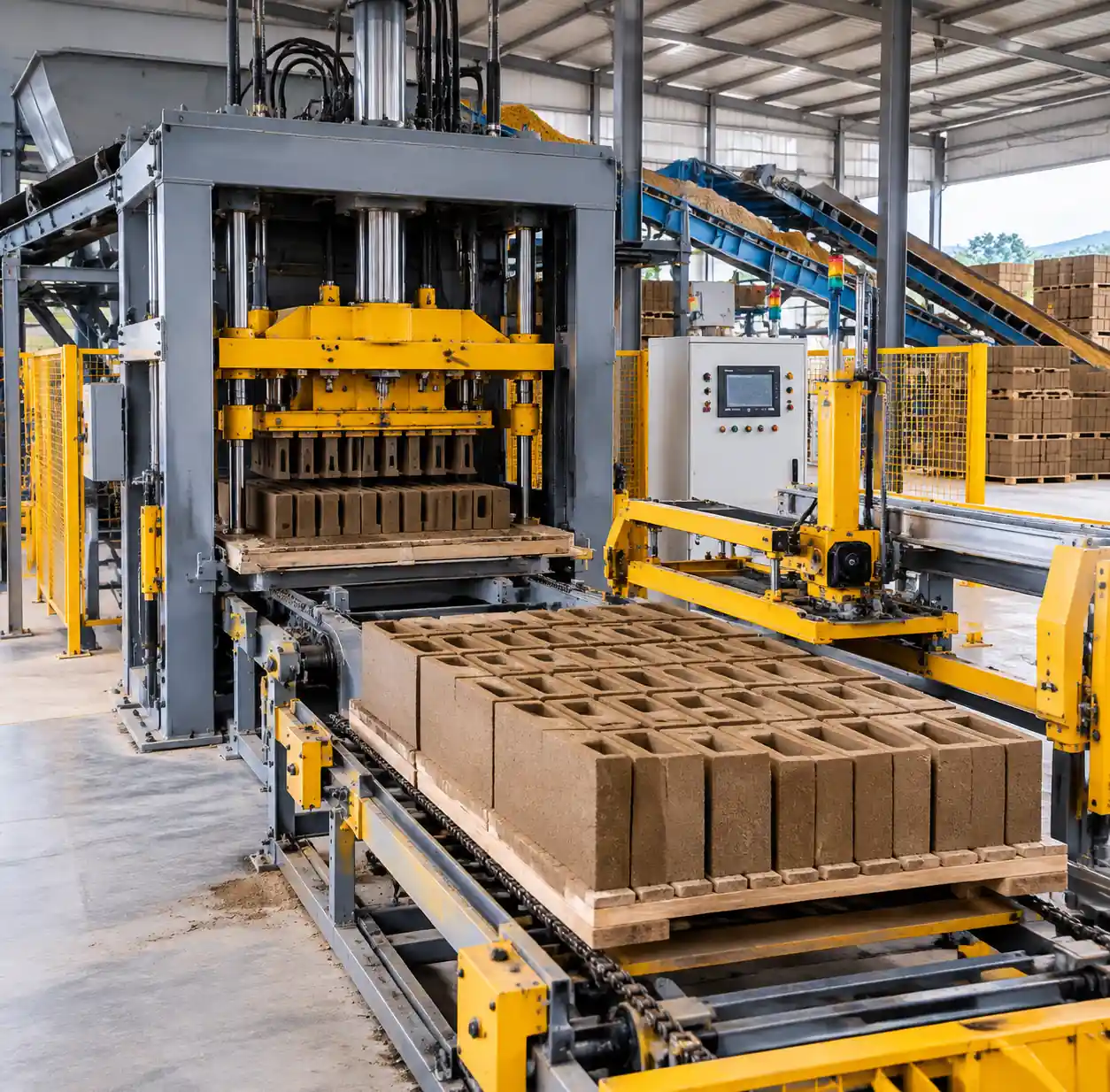
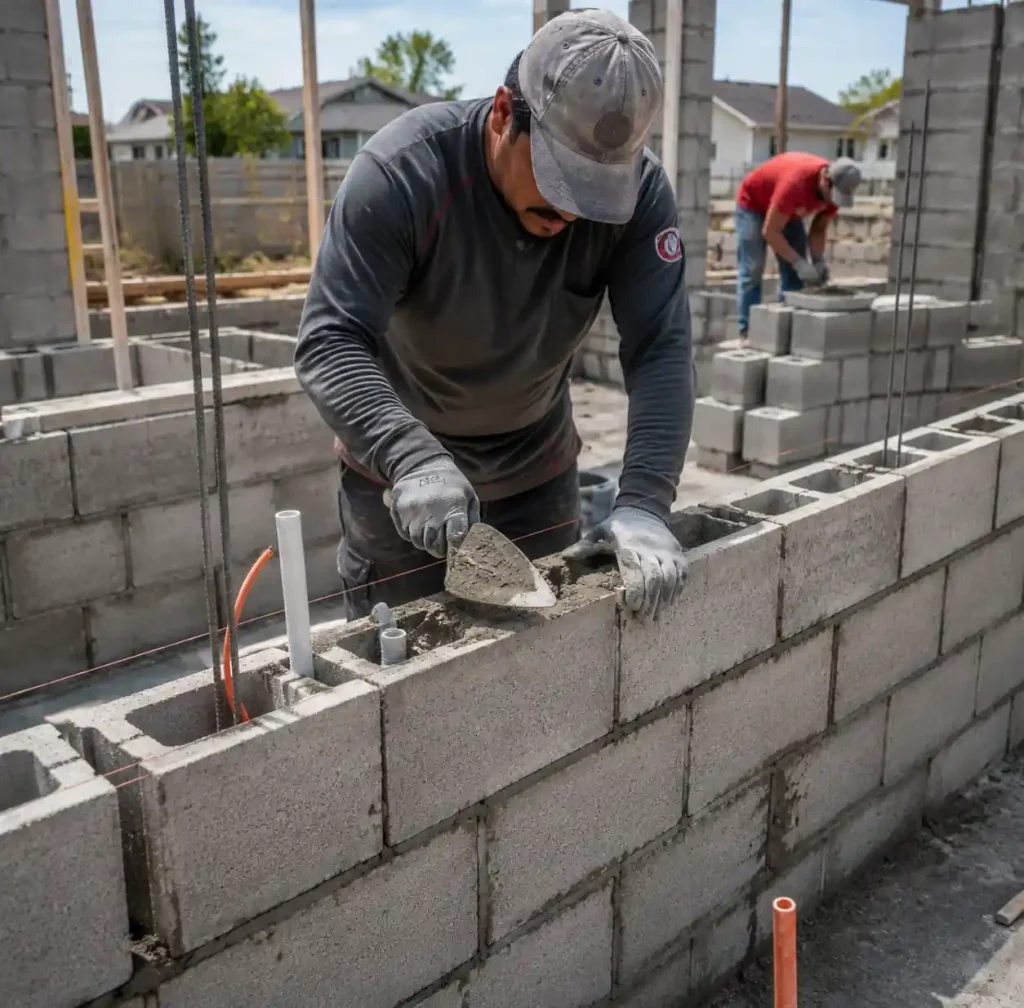
Hollow blocks are concrete masonry units with one or more hollow cores running through their length. Standard hollow blocks measure 400×200×200mm with voids occupying 40-55% of the total volume. The cores accommodate reinforcement bars, electrical conduits, and provide thermal insulation.
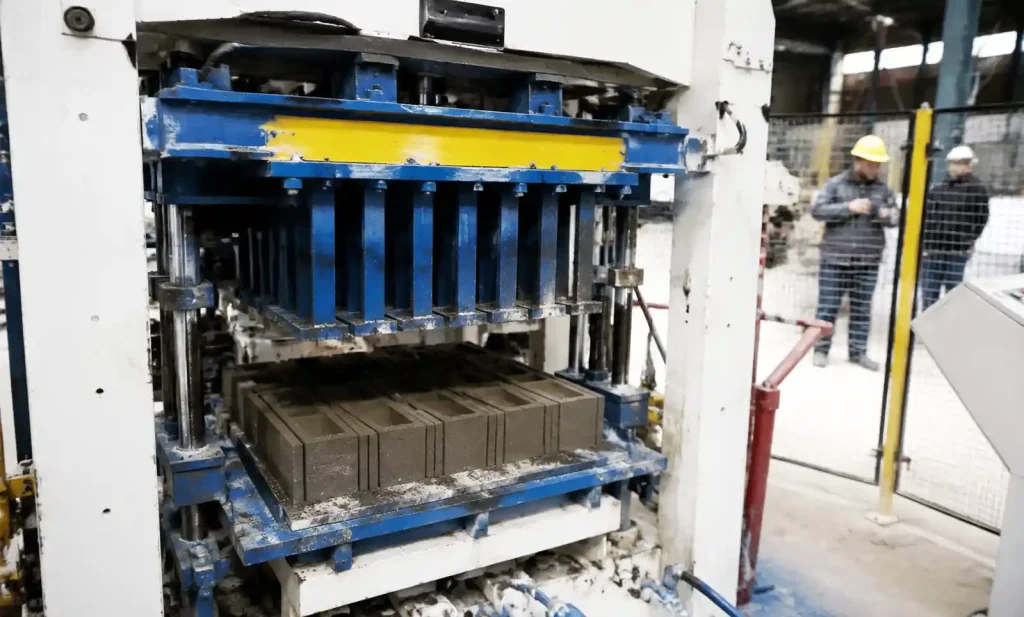
Production machines form hollow blocks by compressing concrete around core-forming pins. Hollow blocks deliver 4-7 MPa compressive strength for standard grades and 8-12 MPa for load-bearing grades. Weight is 10-14 kg per block compared to 17-22 kg for solid blocks.
What Are Solid Blocks?
Solid blocks are dense concrete masonry units with no significant voids. They use 100% of their volume for structural material, delivering maximum compressive strength of 10-20 MPa.
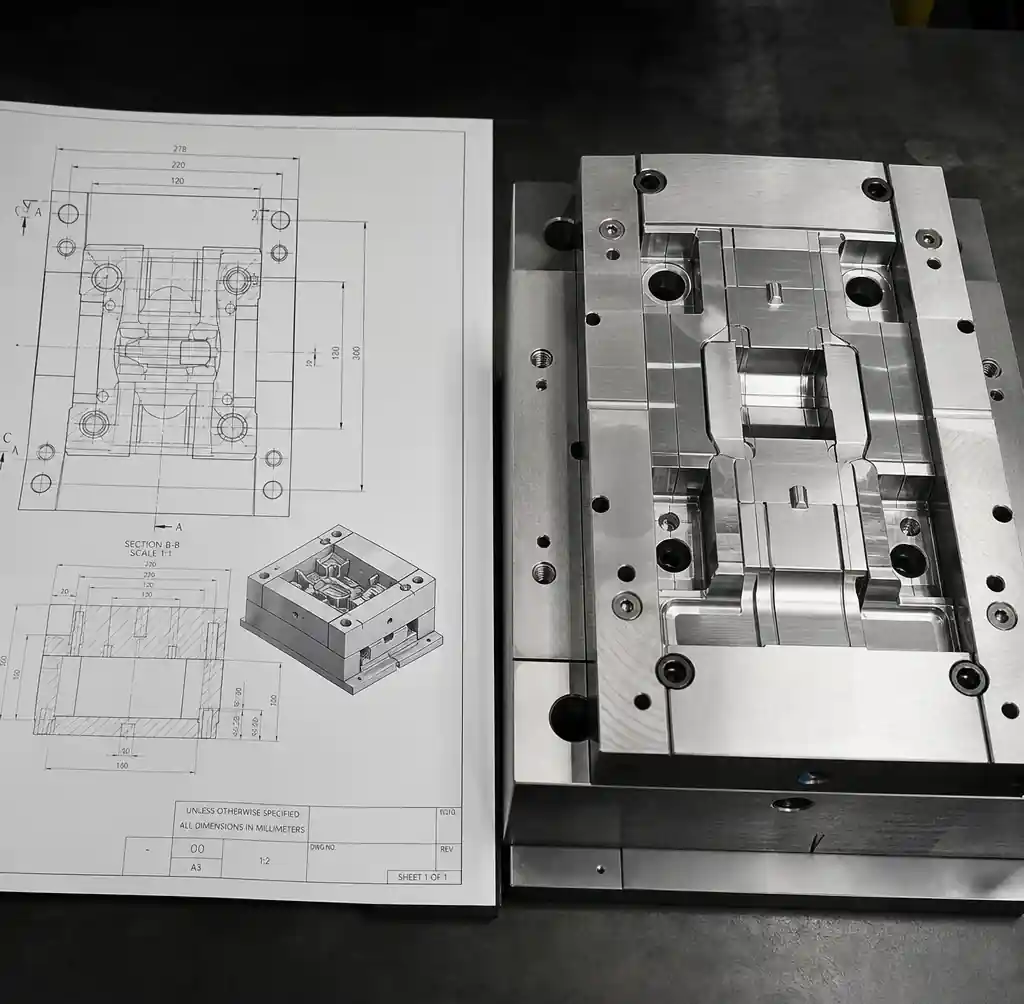
Solid blocks weigh 17-22 kg depending on aggregate density. Production uses the same equipment as hollow blocks but with different molds—no core pins penetrate the compression chamber.
Production Cost Comparison
Raw Material Requirements
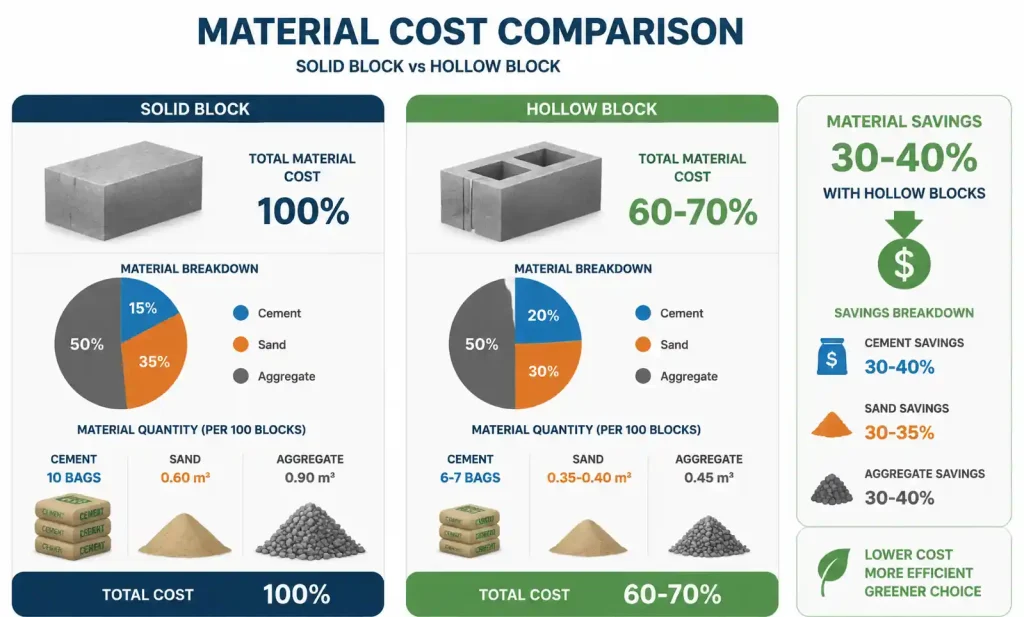
Hollow blocks consume approximately 35-40% less cement and 30-35% less aggregate compared to solid blocks. With cement costing $80-$120 per ton and aggregates $15-$30 per ton, this material efficiency translates directly to production cost savings.
| Cost Component | Hollow Block | Solid Block | Difference |
|---|---|---|---|
| Cement | $0.20-$0.32 | $0.32-$0.50 | +60% |
| Aggregates | $0.14-$0.21 | $0.22-$0.33 | +57% |
| Water | $0.01-$0.02 | $0.02-$0.03 | +50% |
| Travail | $0.03-$0.05 | $0.03-$0.05 | Same |
| Energy | $0.02-$0.03 | $0.03-$0.04 | +20% |
| Overhead | $0.02-$0.03 | $0.02-$0.03 | Same |
| Coût total | $0.42-$0.66 | $0.64-$0.98 | +52% |
Solid blocks cost 50-55% more to produce. A semi-automatic block machine producing 7,000 blocks daily saves $1,260-$2,240 per day in material costs when manufacturing hollow blocks.
Market Demand and Applications
Hollow Block Market Applications
Hollow blocks dominate modern construction due to versatility and cost efficiency:
- Residential construction (non-load-bearing walls, boundary walls)
- Commercial buildings (infill walls, partitions)
- Industrial facilities (warehouse walls, factories)
- Infrastructure projects (sound barriers, retaining walls)
Hollow blocks represent 65-70% of total block sales in urban markets.
Solid Block Market Applications
Solid blocks serve specialized applications requiring maximum strength:
- Load-bearing walls (multi-story buildings, structural walls)
- Foundation and basement work
- Retaining walls and earth pressure applications
- Industrial heavy-duty (machine foundations, heavy equipment pads)
- Paving and hardscaping
Solid blocks represent 30-35% of market demand.
Strength and Performance Comparison
| Property | Hollow Block | Solid Block | Standard |
|---|---|---|---|
| Typical Compressive Strength | 4-7 MPa (standard) | 10-20 MPa | ASTM C90 |
| Minimum for Load-Bearing | 3.5 MPa | 7.0 MPa | Local codes vary |
| High-Strength Grade | 8-12 MPa | 15-25 MPa | Special applications |
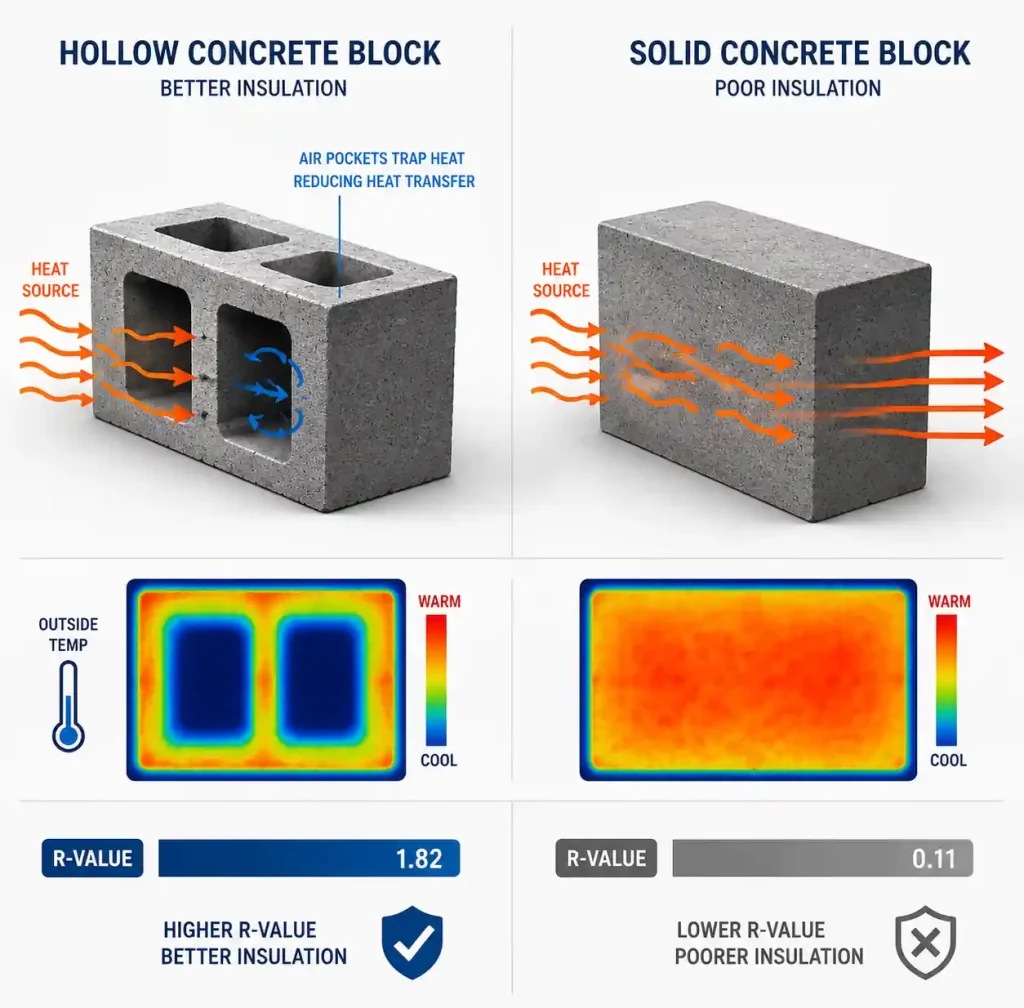
| Thermal R-Value | 0.80-1.20 | 0.15-0.25 | Per meter thickness |
| Sound Reduction | 42-48 dB | 45-52 dB | – |
Solid blocks deliver 80-120% higher compressive strength, but hollow blocks provide adequate strength for 70% of construction applications. Hollow blocks provide superior thermal insulation due to air-filled cores.
Equipment and Production Considerations
Machine Compatibility
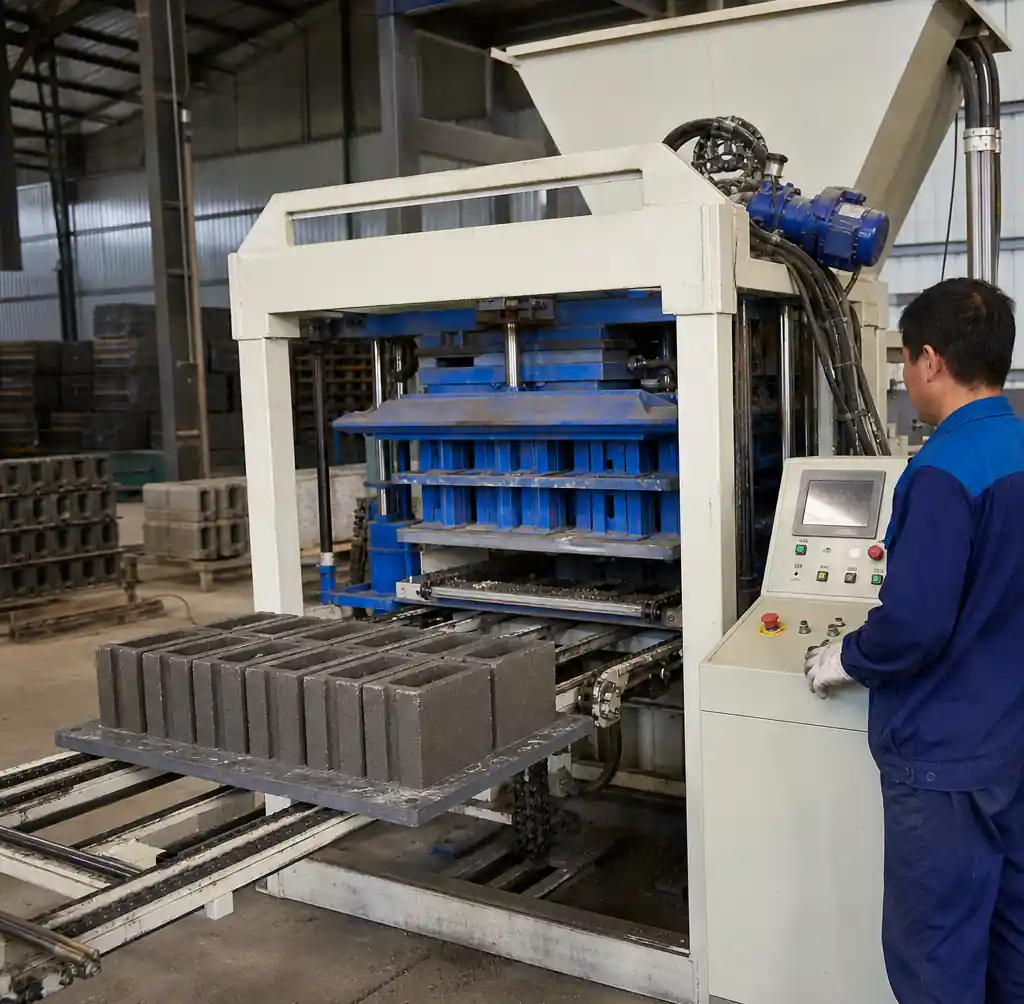
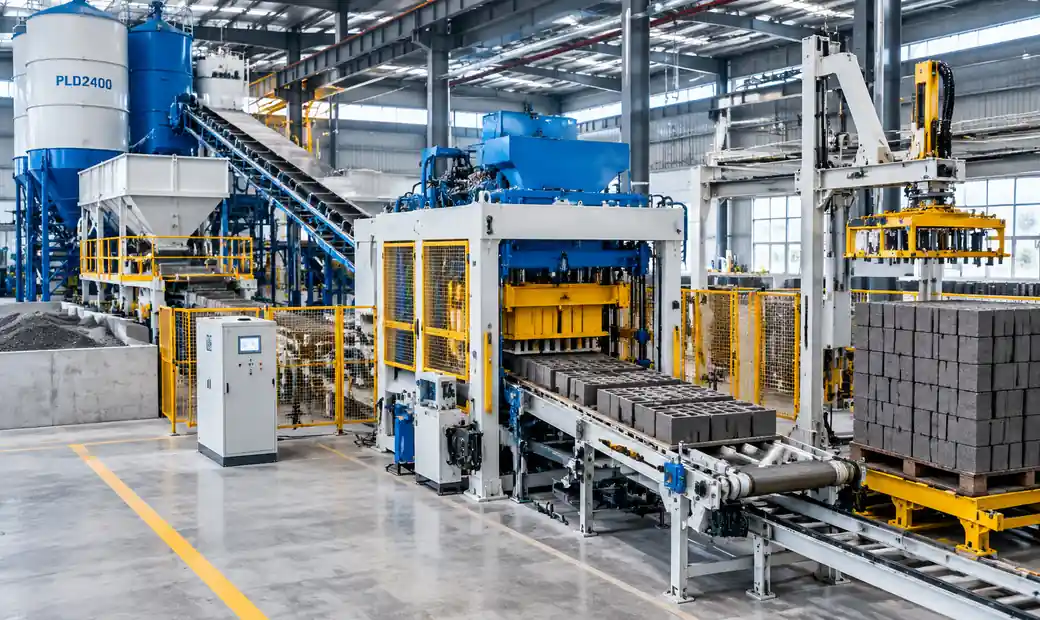
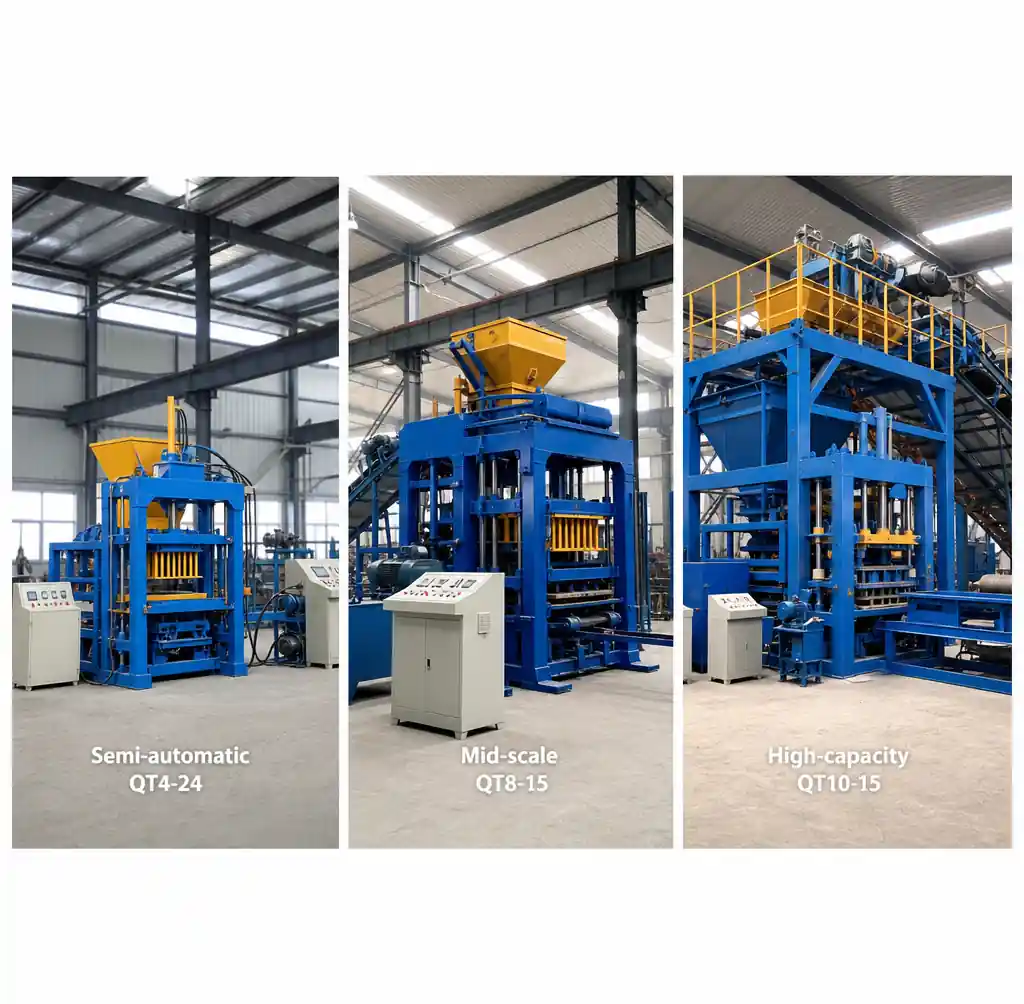
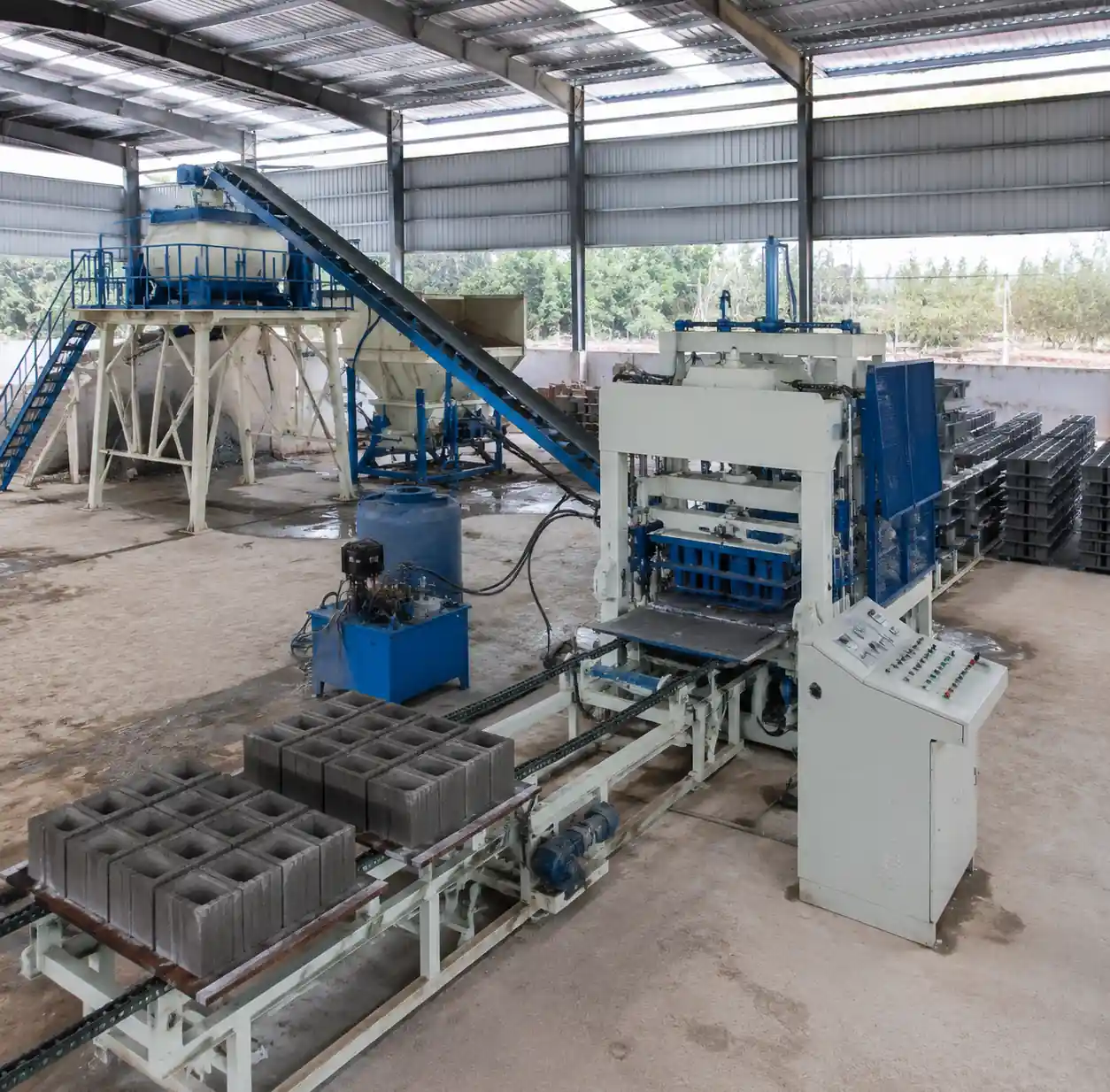
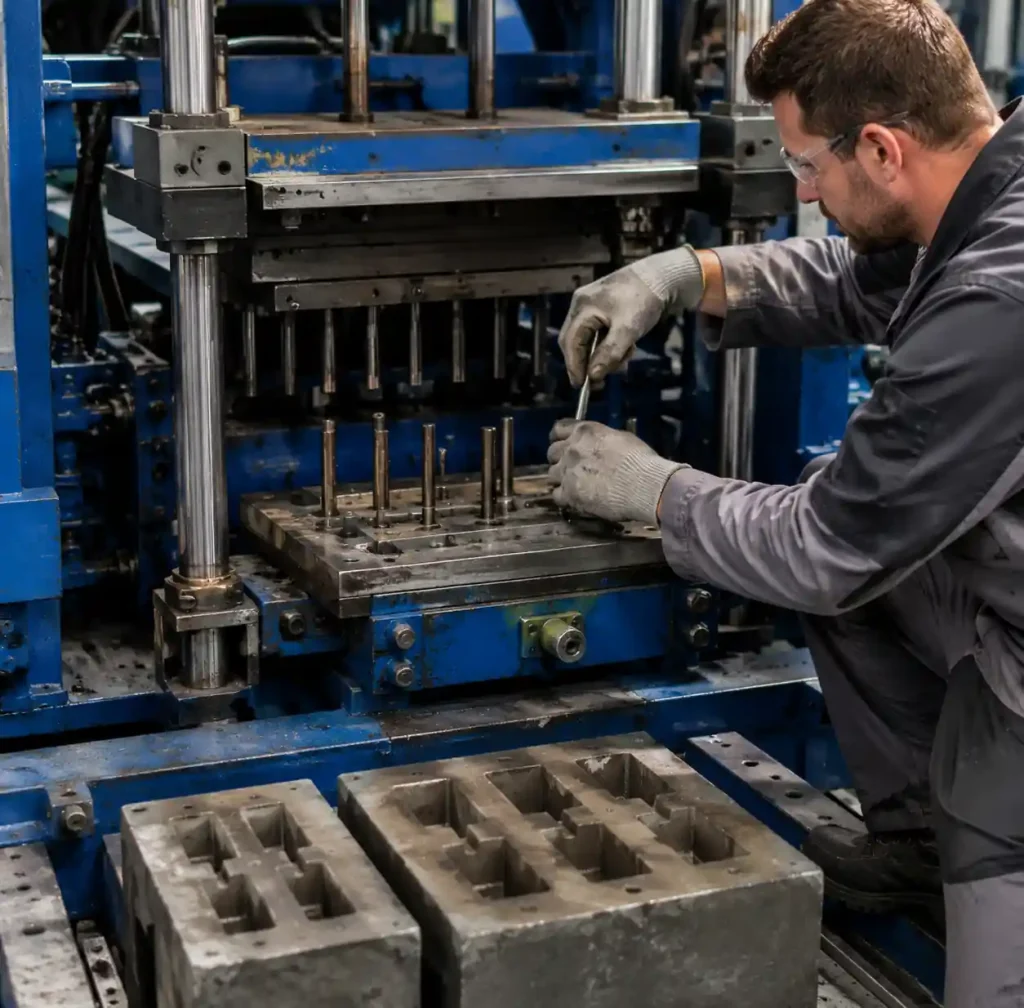
Most modern block machines produce both hollow and solid blocks by changing molds. Automatic block machines, semi-automatic machines, and machines manuelles all accommodate both types.
Mold Changeover: 15-30 minute process.
Production Speed: Solid blocks require 10-15% longer compression time.
| Type de machine | Hollow Blocks/Day | Solid Blocks/Day | Speed Difference |
|---|---|---|---|
| Manual (QT4-40) | 2,800-3,600 | 2,400-3,200 | -12% |
| Semi-Auto (QT4-30) | 6,500-7,500 | 5,800-6,800 | -11% |
| Automatic (QT10-15) | 38,000-46,000 | 34,000-42,000 | -10% |
Material Handling and Storage
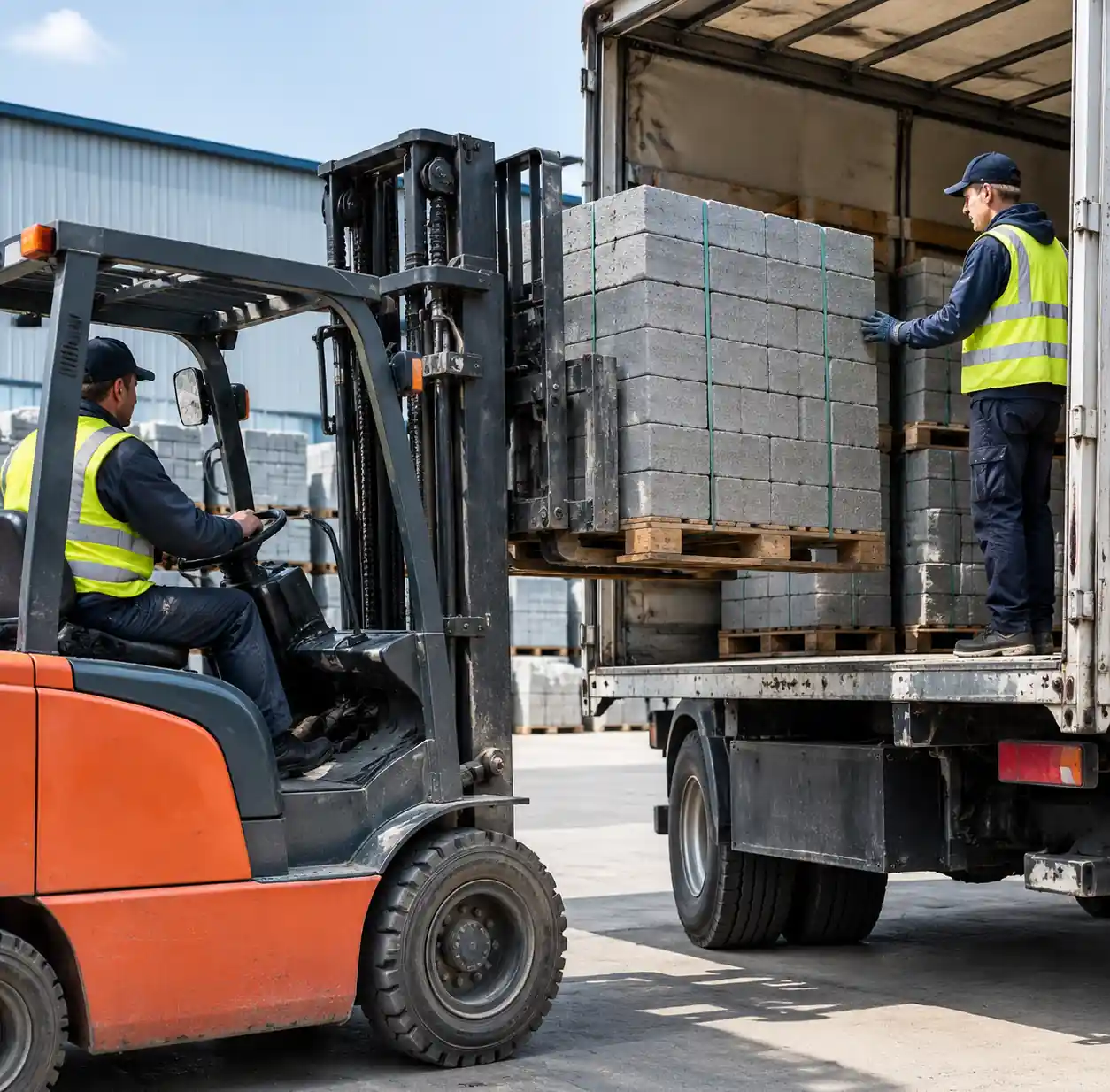
Hollow blocks’ lighter weight provides logistical advantages:
- Stack 12-15 units high vs 8-10 for solid blocks (20-30% less curing area)
- A standard truck carries 2,200-2,600 hollow blocks vs 1,400-1,800 solid blocks (30-40% lower delivery cost per block)
- Loading and handling requires 25-35% less labor time
Profitability Analysis
Pricing and Market Positioning
Hollow Block Pricing:
- Standard grade (4-5 MPa): $0.60-$0.85 per block
- Load-bearing grade (7-9 MPa): $0.75-$1.00 per block
Solid Block Pricing:
- Standard grade (10-12 MPa): $0.95-$1.25 per block
- High-strength grade (15-18 MPa): $1.15-$1.45 per block
Profit Margin Comparison
Hollow Block Profit Margins:
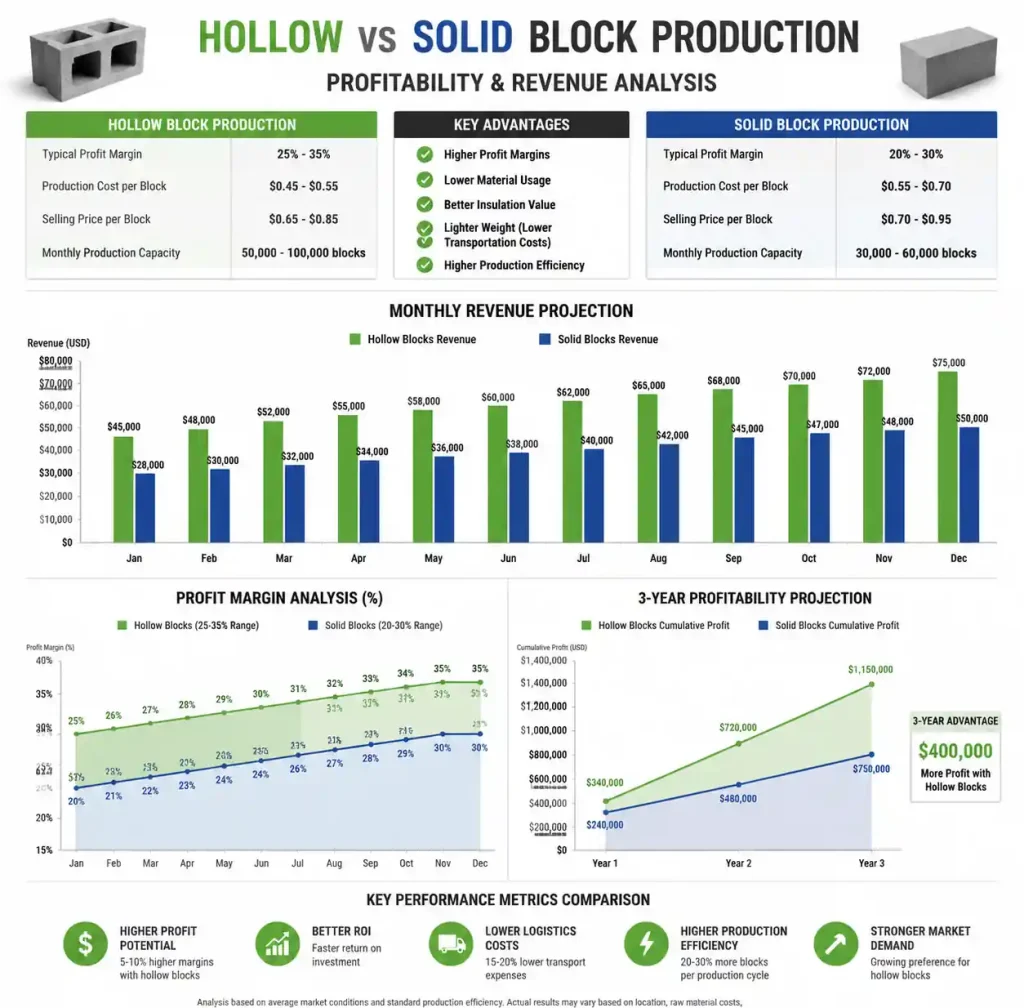
- Production cost: $0.42-$0.66 per block
- Selling price: $0.75-$1.00 per block
- Profit margin: 12-58% (typically 25-35%)
Solid Block Profit Margins:
- Production cost: $0.64-$0.98 per block
- Selling price: $1.10-$1.45 per block
- Profit margin: 11-56% (typically 20-30%)
Hollow blocks deliver more consistent profit margins with lower financial risk.
Which Block Type Should You Produce?
Choose Hollow Block Production If:
- Serving residential and light commercial construction markets
- Limited startup capital (lower material inventory requirements)
- Target cost-conscious customers
- Limited curing and storage space
- Testing market demand with minimal financial risk
Choose Solid Block Production If:
- Targeting high-strength applications and premium pricing
- Serving structural contractors, foundation work, industrial construction
- Market has established solid block preferences
- Secured contracts specifying high compressive strength
Recommended Mixed Production Strategy
70% Hollow / 30% Solid Strategy: Produce hollow blocks for volume and steady cash flow. Maintain solid block production for specialized applications and premium pricing.
Flexible Weekly Schedule: Hollow blocks Monday-Thursday for volume orders. Solid blocks Friday for specialty orders.
This approach maximizes equipment utilization and captures multiple market segments.
Production Quality Standards
ASTM C90 Requirements:
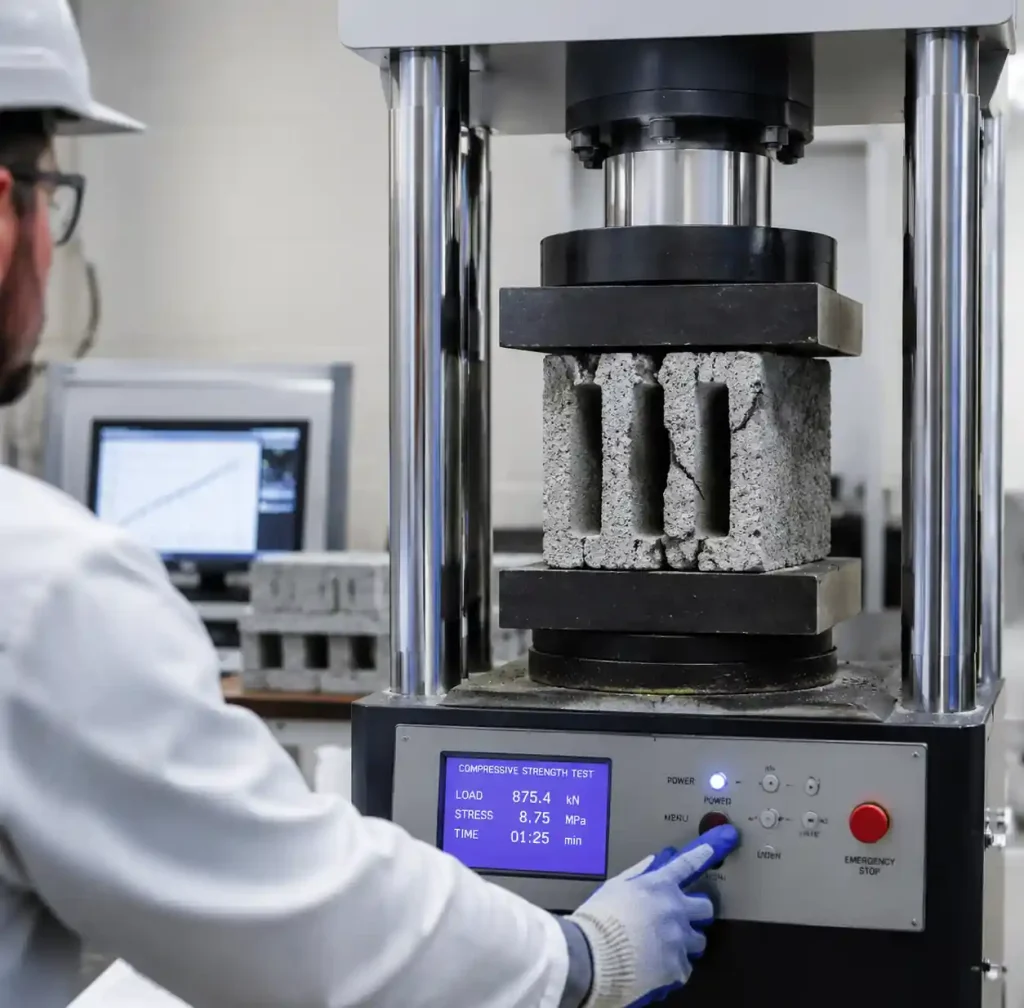
- Minimum compressive strength: 4.14 MPa (hollow) / 7.0 MPa (solid)
- Maximum water absorption: 240 kg/m³ (lightweight) / 208 kg/m³ (medium weight)
- Dimensional tolerance: ±3mm length/width, ±2mm height
Quality Control Practices:
- Test 3-5 blocks per 500 units for compressive strength
- Verify dimensions on every production batch
- Maintain consistent mix ratios using batching equipment
- Ensure proper curing (minimum 7 days, ideally 28 days)
FAQ
Which block type generates higher profit margins?
Hollow blocks typically deliver 25-35% profit margins compared to 20-30% for solid blocks. Hollow blocks provide more consistent profitability with lower material cost risk. Most producers maximize total profit by producing 65-75% hollow blocks for volume and 25-35% solid blocks for specialty applications.
Can the same machine produce both hollow and solid blocks?
Yes, all modern block machines produce both types by changing molds—a 15-30 minute process. Automatic machines, semi-automatic machines, and machines manuelles all accommodate both molds.
What is the demand ratio between hollow and solid blocks?
Hollow blocks represent 65-70% of total demand, with solid blocks at 30-35%. Urban markets trend toward 75-80% hollow blocks, while rural markets maintain 50-60% hollow block demand.
How much cement does each block type consume?
Hollow blocks use 2.5-3.2 kg cement per block. Solid blocks use 4.0-5.0 kg cement. One 50kg cement bag produces 15-20 hollow blocks but only 10-12 solid blocks.
Which block type is better for earthquake-prone areas?
Hollow blocks with proper vertical reinforcement through the cores often perform better. The cores accommodate rebar and grout, creating reinforced masonry systems meeting seismic codes. Consult local structural engineers for specific requirements.
Conclusion
Choosing between hollow and solid block production determines your material costs, production efficiency, market reach, and profit margins. Hollow blocks deliver lower production costs, broader market applications, consistent demand, and 30-40% material savings. Solid blocks command premium prices and serve strength-critical applications but require higher capital investment.
The most successful strategy produces both types: 65-75% hollow blocks for volume and steady cash flow, and 25-35% solid blocks for premium applications. This approach maximizes equipment utilization and optimizes profitability.
Raytone Block Machinery manufactures complete production solutions from machines manuelles à fully automatic lines, with molds for both hollow and solid blocks. Contact our technical team today for equipment specifications and customized recommendations.