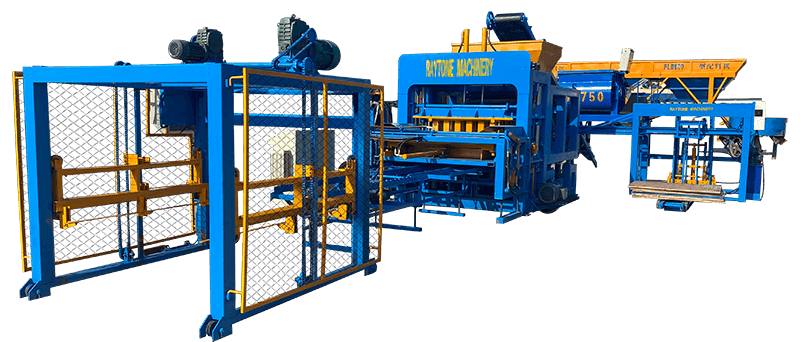






Running a block making operation means navigating quality inconsistencies that destroy profit margins, raw material price swings that wreck cash flow, and seasonal demand cycles that leave equipment idle for months. After working with block producers across three continents, I’ve seen businesses that anticipate these challenges scale profitably, while those reacting to problems stay trapped in survival mode.
Le global concrete block market reached $278.65 billion in 2025, projecting growth to $374.36 billion by 2031. Yet cash flow problems cause 82% of business failures across industries—and block manufacturing faces unique vulnerabilities around material costs, quality control, and seasonal fluctuations.
This guide addresses six core challenges: quality control failures, raw material sourcing complications, cash flow management, competitive positioning, seasonal demand management, and scaling operations.
Quality Control: The Hidden Profit Killer
Quality problems compound. One batch of defective blocks damages customer relationships, triggers returns, delays projects, and forces expensive emergency production runs.
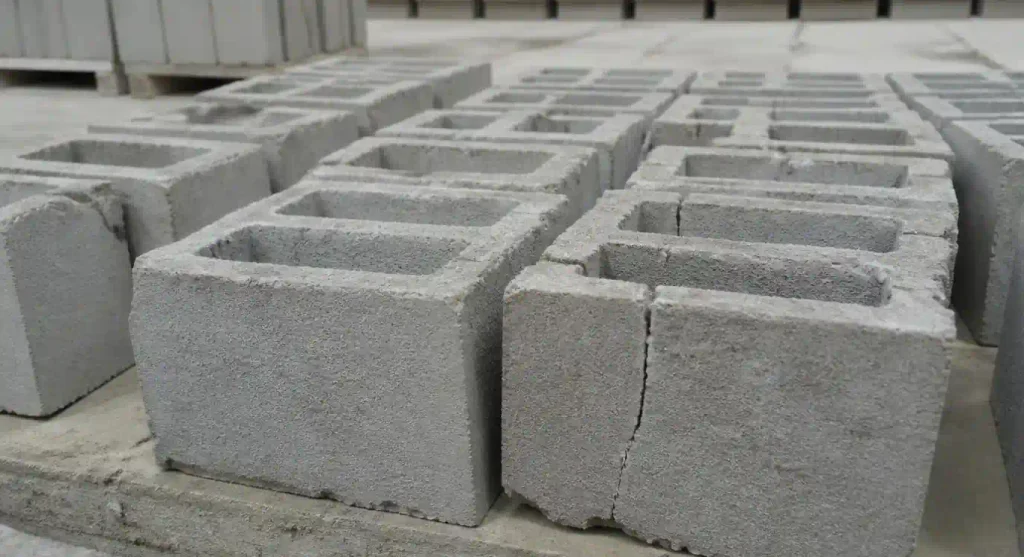
Root Causes of Quality Defects
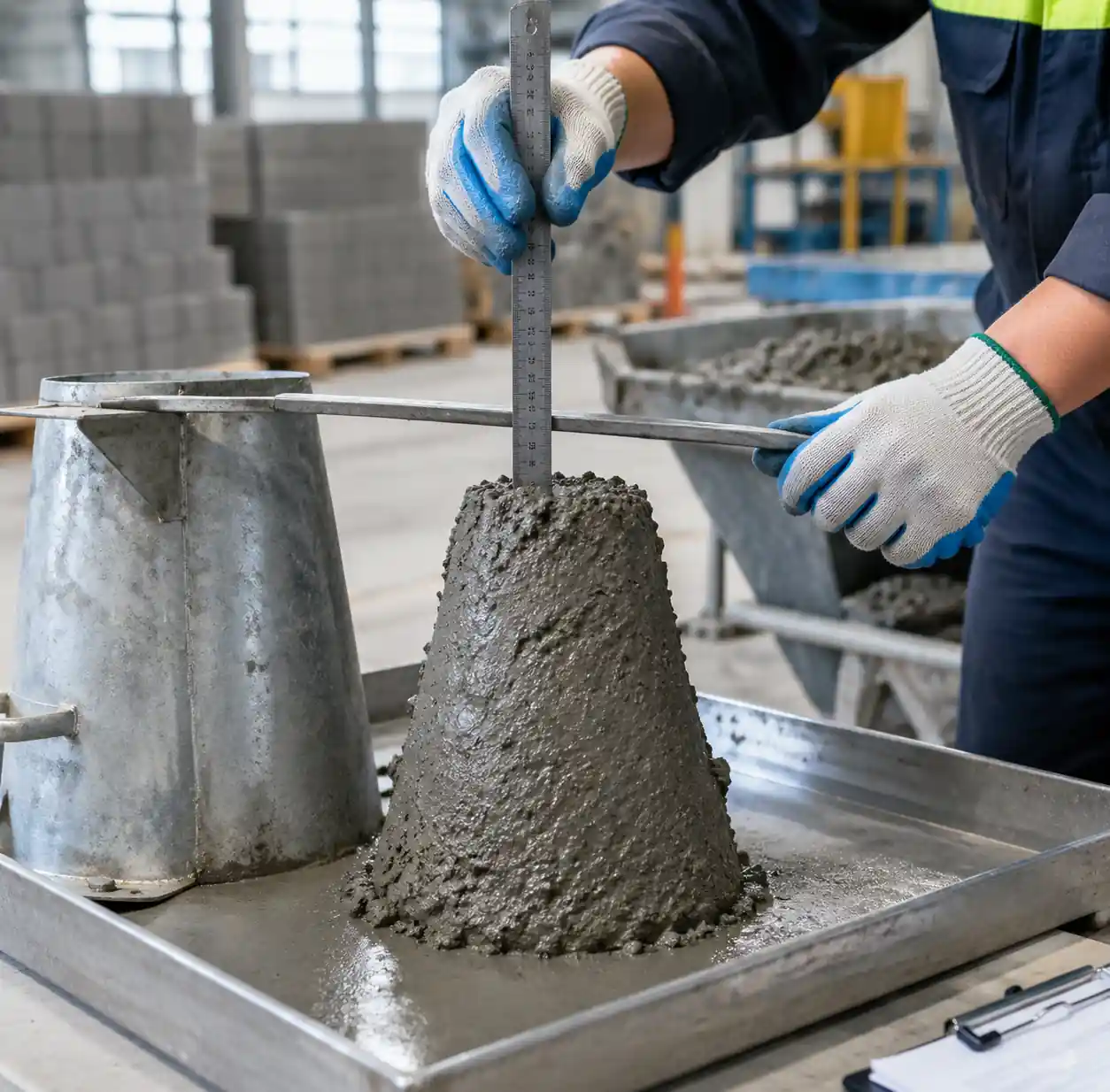
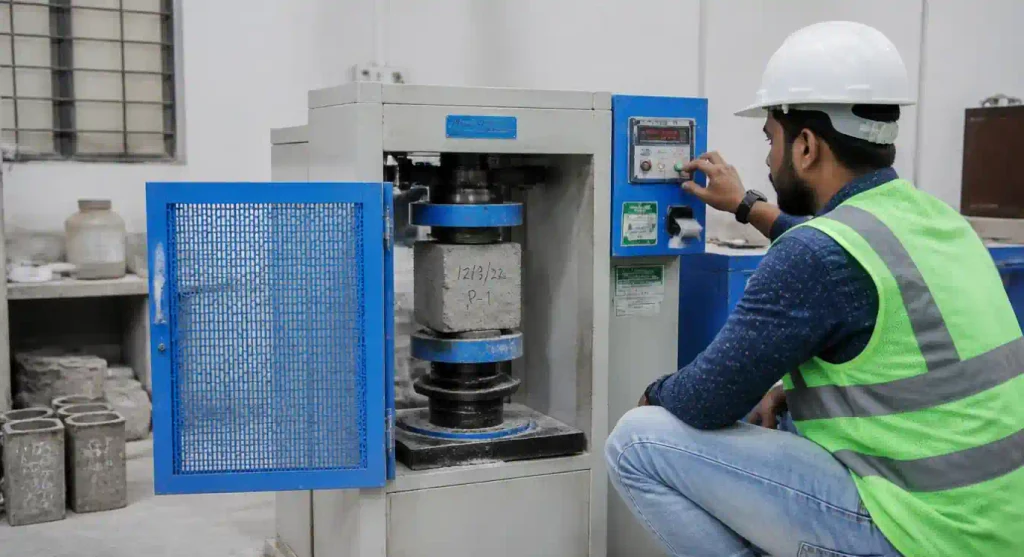
Research on concrete block quality control identified incorrect mix ratios, inconsistent moisture content, and inadequate curing as primary causes. A 1:6 cement-to-aggregate ratio produces blocks meeting 3.5 MPa standards, while 1:8 ratios consistently fail compression tests.
| Defect Type | Primary Cause | Production Impact | Solution |
|---|---|---|---|
| Surface cracking | Excessive moisture or rapid drying | 15-25% rejection rate | Control water-cement ratio to 0.40-0.45 |
| Low compressive strength | Incorrect cement ratio | Failed tests, returns | Batch weighing, testing every shift |
| Dimension variance | Mold wear or improper compaction | Assembly problems | Mold inspection, vibration calibration |
| Honeycombing | Insufficient vibration | Structural weakness | Extended vibration, proper grading |
Moisture content proves critical—blocks crack when water-cement ratios fall outside 0.40-0.45. Too much weakens the product; too little prevents proper hydration.
Implementing Quality Controls
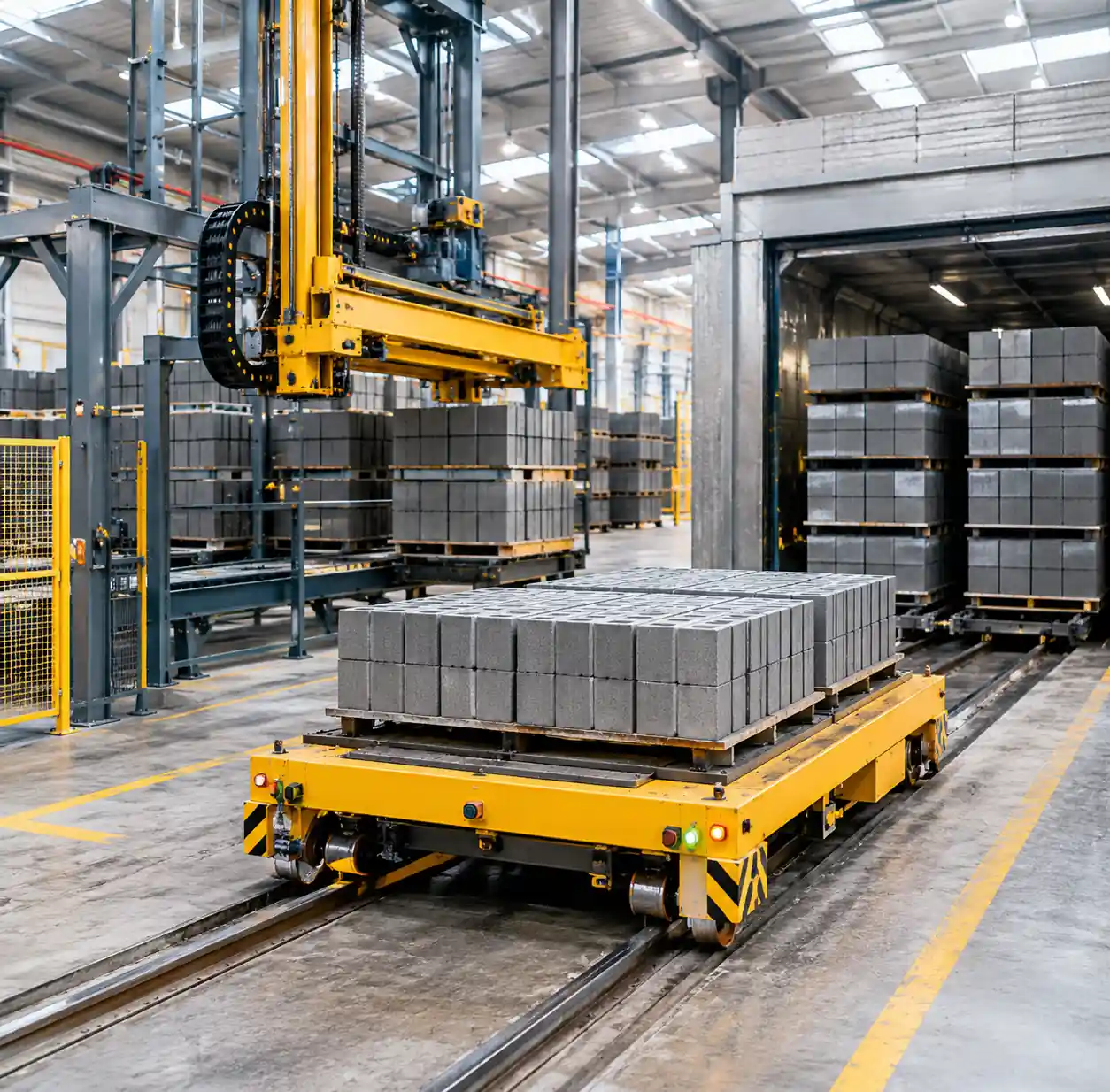
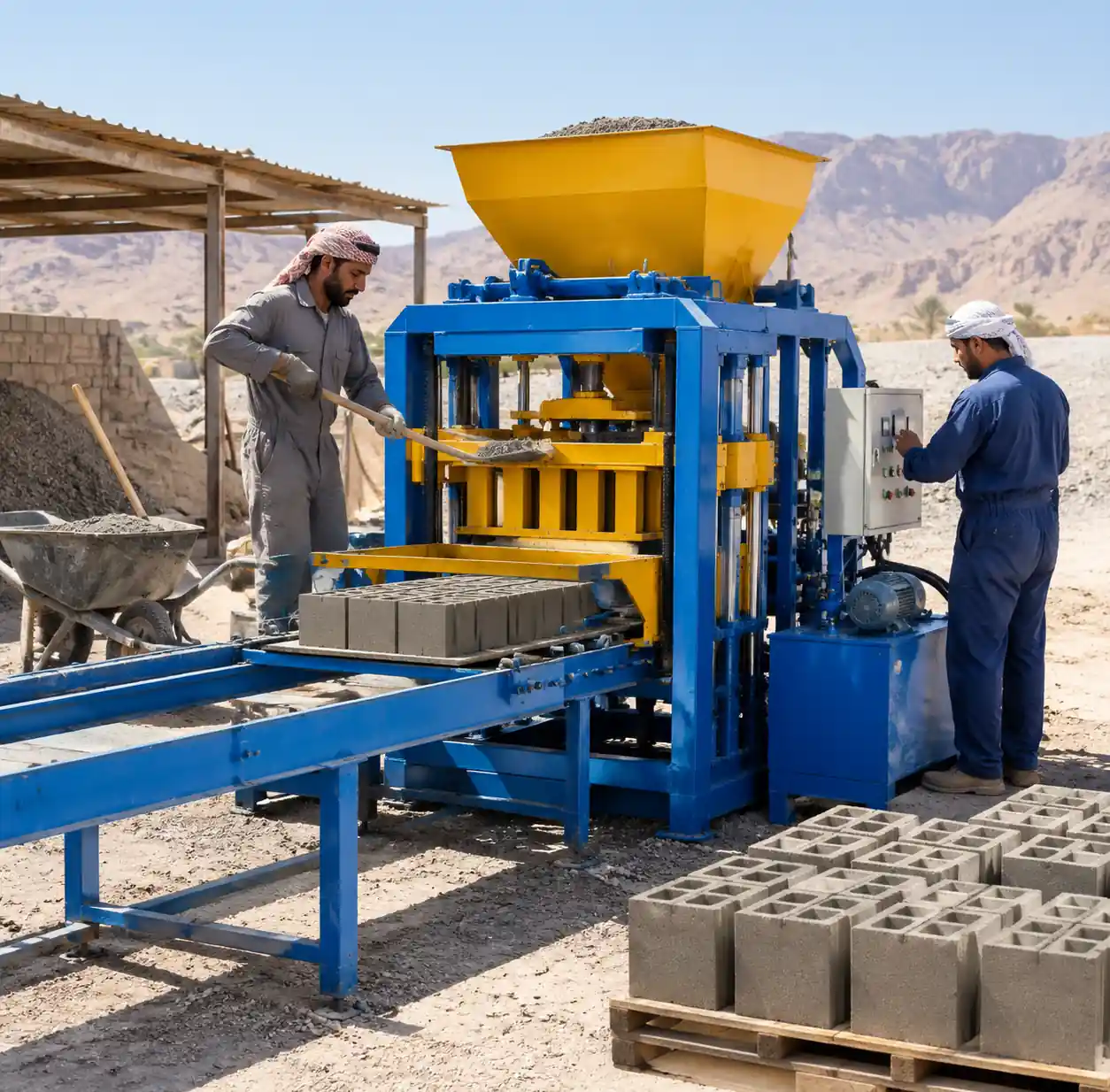
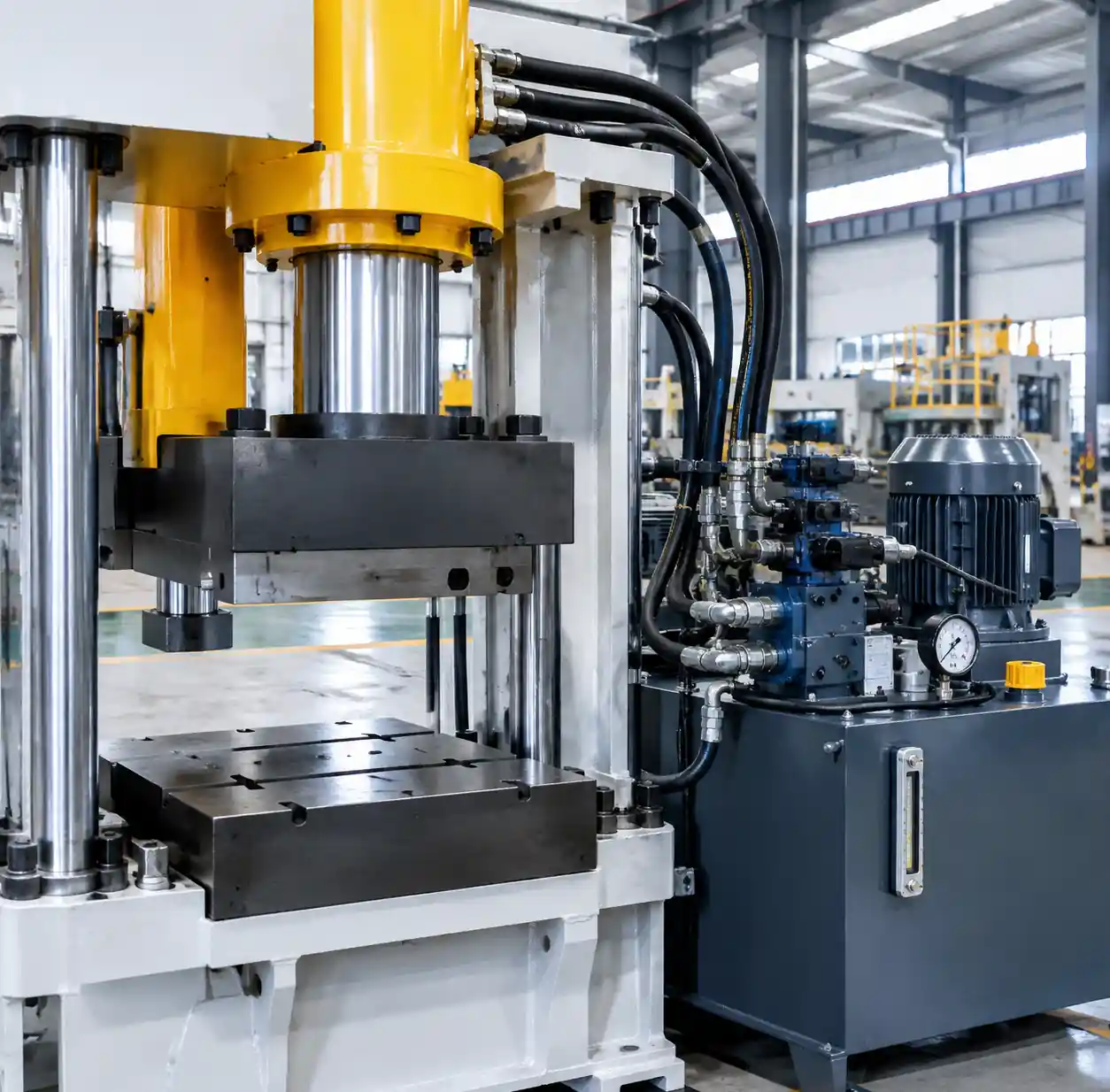
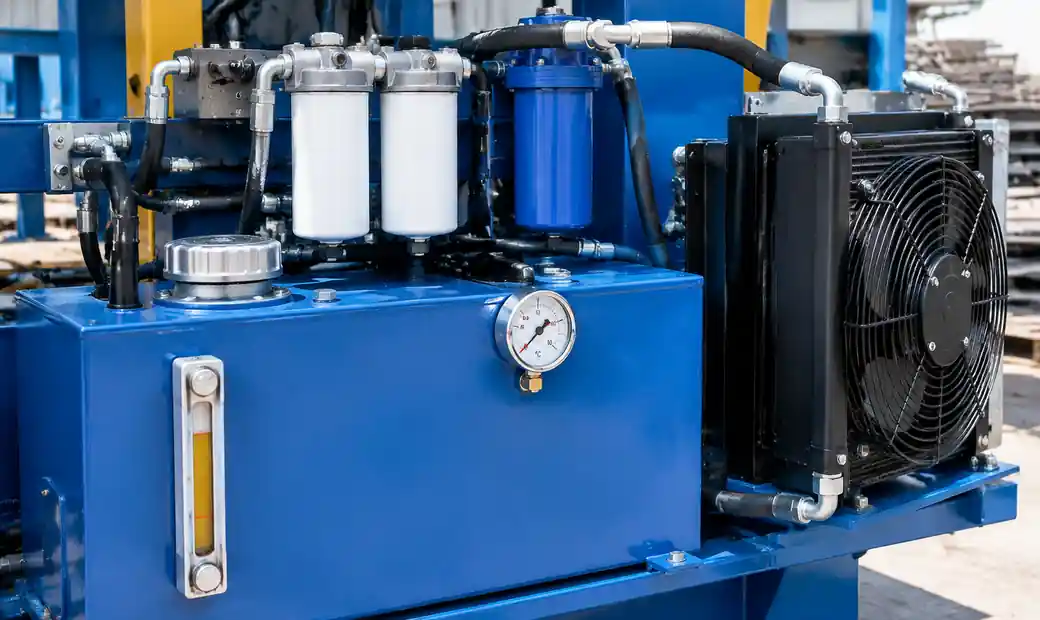
Semi-automatic systems reduce variability through automated batching but still require operator discipline. Automatic block machines with integrated sensors detect pressure variations during molding, flagging defects before blocks reach the curing yard.
Quality protocol: Test cement every delivery, aggregates weekly, moisture every 2 hours. Use automated batching to eliminate mix errors. Maintain 20-25°C and 90%+ humidity for first 7 days. Date-stamp batches to isolate quality issues.
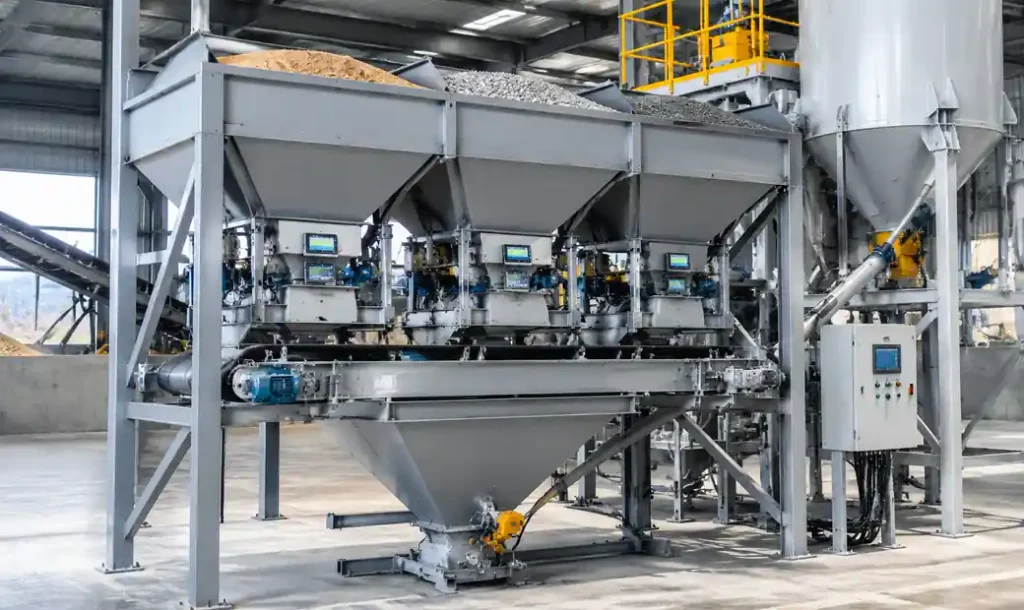
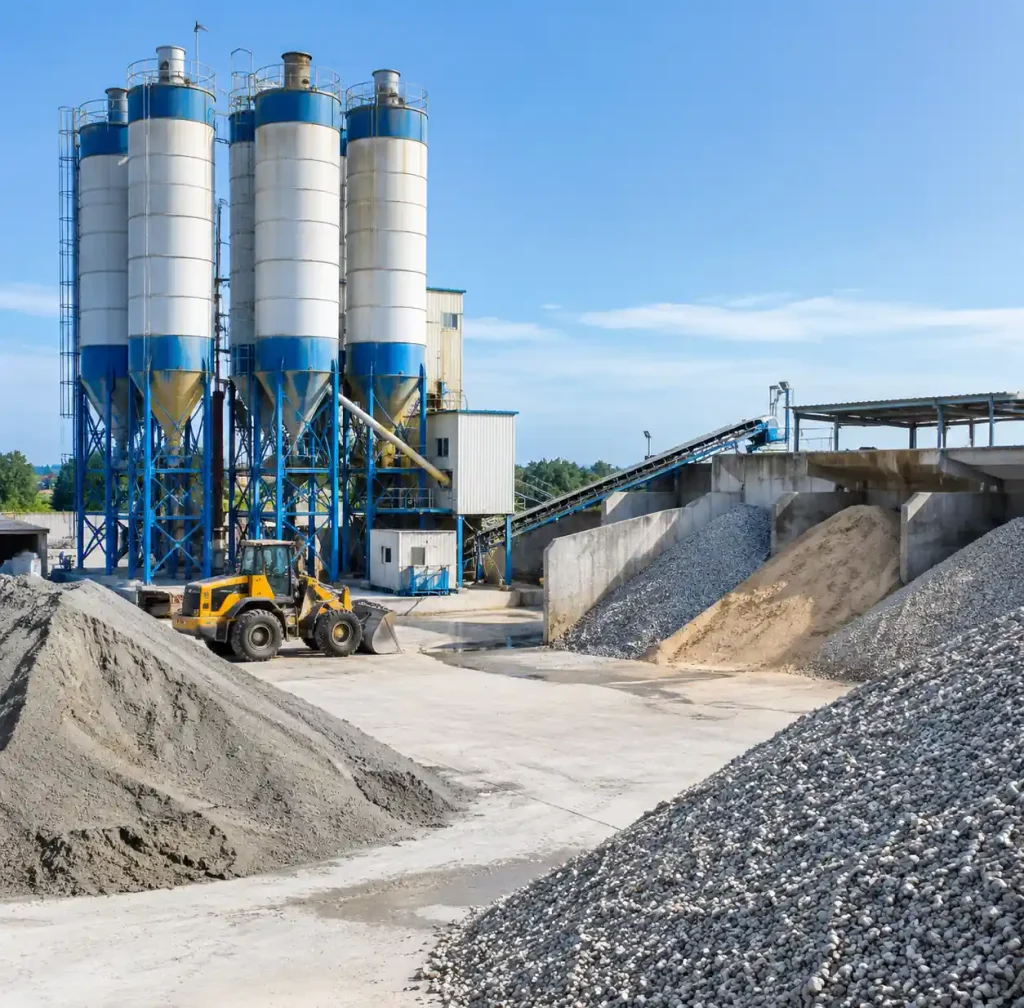
Raw Material Sourcing and Cost Management
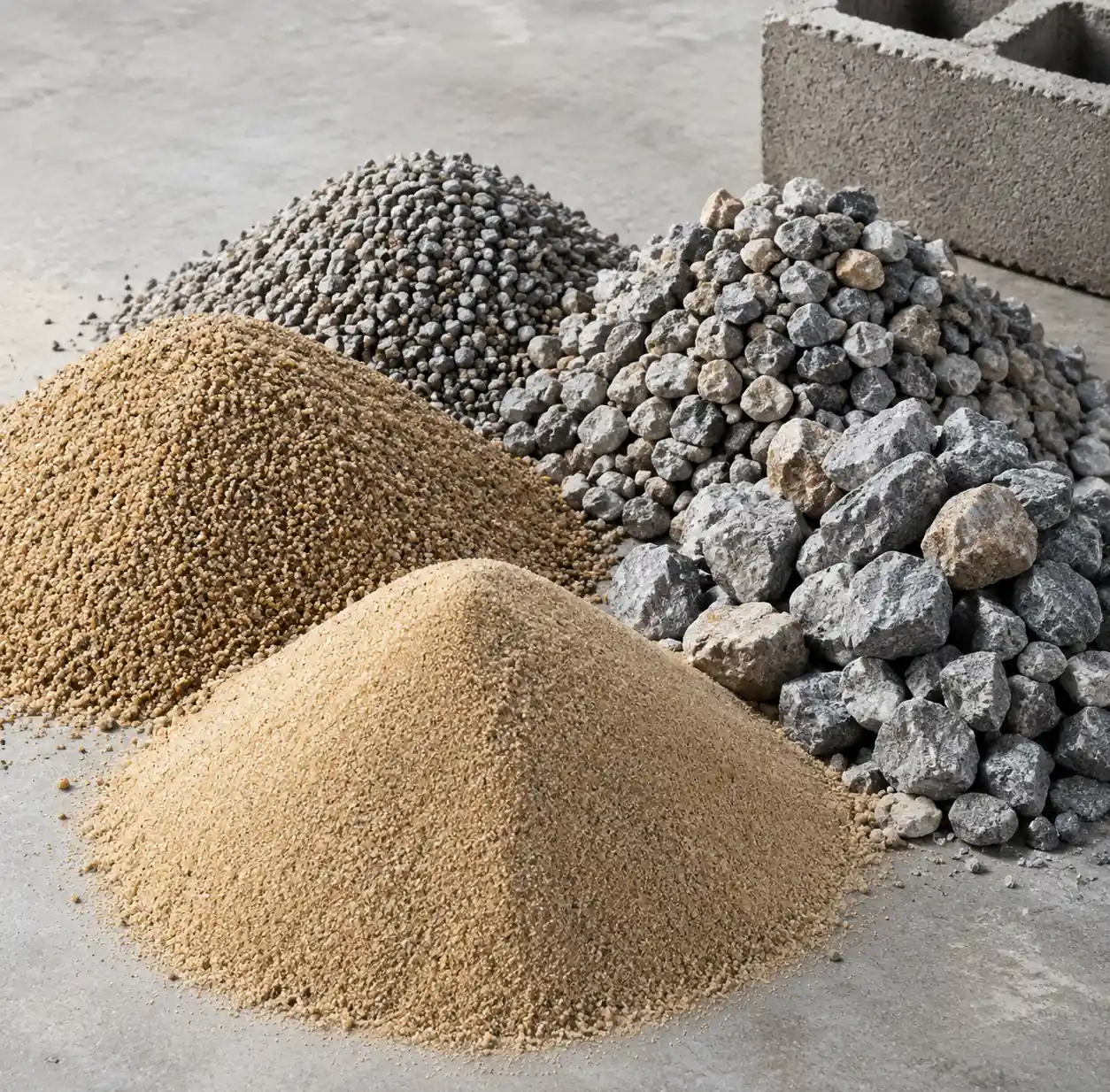
Raw materials represent 60-70% of production costs. Cement prices fluctuate seasonally by 15-25%. Global cement demand reached 4.7 billion tonnes in 2022, creating supply pressures for small manufacturers.
Supply Chain Vulnerabilities
Aggregate sourcing challenges show metropolitan areas running short on suitable sand, pushing transportation beyond 100 km. Each additional 50 km adds $8-12 per tonne.
| Material | Monthly Volume (10K blocks/day) | Cost Range | Price Volatility | Sourcing Strategy |
|---|---|---|---|---|
| Cement | 180-200 tonnes | $85-120/tonne | High | Bulk contracts, 30-day inventory |
| Fine aggregate | 300-350 m³ | $12-25/m³ | Medium | Local quarries, 20-day stock |
| Coarse aggregate | 400-450 m³ | $15-30/m³ | Medium | Direct contracts, quality specs |
Bulk purchasing during off-season (December-February) secures 12-18% discounts but requires storage and capital. Maintain dual suppliers—5% more expensive than single-source but far below $800-1,500 daily cost of production shutdowns.
Cash Flow Management: Navigating Payment Delays
Raw materials require payment in 15-30 days while customers pay 45-90 days after delivery. This forces producers to finance 60-120 days of working capital. A 10,000-block daily operation needs $180,000-240,000 working capital.
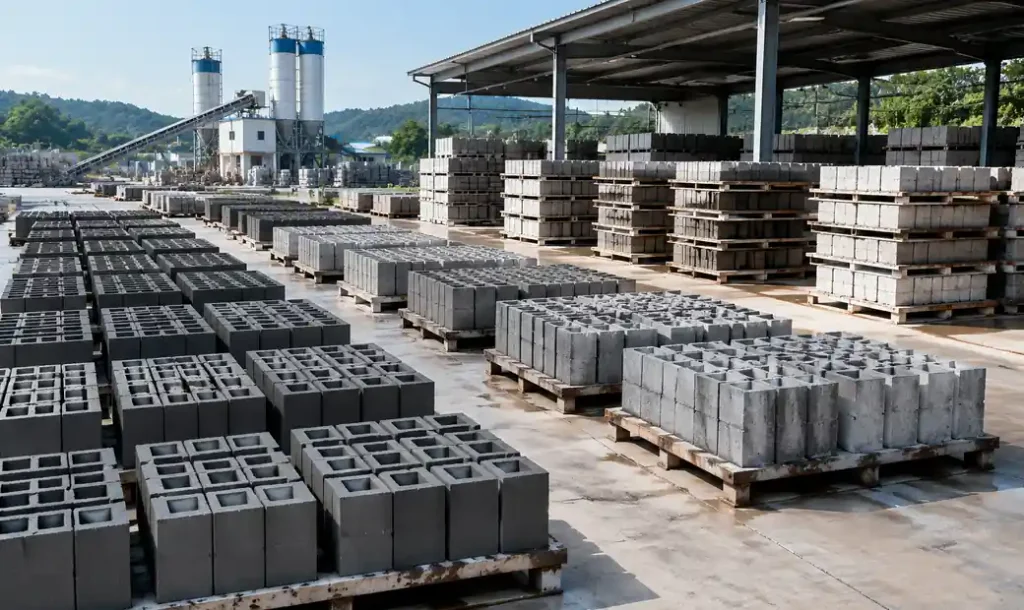
Cash flow pressure points:
- Material cost spikes (20% increases need $6,000-8,000 extra monthly)
- Large projects requiring capacity investment before payment
- Seasonal slowdowns with continuing fixed costs
- Equipment breakdowns ($5,000-15,000) during peak demand
Practical Cash Strategies
Negotiate payment terms at contract signing. Offer 2-3% discounts for 15-day payment—cheaper than bank financing. Structure large projects as 30% deposit, 40% at production, 30% at delivery.
Optimization tactics: Order materials 48-72 hours before production. Run full capacity during peaks, scale back in slow periods. Maintain credit line at 25-30% of monthly material costs. Require 20-30% deposits on orders over 20,000 blocks.

Competition Strategy: Differentiating Beyond Price
Production economics favor regional operations—every producer within 80-100 km is a direct competitor. Price wars eliminate margin for improvements.
Market Positioning
Quality consistency matters more than price for contractors. On-time delivery with zero defects justifies 5-8% premium and converts project managers into repeat customers.
| Strategy | Implementation | Market Impact | Investissement |
|---|---|---|---|
| Specialized blocks | Interlocking, decorative, lightweight | Premium 15-25% | Medium |
| Same-day delivery | Local inventory, logistics | Customer retention | Low |
| Technical support | On-site consultation | Relationship depth | Low |
| Custom specs | Project-specific dimensions | Large project capture | Medium |
Machines manuelles limit differentiation to service. Lignes automatiques enable specialized products through rapid mold changeover.
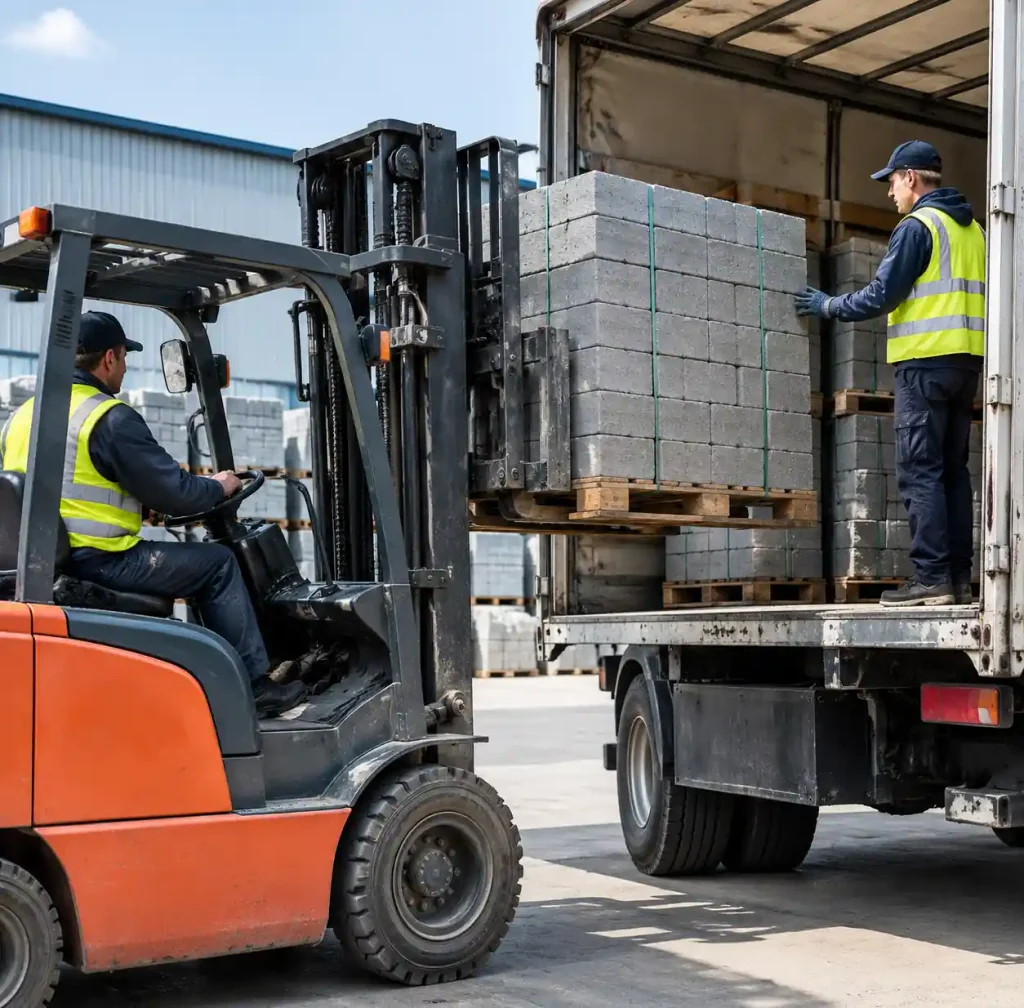
Missing delivery costs builders $1,200-2,500 daily in idle crews—far exceeding block cost differences. Transportation costs $0.08-0.15 per block per 50 km, making distant competitors uneconomical beyond 150-200 km.
Managing Seasonal Demand Fluctuations
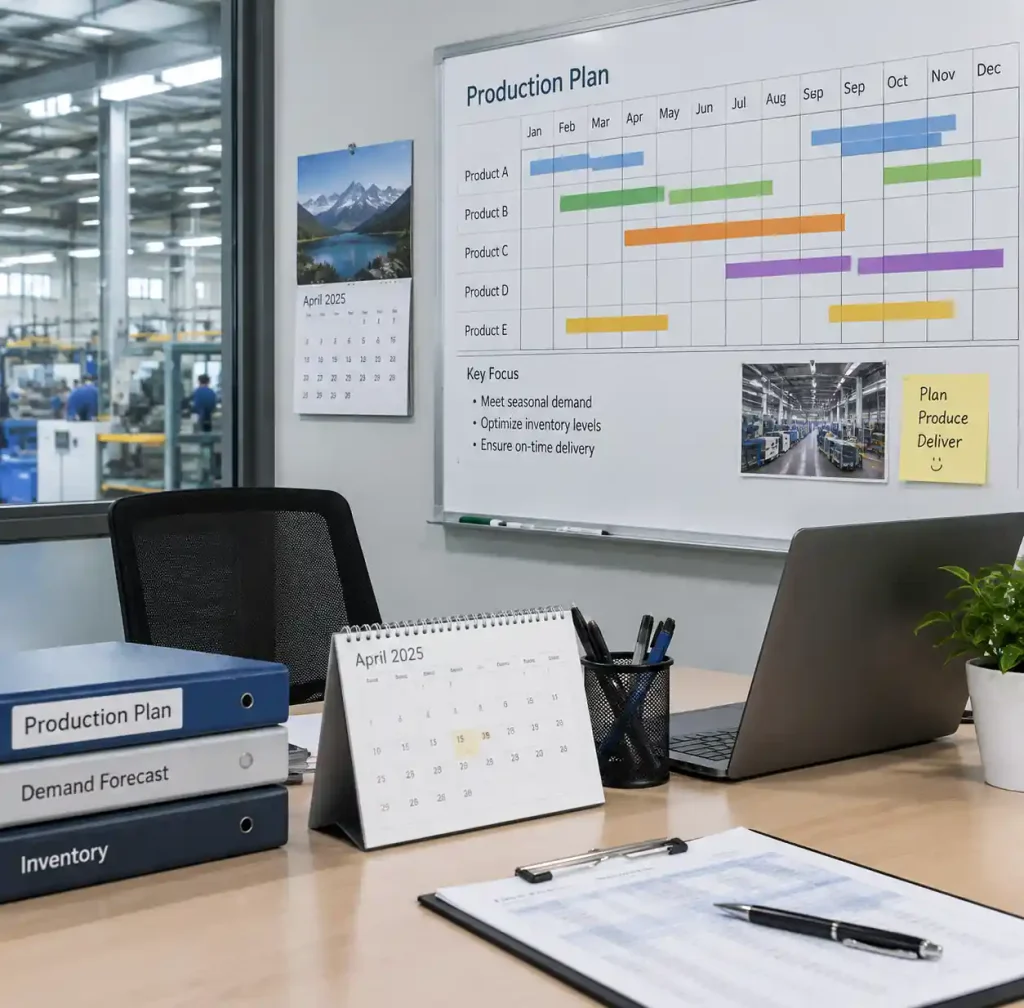
Construction varies 40-60% between peak and slow seasons. May through October generate 70% of annual revenue in temperate climates.
Financial Impact
A 10,000-block capacity faces 6-8 months at $280,000-320,000 monthly followed by 4-6 months at $120,000-180,000—while fixed costs continue.
| Approach | Peak Season | Slow Season | Annual Utilization | Capital Efficiency |
|---|---|---|---|---|
| Constant production | 100% demand, build inventory | Clear inventory | 85-95% | Poor |
| Demand-matching | 100% demand | 50-60% output | 75-85% | Good |
| Capacity buffer | 90% demand | 40-50% output | 65-75% | Fair |
Running full production during slow periods destroys profitability. Producing 8,000 blocks when demand is 4,000 creates $12-18 per block carrying costs.
Revenue smoothing: Diversify product mix (standard blocks peak June-September, decorative March-May). Serve multiple regions for extended season. Target commercial projects (year-round) and residential (seasonal). Pre-book spring projects in fall at 5-7% discount.
Growth and Scaling Challenges
Growing from 5,000 to 15,000 blocks daily requires solving bottlenecks in material handling, curing space, quality systems, and working capital.
Common Bottlenecks
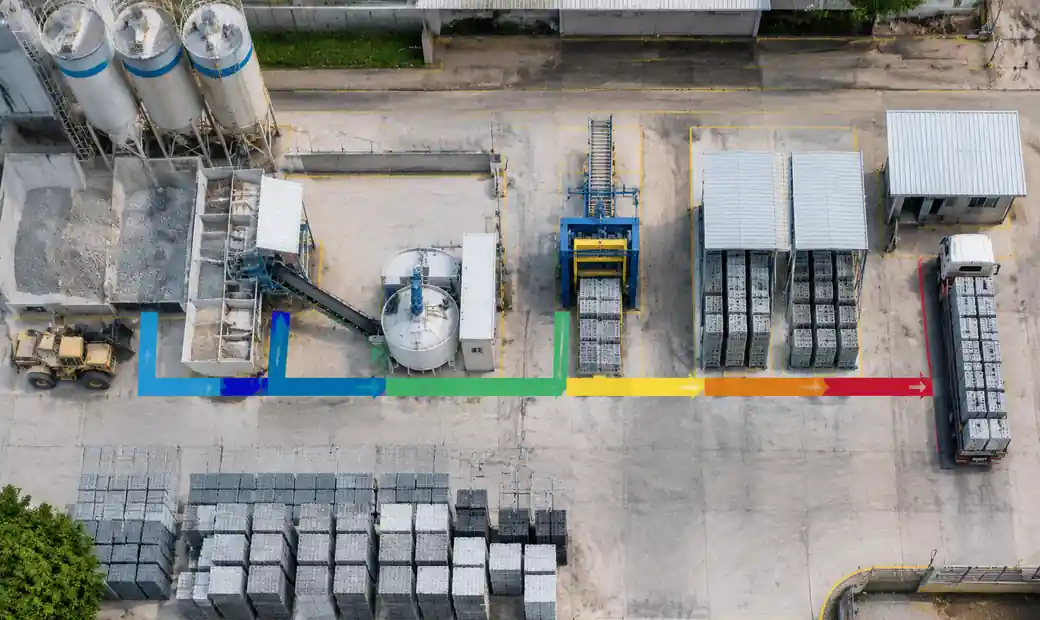
Tripling production means tripling curing space—from 2,000 m² to 6,000 m². Material handling transitions from manual to mechanical, needing forklifts and pathways ($45,000-65,000 plus 300-400 m²).
| Échelle de production | Équipement | Space | Working Capital | Workforce |
|---|---|---|---|---|
| 3,000-5,000 blocks | Manual/semi-auto | 1,200-1,800 m² | $50,000-80,000 | 4-6 |
| 8,000-12,000 blocks | Semi-automatic | 2,500-4,000 m² | $150,000-220,000 | 6-10 |
| 15,000-25,000 blocks | Automatic line | 5,000-8,000 m² | $300,000-450,000 | 8-15 |
Quality control must scale with production. Manual tracking works for 5,000 blocks; 15,000 needs documented batch tracking and statistical process control.
Strategic Scaling
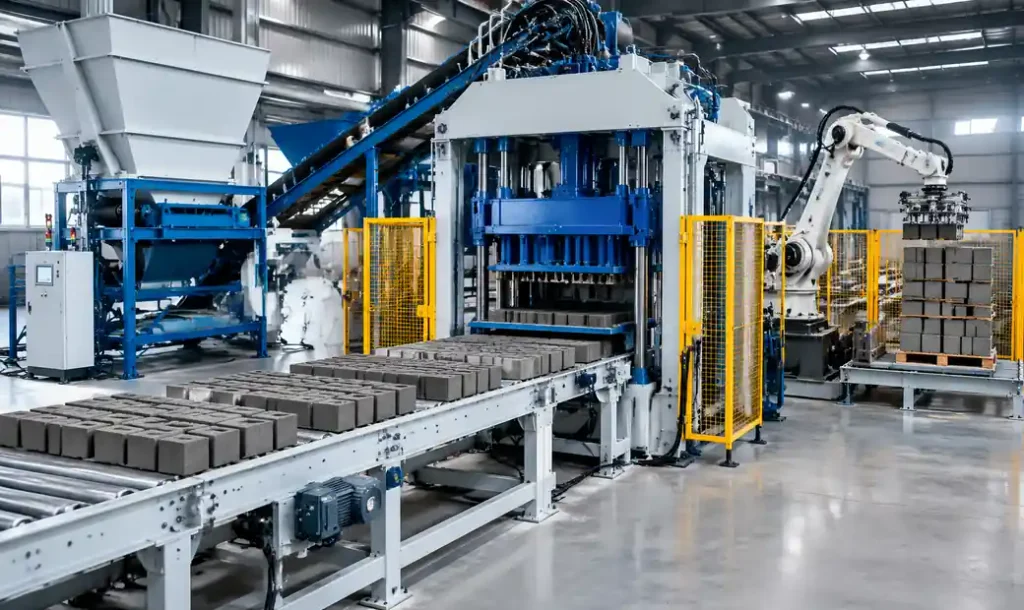
Scale after consistently selling 80-85% of capacity for 4-6 months. Semi-automatic produces 4,000-8,000 blocks with 4-6 workers. Automatic produces 10,000-15,000 with 6-8 workers—justifying investment above 8,000 daily.
Scaling framework: Validate demand (80%+ capacity for 6+ months). Finance equipment and working capital together. Add curing space before production equipment. Run parallel systems before decommissioning manual processes. Train operators 2-3 weeks before full loads.
At 15,000 blocks, you need dedicated roles: production manager, quality supervisor, sales coordinator, logistics planner—adding $80,000-120,000 annually.
Frequently Asked Questions
What’s the most common quality defect cause?
Incorrect water-cement ratios cause 60-70% of problems. The ideal ratio is 0.40-0.45. Automated batching eliminates variability; manual operations require constant monitoring.
How much working capital is needed?
A 10,000-block daily operation needs $180,000-240,000 for 60-90 days of materials, labor, and overhead while waiting for payments.
How do seasonal cycles affect profitability?
Demand varies 40-60% between seasons, concentrating 65-70% of revenue into 6-7 months while fixed costs continue. Scale production with demand rather than building inventory.
When should I upgrade to semi-automatic?
When daily production exceeds 3,500-4,000 blocks and labor represents over 25% of costs. Payback typically runs 18-28 months through labor savings and reduced defects.
How can I compete with larger producers?
Focus on service: same-day delivery, technical support, custom specifications, quality consistency. Transportation costs favor local producers within 150-200 km radius.
How can I reduce material costs?
Bulk cement purchases during off-season secure 12-18% discounts. Maintain multiple aggregate suppliers for competitive pricing. Test sources before committing—quality issues destroy more value than purchasing saves.
Conclusion
Block manufacturing profitability depends on managing interconnected challenges: quality systems that prevent defects, raw material sourcing balancing cost and reliability, cash flow management funding the 60-90 day cycle, competitive positioning beyond price, seasonal strategies, and staged scaling.
Raytone Block Machinery provides complete production solutions addressing these challenges through equipment design and system integration. Our automatic, semi-automatic, and machines manuelles include quality control features, material handling systems, and production management tools that reduce defects, optimize material usage, and improve efficiency.
Contact our team to discuss equipment solutions matched to your production scale and growth objectives.