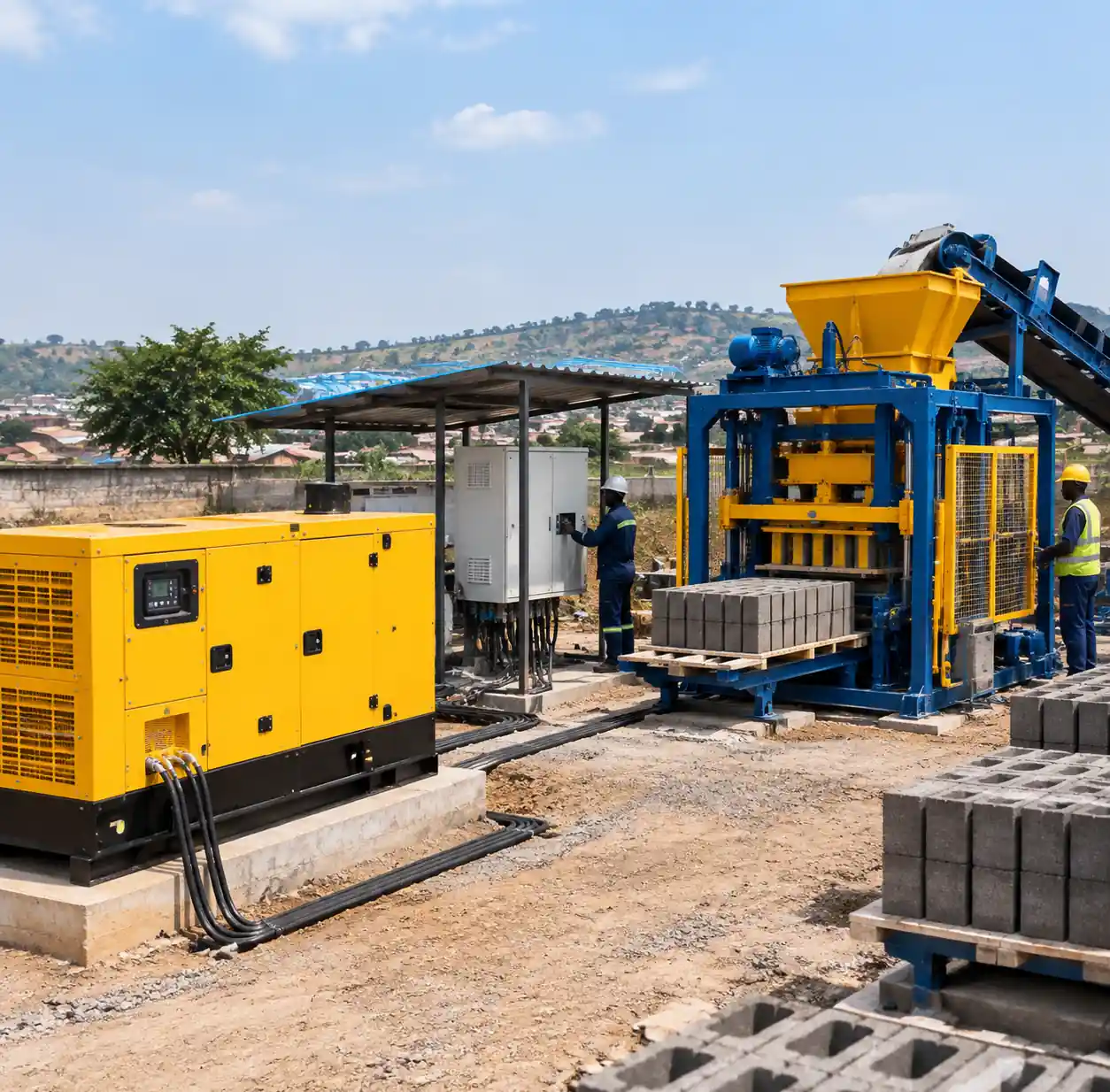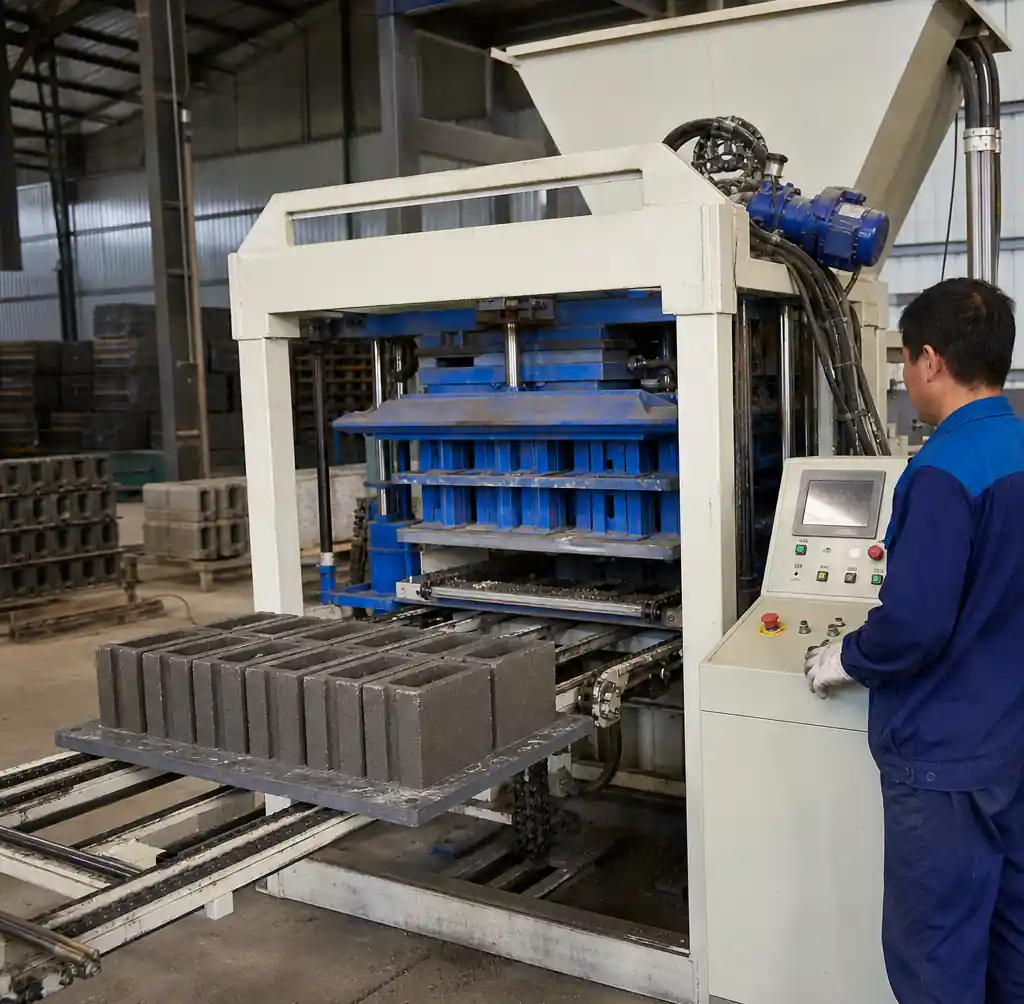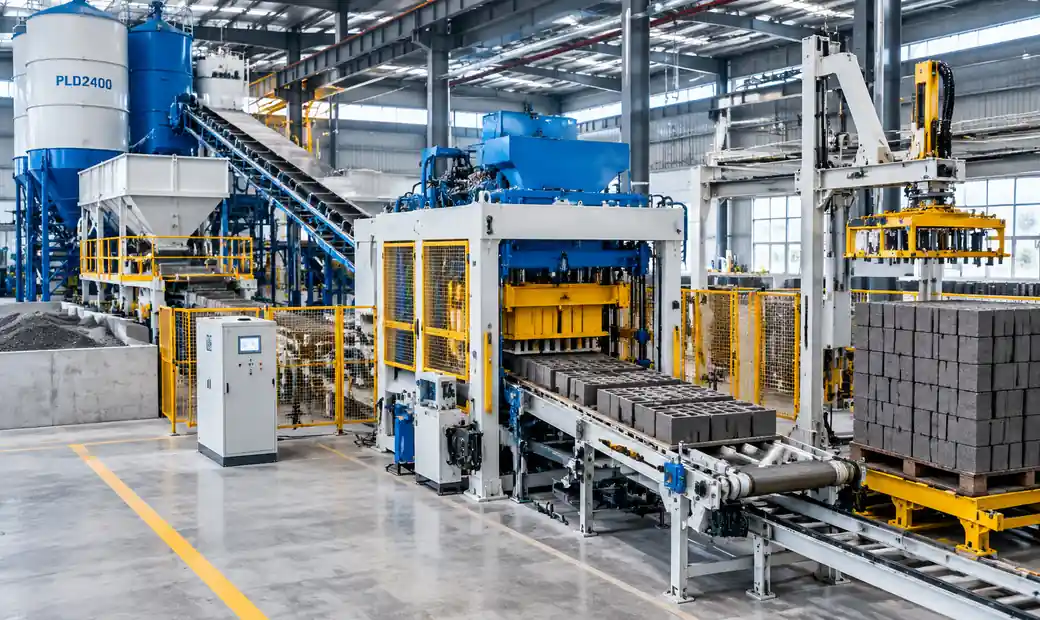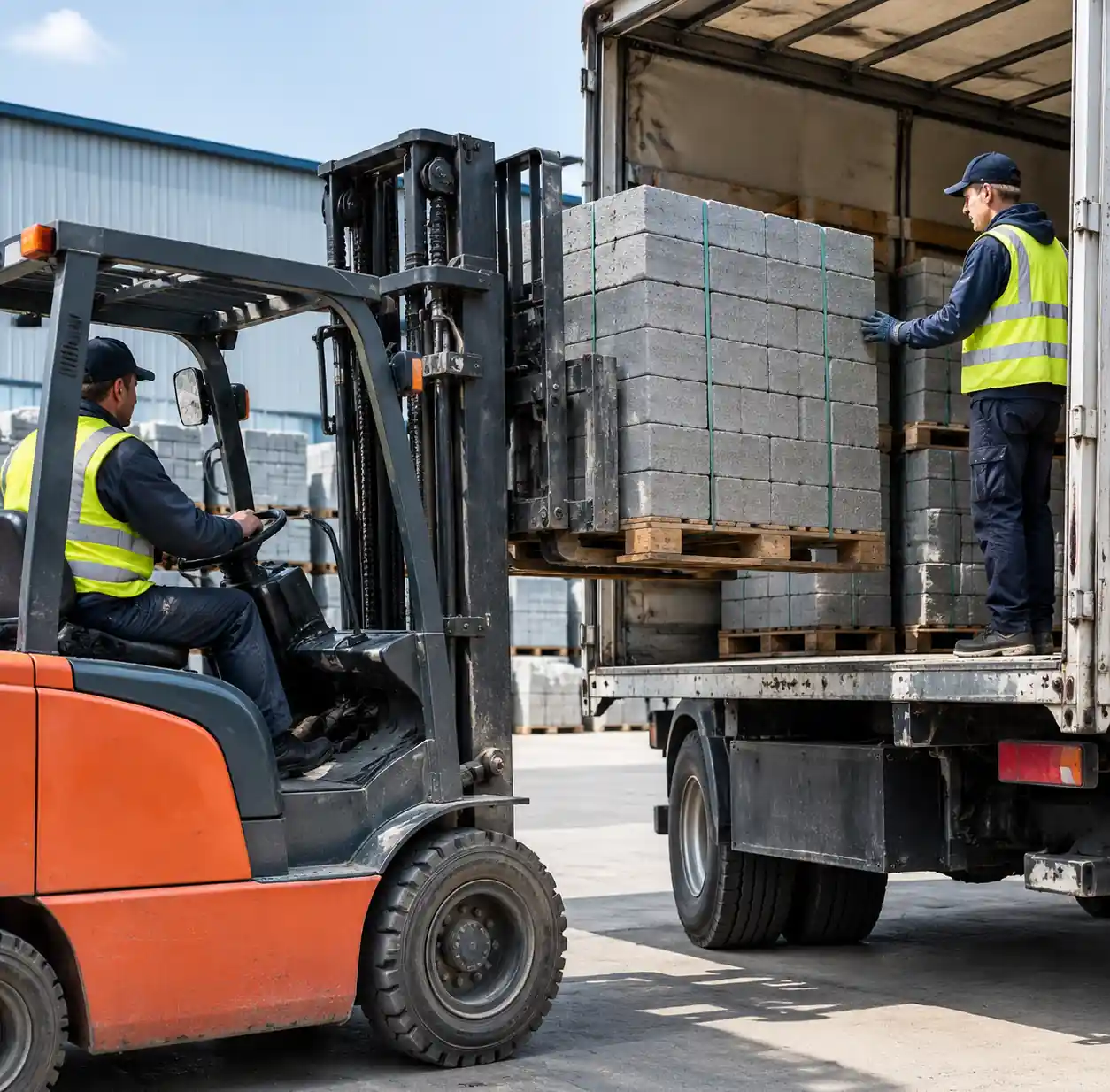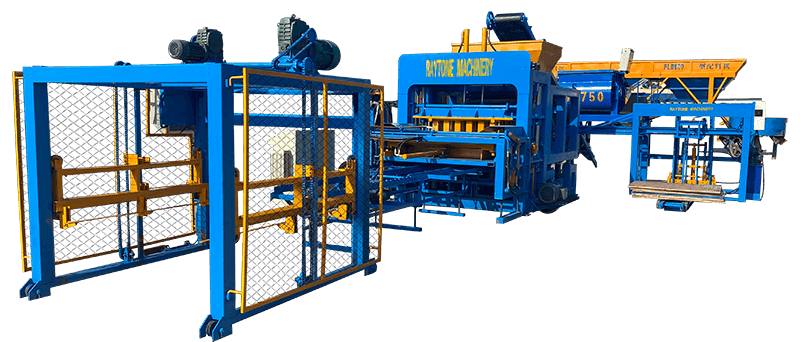






Operating a block making plant without a strategic spare parts inventory is like driving without insurance—you’ll only realize the problem when it’s too late. 23% of unplanned downtime happens because spare parts aren’t available when needed, and for block production facilities, every hour of downtime translates directly into lost revenue and delayed project deliveries.
This guide covers the critical spare parts you need, how to build a preventive inventory system, and how to select reliable suppliers who can minimize your lead times and keep your production line running.
What Are Block Machine Spare Parts?
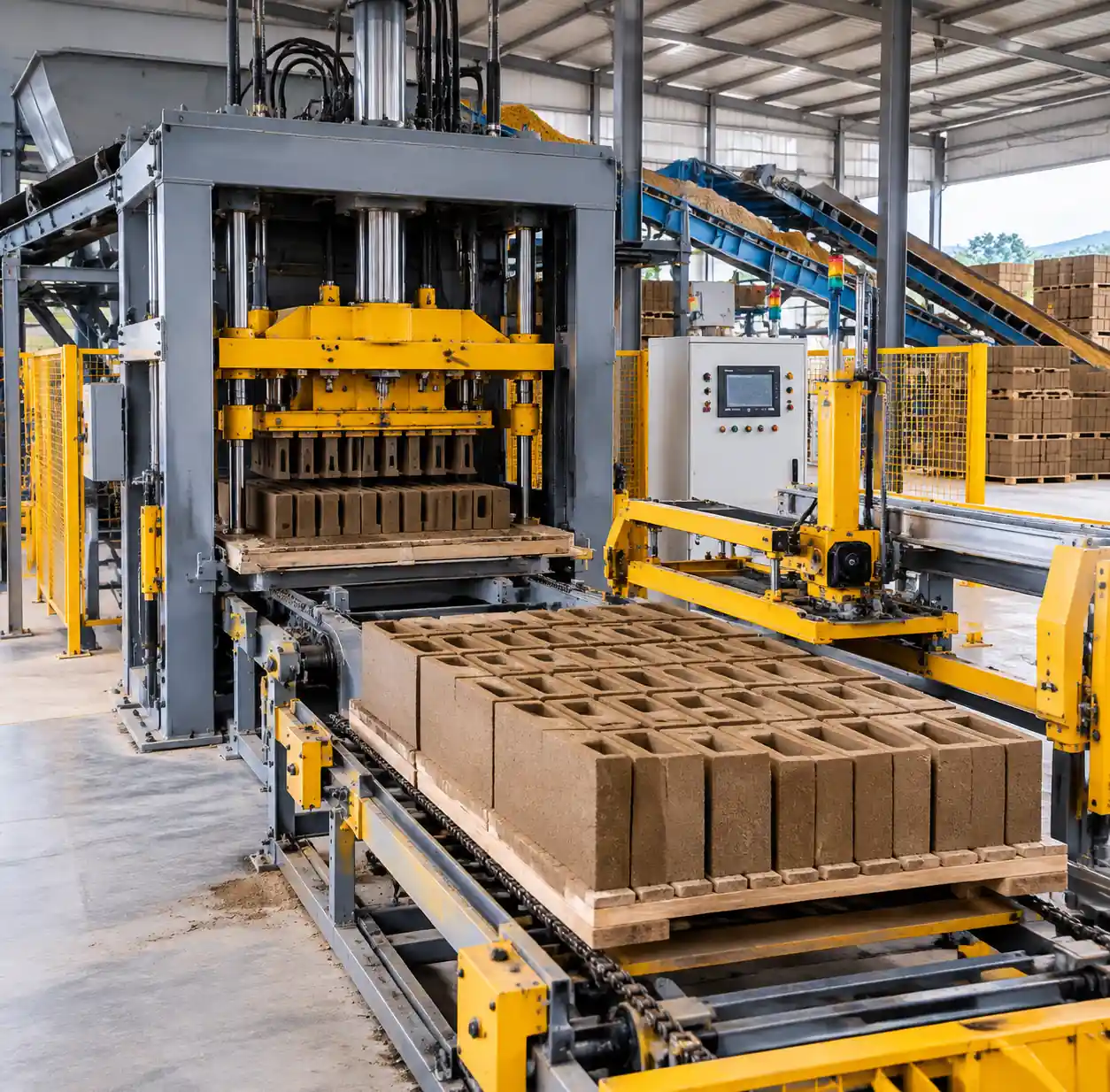
Block machine spare parts are replacement components required to maintain, repair, or restore concrete block making equipment to operational condition. These parts range from high-wear consumables like molds and hydraulic seals to critical mechanical components like vibration motors and bearings.
For facilities operating automatic, semi-automatic, or manual block machines, spare parts fall into three categories: consumables requiring frequent replacement (every 3-6 months), preventive maintenance parts replaced on schedule (every 6-12 months), and emergency breakdown components kept as insurance against catastrophic failures.
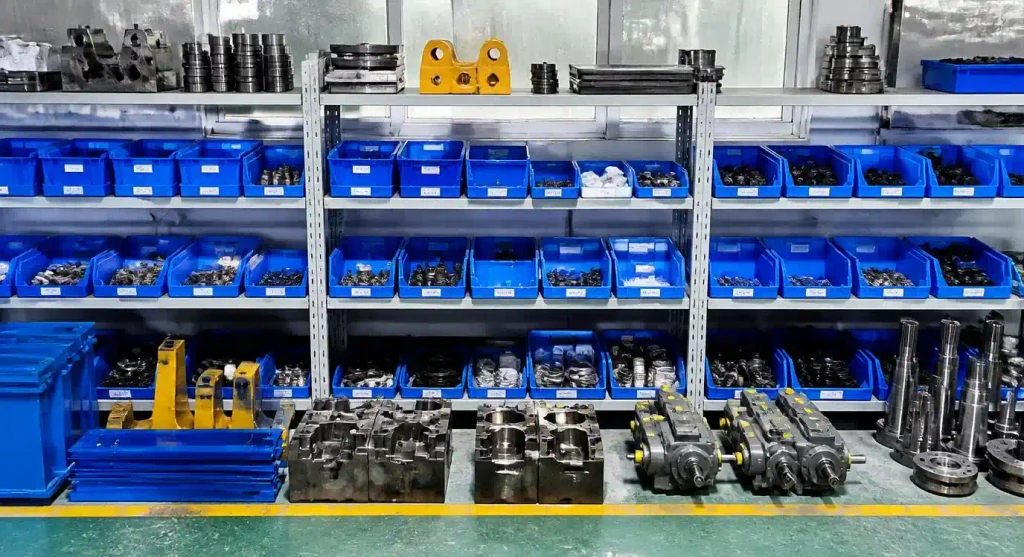
Critical Spare Parts Inventory for Block Machines
High-Wear Components (Replace Every 3-6 Months)
These parts experience constant friction, impact, or pressure during daily operations. Stock levels should support at least two replacement cycles before reordering.
Molds and Mold Liners
Block molds endure repeated concrete compaction and vibration, causing surface wear and dimensional drift. Most facilities replace mold liners every 50,000-100,000 blocks depending on concrete aggregate hardness and production intensity.
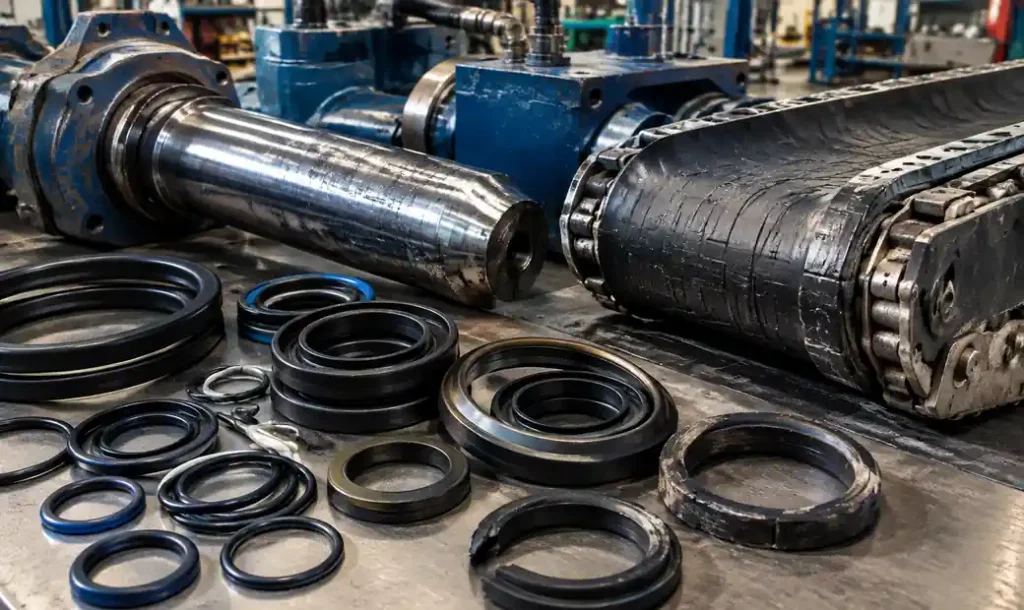
Hydraulic Seals and O-Rings
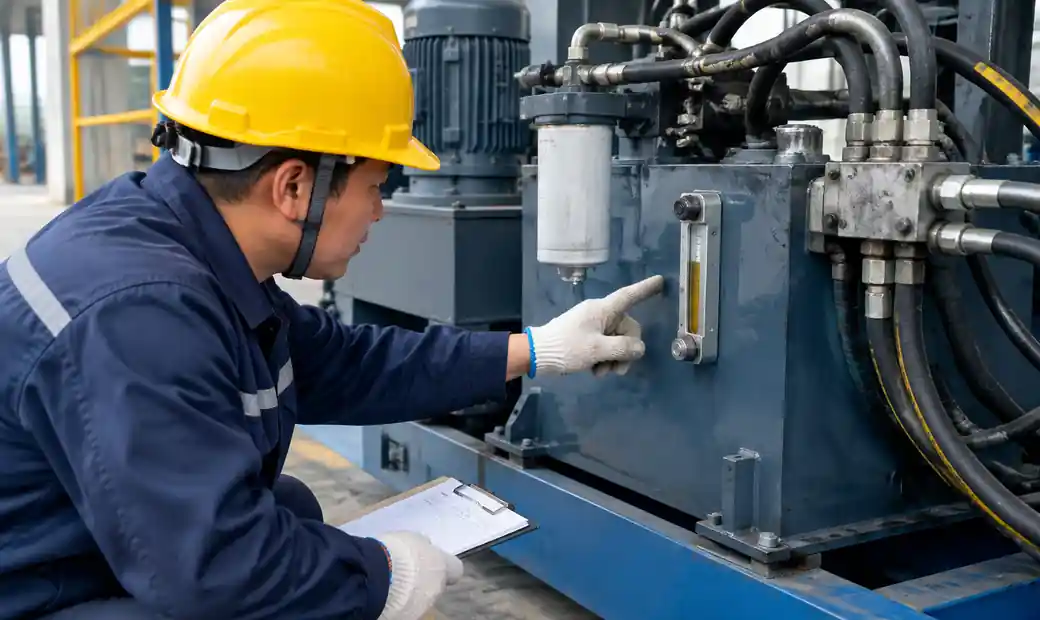
Hydraulic systems in automatic block machines operate under pressures of 160-210 bar. Seal degradation causes oil leaks, pressure loss, and contamination. Monthly visual inspections of valve blocks can catch early failures—any oil seeping from valve seats indicates immediate seal replacement is needed.
Conveyor Belts and Chains
Material handling systems move thousands of blocks daily. Belt wear, chain stretch, and roller damage accumulate gradually until sudden failure halts production. Keep one complete belt assembly and 10% extra chain length in stock.
Mechanical Components (Replace Every 6-12 Months)
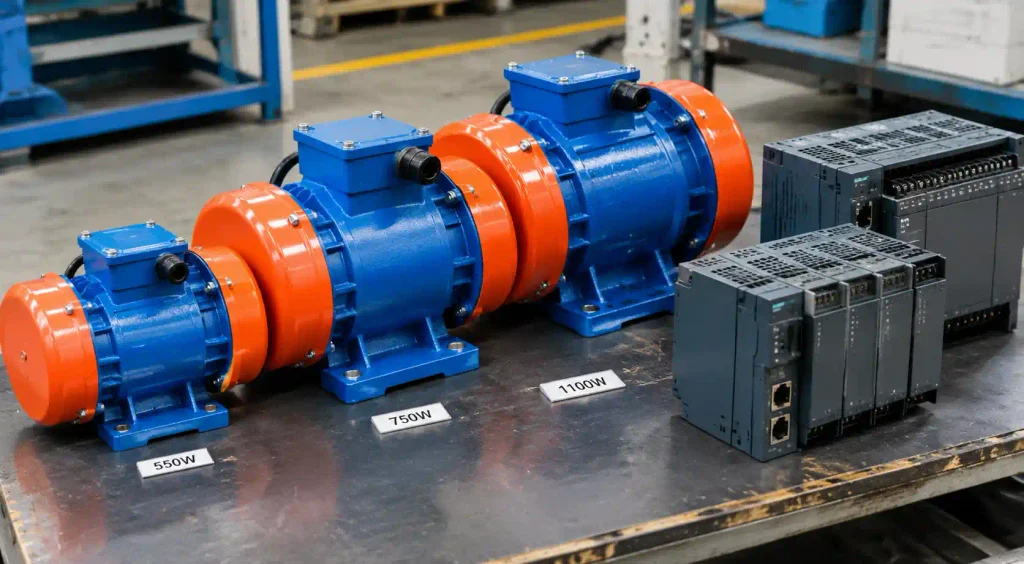
Vibration Motors (550W, 750W, 1100W)
Vibration motors compact concrete mix during molding. Bearing wear and winding failures typically occur after 6,000-8,000 operating hours. Facilities running two shifts should stock one motor per vibration station.
Bearings and Bushings
Guide shafts, rotating platforms, and lifting mechanisms rely on precision bearings. Contamination from concrete dust accelerates wear. Monthly maintenance inspections should include lubrication and play measurement.
Timing Belts and Pulleys
Synchronous drive systems control precise movements in máquinas semiautomáticas. Belt tooth wear causes timing errors and block defects before catastrophic failure.
Critical System Components (Emergency Stock)
PLC Controllers and Sensors
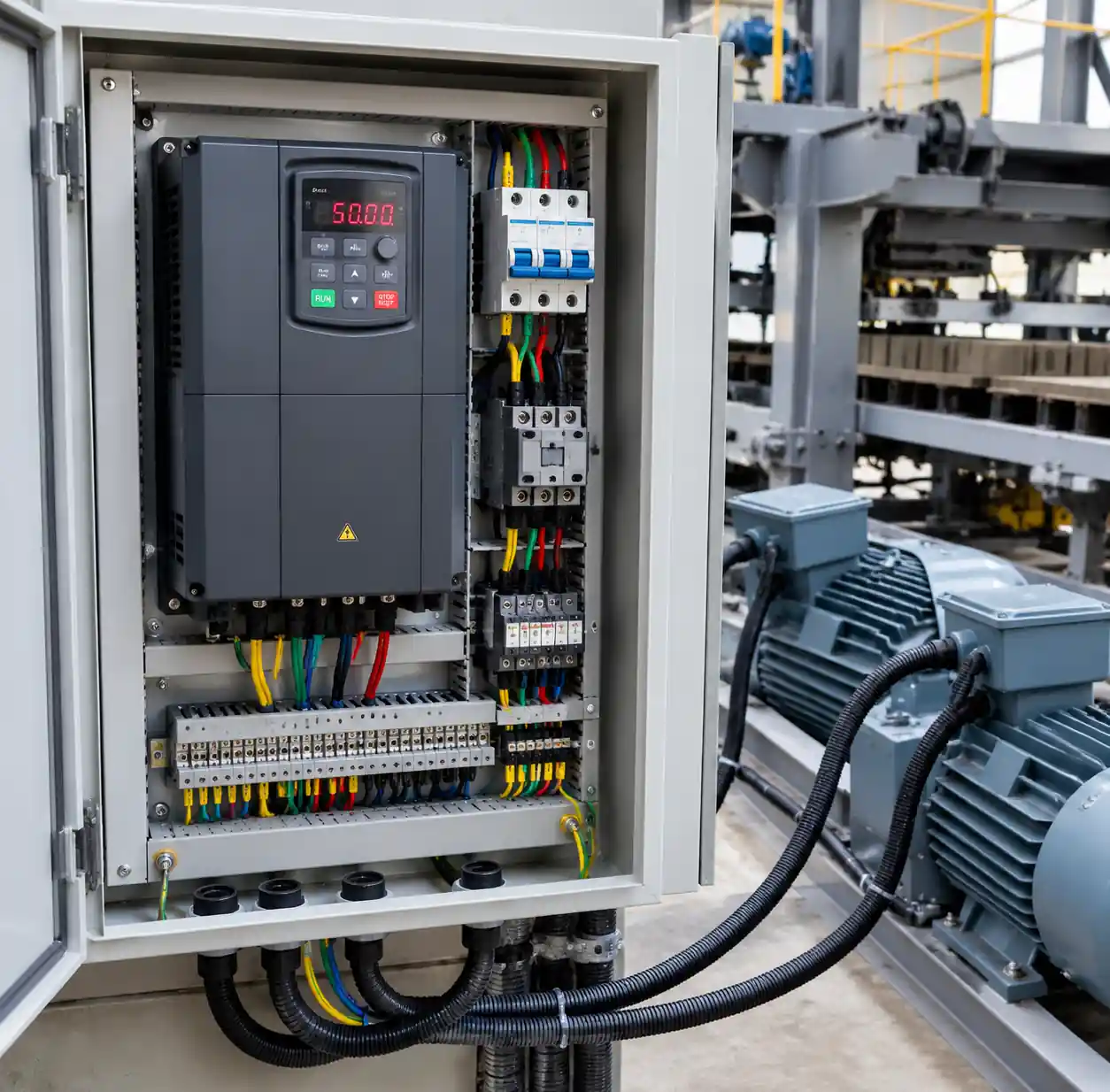
Modern block machines use programmable logic controllers (FX3G, FX3GA series) and limit sensors for automation. Electronic failures are rare but production-stopping. Stock one backup controller and five sensors per machine type.
Hydraulic Pumps and Valve Blocks
Complete hydraulic pump failure is uncommon but devastating. Most facilities stock rebuild kits (seals, pistons, springs) rather than complete assemblies to balance cost and readiness.
Motors and Circuit Breakers
Main drive motors (7.5-22 kW) and mixer motors rarely fail but require immediate replacement. Motor protectors and circuit breakers should be stocked at 2x the number of machines.
Genuine vs Aftermarket Parts: What You Need to Know
| Criteria | Genuine OEM Parts | Aftermarket Parts | When to Use |
|---|---|---|---|
| Quality Consistency | Guaranteed to OEM specs | Variable, depends on supplier | Genuine: critical hydraulic, electrical systems |
| Warranty Coverage | Maintains machine warranty | May void warranty | Genuine: machines under warranty |
| Lead Time | 3-8 weeks (international) | 1-3 weeks (regional) | Aftermarket: high-wear consumables |
| Cost | 100% (baseline) | 40-70% of OEM price | Aftermarket: molds, belts, seals |
| Availability | Limited stock, order-based | Better regional availability | Depends on supplier network |
Strategic Approach: Use genuine parts for hydraulic pumps, PLC controllers, and structural components where failure causes cascading damage. Aftermarket options work well for molds, belts, bearings, and seals where dimensional specs are standardized and quality can be verified.
Reputable aftermarket suppliers like RPM Block Machines y Bergen Industries provide quality components with certifications, while IWI Group offers Besser-compatible parts for common machine models.
Supplier Selection Criteria
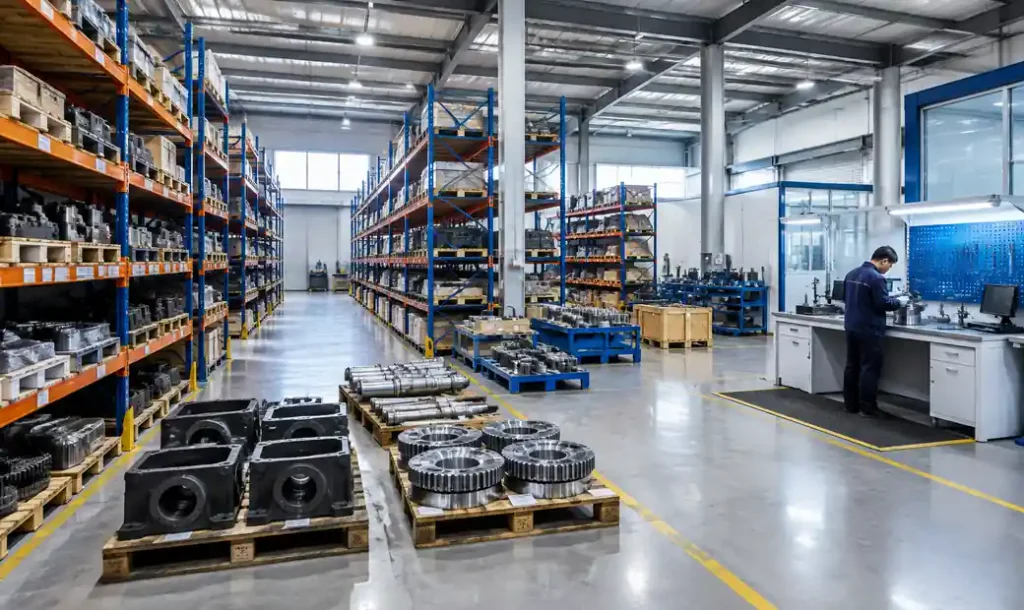
Production Capacity and Stock Availability
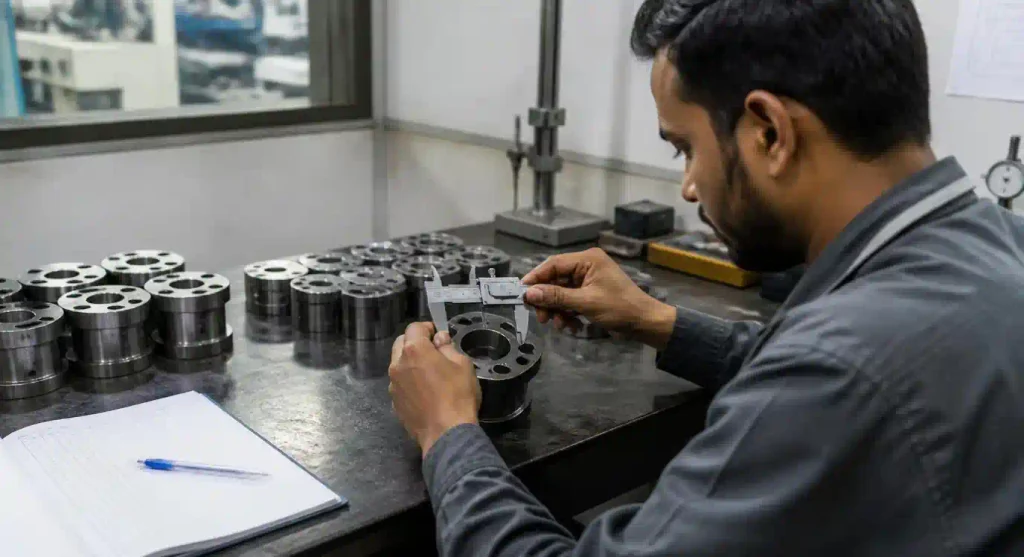
Evaluate whether suppliers maintain ready stock or manufacture on order. Standard lead times for custom machined parts range from 1-3 working days for simple components to 25-40 days for complex production runs.
Suppliers with 24/7 continuous operation and diverse machining capabilities can handle variable volumes and reduce bottlenecks during peak demand periods.
Quality Assurance and Documentation
Reputable suppliers provide comprehensive inspection reports and first-article inspection (FAI) samples before full-scale production. This upfront validation prevents downstream delays and costly rework.
Request material certifications, dimensional inspection reports, and quality management system certifications (ISO 9001) during supplier qualification.
Lead Time Predictability
Lead times remain unpredictable in 2026 due to volatile upstream components and shifting global demand. Build 15-30% time buffers into your reorder schedules, especially for international suppliers.
For China-based manufacturers, standard lead times are 4-8 weeks including production and shipping. European and regional suppliers offer 2-4 week delivery but at 40-60% higher costs.
Technical Support and Communication
Choose suppliers who understand block machine applications and can recommend compatible alternatives when exact parts are unavailable. Responsive technical support reduces troubleshooting time during urgent breakdowns.
Quote turnaround should take 24-48 hours for standard parts. Delays beyond this indicate capacity constraints or organizational inefficiency.
Inventory Planning: How Many Parts to Stock
| Part Category | Recommended Stock Level | Reorder Trigger | Annual Turnover |
|---|---|---|---|
| Mold Sets | 2 sets per machine type | 1 set remaining | 4-6x per year |
| Hydraulic Seals | 20-pack assortment | 5 remaining | 2-3x per year |
| Vibration Motors | 1 per machine | Failure | 0.5-1x per year |
| Bearings & Bushings | 10-piece standard sizes | 3 remaining | 2-4x per year |
| Conveyor Belts | 1 complete assembly | Failure | 1-2x per year |
| PLC & Sensors | 1 controller, 5 sensors | Failure | 0.2-0.5x per year |
Calculation Method: For consumables, stock = (monthly consumption × lead time in months) + safety buffer. For a facility consuming 2 mold sets monthly with a 6-week lead time, stock 2 × 1.5 + 1 safety = 4 sets.
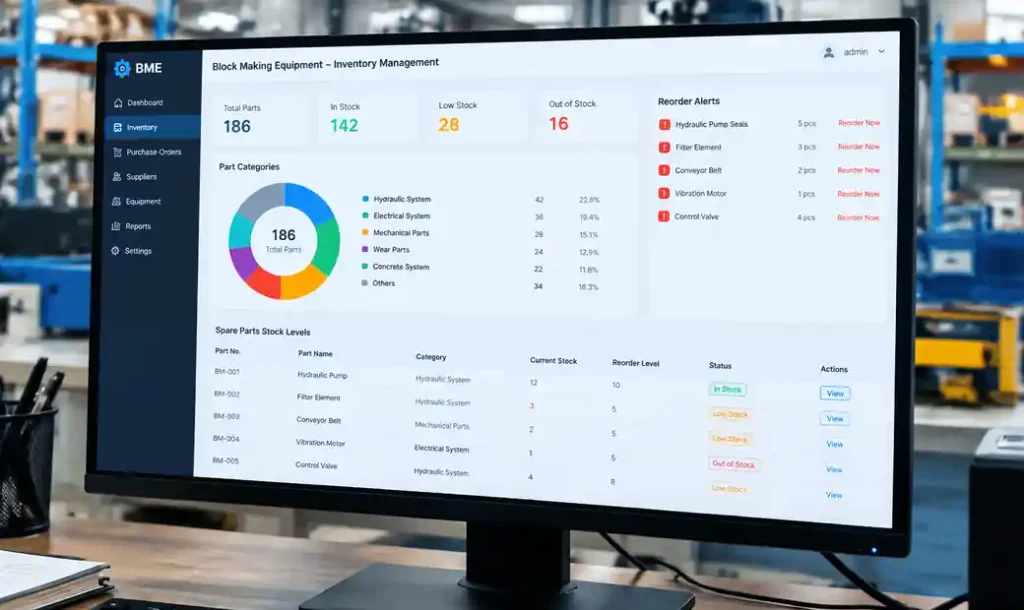
Automated low stock alerts give your team time to reorder before a machine fails. Plants implementing criticality-based classification reduce carrying costs 15-30% while cutting stockout-driven downtime 20-40%.
Preventive Replacement Schedules
Daily Maintenance (15-20 Minutes)
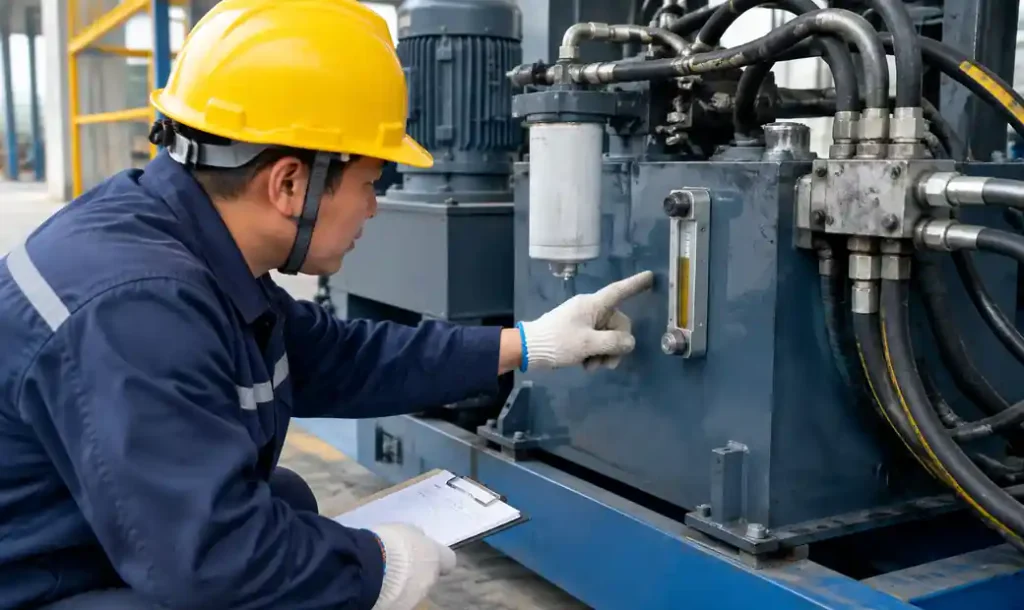
Check hydraulic oil levels before every shift. Oil should be translucent amber, not cloudy or darkened. Milky appearance indicates water contamination requiring immediate oil change and seal inspection.
Conduct visual and auditory inspections before starting and after stopping production to catch early signs of wear or damage.
Weekly Maintenance
Valve Block Inspection: Clean all oil and grime off hydraulic valve blocks. After two hours of normal operation, inspect all valve seats for oil seeping. Any leaking valves should be removed, inspected, and reinstalled with new O-rings.
Lubrication: Apply WD-40 or appropriate lubricants on all joints, hinges, bearings, pulleys, and moving components to reduce friction and prevent premature wear.
Monthly Maintenance
Clean the concrete block machine thoroughly at least once monthly, or more frequently if operating more than 8 hours daily. Concrete dust contamination accelerates wear on bearings, chains, and electrical components.
Conduct comprehensive safety inspections covering 30+ points across hydraulic systems, electrical controls, and mechanical assemblies to identify abnormalities needing maintenance.
Quarterly and Annual Maintenance
Structured maintenance covering critical subsystems: hydraulics, clamping units, cooling circuits, electrical controls, and safety interlocks. Timely inspections reduce machine downtime by 30%.
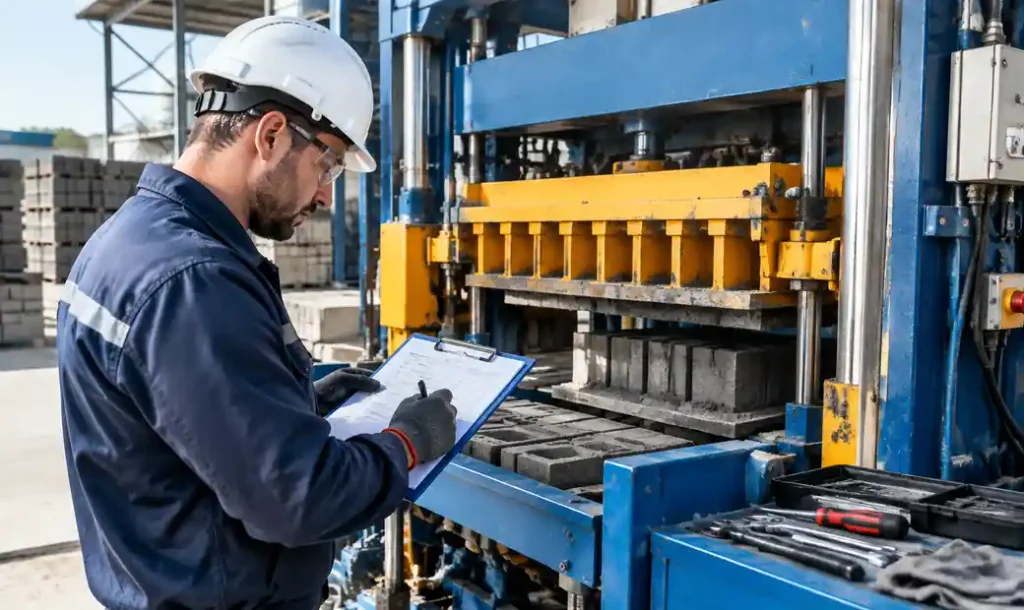
For hydraulic machines costing $15,000-$150,000, proper preventive maintenance significantly improves ROI by extending operational lifespan and shifting operations from breakdown response to anticipation and prevention.
| Maintenance Interval | Key Activities | Parts Typically Replaced |
|---|---|---|
| Daily | Oil level checks, visual inspection | None (preventive observation) |
| Weekly | Valve inspection, lubrication | O-rings, grease |
| Monthly | Full machine cleaning, safety audit | Worn seals, damaged sensors |
| Quarterly | Hydraulic system service | Filters, contaminated oil |
| Annual | Complete overhaul inspection | Bearings, belts, structural wear items |
Cost Optimization Strategies
The optimal approach balances finance teams seeing inventory as “cash gathering dust” with maintenance seeing it as “insurance against extended downtime.” Stock parts that prevent costly downtime while avoiding overstocking low-priority items.
Economic Order Quantity (EOQ): For high-volume consumables, calculate optimal order size: EOQ = √(2 × annual demand × order cost / holding cost per unit). This minimizes combined ordering and storage expenses.
Supplier Relationship Management: Establish preferred supplier agreements for 10-20% discounts on volume commitments. Negotiate consignment inventory programs where suppliers stock critical parts at your facility but retain ownership until use.
Real Consumption Tracking: Use inventory software that reorders based on actual consumption patterns rather than guesswork, preventing both stockouts and excessive carrying costs. Modern spare parts management systems integrate with CMMS platforms to automate reordering when parts reach minimum thresholds.
Common Sourcing Mistakes to Avoid
Emergency orders cost 2-3x standard pricing and force acceptance of longer lead times or inferior quality due to urgency. Waiting until failure to order is the most expensive approach to spare parts management.
Single supplier dependency creates vulnerability to capacity constraints, quality issues, or business disruptions. Qualify 2-3 suppliers per critical part category to balance availability, lead times, and pricing leverage.
Choosing the cheapest parts often leads to higher costs through premature failure, increased downtime, and cascading damage to related systems. Evaluate lifespan, reliability, and warranty terms alongside purchase price.
Incomplete part specifications, missing dimensional drawings, and vague material requirements cause delays, mismatched deliveries, and costly returns. Maintain detailed records of part numbers, specifications, and OEM cross-references for every component in your inventory.
2026 supply planning rewards paranoia over optimism. BOMs should function as risk management tools with lead time buffers built into 12-18 month production timelines.
Frequently Asked Questions
How often should hydraulic oil be changed in block machines?
Change hydraulic oil every 2,000-3,000 operating hours or every 6 months, whichever comes first. If oil appears milky or contaminated, change immediately regardless of interval. Monthly valve block inspections help catch contamination early.
What’s the typical lifespan of a block machine mold?
Standard steel molds last 50,000-100,000 blocks depending on aggregate hardness and concrete mix design. Hardened steel molds with wear-resistant coatings can reach 150,000-200,000 blocks. Track production counts and measure dimensional drift quarterly.
Should I stock complete assemblies or individual components?
Stock individual components for high-wear items (seals, bearings, belts) where replacement is straightforward. Keep complete assemblies for complex systems (hydraulic pumps, PLC controllers) where field repair expertise is limited. This balances cost efficiency with repair capability.
How do I verify aftermarket part quality before purchasing?
Request material certifications, dimensional inspection reports, and sample parts for testing. Check supplier certifications (ISO 9001) and customer references. For critical components, conduct accelerated wear testing before committing to volume orders.
What’s the best way to organize spare parts storage?
Use a bin location system with clear labeling tied to your inventory software. Store parts in climate-controlled areas away from concrete dust and moisture. Organize by machine model and replacement frequency—high-turnover items near maintenance areas, emergency stock in secure central storage.
How can I reduce spare parts lead times from international suppliers?
Place consolidated orders quarterly rather than individual rush orders. Establish stocking agreements where suppliers pre-manufacture common items. Consider regional distribution partners who hold local inventory. For ultra-critical parts, maintain higher safety stock despite carrying cost.
Conclusión
Strategic spare parts management transforms your block making operation from reactive firefighting to predictable, profitable production. By stocking the right combination of consumables, preventive maintenance components, and emergency backup parts, you minimize the 23% of downtime caused by parts unavailability while avoiding the cash flow burden of excessive inventory.
Focus your investment on genuine OEM parts for critical hydraulic and control systems where failure causes cascading damage, and use certified aftermarket suppliers for high-wear consumables where quality can be verified and cost savings are substantial. Establish relationships with 2-3 qualified suppliers per component category to balance availability, lead times, and pricing leverage.
Raytone Block Machinery offers comprehensive spare parts support for all automatic, semi-automatic, y manual block machines, with regional distribution centers reducing lead times and technical expertise to guide your inventory planning. Our team helps facilities implement preventive maintenance schedules that extend equipment lifespan and maximize production uptime.
Contact us for a customized spare parts inventory assessment, supplier qualification support, and preventive maintenance program development tailored to your production capacity and operational requirements.