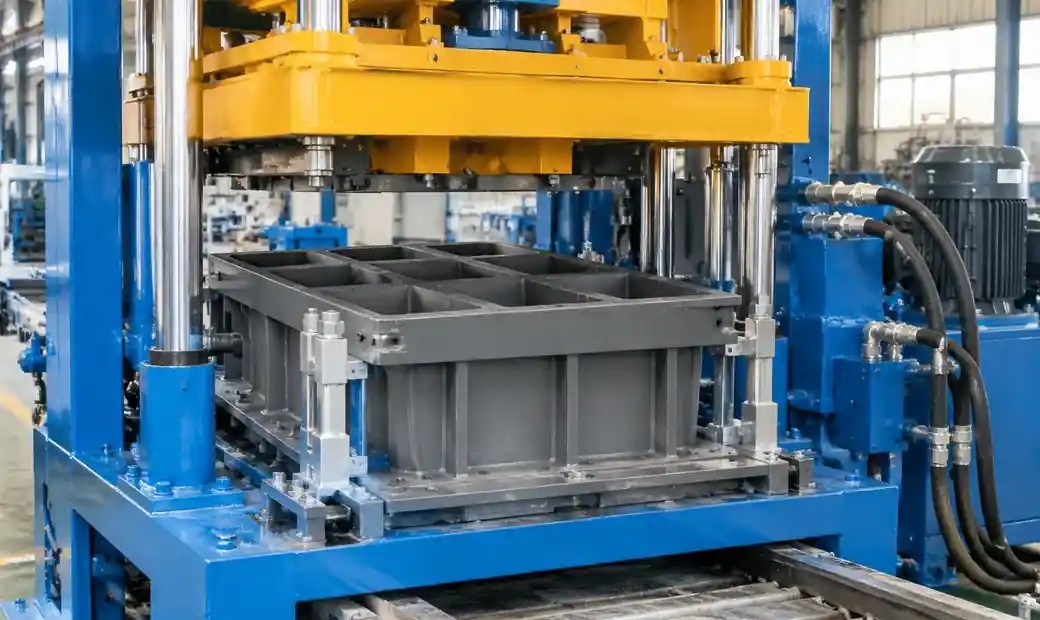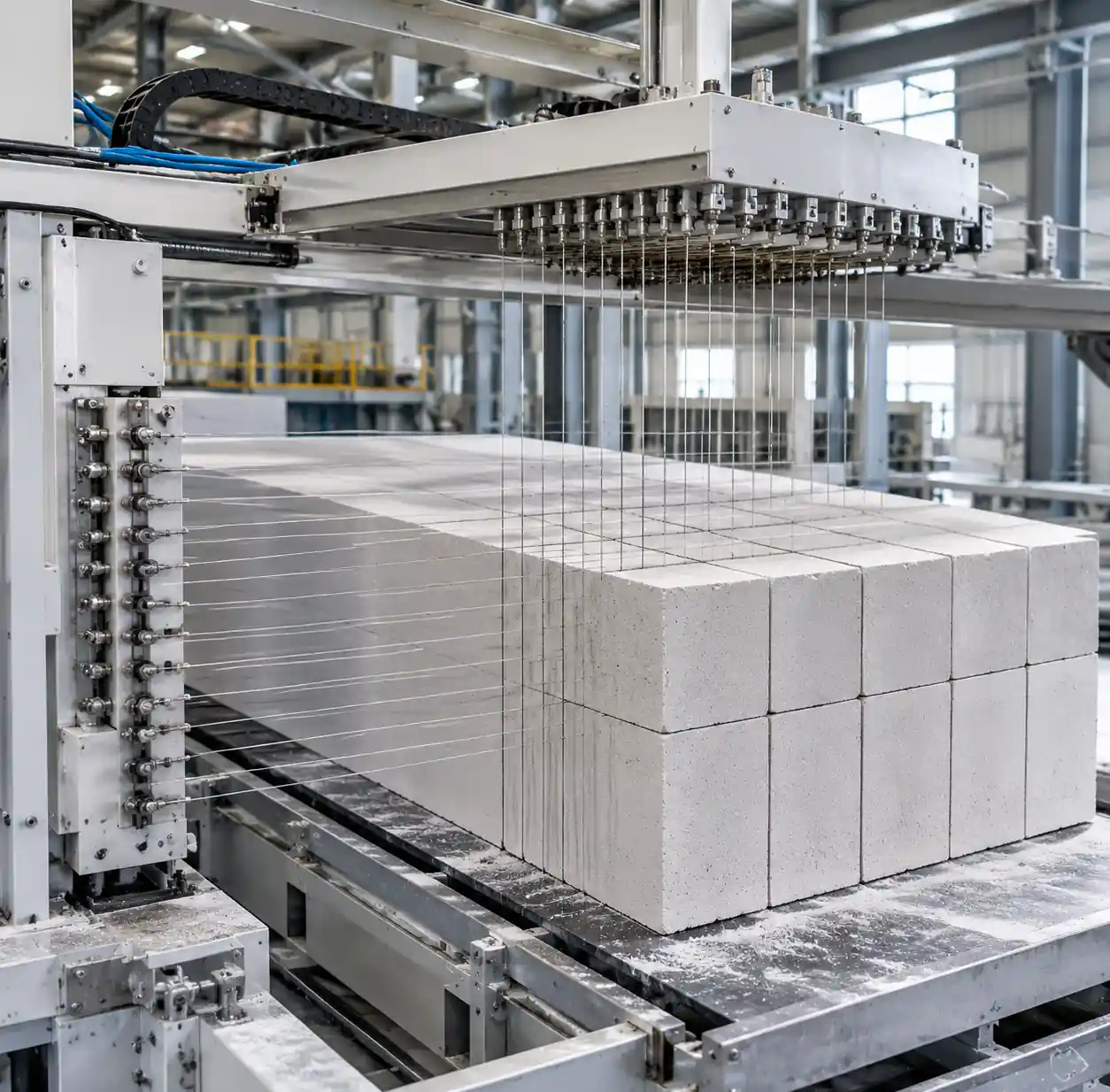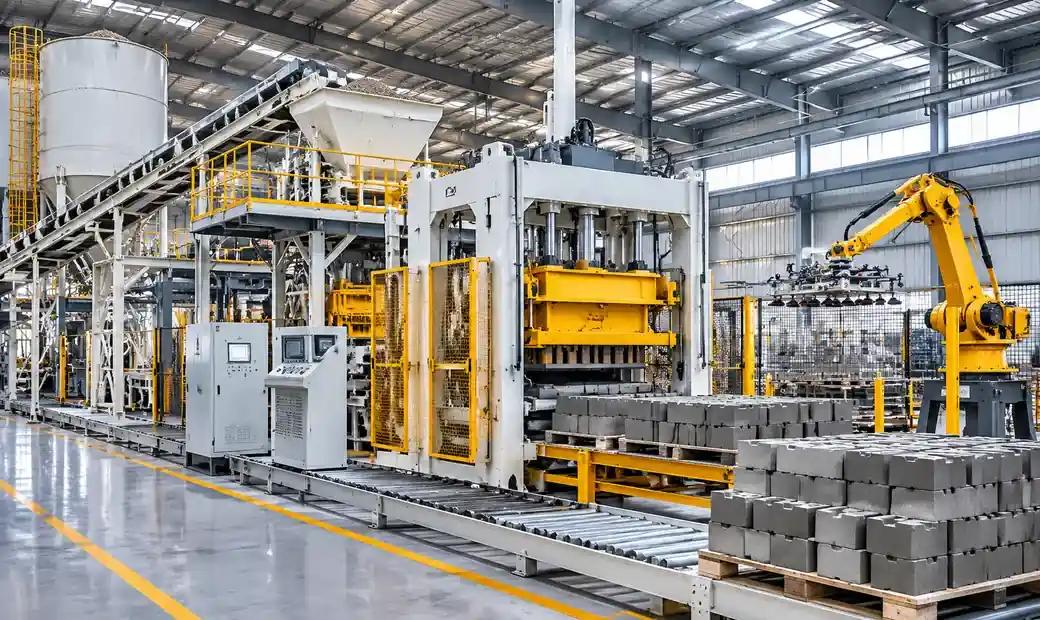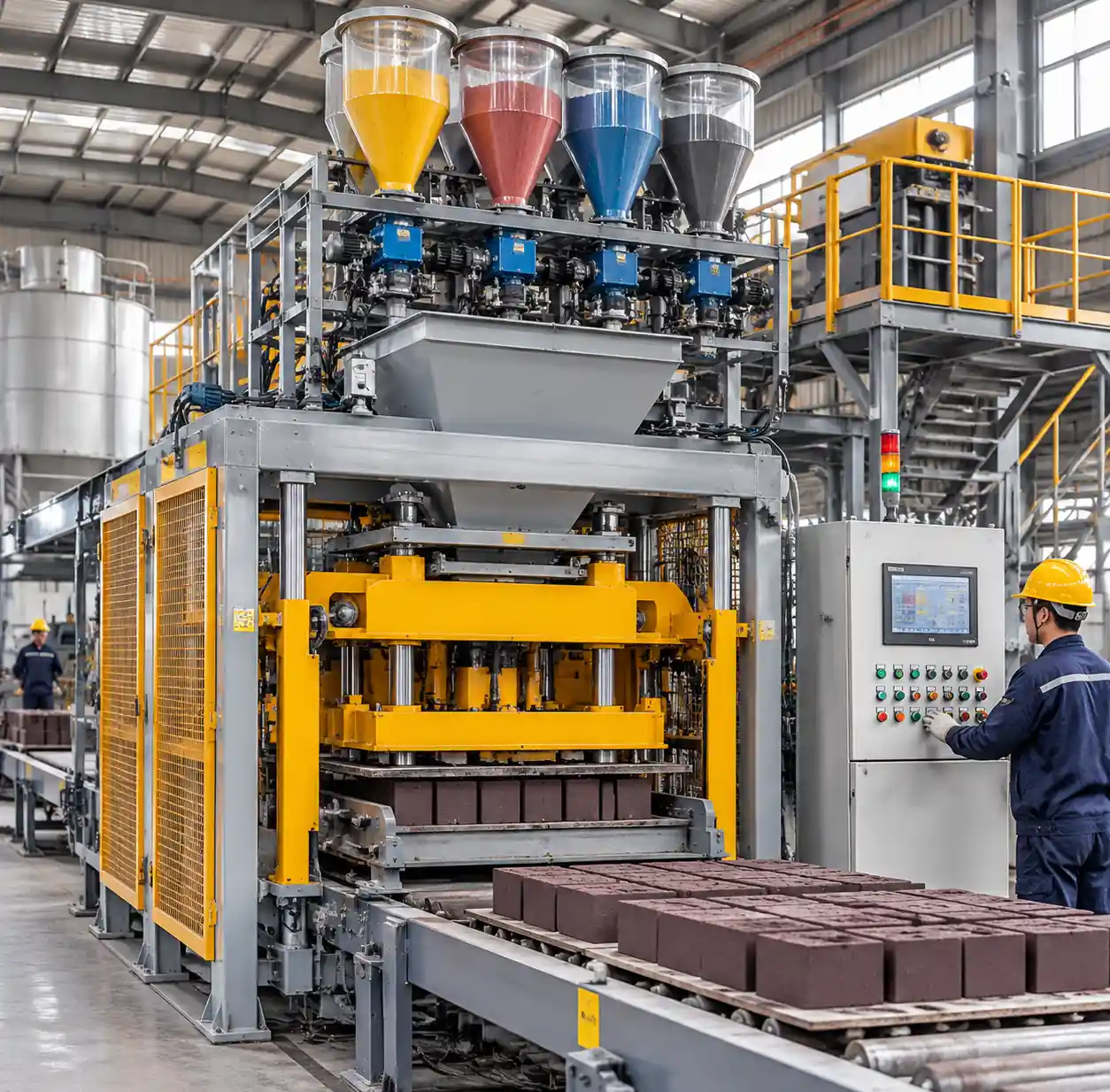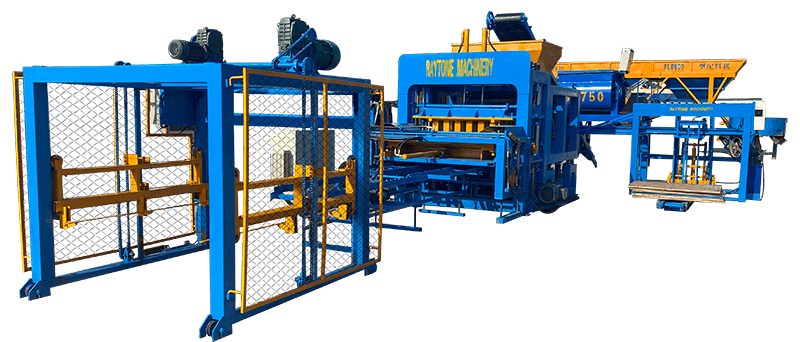
Buying a block making machine represents your second-largest capital investment after land and building facilities. Used machines can save 40-60% upfront, but hidden maintenance costs, unreliable warranties, and production inconsistencies often eliminate those savings within 18-24 months. This guide examines real cost differences, critical inspection points, and decision frameworks based on production volume, budget constraints, and growth projections.
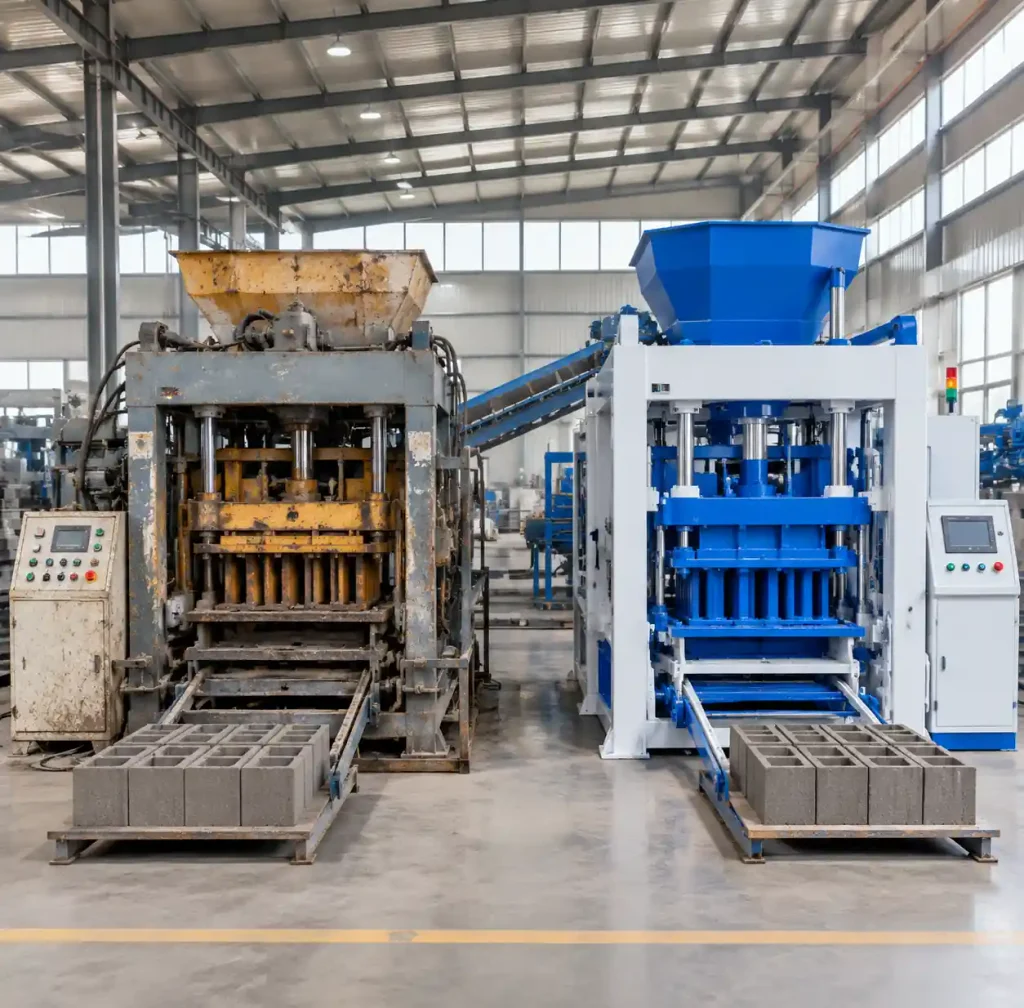
New Block Machines: Upfront Investment vs Long-Term Value
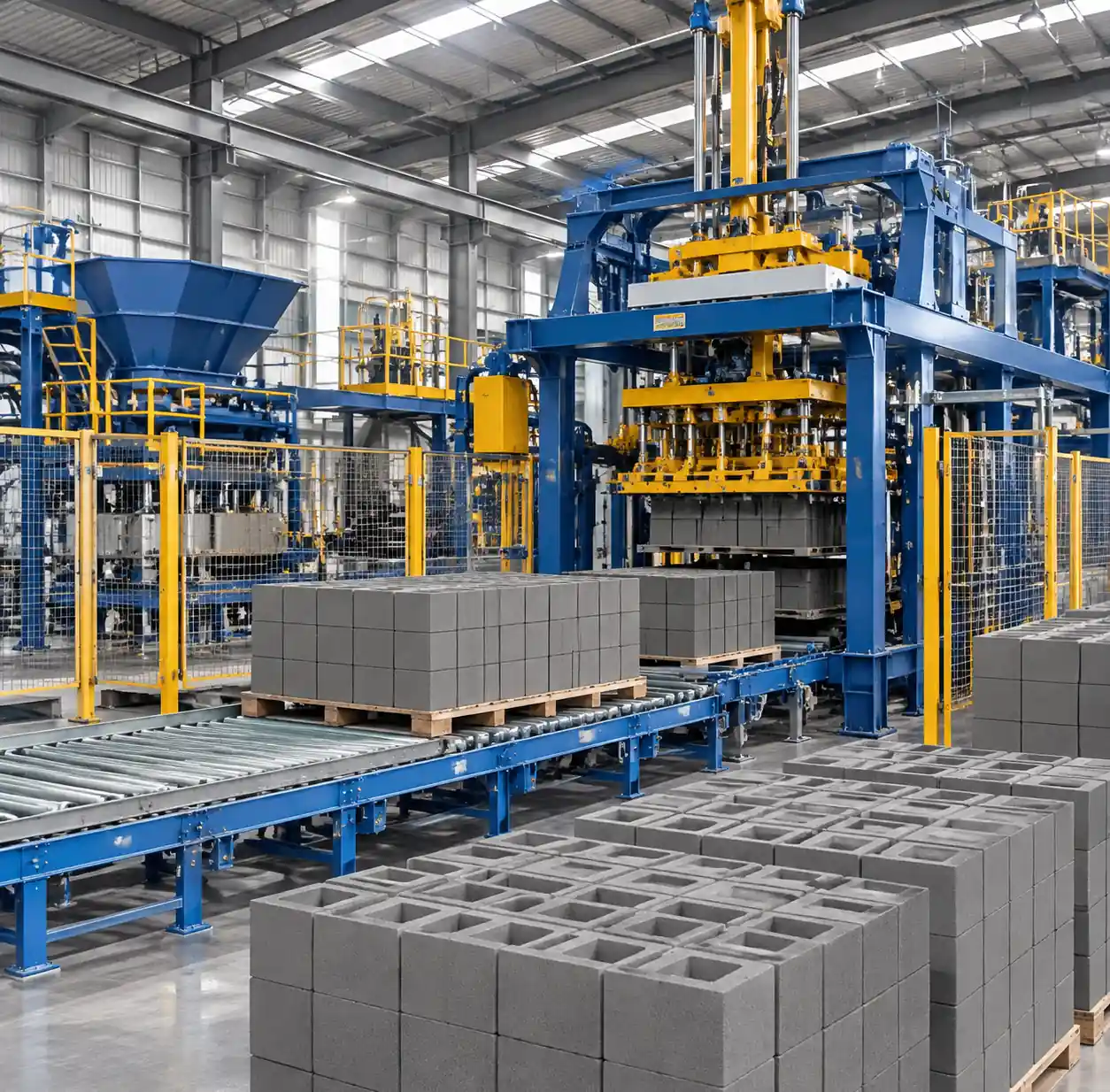
New block making machines cost $15,000-$180,000 depending on automation level and capacity. Manual hydraulic models start at $15,000-$25,000, semi-automatic systems range $35,000-$85,000, and fully automatic lines reach $120,000-$180,000. These prices include manufacturer warranties typically spanning 12-36 months covering major components.
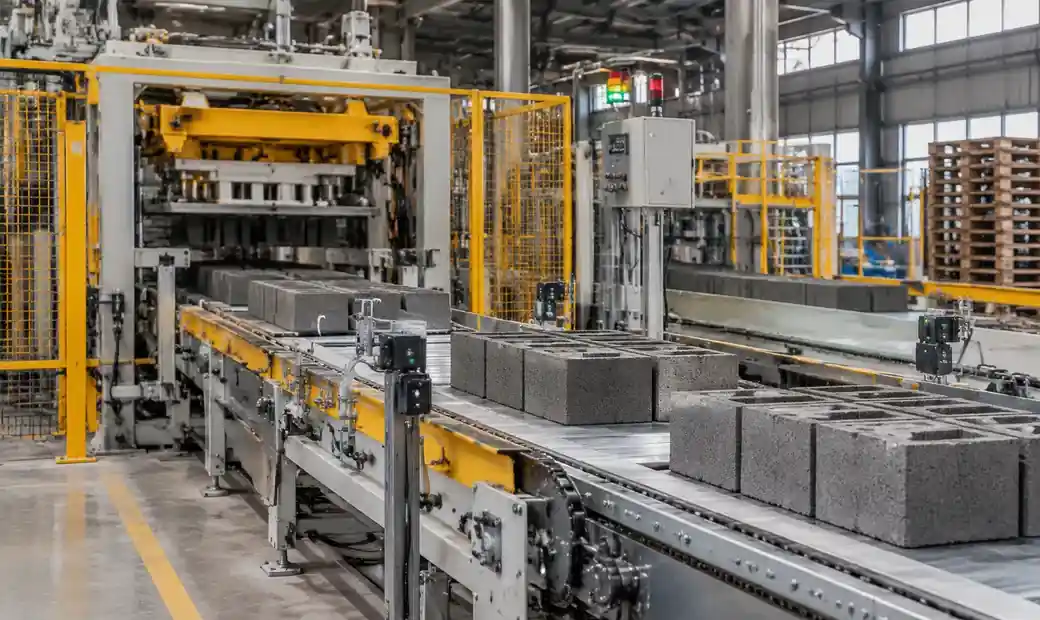
New machines deliver predictable performance from day one. Production capacity specifications are guaranteed—a semi-automatic rated for 4,000 blocks per shift consistently produces 3,800-4,200 blocks under normal operation. Block dimensional accuracy stays within ±2mm, and compressive strength variation remains under 5% across production runs.
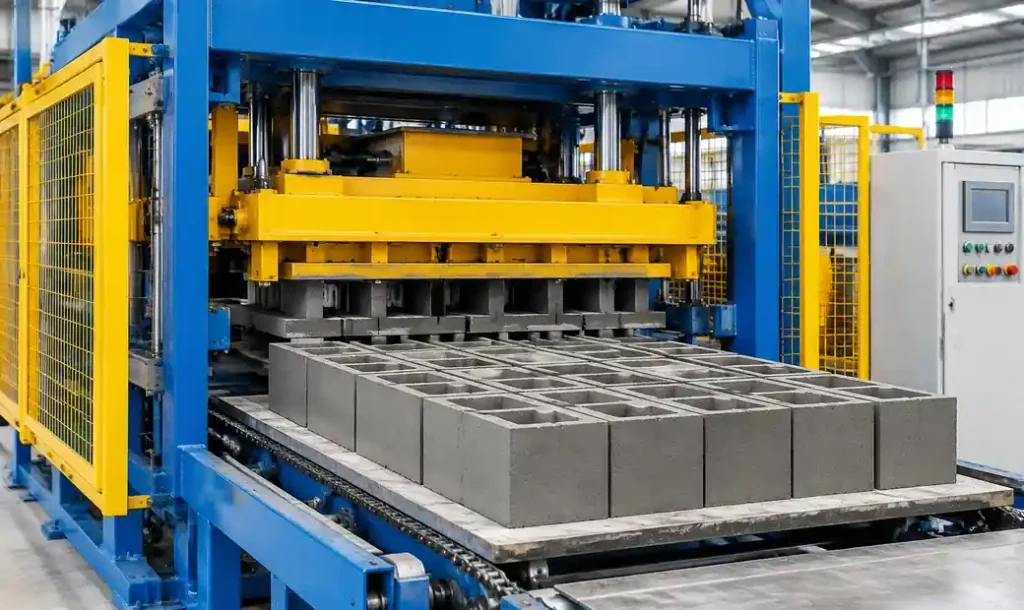
Warranty coverage protects your investment during the critical startup phase. Manufacturers provide technical support, operator training, and replacement parts at no additional cost during warranty periods. You avoid the diagnostic guesswork and repair delays common with used equipment. For operations targeting 15,000+ blocks monthly, this reliability directly impacts your ability to meet delivery commitments and maintain customer relationships.
Used Block Machines: Hidden Costs Beyond Purchase Price
Used block making machines sell for $8,000-$75,000, representing 40-60% savings versus comparable new models. A semi-automatic machine listed at $22,000 used versus $58,000 new appears attractive initially, but actual operating costs reveal different economics.
Hour meters rarely tell the complete story. A machine showing 6,000 operating hours may have experienced heavy shock loading, inadequate lubrication, or corrosive environment exposure that accelerates wear beyond what hours indicate. Hydraulic cylinder seals, electrical contactors, and vibration motors suffer from operational intensity and maintenance quality, not just accumulated runtime.
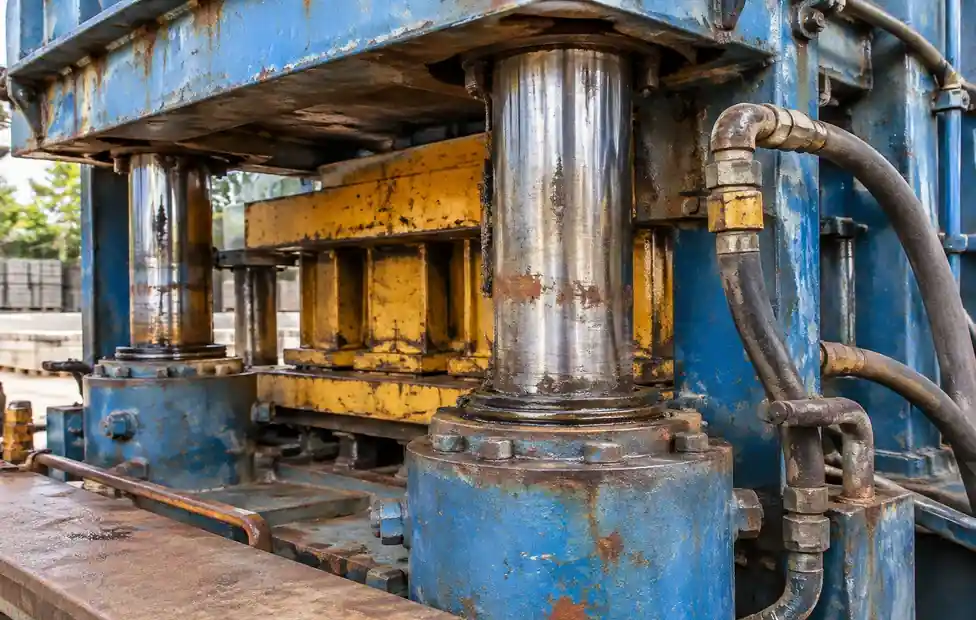
Replacement parts for discontinued models create supply chain vulnerabilities. Machines manufactured before 2018 often use proprietary components no longer stocked by manufacturers. You face extended downtime waiting for custom fabrication or aftermarket alternatives that may not match original specifications. A $180 hydraulic seal becomes a $2,400 problem when you include production loss during the 3-4 week procurement delay.
Previous owner maintenance records, when available, show whether the machine received preventive service or operated until failure. Missing documentation typically indicates deferred maintenance—budget 15-25% of purchase price for immediate refurbishment to reach reliable production standards.
Critical Comparison: Cost Analysis Over 5 Years
| Factor | New Machine (Semi-Auto) | Used Machine (Semi-Auto) |
|---|---|---|
| Purchase Price | $58,000 | $22,000 |
| Warranty Coverage | 24 months parts & labor | 0-6 months limited (typical) |
| First-Year Maintenance | $800-$1,200 (preventive) | $3,500-$6,800 (corrective + preventive) |
| Annual Maintenance (Years 2-5) | $1,800-$2,400 | $4,200-$7,500 |
| Unexpected Repairs (5-year total) | $2,500-$4,000 | $8,500-$15,000 |
| Downtime Cost (5-year estimate) | $3,000-$5,000 | $12,000-$22,000 |
| Parts Availability | Guaranteed for 10+ years | Uncertain, possible obsolescence |
| Technical Support | Included for life | Pay-per-incident or unavailable |
| 5-Year Total Cost of Ownership | $73,100-$77,600 | $72,200-$95,300 |
| Production Consistency | ±2mm dimensional tolerance | ±3-5mm variation common |
| Resale Value (after 5 years) | $23,000-$29,000 (40-50% retention) | $6,000-$9,000 (25-40% retention) |
The narrower cost difference over five years than initial purchase price reveals why many experienced operators choose new equipment. When you factor production consistency—which directly affects block rejection rates and customer satisfaction—new machines often deliver better economics by year three.
When Used Machines Make Financial Sense
Used equipment works for specific operational profiles where upfront capital constraints override other considerations. Seasonal contractors producing blocks 4-6 months annually face different economics than year-round operations. Your 1,200-block monthly volume at $0.27 profit per block generates $3,888 monthly gross profit—insufficient to support $58,000 equipment financing while covering labor, materials, and facility costs.
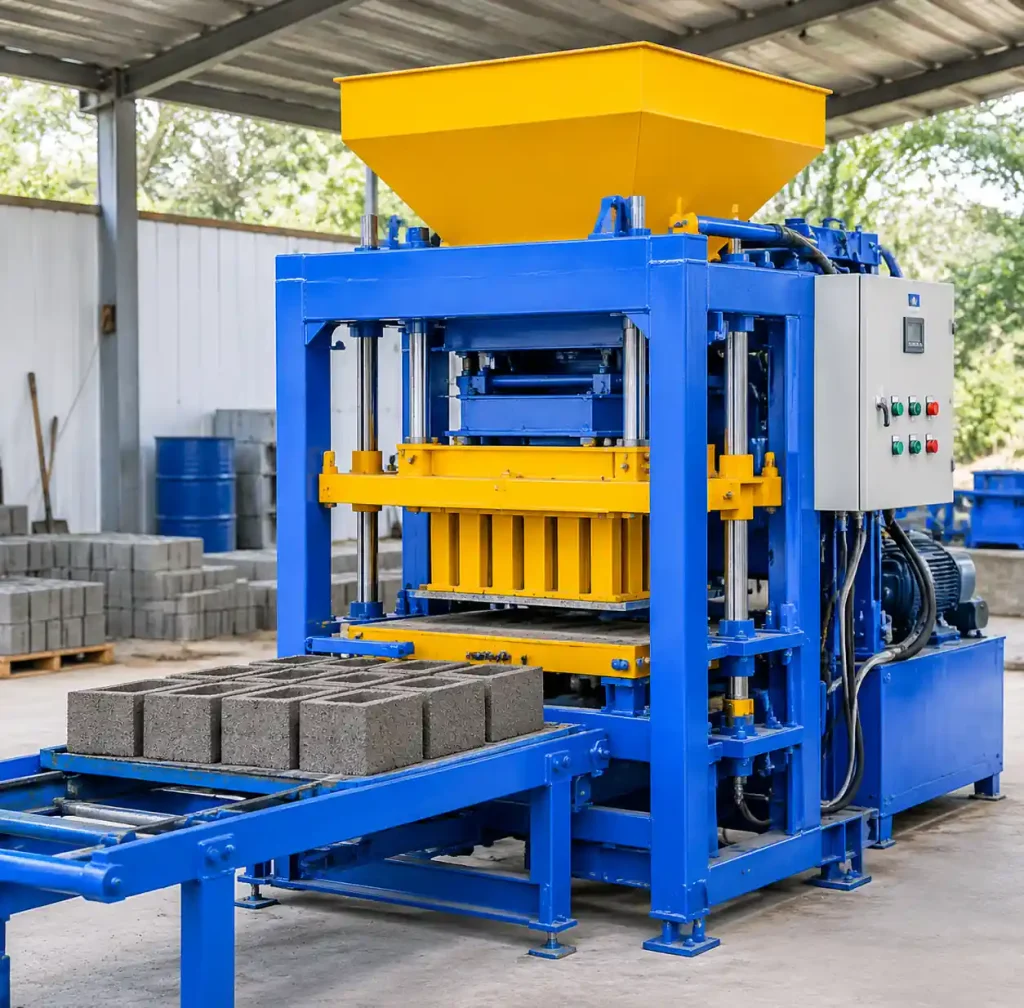
For testing market demand before full-scale investment, a $15,000-$22,000 used semi-automatic machine limits financial exposure. You can validate customer acquisition costs, refine production processes, and confirm selling prices support sustainable margins before committing to larger capital expenditures. If the venture fails to achieve projected volumes within 12-18 months, your total equipment loss stays manageable.
Operations with in-house maintenance capabilities convert used equipment challenges into advantages. When you have hydraulic technicians, welders, and electrical troubleshooting expertise already on payroll, refurbishment costs drop 60-70% compared to contract maintenance. A machine requiring $6,800 in outside repairs becomes a $2,100 internal project using existing labor capacity during production downtime.
Inspection Checklist for Used Block Machines
Before committing to any used machine, conduct systematic inspection covering structural integrity, hydraulic systems, electrical components, and mold condition. Missing or refusing these verification steps regularly leads to equipment that never reaches advertised production capacity.
Structural Frame and Components
Check main frame for cracks, especially at weld joints and mounting points where vibration motors attach. Hairline cracks indicate fatigue stress that will progress into catastrophic failure. Measure mold table for flatness using a precision straightedge—deviation exceeding 3mm across the table surface produces blocks with uneven faces and poor stackability.
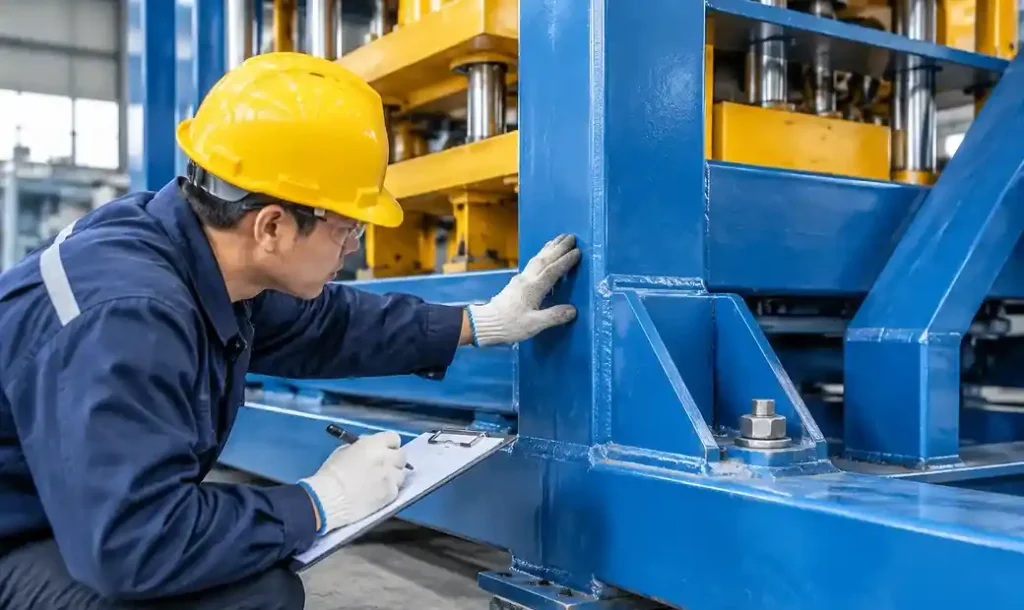
Inspect vibration motors for bearing play. Grasp the motor shaft and attempt radial movement—any detectable play indicates bearing wear requiring immediate replacement. Vibration motors with worn bearings transfer inconsistent compaction force, producing blocks with variable density and strength.
Hydraulic System Evaluation
Examine hydraulic cylinders for chrome plating condition on piston rods. Scoring, pitting, or rust on rod surfaces compromises seal effectiveness, causing oil leakage and pressure loss. Request the seller demonstrate full system pressure under load—machines unable to reach rated pressure indicate pump wear, internal leakage, or valve problems costing $2,500-$8,000 to repair.
Check hydraulic oil color and odor. Dark brown or black oil with burnt smell indicates overheating or contamination from worn components. Milky appearance reveals water contamination destroying hydraulic seals and accelerating corrosion. Budget $400-$800 for complete hydraulic system flush and oil replacement if contamination is present.
Electrical System and Controls
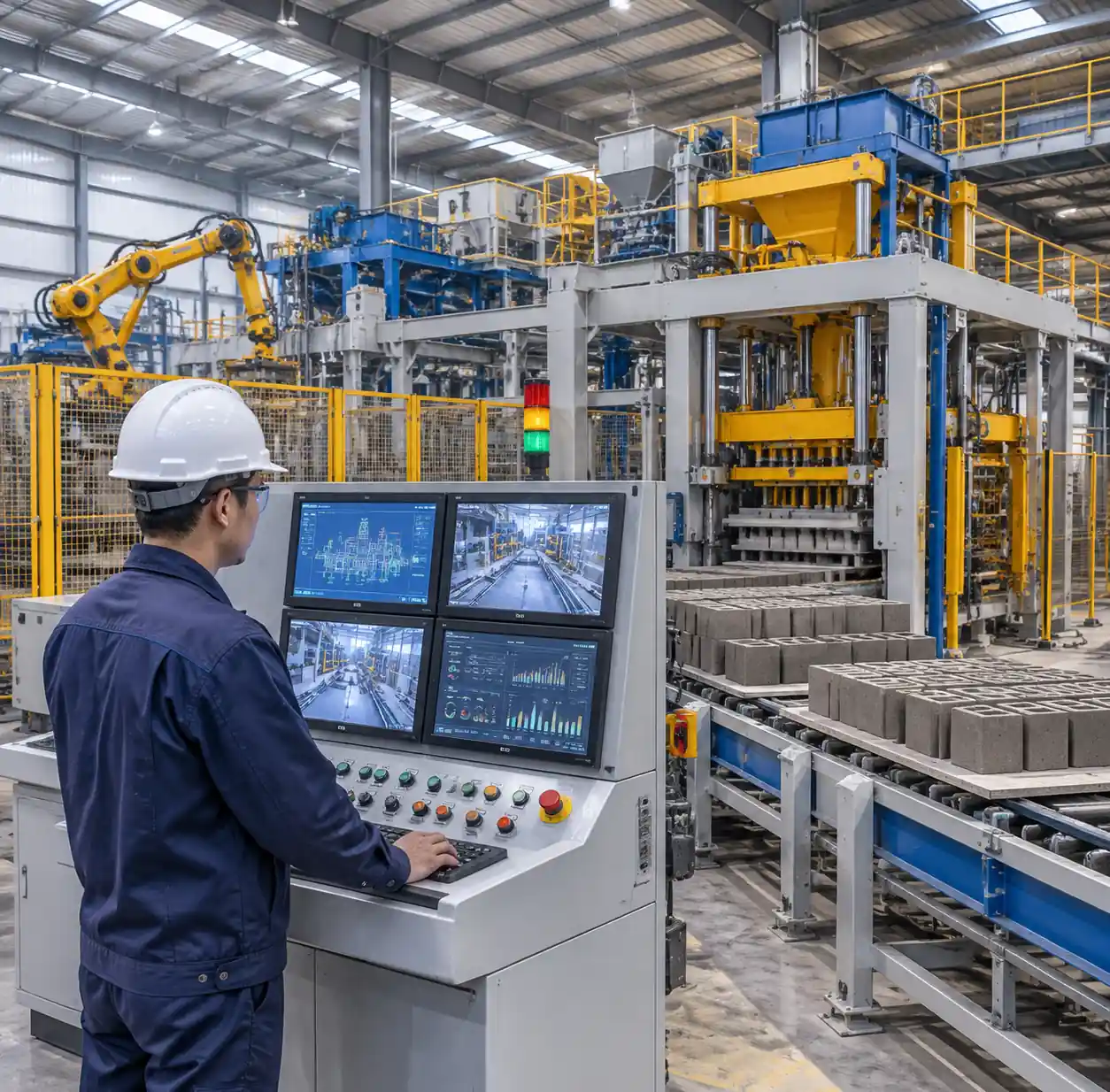
Test all control functions through complete production cycles. Verify vibration timing, pressing duration, and mold release sequences operate smoothly without hesitation or skipped steps. Erratic behavior indicates PLC programming issues, worn contactors, or sensor failures requiring $1,200-$3,500 in electrical repairs.
Inspect electrical enclosure for dust intrusion, moisture damage, or overheating evidence. Discolored wires, burnt connectors, or corroded terminals signal previous electrical problems likely to recur. Quality machines use sealed or NEMA 4 rated enclosures protecting components from concrete plant dust and moisture.
Mold Condition Assessment
Examine mold cavities for wear patterns, especially corners and edges where concrete exerts maximum pressure during compaction. Wear exceeding 5mm alters block dimensions beyond acceptable tolerances. Replacement molds cost $800-$3,500 depending on complexity—factor this into negotiation if wear is evident.
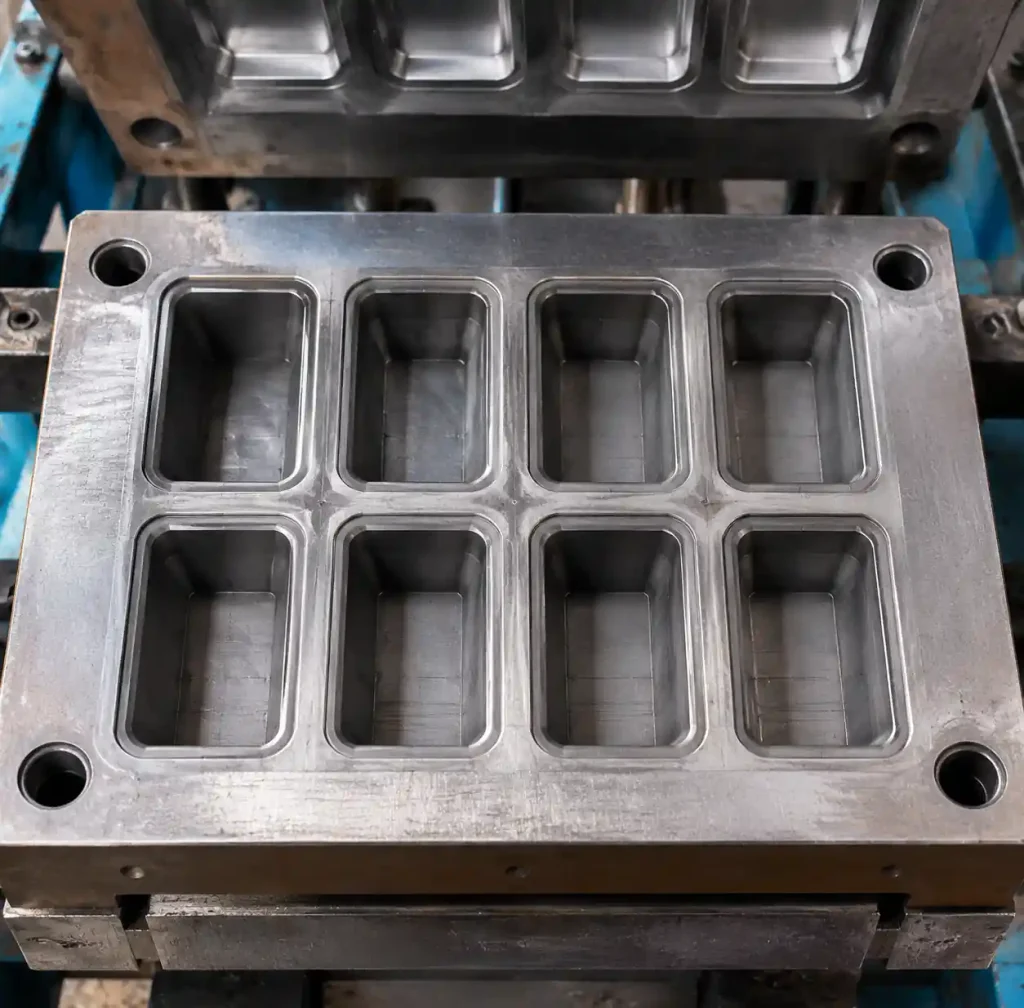
Check mold release mechanisms for smooth operation. Sticky or binding release causes block damage during ejection and slows production cycles by 8-15 seconds. Verify all mold components are present—missing stripper plates, core bars, or mounting hardware indicate neglected maintenance.
New Machine Selection Criteria by Production Volume
| Production Requirement | Recommended Machine Type | Typical Investment | Payback Period (60-80% utilization) |
|---|---|---|---|
| < 2,000 blocks/month | Manual hydraulic | $15,000-$25,000 | 24-36 months |
| 2,000-8,000 blocks/month | Semi-automatic hydraulic | $35,000-$65,000 | 18-28 months |
| 8,000-20,000 blocks/month | Semi-automatic with automation | $65,000-$95,000 | 16-24 months |
| 20,000-50,000 blocks/month | Fully automatic single-line | $120,000-$150,000 | 18-30 months |
| > 50,000 blocks/month | Fully automatic multi-line | $180,000-$350,000+ | 24-36 months |
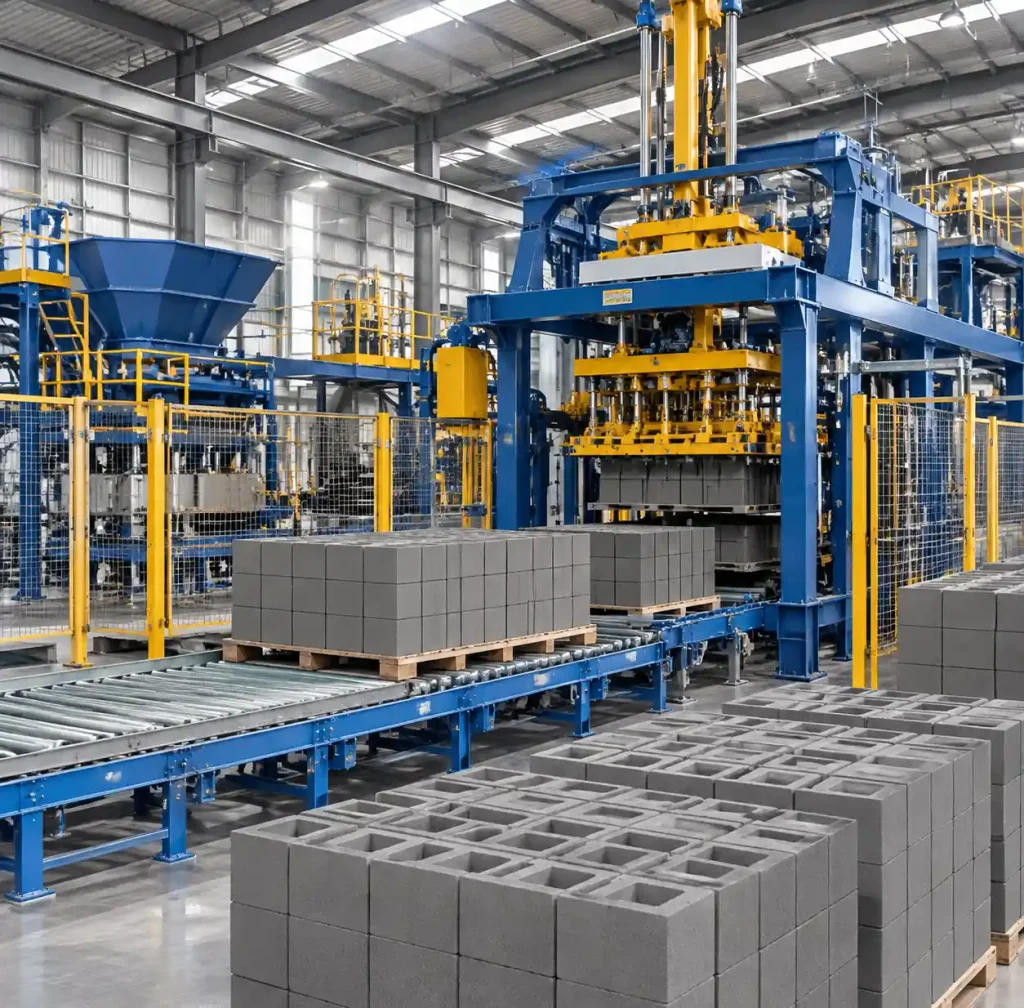
Production volume directly determines appropriate automation investment. Undercapacity equipment forces overtime shifts, reduces quality from operator fatigue, and creates delivery delays damaging customer relationships. Overcapacity equipment sits idle, tying up capital that could fund working inventory, marketing, or facility improvements.
Financing Considerations: New vs Used Equipment
Lenders treat new and used equipment differently for financing purposes. New block machines qualify for 5-7 year equipment loans at 6.5-9.5% APR with 10-20% down payment requirements. Banks view manufacturer warranties and predictable depreciation as risk mitigation justifying favorable terms.
Used equipment financing typically requires 25-40% down payment with 3-5 year terms at 9.5-14% APR. Higher rates reflect elevated lender risk from uncertain equipment condition and faster depreciation. Many lenders exclude machines over 8-10 years old entirely, forcing all-cash purchases or seller financing at negotiated terms.
For startup operations with limited capital, new equipment financing often provides better cash flow despite higher total cost. A $58,000 machine financed at 8% over 5 years requires $1,175 monthly payments versus $600-$900 monthly on a $22,000 used machine—but new equipment’s lower maintenance costs and minimal downtime often offset the payment difference.
Manufacturer Reputation and Parts Support
Equipment manufacturer selection impacts long-term operational costs as significantly as new versus used decisions. Established manufacturers maintain parts inventories for 10-15 years after model discontinuation, protecting your investment against obsolescence. They offer technical phone support, training programs, and engineering documentation supporting in-house maintenance capabilities.
Lesser-known manufacturers may offer 20-30% lower initial prices but create parts supply risks and limited technical support. When a critical component fails, you discover replacement parts ship from overseas requiring 4-8 weeks, meanwhile your machine sits idle losing $200-$400 daily in lost production profit.
Raytone Block Machinery provides comprehensive support including operator training, maintenance guidance, and genuine replacement parts availability backed by 15+ years of industry experience. Our machines use standardized components wherever possible, reducing proprietary parts dependency while maintaining precision manufacturing tolerances.
الأسئلة الشائعة
Should I buy a used block machine from a closed factory?
Factory closures create attractive prices but maximum risk. Equipment sold under financial distress typically received deferred maintenance as cash flow tightened. Without opportunity to observe the machine in production, you cannot verify actual output capacity or product quality. Budget 20-30% of purchase price for refurbishment to reach reliable operation standards.
How do I verify a used machine’s actual production capacity?
Request demonstration producing 100+ blocks with customer-supplied materials while you observe. Measure actual cycle times, dimensional accuracy on finished blocks, and compressive strength through lab testing. Advertised capacity often exceeds real-world performance by 15-30% when concrete mix consistency, operator skill, and machine condition are factored.
What maintenance records should sellers provide?
Complete records should include hydraulic oil changes with dates and oil type, replacement parts invoices showing components serviced, and production logs indicating operational hours and downtime events. Missing documentation typically indicates reactive maintenance practices—equipment operated until failure rather than preventive service schedules.
Can I negotiate warranty coverage on used equipment?
Private sellers rarely offer warranties beyond “as-is” terms. Equipment dealers occasionally provide 30-90 day limited warranties covering major component failure but excluding wear items like seals, electrical contacts, or mold components. Extended warranty costs typically run 8-12% of purchase price for 6-12 months additional coverage.
When do used machines make sense over new?
Used equipment works for seasonal operations under 4,000 blocks monthly, market testing before full investment, or when in-house maintenance expertise handles refurbishment. For year-round operations exceeding 6,000 blocks monthly targeting consistent quality, new equipment’s reliability and warranty protection typically justify higher upfront costs.
How do I calculate break-even between used and new machines?
Compare 5-year total ownership costs including purchase price, maintenance (preventive and unexpected repairs), downtime costs at your profit per block, financing costs if applicable, and resale value. Factor production consistency differences—reject rates 3-5% higher with used equipment directly impact profitability. New equipment typically breaks even by year three in high-volume operations.
الخلاصة
The used versus new block machine decision ultimately depends on production volume, capital availability, and operational risk tolerance. Used equipment offers immediate capital savings but transfers maintenance uncertainty and potential downtime costs to your operation. New machines provide predictable performance, comprehensive warranty protection, and technical support justifying 40-60% higher initial investment for operations targeting consistent quality and reliable delivery schedules.
For established operations producing 8,000+ blocks monthly, new equipment typically delivers better five-year economics through reduced maintenance, minimal downtime, and higher resale value. Startup ventures and seasonal operations under 4,000 blocks monthly may find used equipment provides acceptable performance while preserving capital for market development and working inventory. Careful inspection, realistic refurbishment budgeting, and honest assessment of your maintenance capabilities determine success with used equipment purchases.
Raytone Block Machinery offers both new and certified refurbished equipment options with transparent pricing, comprehensive warranties, and ongoing technical support. Our engineering team helps you match machine capacity to production projections while avoiding overcapacity or undercapacity pitfalls that compromise profitability. Contact our sales team today for personalized equipment recommendations and factory-direct pricing on machines suited to your specific operation requirements.