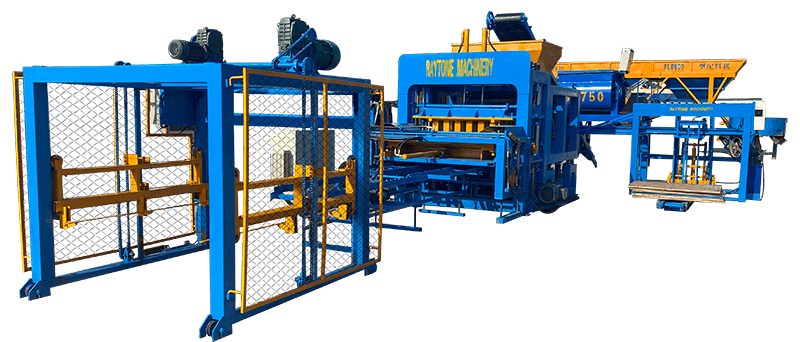
Modern construction demands concrete blocks that can bear heavy loads while maintaining dimensional stability. If you want to produce blocks with compressive strengths exceeding 10 MPa, you need to understand mix design principles that balance cement content, aggregate selection, water ratios, and admixtures.
This guide covers proven mix proportions for high-strength block production, material specifications, testing methods, and cost optimization strategies. Whether you’re operating a آلة قطع يدوية or a fully automatic production line, the right concrete mix determines your block quality and profitability.
What Defines High-Strength Concrete Blocks?
High-strength concrete blocks achieve compressive strengths between 10 MPa and 20 MPa at 28 days, compared to standard blocks rated at 4-7 MPa. This performance requires precise mix design with lower water-to-cement ratios (0.35-0.45), higher cement content (300-400 kg/m³), and carefully graded aggregates that minimize voids.
You can use these blocks for load-bearing walls, retaining structures, and multi-story buildings. Industry standards like ASTM C90 specify minimum compressive strengths of 13.1 MPa for load-bearing units, while European EN 771-3 classifies blocks from 3.5 MPa to 40 MPa.
Essential Mix Components
Cement Selection
Portland cement Type I or Type II forms the binding matrix. Use 300-400 kg per cubic meter for strengths above 10 MPa. Opt for cement with fineness of 320-380 m²/kg and adequate C3S content for early strength. Store in dry conditions for maximum 3 months.
Blended cements containing 15-25% fly ash improve workability and reduce costs while maintaining strength. However, fly ash extends curing time when using آلات الصب الأوتوماتيكية.
Aggregate Specifications
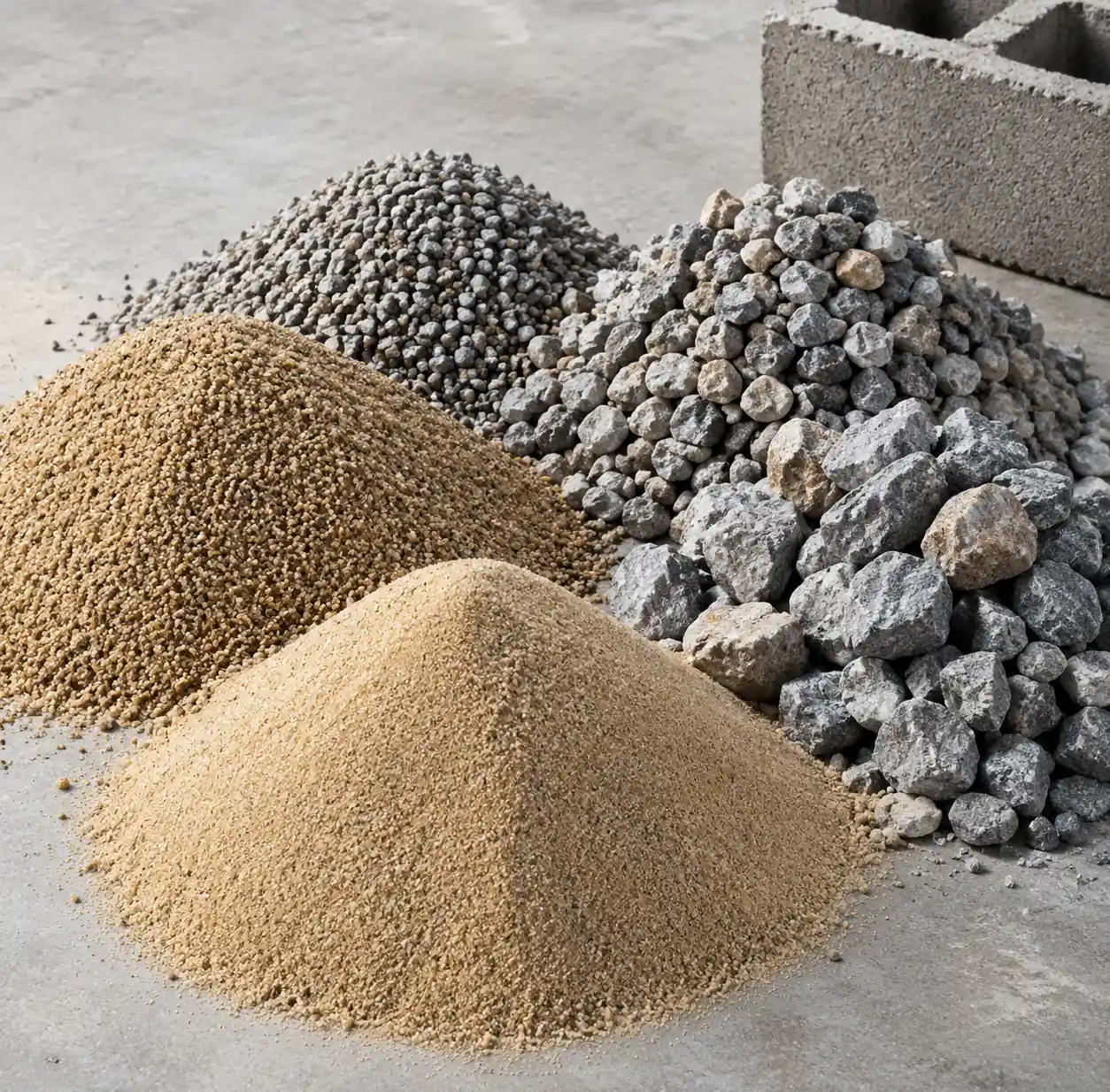
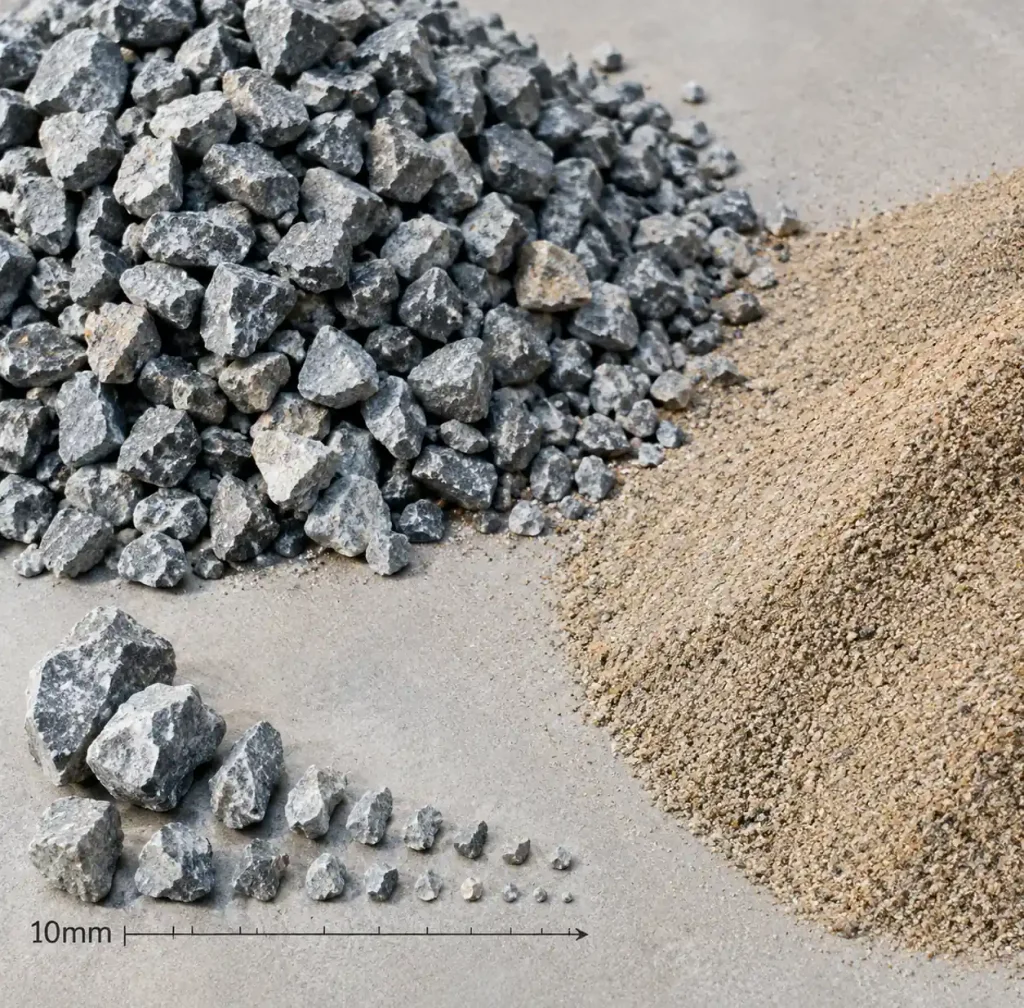
Crushed stone aggregates produce stronger blocks than rounded gravel because angular particles create better mechanical interlock. Use 10mm maximum size—larger aggregates create voids that reduce density.
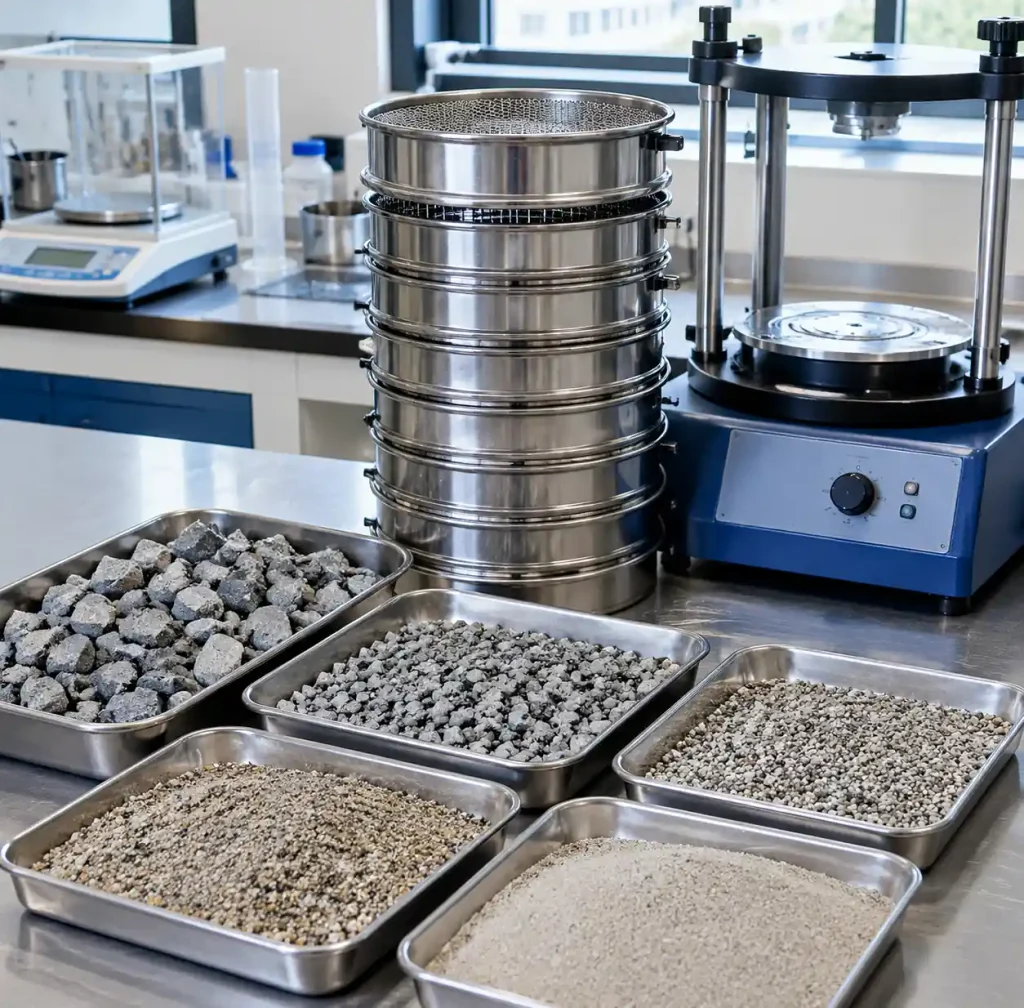
Your aggregate blend should follow continuous grading with 30-40% passing 4.75mm sieve and 10-15% passing 0.6mm sieve. Test for flakiness and elongation indices below 25%. Wash aggregates to remove clay and silt that increase water demand.
Sand Quality
Fine aggregate should have fineness modulus 2.6-3.0. Too fine sand increases water demand; coarse sand creates harsh mixes that don’t compact properly in semi-automatic machines.
Keep silt content below 3% by weight. Measure sand moisture daily and adjust batch water to maintain consistent water-cement ratios.
Proven Mix Proportions
| Target Strength (MPa) | Cement (kg/m³) | Sand (kg/m³) | Aggregate (kg/m³) | Water (L/m³) | W/C Ratio |
|---|---|---|---|---|---|
| 10-12 MPa | 300 | 600 | 1200 | 135 | 0.45 |
| 12-15 MPa | 350 | 580 | 1160 | 150 | 0.43 |
| 15-18 MPa | 400 | 560 | 1120 | 160 | 0.40 |
| 18-20 MPa | 450 | 540 | 1080 | 170 | 0.38 |
Standard Mix: 1:2:4 Ratio (10-12 MPa)
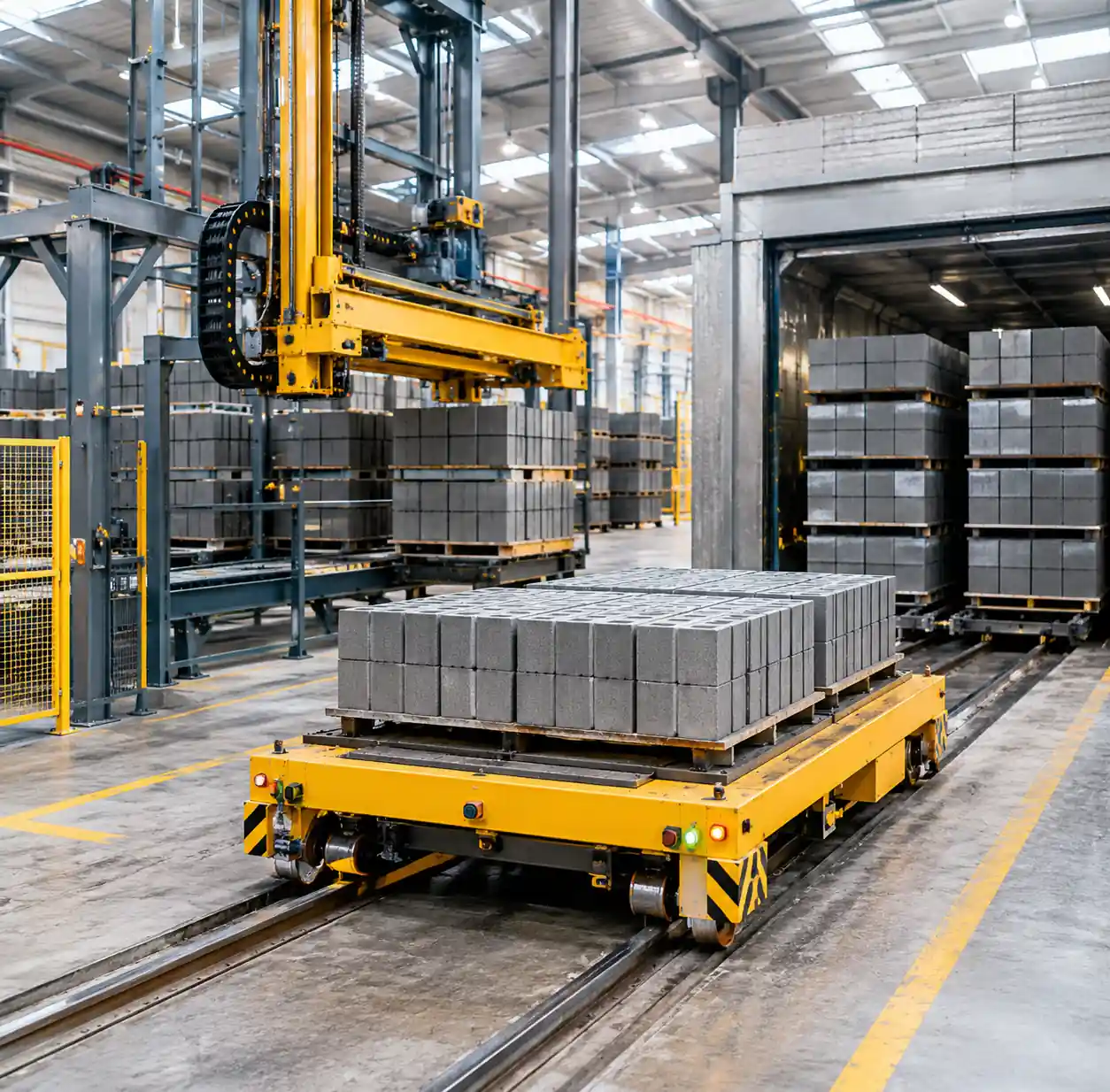
The 1:2:4 ratio provides reliable strength for most construction blocks. This translates to 300 kg cement, 600 kg sand, and 1200 kg aggregate per cubic meter, producing 800-1000 standard blocks. Material cost runs $25-35 per cubic meter. Production on الخطوط الآلية reaches 4000-6000 blocks per 8-hour shift.
High-Strength Mix: 1:1.5:3 Ratio (15-18 MPa)
For load-bearing applications, 1:1.5:3 delivers 15-18 MPa using 400 kg cement per cubic meter. This cement-rich blend requires water-reducing admixtures for proper compaction, increasing cost by 30-35% compared to standard mix.
Water-Cement Ratio Control
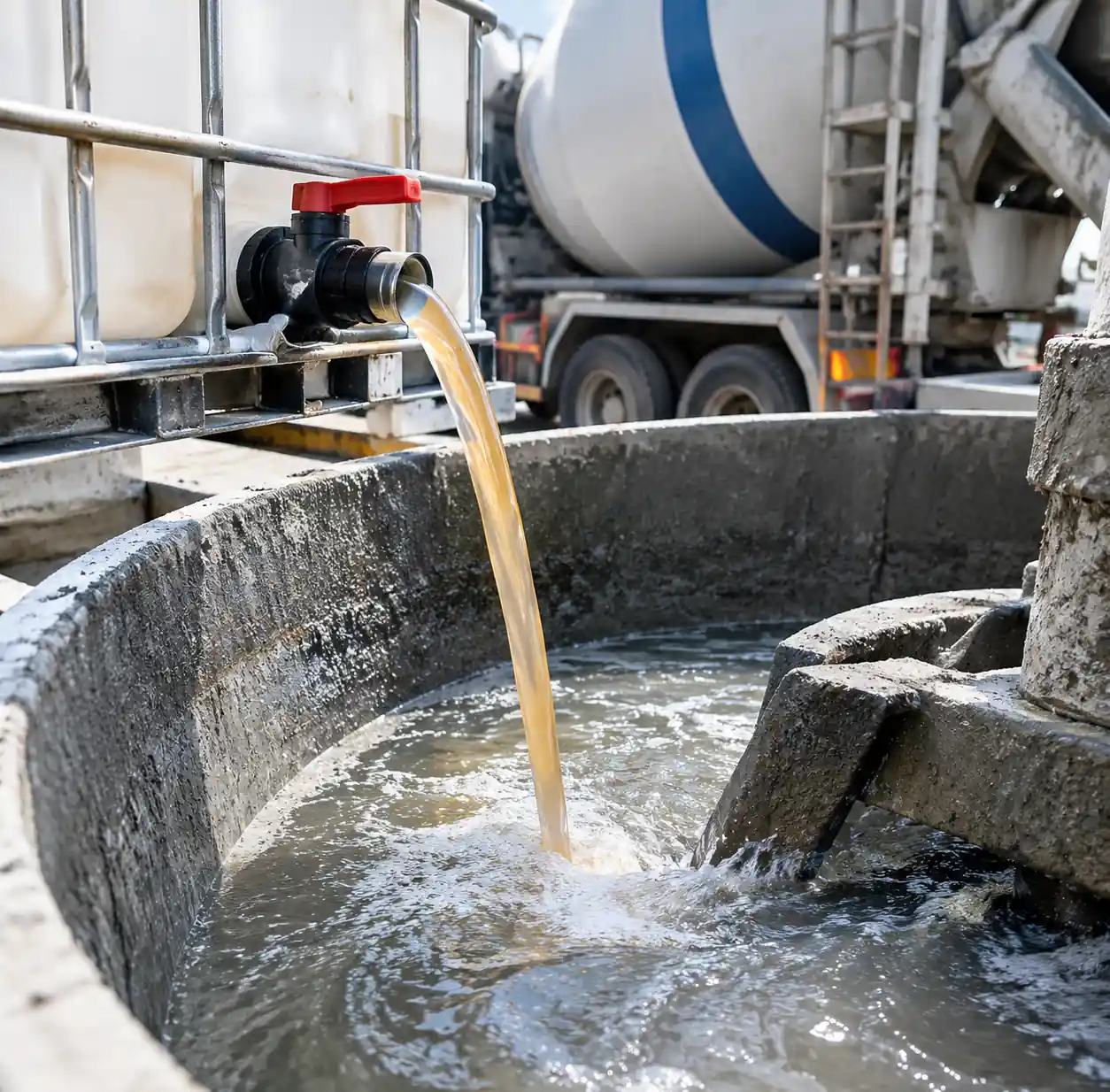
Water-cement ratio determines final block strength. Each 0.05 increase in W/C ratio reduces strength by 15-20% at 28 days. Target ratios between 0.35-0.45. Below 0.35 causes compaction problems; above 0.45 creates porosity.
Measure water by weight for accuracy. Use potable water free from organic matter and salts. Water containing chlorides above 500 ppm causes efflorescence and reduces durability.
Admixtures for Performance
Water-Reducing Plasticizers
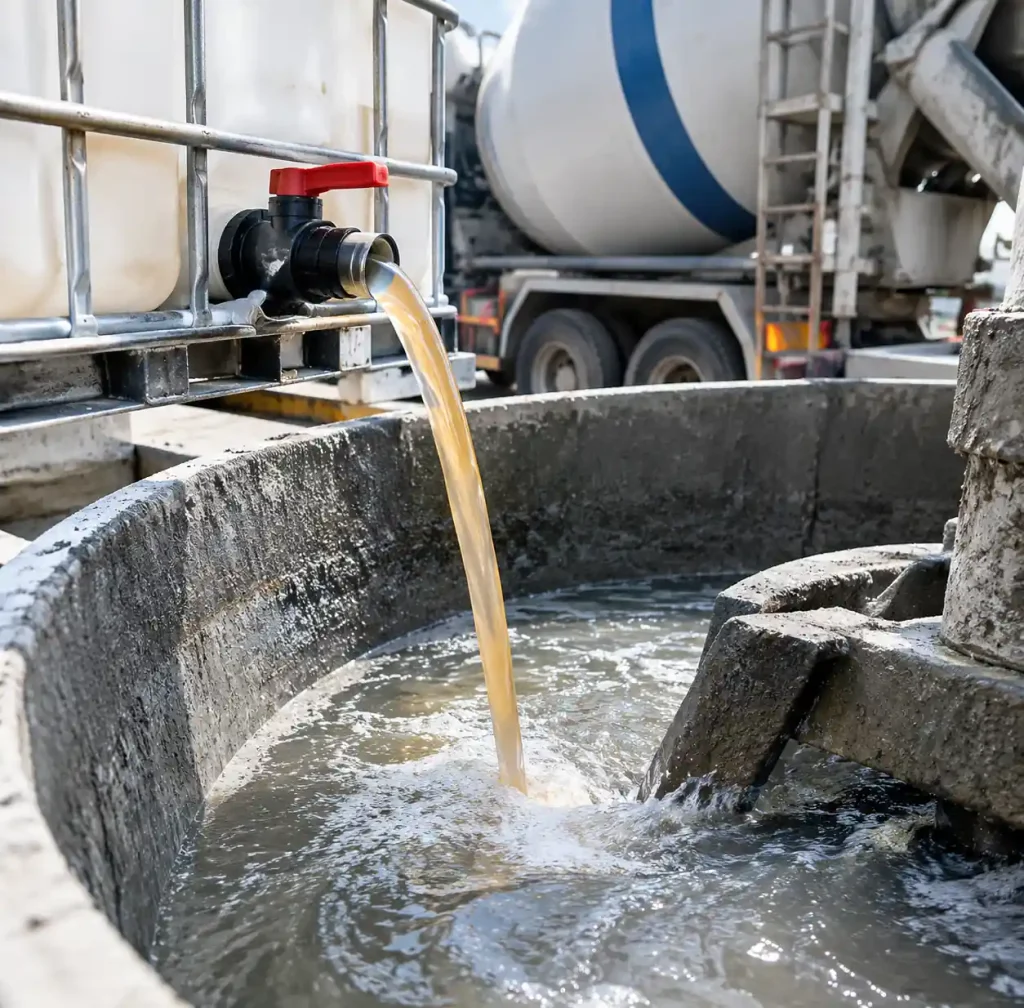
Plasticizers reduce water by 10-15% while maintaining workability. Dosage runs 0.2-0.4% by cement weight. Add to mixing water for uniform distribution. Lignosulfonate-based products cost $0.50-0.80 per kg, adding $0.15-0.25 per cubic meter. The 2-3 MPa strength gain justifies this investment.
Strength Accelerators
Calcium chloride at 1-2% accelerates early strength but causes steel corrosion. Non-chloride accelerators (calcium formate) cost $1.50-2.00 per kg and work well for reinforced blocks.
Mixing and Compaction
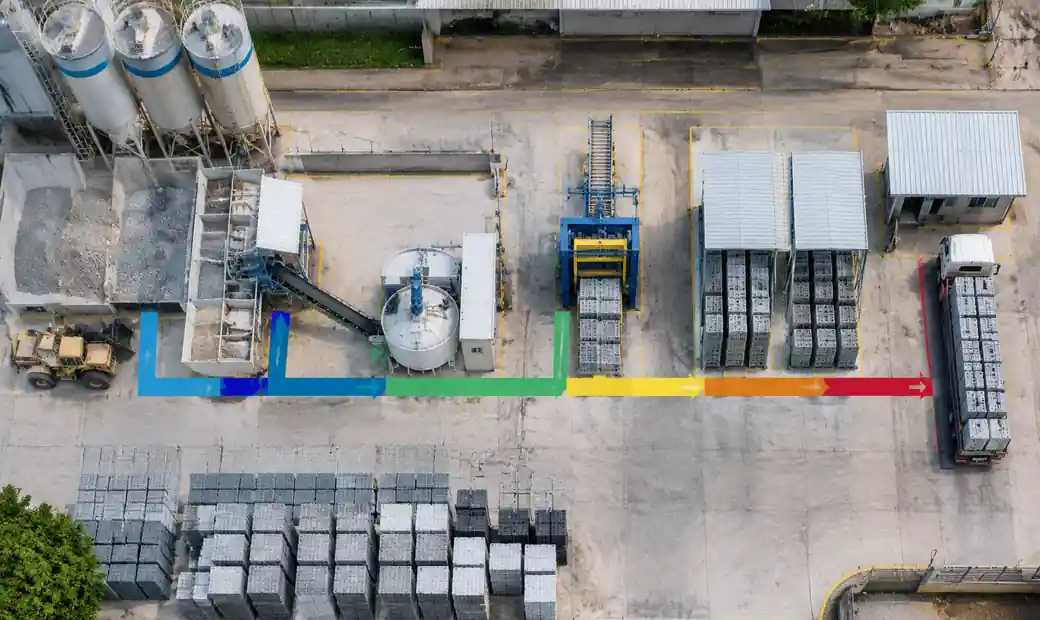
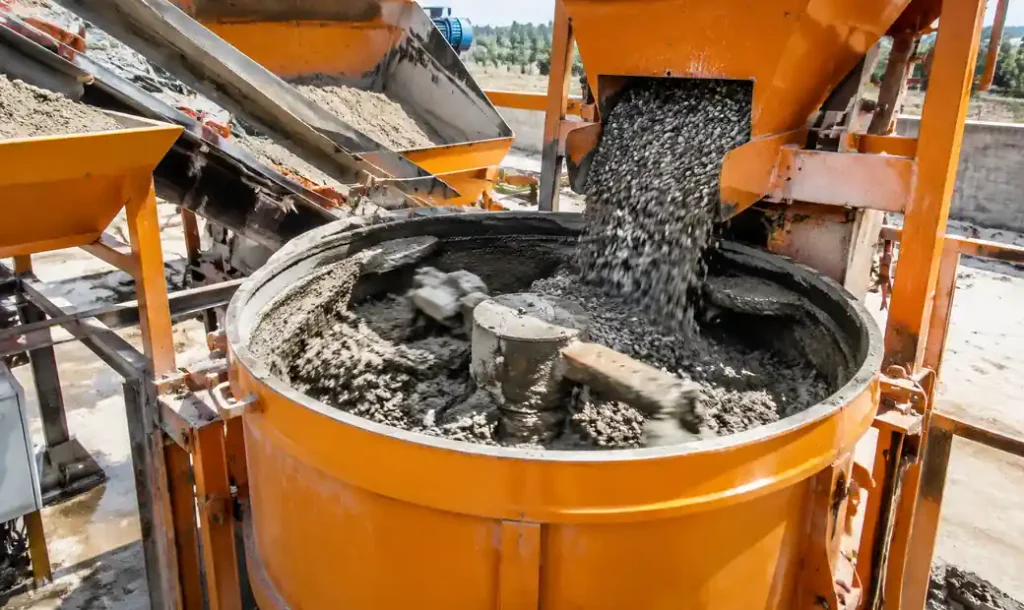
Achieve homogeneity through 3-4 minutes mixing in pan mixers. Add materials in sequence: coarse aggregate and half the water, then sand and cement, finally remaining water with admixtures.
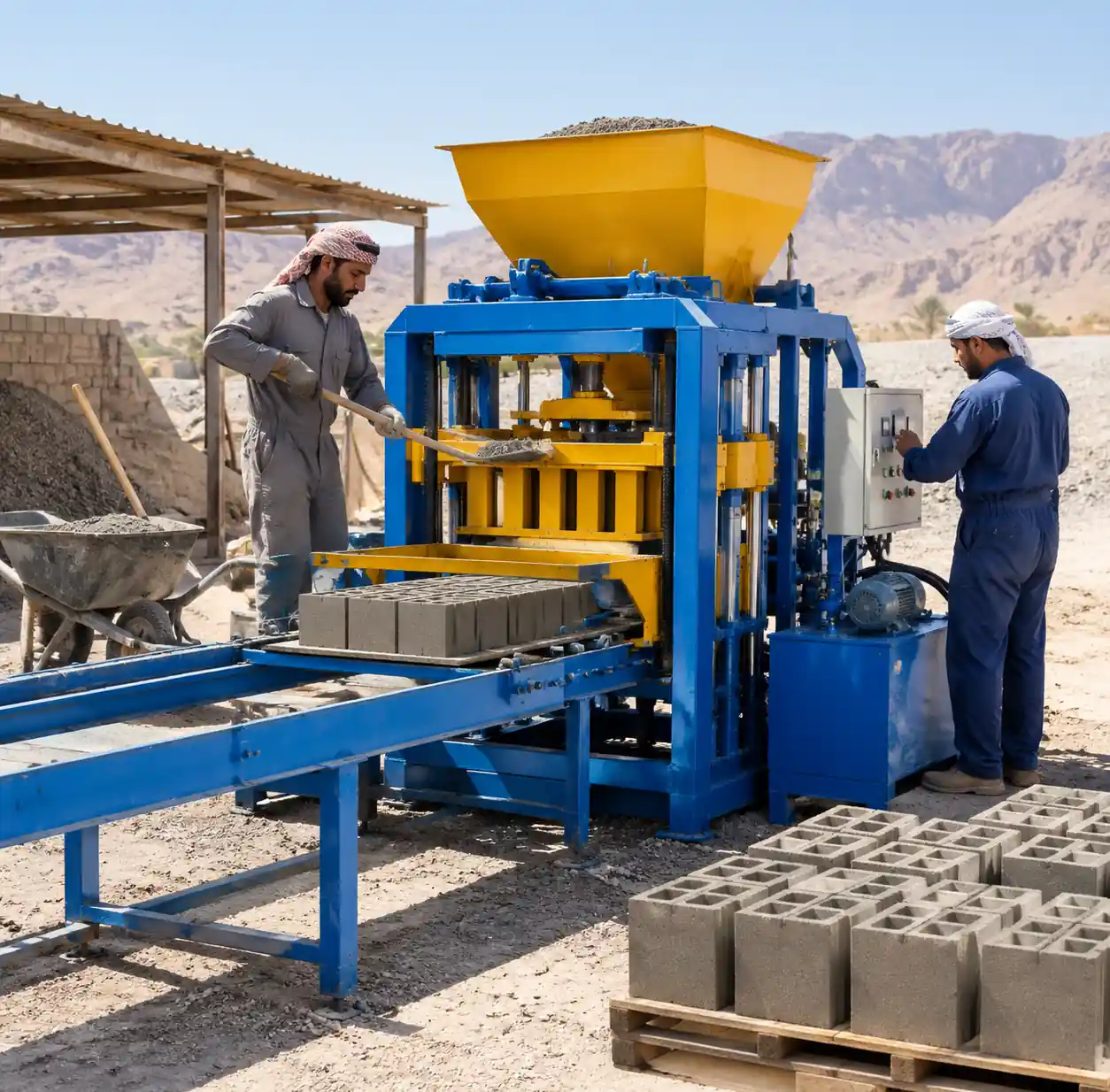
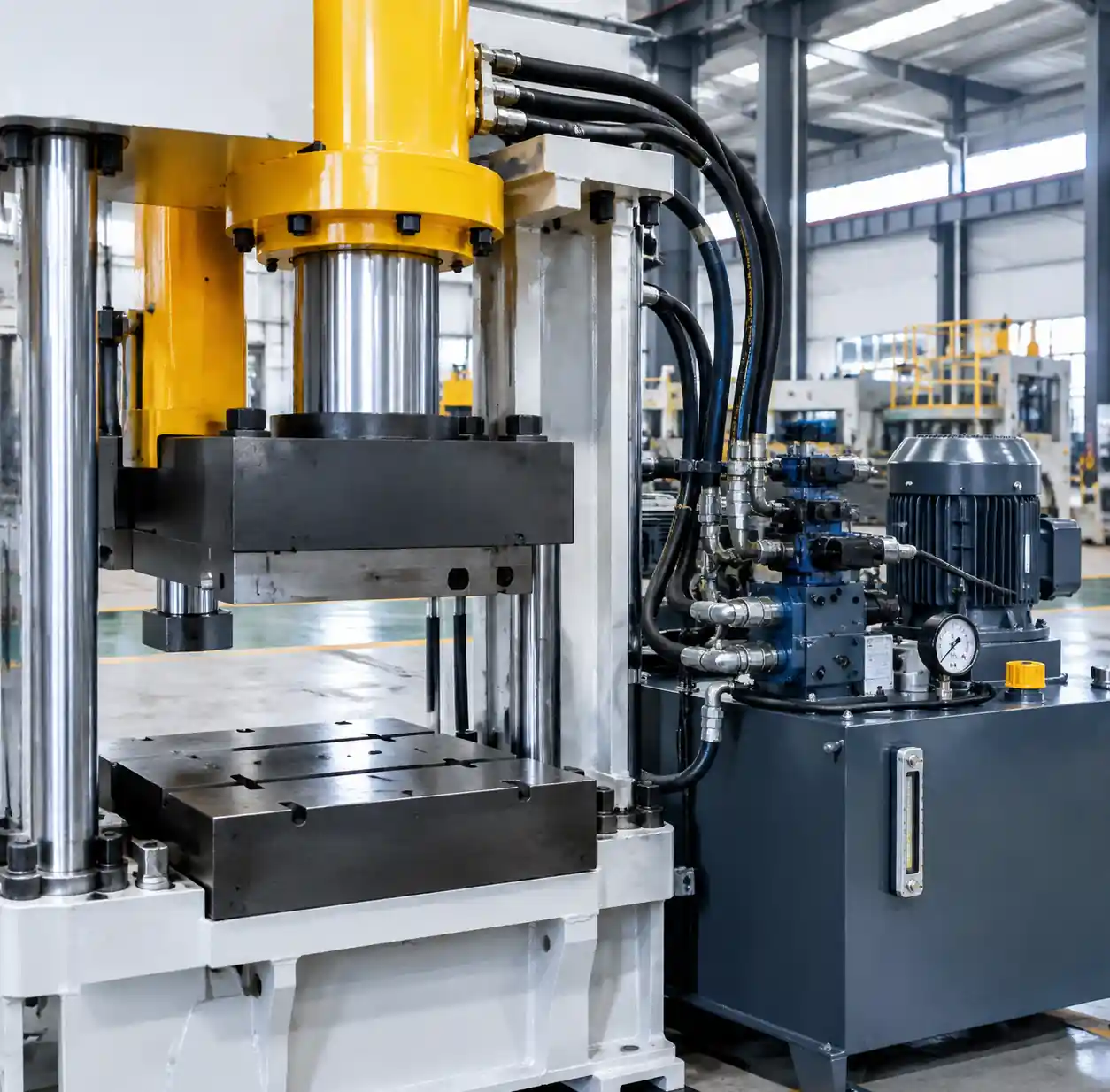
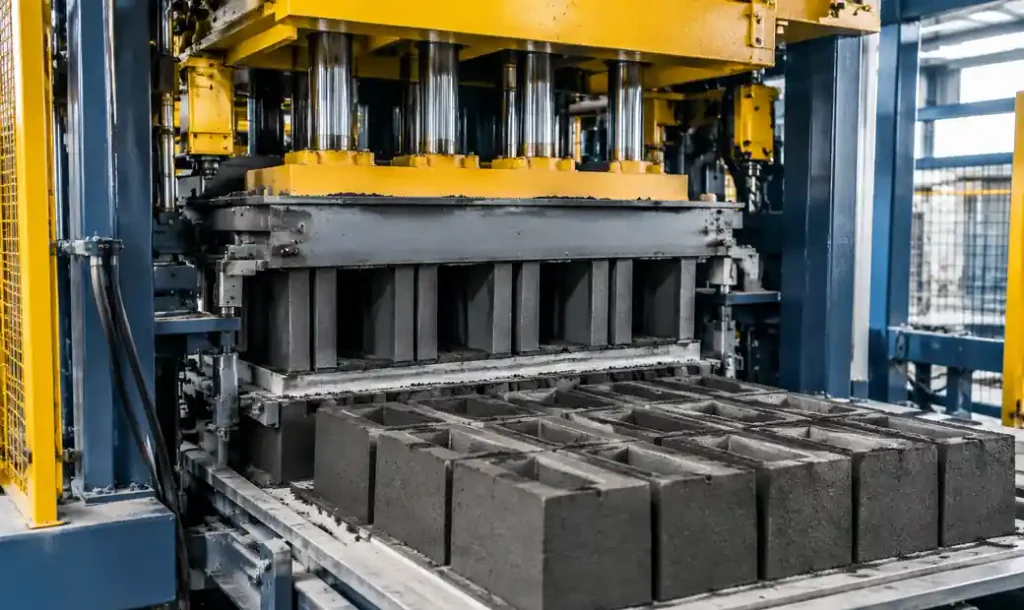
Block density correlates with strength—each 100 kg/m³ increase adds 1.5-2.0 MPa. الآلات شبه الأوتوماتيكية apply 2-4 MPa pressure with 50-60 Hz vibration for 8-12 seconds. الخطوط الآلية use 6-10 MPa pressure with precise vibration cycles.
Curing Methods
| Curing Method | 7-Day Strength | 28-Day (MPa) | Cost/1000 blocks | الأفضل لـ |
|---|---|---|---|---|
| Water (7 days) | 70-75% | 16-18 | $45-60 | Standard |
| Steam (24 hours) | 85-90% | 15-17 | $80-120 | Fast turnover |
| Membrane | 65-70% | 14-16 | $25-40 | Dry climates |
| Moist (14 days) | 80-85% | 18-20 | $70-95 | High-strength |
Water Curing
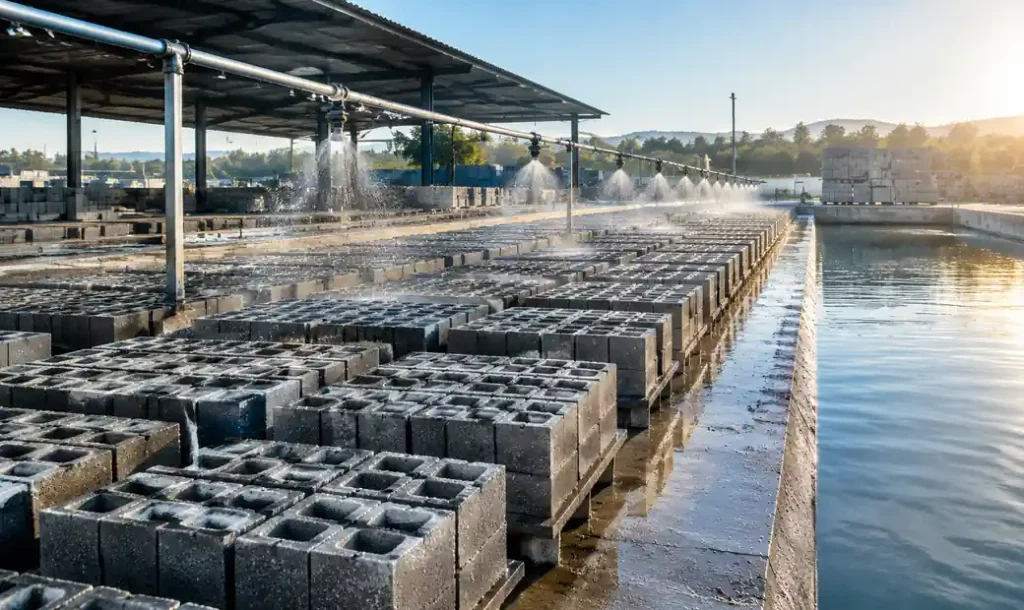
Continuous water curing for 7-14 days produces maximum strength. Start within 2-4 hours after demolding. Keep blocks continuously wet—intermittent wetting reduces strength by 10-15%. In hot weather above 35°C, extend to 14 days.
Steam Curing
Steam at 60-80°C for 18-24 hours develops 85-90% of final strength. Raise temperature gradually at 10-15°C per hour to avoid thermal shock. This works well for high-capacity lines but produces 5-10% lower ultimate strength than water curing.
Quality Control
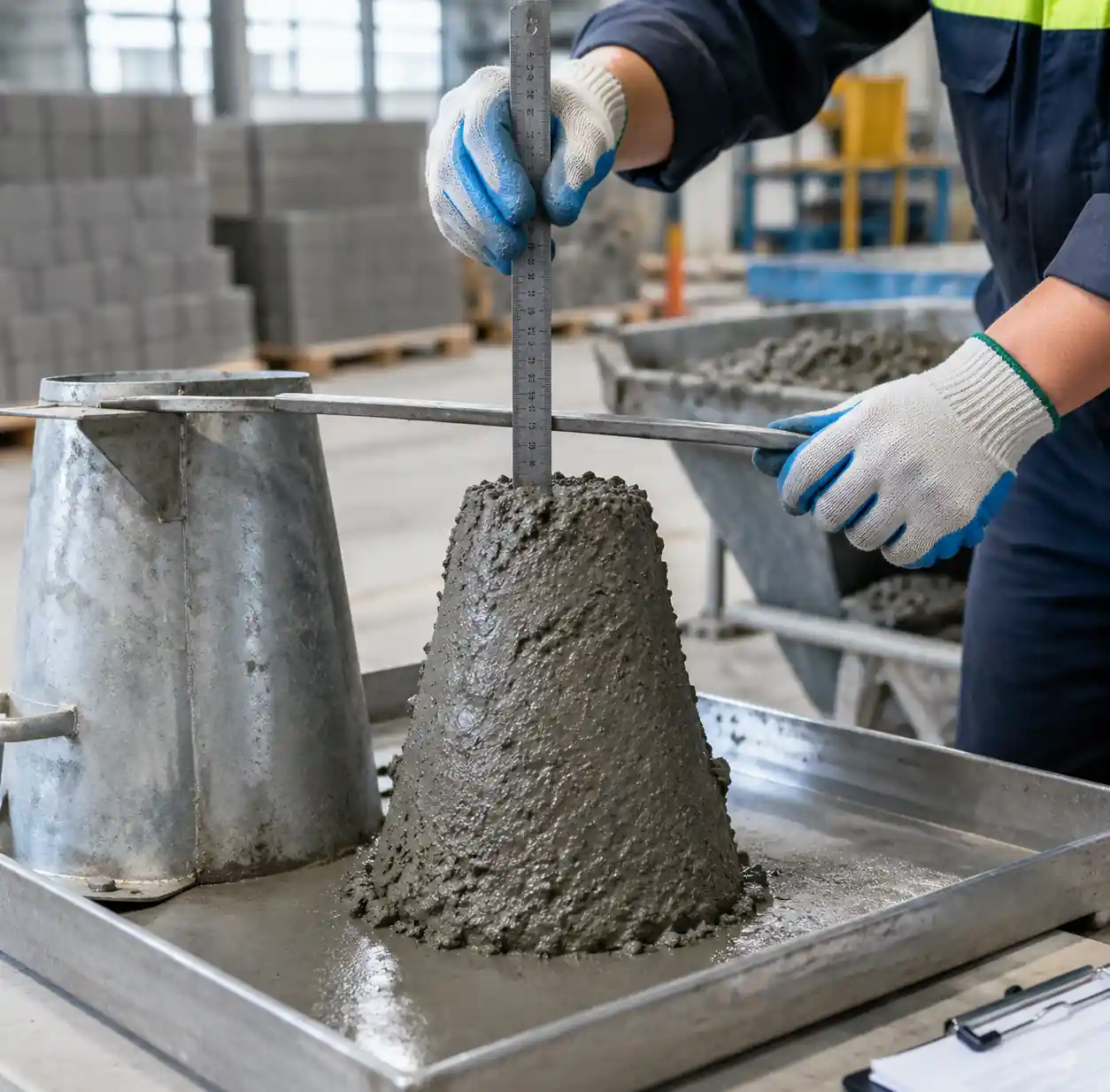
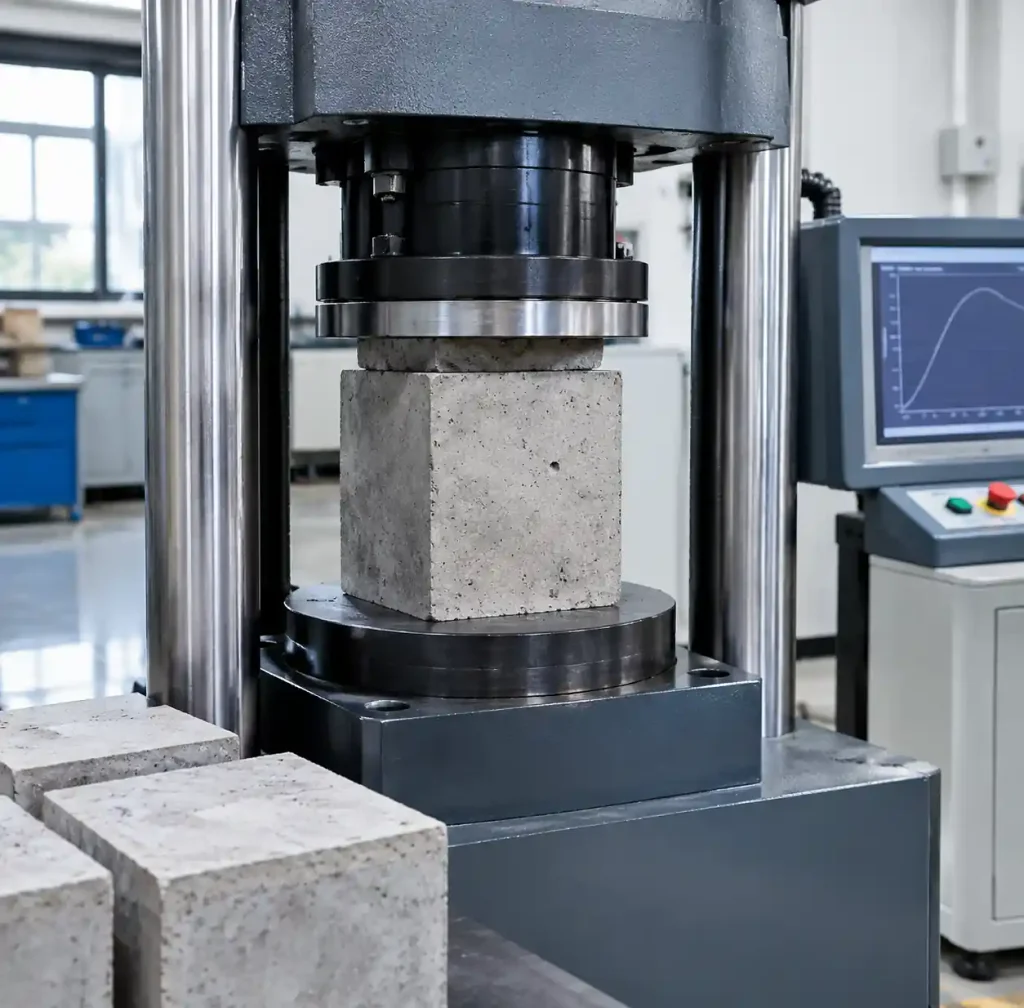
Test 3 blocks from every 10,000 units or daily production. Load at 140 kPa/second until failure. Design mixes to achieve 125-130% of specified strength to account for production variations.
Cost Optimization
Cement Content Strategy
Cement represents 60-70% of material expense. Each 50 kg/m³ reduction saves $4-7 per cubic meter but reduces strength by 2-3 MPa. Match mix design to actual requirements rather than over-specifying.
Local Materials
Transportation adds $0.20-0.50 per kilometer. Source within 30 km when possible. Partial cement replacement with 15-20% fly ash maintains strength above 12 MPa while reducing costs by 40-60%.
Common Problems and Solutions
Low Early Strength
Check water-cement ratio first—excessive water is the most common cause. Cold weather below 15°C slows hydration. Use Type III cement or accelerators during winter. Cover curing blocks with insulated blankets.
Surface Cracking
Plastic shrinkage occurs when surface water evaporates faster than bleed water rises. Mist blocks immediately after demolding. Use shrinkage-reducing admixtures at 1-2% by cement weight.
Inconsistent Density
Density variations above 5% indicate mixing or compaction problems. Check batching system calibration monthly. Monitor vibrator motor current—decreasing current indicates worn vibrators.
Advanced Techniques
Particle Packing
Modern mix design uses particle packing models to minimize voids. Fuller’s curve or modified Andreasen distribution provides optimal gradation for maximum density, reducing cement content by 10-15% while maintaining strength.
Performance Specifications
Specify requirements (14 MPa at 28 days, 5% water absorption) rather than prescriptive ratios. This allows optimization with local materials while meeting project standards.
الأسئلة الشائعة
What water-cement ratio produces the strongest blocks?
Use ratios between 0.35-0.40 for maximum strength. Lower ratios need plasticizers for compaction. Ratios above 0.45 create porosity limiting strength to 8-10 MPa regardless of cement content.
How does aggregate size affect strength?
Smaller aggregates (10mm maximum) produce stronger blocks because they compact better and create more contact points in the cement matrix. Aggregates below 6mm increase cement demand due to higher surface area.
Can I use fly ash without losing strength?
Yes, replace 15-25% of cement with fly ash while maintaining strength above 12 MPa. Fly ash costs 40-60% less than cement. Early strength will be lower, but 28-90 day strength matches pure cement mixes.
What causes blocks to fail strength testing?
Most failures result from excessive water-cement ratios (above 0.50), inadequate curing (less than 7 days), or poor compaction leaving voids. High-silt sand or low-grade cement also reduce strength by 20-30%.
How much do high-strength mixes increase costs?
Increasing from 10 MPa to 15 MPa adds $3-5 per cubic meter, primarily from higher cement content (350-400 kg/m³ vs 300 kg/m³). This translates to $0.03-0.04 per block.
Should I use crushed stone or river gravel?
Crushed stone produces 10-15% higher strength than rounded gravel because angular particles create better mechanical interlock. The strength gain justifies slightly higher cost ($2-4 per ton) for load-bearing production.
الخلاصة
High-strength concrete blocks require systematic mix design, proper proportioning, and quality control. Target water-cement ratios of 0.35-0.45, use well-graded aggregates under 10mm, and maintain 350-400 kg/m³ cement for strengths above 15 MPa.
Success depends on consistent batching, adequate mixing time (3-4 minutes), proper compaction, and minimum 7-day water curing. These fundamentals deliver reliable strength while controlling costs through optimized cement content and local materials.
If you need reliable block making equipment for high-strength production, Raytone Block Machinery offers automatic, semi-automatic, ، و الآلات اليدوية with precise vibration control designed for consistent quality. Our حلول شاملة include mixers, batching systems, and curing equipment optimized for high-capacity operations.
اتصل بنا اليوم for technical guidance on mix design, equipment selection, and production optimization.
Sources: