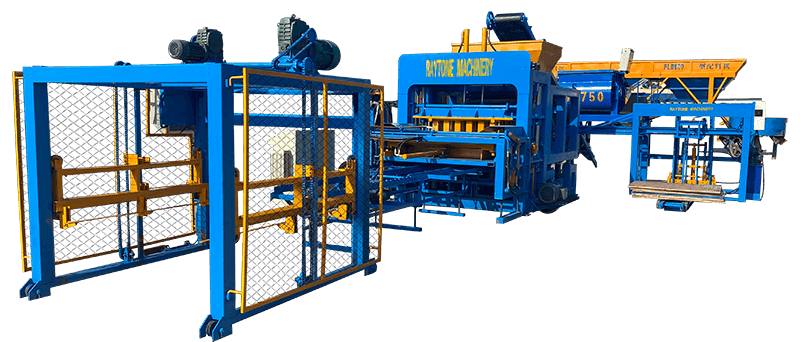






Untrained block machine operators cost manufacturers 35-45% more in material waste, equipment downtime, and safety incidents compared to properly trained personnel. A single hydraulic system failure from improper operation can result in $8,000-$15,000 in repairs and 2-3 days of lost production. Professional training transforms operational efficiency and protects your investment.
This guide covers the essential skills, safety certifications, maintenance procedures, and troubleshooting abilities required for competent block machine operation across manual, semi-automatic, and fully automatic systems.
Core Competencies for Block Machine Operators
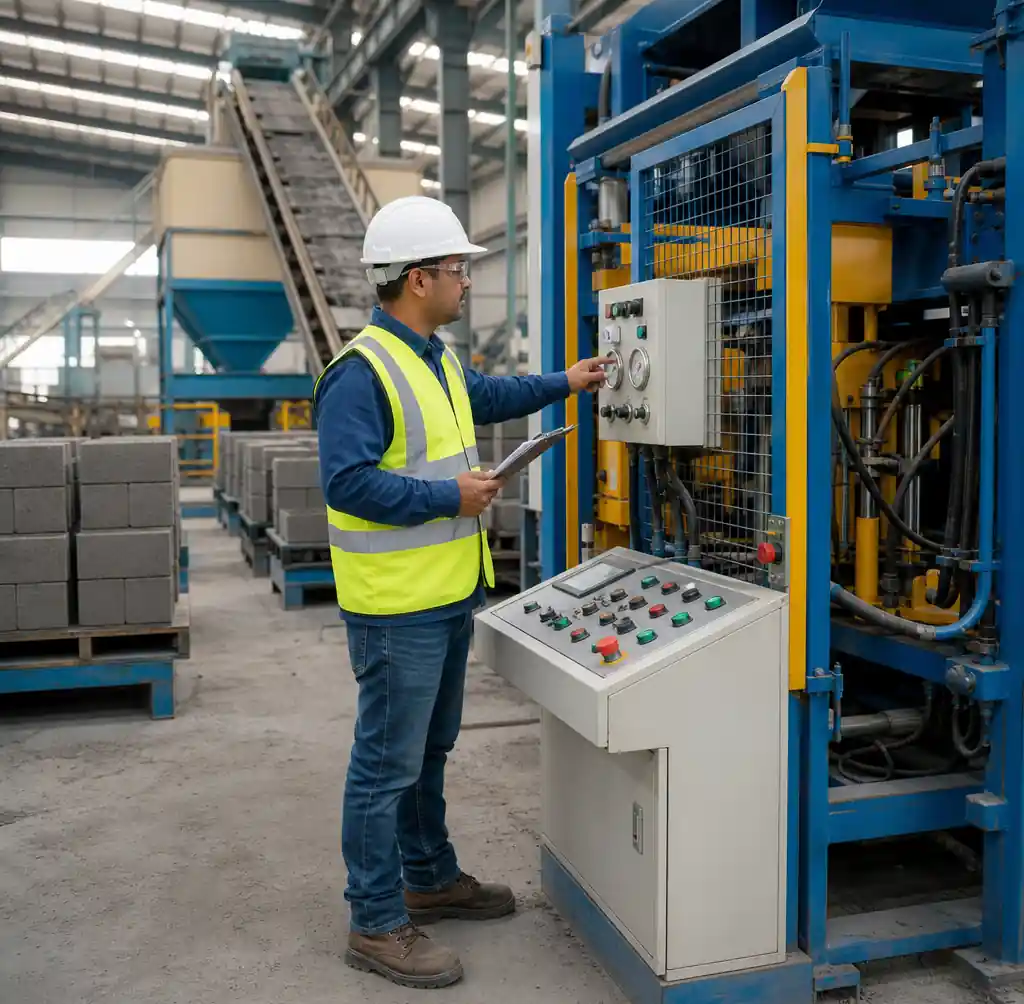
Block machine operation demands technical precision, safety awareness, and mechanical understanding. Operators control equipment generating 200-600 tons of compaction force while managing hydraulic systems at 160-250 bar pressure.
Competent operators produce blocks with density variation under 3%, maintain cycle times within specifications, and identify problems before failures occur. Training programs require 40-60 hours of classroom instruction with 80-120 hours of supervised practice.
Essential Operating Skills
Machine Setup and Preparation
Pre-shift inspection prevents 70-80% of operational failures. Operators verify hydraulic oil levels, check pressure readings, inspect mold condition, and confirm material feed systems. A semi-automatic block machine requires 15-20 minute setup, while fully automatic systems need 25-35 minutes.
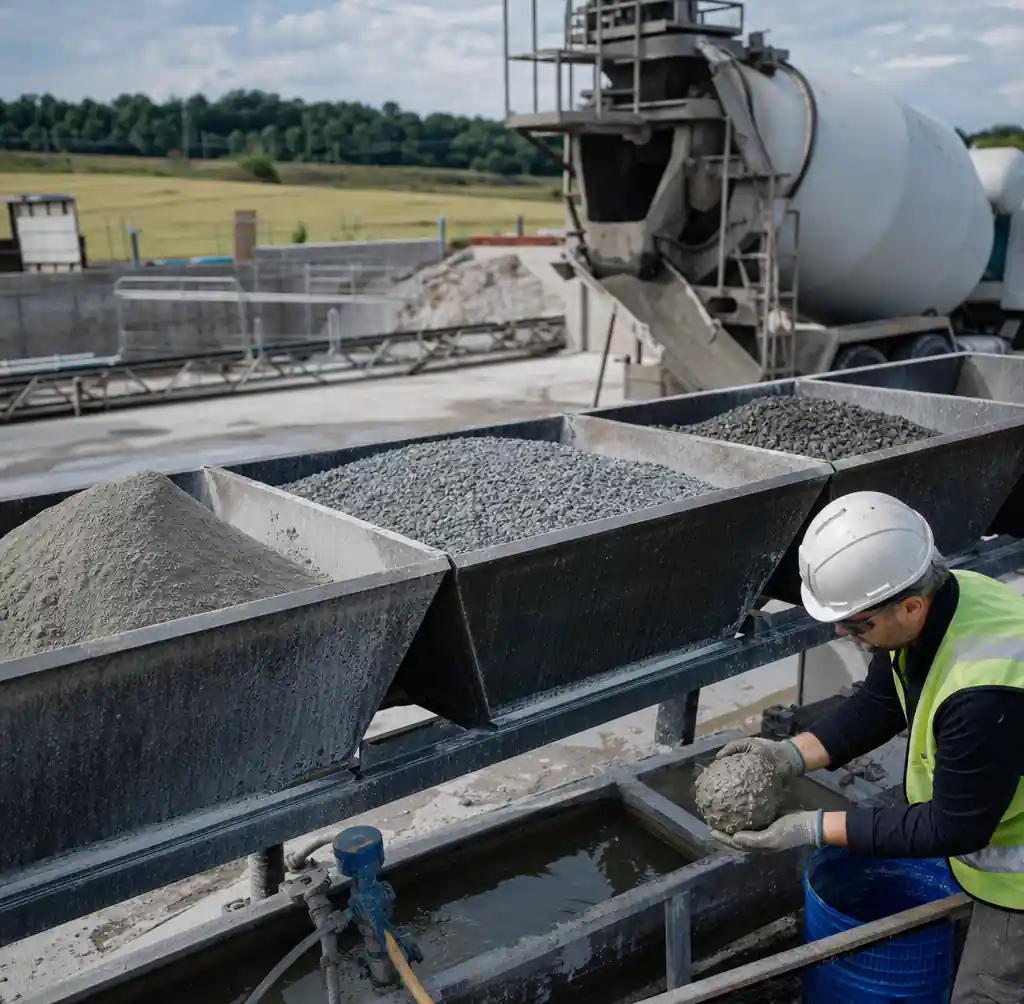
Material batching accuracy affects block strength. Operators learn proper cement-to-aggregate ratios, water content (6-8% by weight), and mixing times (90-180 seconds). Incorrect ratios cause 15-25% strength variation between batches.
Production Control and Quality Management
Trained operators maintain cycle consistency within ±2 seconds for semi-automatic machines and ±1 second for automatic systems. A 3-second delay costs 450-600 blocks per shift on machines producing 7,000-8,000 blocks daily.
Operators monitor compaction pressure, vibration duration, and mold release timing. Hydraulic pressure must stay within ±5% of specification. Fluctuations indicate seal leakage, contaminated oil, or valve problems requiring immediate attention.
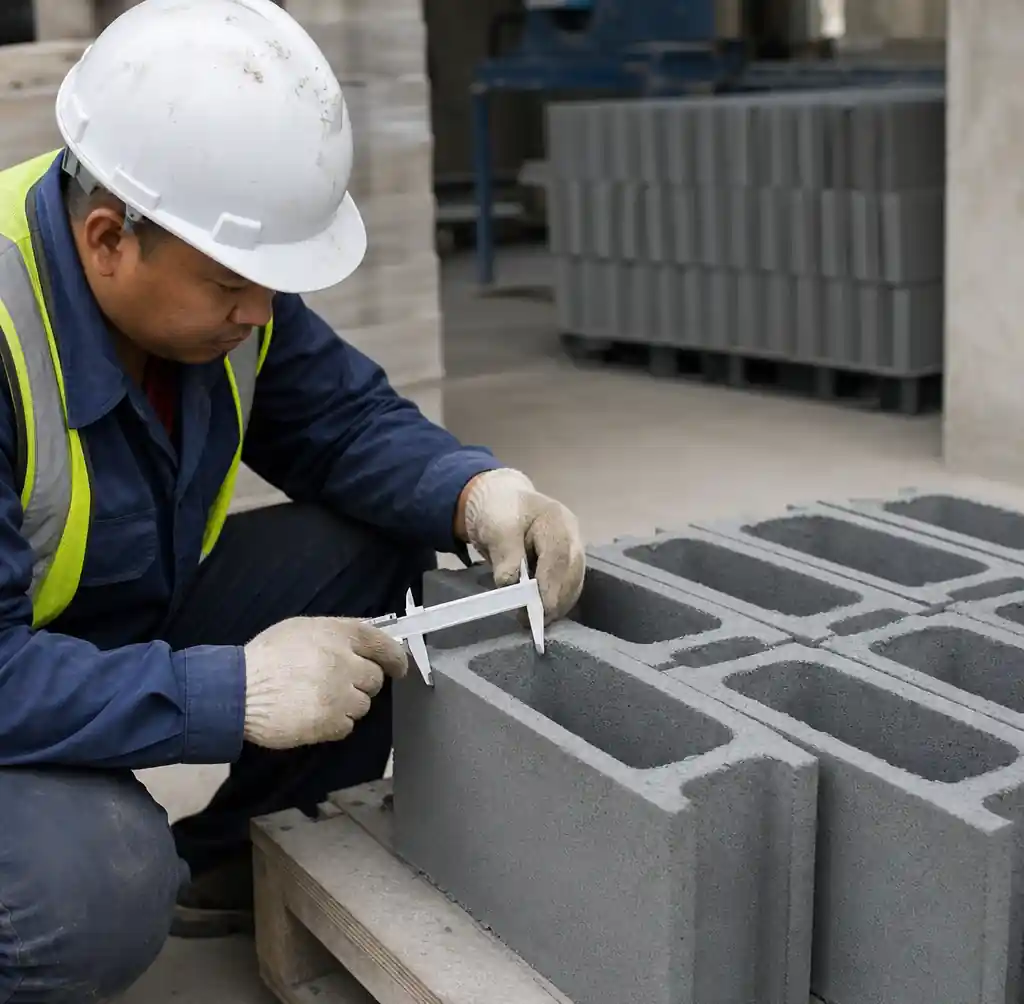
Quality verification includes dimensional checks (±2mm tolerance), visual inspection, and periodic compression testing. Identifying defects early prevents accumulating unusable blocks before discovering setup errors.
Hydraulic System Operation
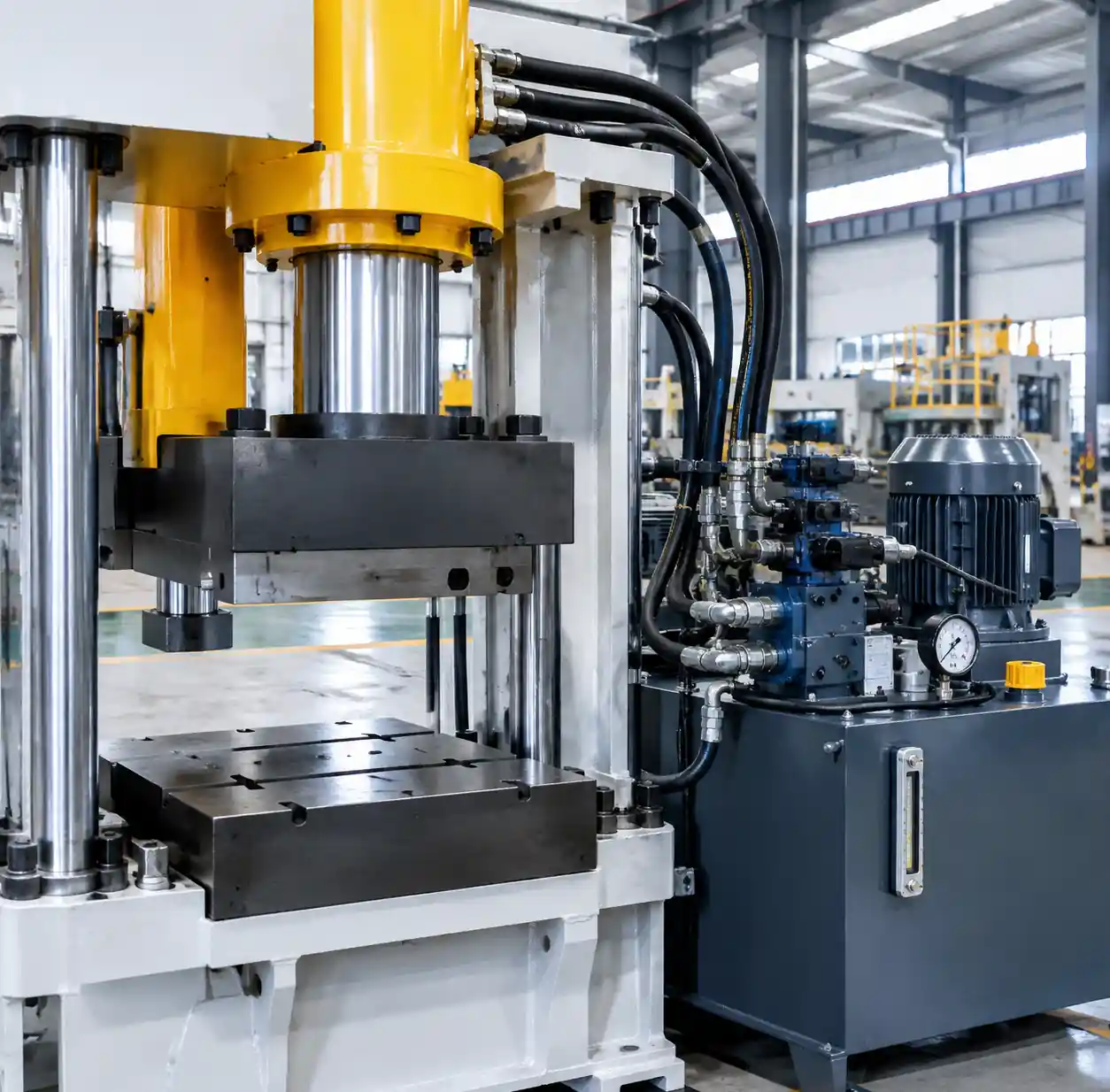
Understanding hydraulics separates competent operators from those causing accelerated wear. Operators recognize normal temperatures (45-55°C), identify abnormal sounds, and monitor oil condition through sight glasses.
Oil temperature exceeding 60°C signals problems—inadequate cooling, internal leakage, or excessive cycle rates. Operating above 70°C cuts oil life by 50-60%. Trained operators adjust production rates or activate cooling when temperatures rise.
Safety Certification Requirements
OSHA Compliance and Standards
Machine guarding, lockout/tagout procedures, and PPE requirements apply to all block production facilities. OSHA regulations mandate training for equipment generating over 150 PSI or 10,000 pounds of force.
Operators must complete lockout/tagout certification before maintenance. The CDC documented fatalities from improper energy isolation. Certification requires 8-16 hours covering energy sources, isolation procedures, and verification.
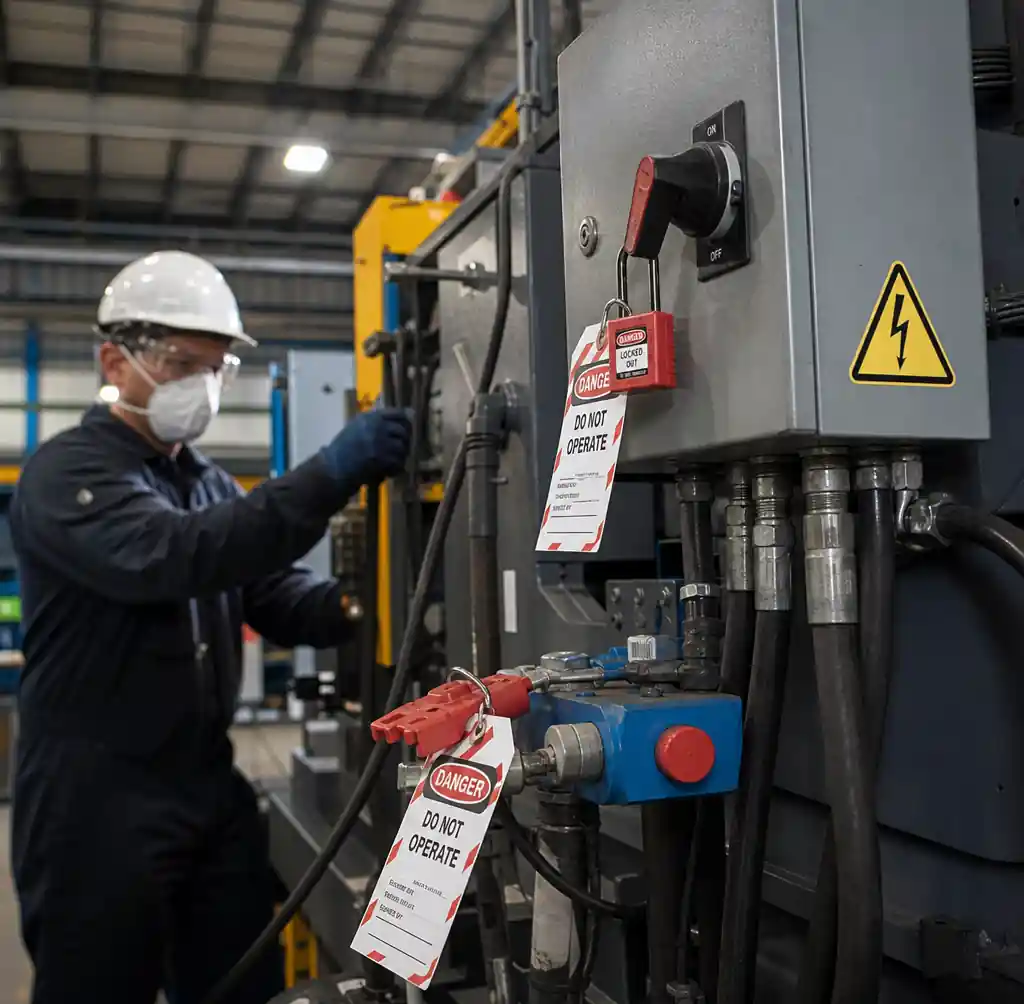
Equipment-Specific Safety Training
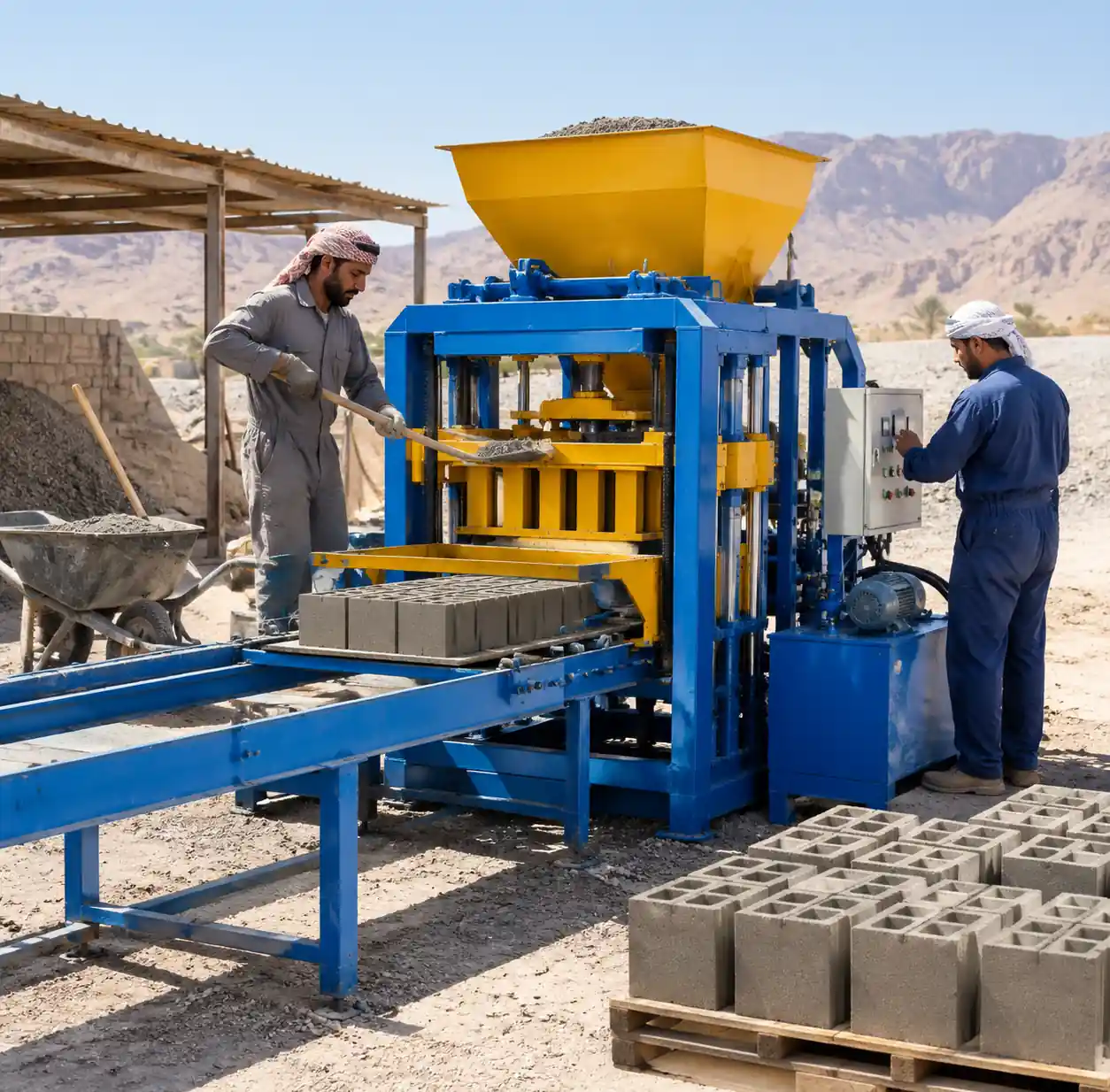
Each machine type requires specialized knowledge. Manual block machines involve material handling and mold placement risks. Semi-automatic and automatic systems present hydraulic pressure hazards and automated movement zones.
Training covers emergency stops (accessible within 2-3 seconds), safety interlocks, and restricted access zones during production.
Personal Protective Equipment Standards
| معدات السلامة | Manual | Semi-Auto | Automatic | Replacement |
|---|---|---|---|---|
| Steel-Toe Boots | Required | Required | Required | 6-12 months |
| Safety Glasses | Z87+ rated | Z87+ rated | Z87+ rated | Replace when scratched |
| Hearing Protection | 85+ dB | 90+ dB | 95+ dB | Daily/monthly inspection |
| Cut-Resistant Gloves | Required | Setup/changeover | Mold changes | When worn |
| High-Vis Vest | Multi-operator | Required | Required | When faded |
| Hard Hat | Overhead zones | Near conveyors | Automated lines | 5 years/after impact |
PPE serves as last defense after engineering controls and safe procedures.
Maintenance Training Components
Daily Inspection Procedures
Systematic daily checks prevent 60-70% of unscheduled downtime. Operators follow documented sequences covering hydraulic fluid levels, pressure gauge readings, unusual sounds, oil leaks, and material feed systems.
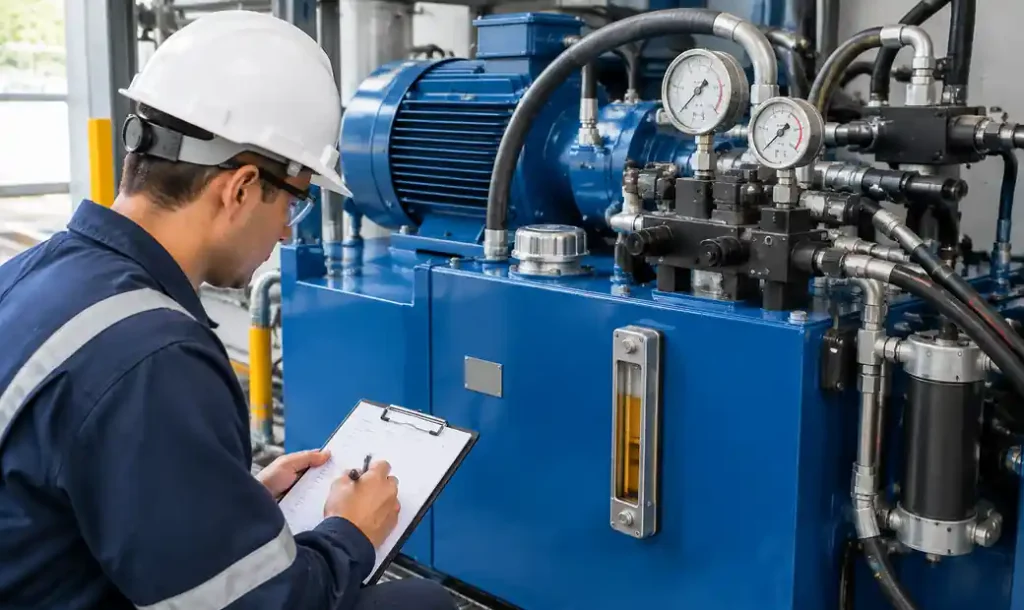
Hydraulic oil inspection requires checking reservoir sight glass. Clear amber indicates good condition. Cloudy or milky oil signals water contamination requiring immediate oil change. Dark brown indicates oxidation and impending damage.
Mold condition affects block quality. Operators inspect for concrete buildup, wear patterns, and release agent coverage. A mold with 2mm buildup creates tolerance problems and increases ejection force by 30-50%, risking hydraulic damage.
Preventive Maintenance Understanding
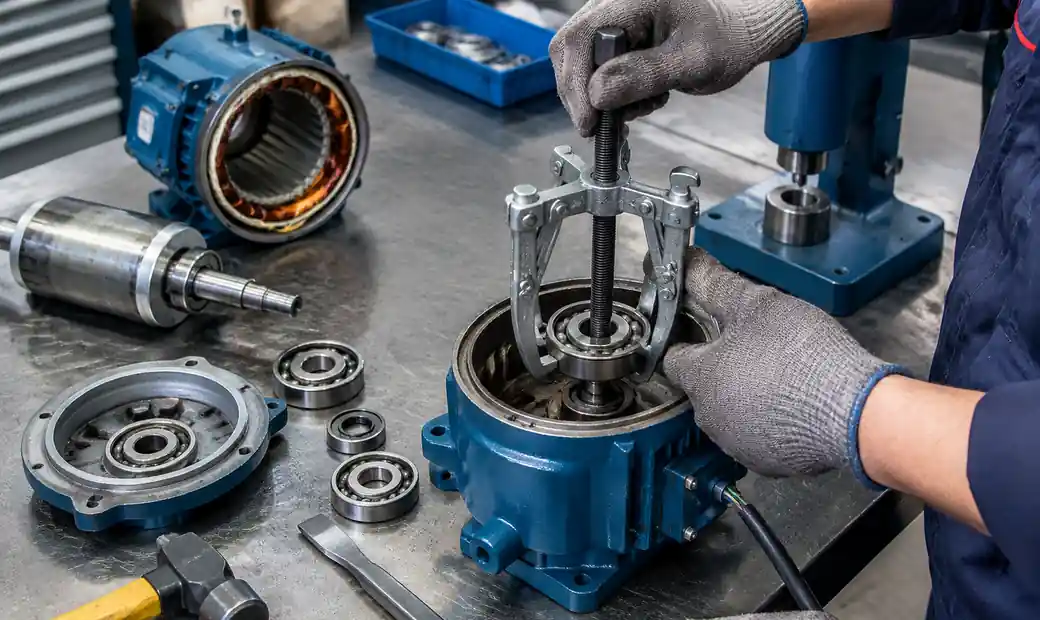
Operators trained in maintenance principles recognize early warnings preventing failures. Hydraulic whining sounds indicate pump cavitation from low oil, restricted filters, or air entrainment. Addressing this prevents pump replacement ($2,500-$5,000) versus a $50 filter change.
Temperature monitoring reveals developing problems. Oil consistently above 55-60°C suggests inadequate cooling, excessive cycles, or internal leakage. Early detection allows scheduled repair versus emergency shutdown during production.
Component replacement intervals vary by machine type. Hydraulic filters need changes every 300-500 hours. Main cylinder seals last 5,000-10,000 hours. Operators document intervals and alert maintenance teams before failure.
Troubleshooting Skills Development
Common Operational Issues
Trained operators diagnose first-line problems without maintenance intervention. Pressure drops of 10-15% often result from filter restriction. Checking pressure before and after filters identifies issues in 2-3 minutes versus extensive diagnosis.
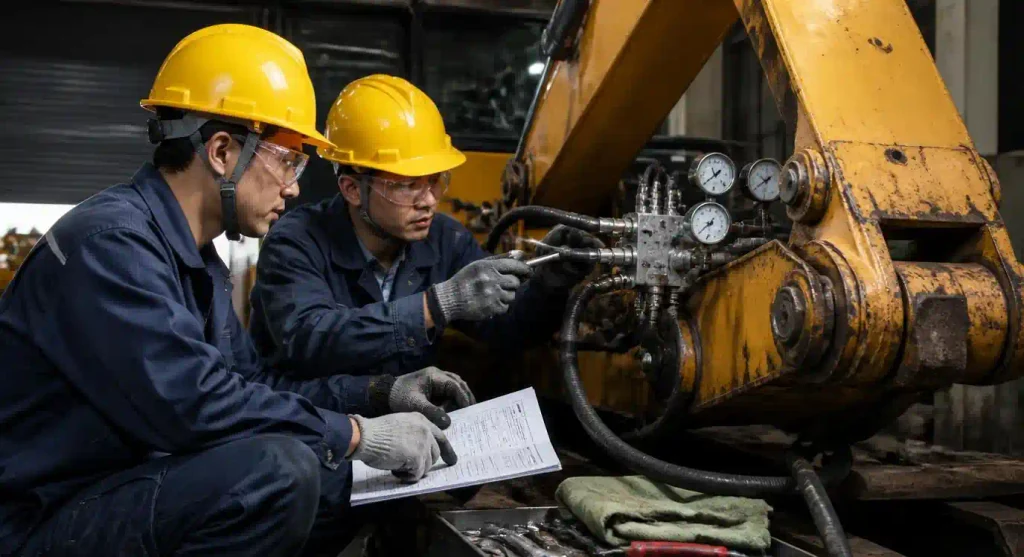
Block sticking signals insufficient release agent, mold damage, excessive moisture, or premature opening. Operators systematically check each factor rather than forcing ejection. Excessive ejection force damages molds and hydraulic components.
Dimensional variation requires methodical diagnosis. Mold wear, inconsistent pressure, variable moisture, and temperature all affect dimensions. Operators measure blocks, compare to specifications, and identify changed variables.
Hydraulic System Diagnosis
Hydraulic troubleshooting prevents 50-60% of maintenance calls. Slow cylinder movement despite normal pressure indicates restricted flow from contaminated oil, closed valves, or seal drag. Checking oil condition, filter pressure, and valve positions resolves most complaints.
Pressure fluctuations signal air in system, failing pump, or accumulator loss. Operators differentiate through patterns: air causes erratic movement, pump failure shows gradual decay, accumulator issues cause sudden drops.
Material and Mix Problems
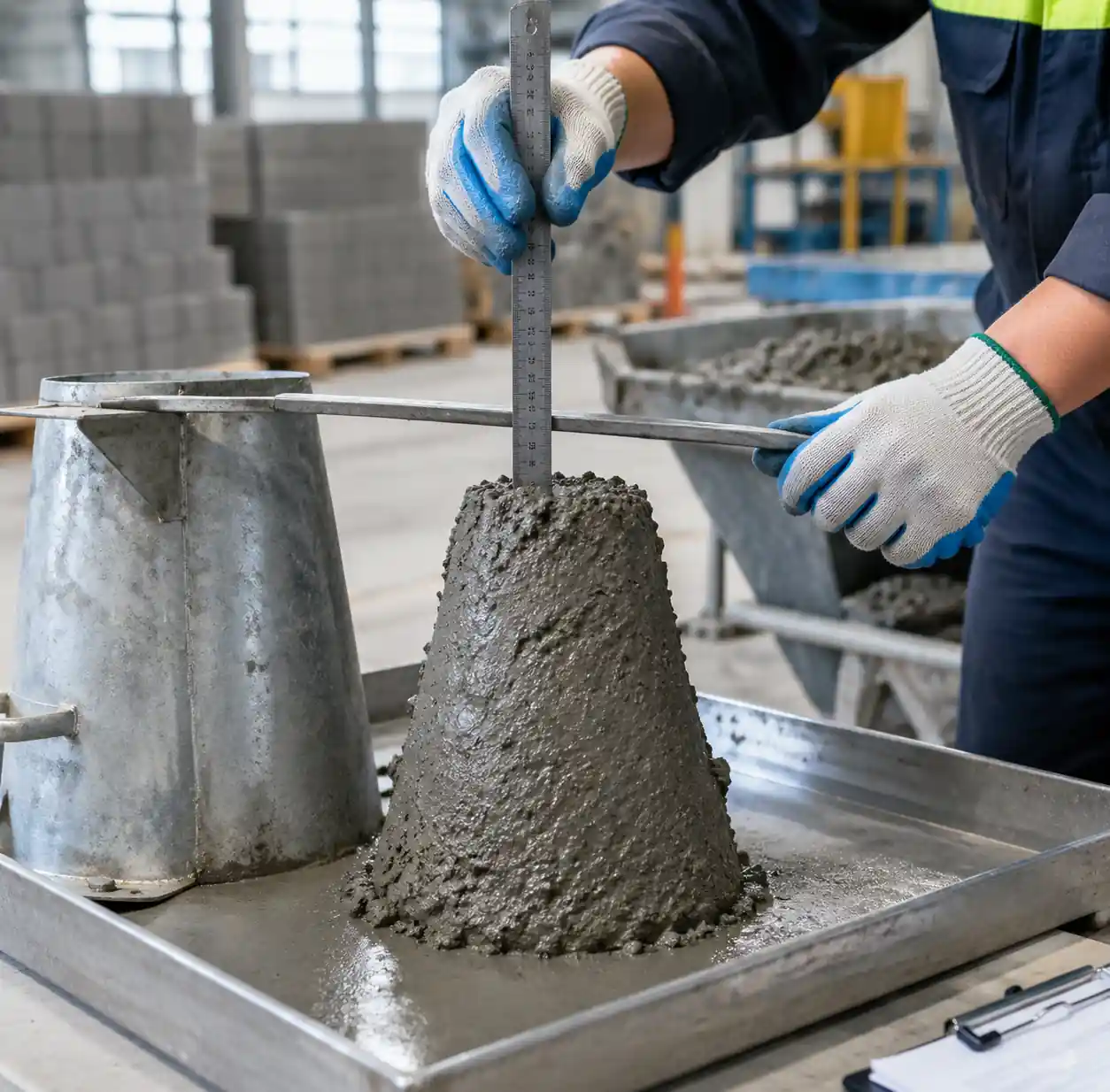
Mix consistency affects block quality and machine operation. Too-dry mix creates crumbly blocks and high ejection force. Too-wet mix causes defects, weak blocks, and sticking. Proper mix holds shape when compressed but crumbles when dropped.
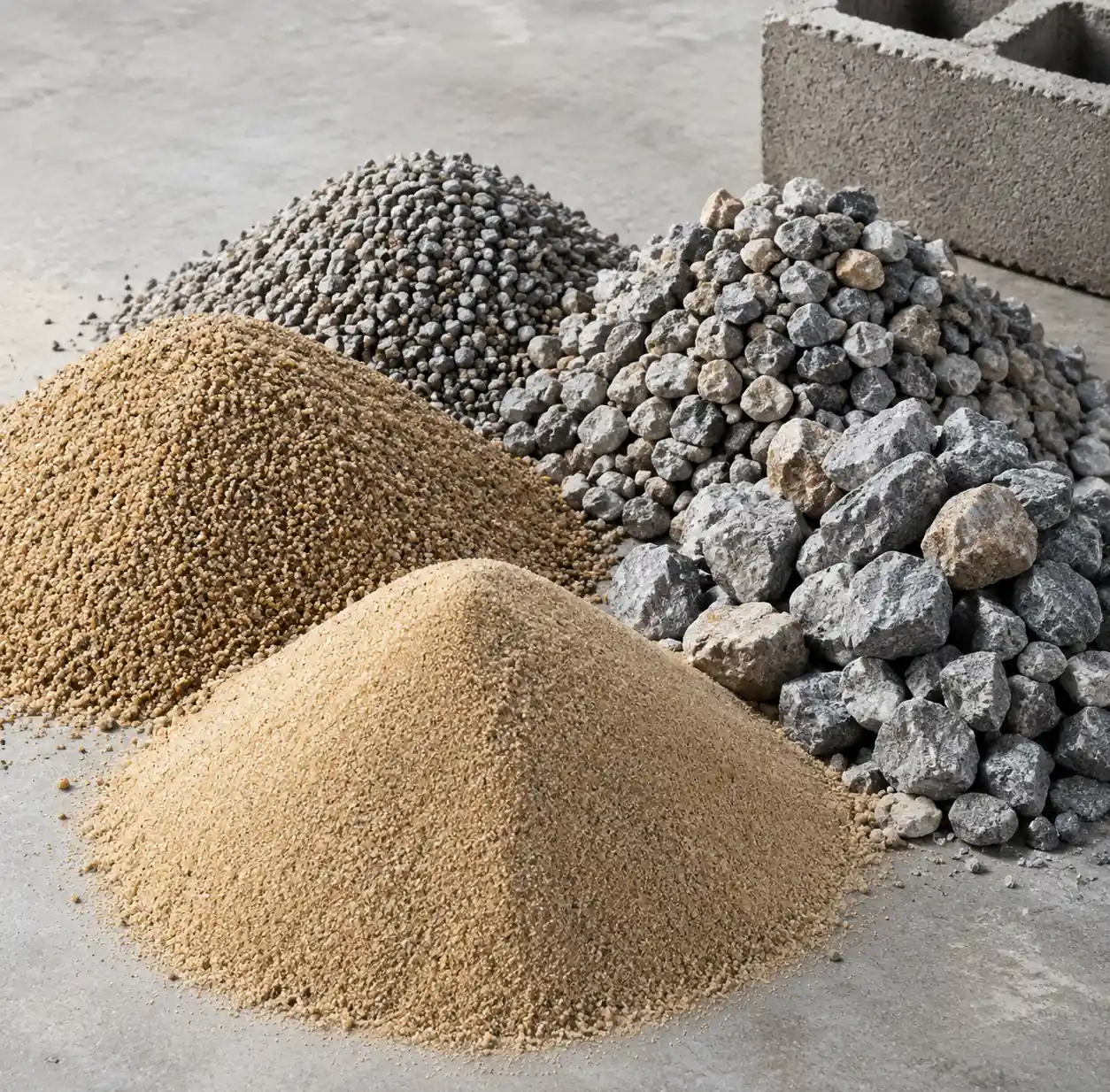
Aggregate gradation affects compaction. Excessive fines (under 1mm) require more cement and water, increasing costs 15-20% per block. Oversized aggregate creates voids. Material inspection before mixing prevents defective batches.
Productivity Optimization Training
Cycle Time Management
Training establishes optimal cycle parameters balancing output with quality. Rushing vibration by 2-3 seconds creates 10-15% strength reduction. Well-trained crews achieve 7,200-8,000 blocks per shift versus 5,500-6,500 for untrained operators—a 25-30% productivity difference.
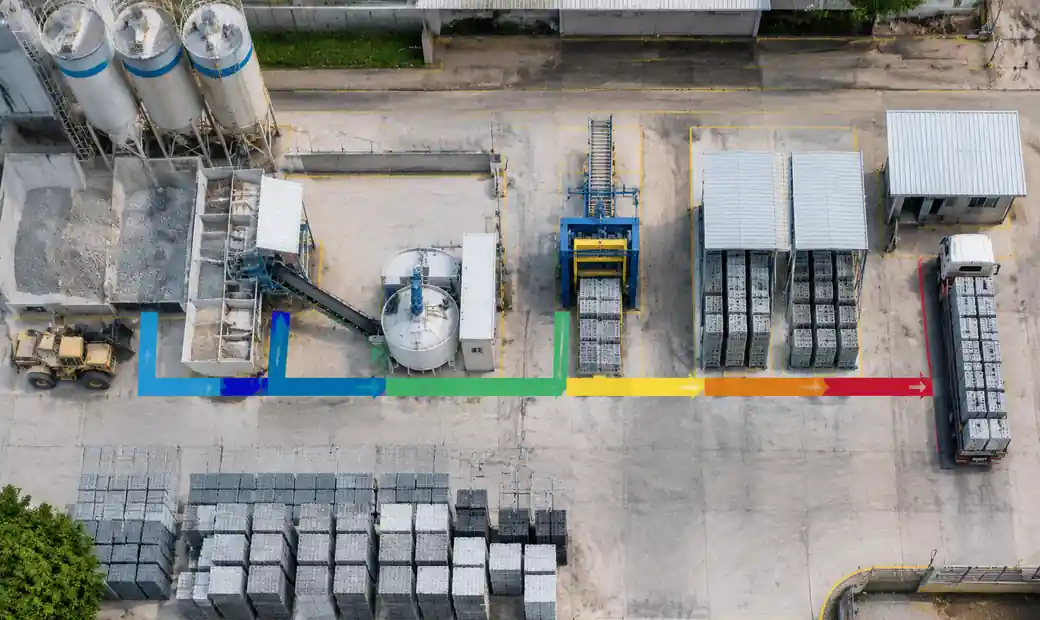
Material Flow Optimization
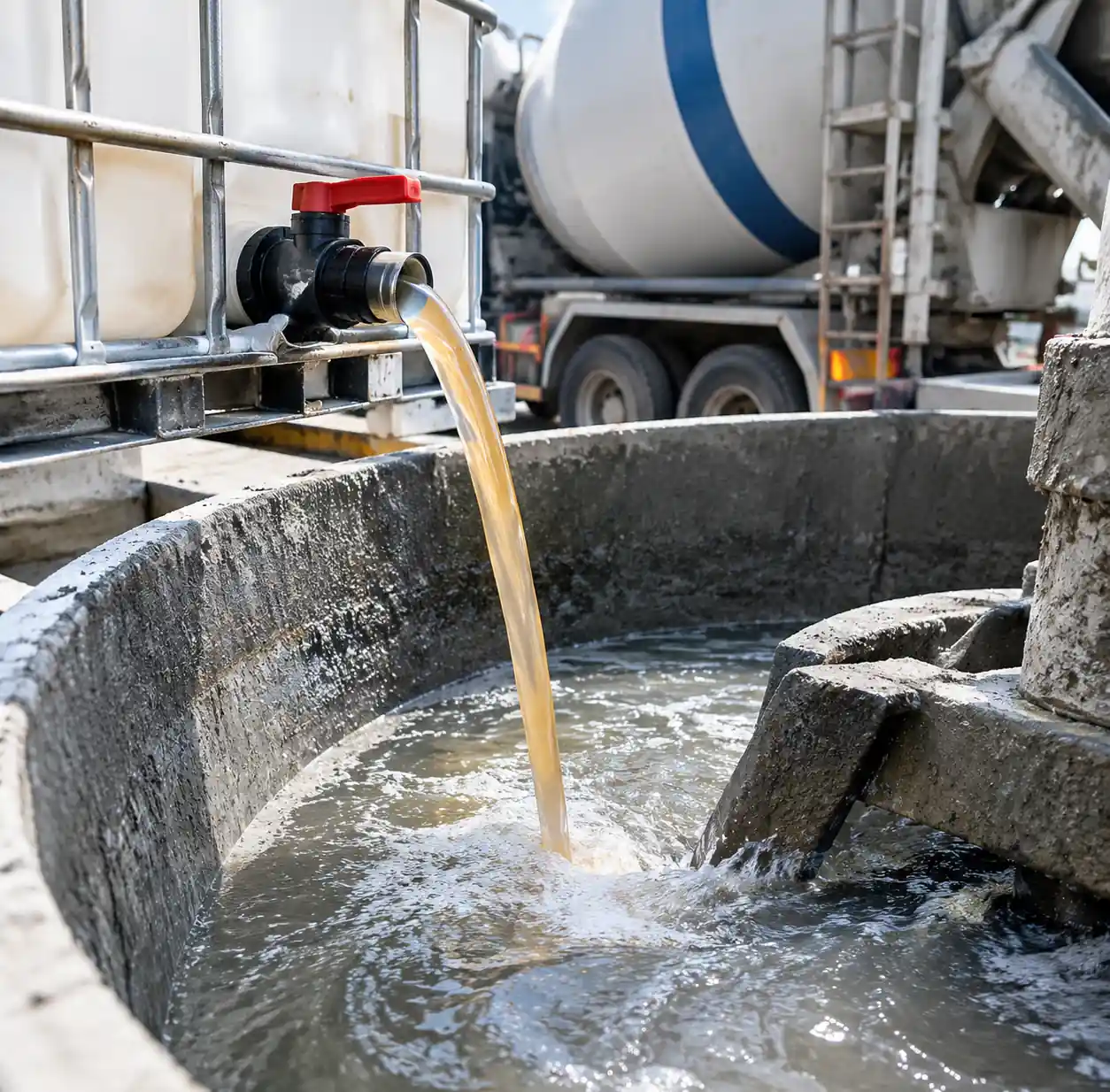
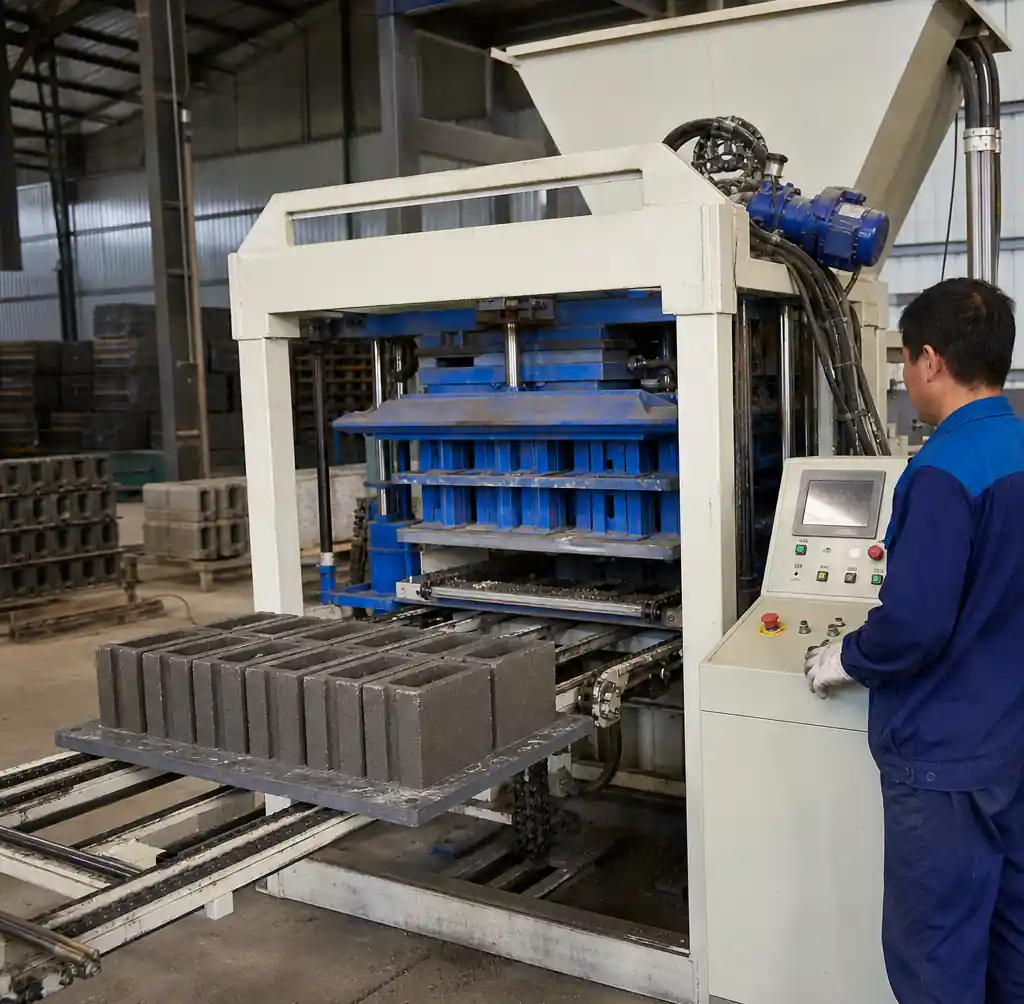
Consistent material supply prevents interruptions. A خلاط الخرسانة running continuously supplies material as needed. Stop-start operation wastes 8-12 minutes per hour.
Pallet management affects productivity significantly. Maintaining 40-60 clean pallets achieves 15-18 second cycles versus 22-28 seconds for those searching for pallets.
Mold Changeover Efficiency
Quick-change systems reduce changeover from 45-90 minutes to 15-25 minutes with proper training. Operators completing changes under 20 minutes maximize utilization versus those requiring 60+ minutes losing 90-120 blocks per changeover.
Training Program Structure
Classroom Instruction Requirements
Comprehensive training delivers 40-60 hours covering machine principles, hydraulic systems, safety protocols, and troubleshooting. Theory enables operators to diagnose problems rather than just follow procedures.
| Training Module | Duration | Key Topics | Assessment Method |
|---|---|---|---|
| Machine Overview & Safety | 8-12 hours | Equipment types, safety systems, PPE, OSHA compliance | Written exam (80% pass) |
| Hydraulic Systems | 6-10 hours | Components, pressure, troubleshooting, maintenance | Practical demo + written test |
| Production Operations | 12-16 hours | Setup, cycle management, quality control, batching | Hands-on evaluation |
| Maintenance Procedures | 8-12 hours | Inspections, preventive maintenance, documentation | Practical assessment |
| Quality Control | 4-6 hours | Tolerances, testing, defect identification | Inspection practical exam |
| Troubleshooting | 8-12 hours | Diagnosis, hydraulic issues, material problems | Case studies + practical test |
Programs combine instruction with demonstration. Operators learn why procedures matter for better real-time decisions.
Hands-On Training Duration
Supervised practical training requires 80-120 hours. آلة القطع اليدوية operators need 80-100 hours. Semi-automatic systems require 100-120 hours. Fully automatic lines need 120-160 hours.
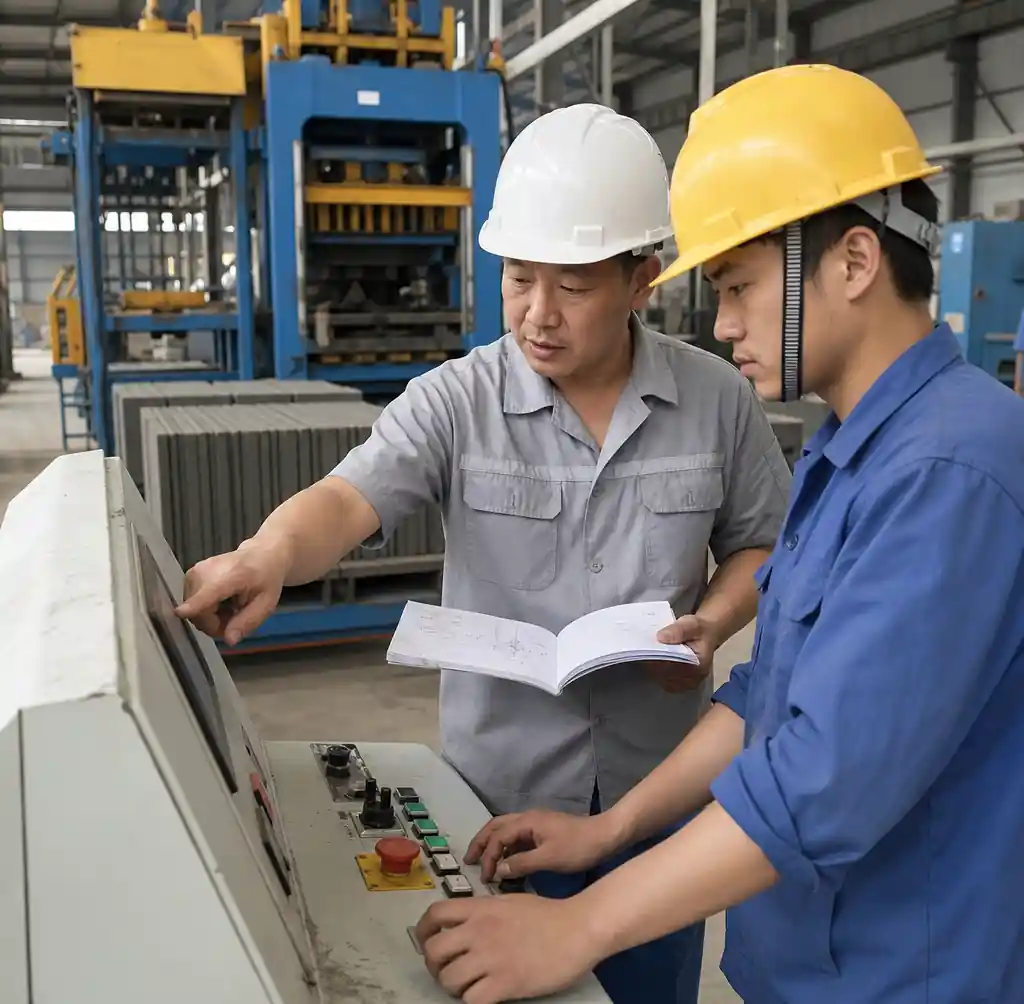
Progression includes observation and inspection (10-15 hours), supervised operation (30-40 hours), troubleshooting and optimization (30-40 hours), and independent operation (10-20 hours).
Ongoing Skills Development
Initial certification establishes baseline competency. Quarterly refresher training (4-8 hours) covers new equipment features, updated safety protocols, and advanced troubleshooting.
Cross-training on multiple machine types increases flexibility. Multi-machine certification typically requires 60-80 additional hours beyond initial training.
Certification Pathways
Equipment Manufacturer Certification
Manufacturers like Raytone Block Machinery offer equipment-specific training covering operational procedures, maintenance requirements, and troubleshooting for model series like QT4-24, QT8-15, or QT12-15. Manufacturer certification requires 40-60 hours and passing practical and written exams.
Industry and Safety Certifications
Recognized certifications enhance operator qualifications:
- OSHA 10-Hour Construction Safety: General construction hazards and PPE requirements
- Lockout/Tagout Authorized Personnel: Energy isolation procedures (8-16 hours, annual refresher required)
- Hydraulic Systems Fundamentals: Technical certification covering principles and troubleshooting (16-24 hours)
- Quality Control Technician: Material testing and dimensional verification procedures
Operator Documentation
Facilities document qualifications through training records, skill assessments (every 6-12 months), safety records, production quality metrics, and maintenance logs. This proves compliance during safety audits or quality certifications.

الأسئلة الشائعة
How long does block machine operator training take?
Comprehensive training requires 120-180 total hours: 40-60 hours classroom plus 80-120 hours supervised practice. Manual machines need 120-140 hours while fully automatic systems require 150-180 hours.
What safety certifications do operators need?
Minimum requirements include OSHA 10-Hour Construction Safety and lockout/tagout authorization. Facilities may require manufacturer-specific training, hydraulic systems certification, and quality control procedures.
Can operators work on multiple machine types?
Yes. After initial certification (120-180 hours), additional machine training requires 60-80 hours per type. Cross-training maintains production continuity during equipment maintenance.
What’s the difference between manufacturer and generic training?
Manufacturer training covers equipment-specific procedures and troubleshooting for particular models, achieving 15-25% higher production efficiency. Generic training teaches general principles applicable across equipment types.
How often do operators need refresher training?
Annual refresher for safety certifications. Quarterly operational training (4-8 hours) maintains skills and introduces updates. Major retraining (20-40 hours) applies for new equipment or system upgrades.
What efficiency improvements result from proper training?
Trained operators achieve 25-35% higher output, 30-40% less waste, 40-50% lower maintenance costs, and 60-70% fewer safety incidents. Training investment recovers within 2-4 months.
الخلاصة
Professional block machine operator training transforms production efficiency, equipment longevity, and workplace safety through technical knowledge, hands-on skills, and troubleshooting ability.
Training programs delivering 120-180 hours produce operators achieving 25-35% higher productivity, 30-40% less material waste, and 60-70% fewer safety incidents. Investment recovers within 2-4 months through operational improvements.
Raytone Block Machinery provides حلول شاملة from manual to fully automatic systems with comprehensive operator training and technical support. Our programs cover operational aspects, maintenance procedures, and troubleshooting protocols for maximum productivity and equipment longevity. اتصل بنا اليوم for equipment specifications and training details.