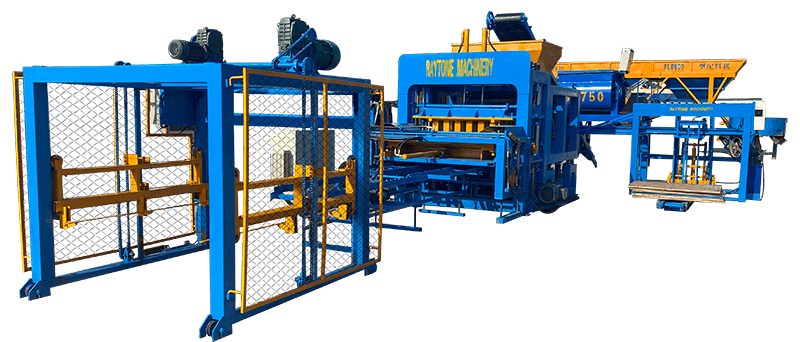
Construction and demolition waste generates 1.3 billion tons of material annually worldwide, with only 30-40% recycled despite recyclable content exceeding 70%. Recycled aggregate concrete technology now enables block production using 50-100% recycled materials, reducing carbon emissions 45-60% while cutting raw material costs 30-50% compared to traditional manufacturing.
Recent research in sustainable construction confirms blocks incorporating fly ash, recycled plastic, and construction waste aggregates achieve compressive strengths of 15-35 MPa—sufficient for load-bearing applications while diverting millions of tons from landfills annually.
This guide examines recycled materials technology, production methods, performance characteristics, and business implementation for eco-friendly block manufacturing.
Why Recycled Materials Transform Block Production Economics
Traditional block manufacturing consumes 150-200 kg of virgin cement and aggregate per cubic meter, generating 180-220 kg CO₂ emissions. Recycled aggregate technology replaces 30-100% of natural materials with construction waste, fly ash, and plastic waste, reducing both environmental impact and operating costs.
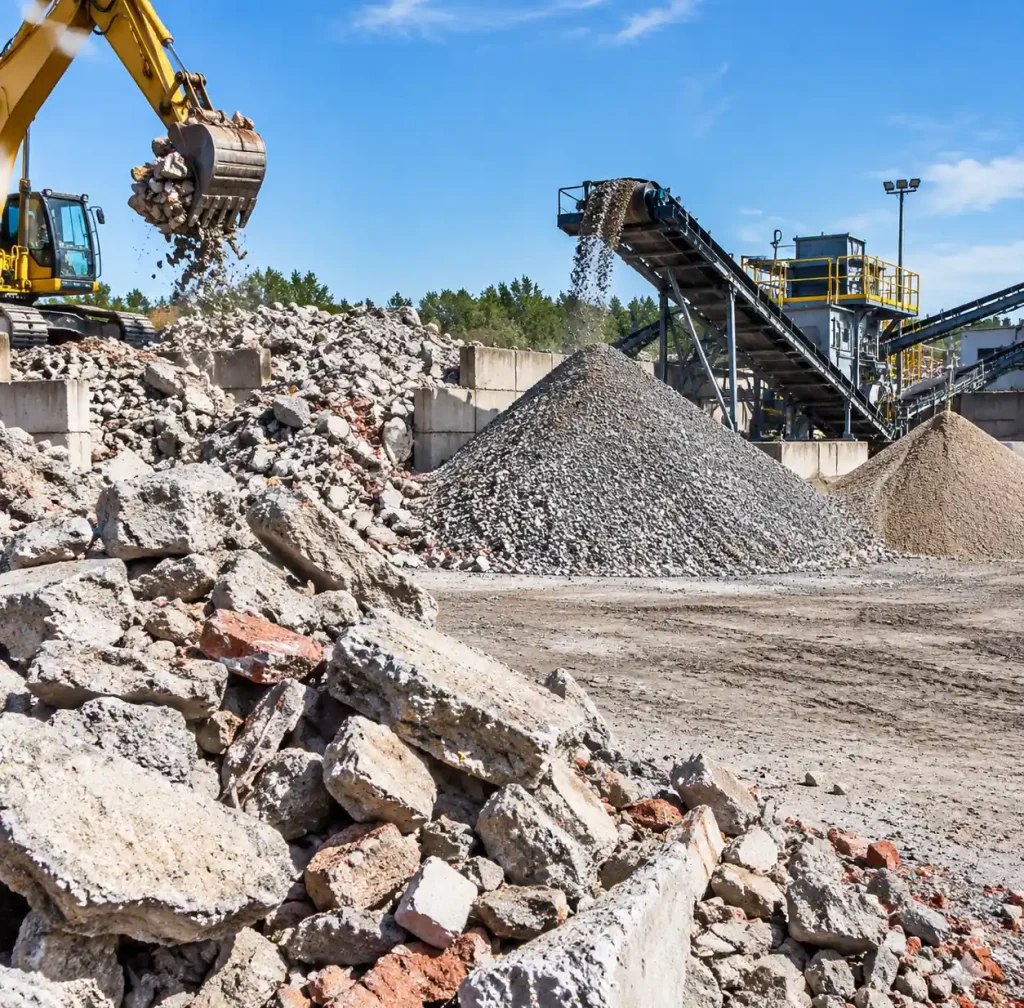
Studies on circular economy construction document production cost reductions of 25-45% when using recycled content versus conventional methods. Material savings combine with eliminated disposal fees and potential carbon credits to improve profitability while meeting sustainability targets.
| Cost Component | Traditional Blocks | 30% Recycled Content | 60% Recycled Content | Cost Reduction (60%) |
|---|---|---|---|---|
| Cement (per m³) | $85-120 | $60-85 | $40-65 | 40-54% |
| Aggregate | $45-70 | $30-50 | $15-30 | 57-67% |
| Waste disposal avoided | $0 | $8-15 | $15-28 | Revenue gain |
| Energy consumption | $18-26 | $15-22 | $12-18 | 31-50% |
| Total per m³ | $148-216 | $113-172 | $82-141 | 35-45% |
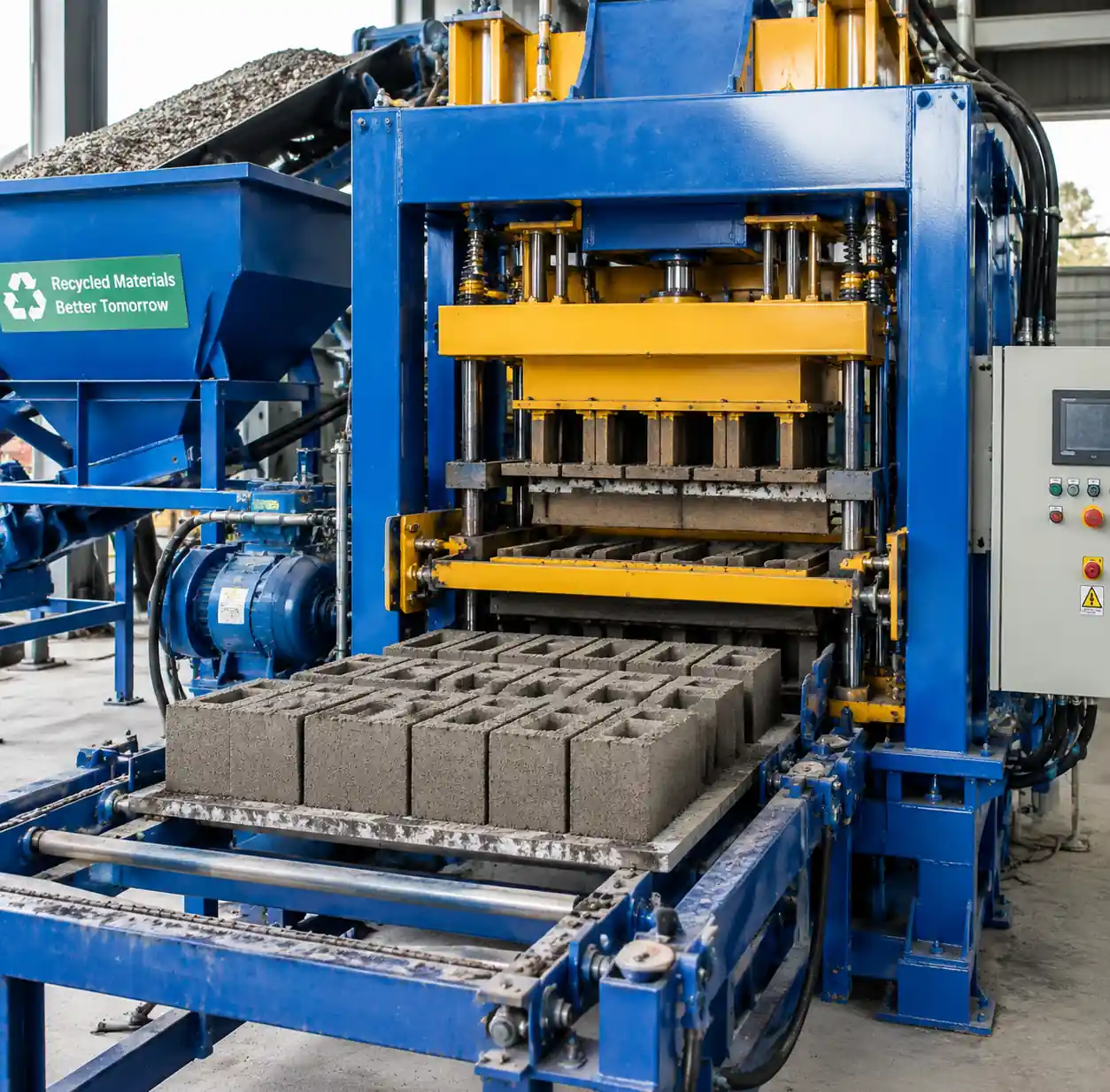
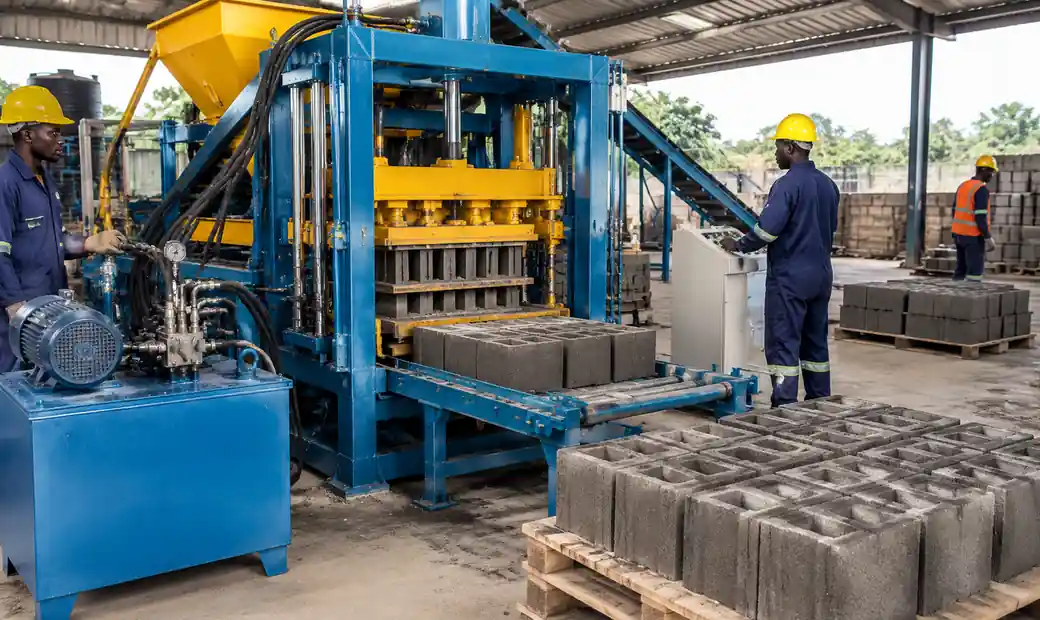
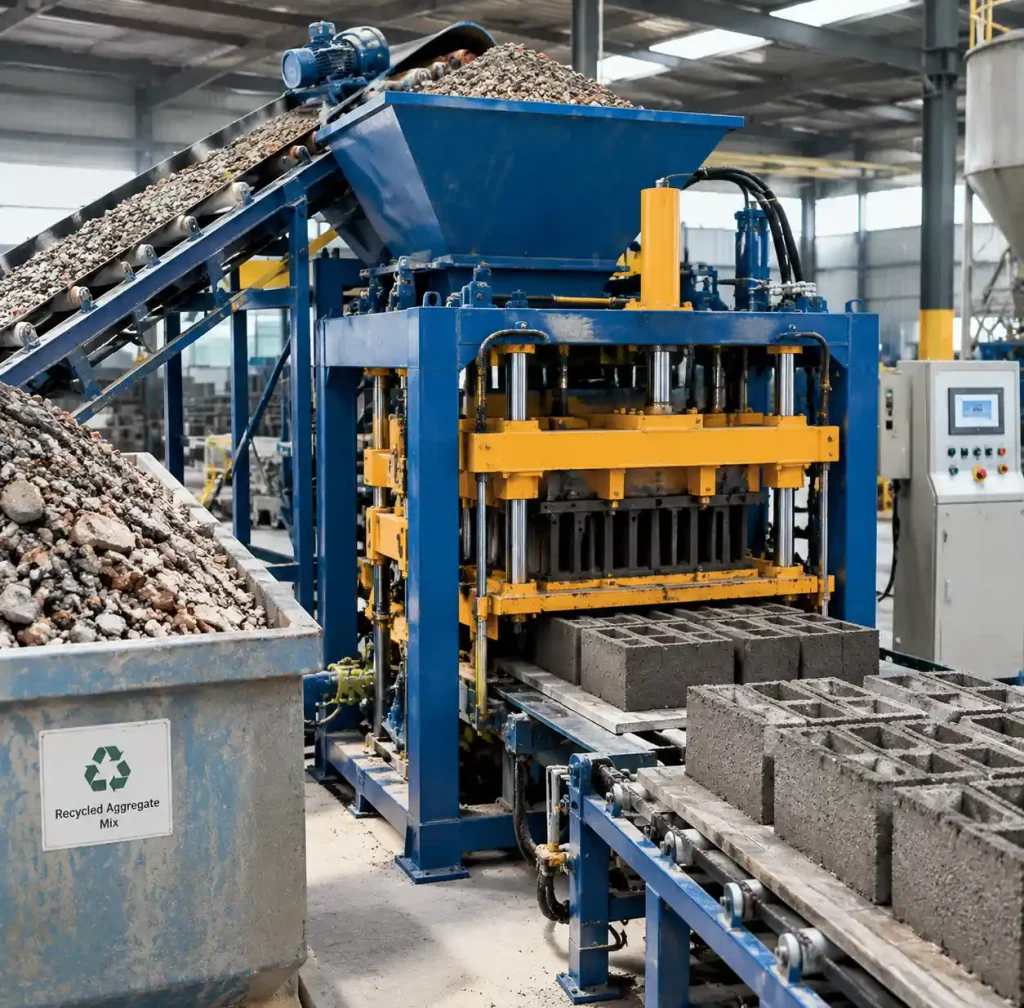
Semi-automatic block machines process recycled aggregates effectively with minimal equipment modification, while automatic production lines handle material variability through sensor-controlled dosing systems.
Key Recycled Materials for Block Production
Eco-friendly block manufacturing integrates four primary recycled material categories: construction waste aggregates, industrial by-products, plastic waste, and agricultural residues. Each material requires specific processing and offers distinct performance characteristics.
Recycled Concrete Aggregate (RCA)
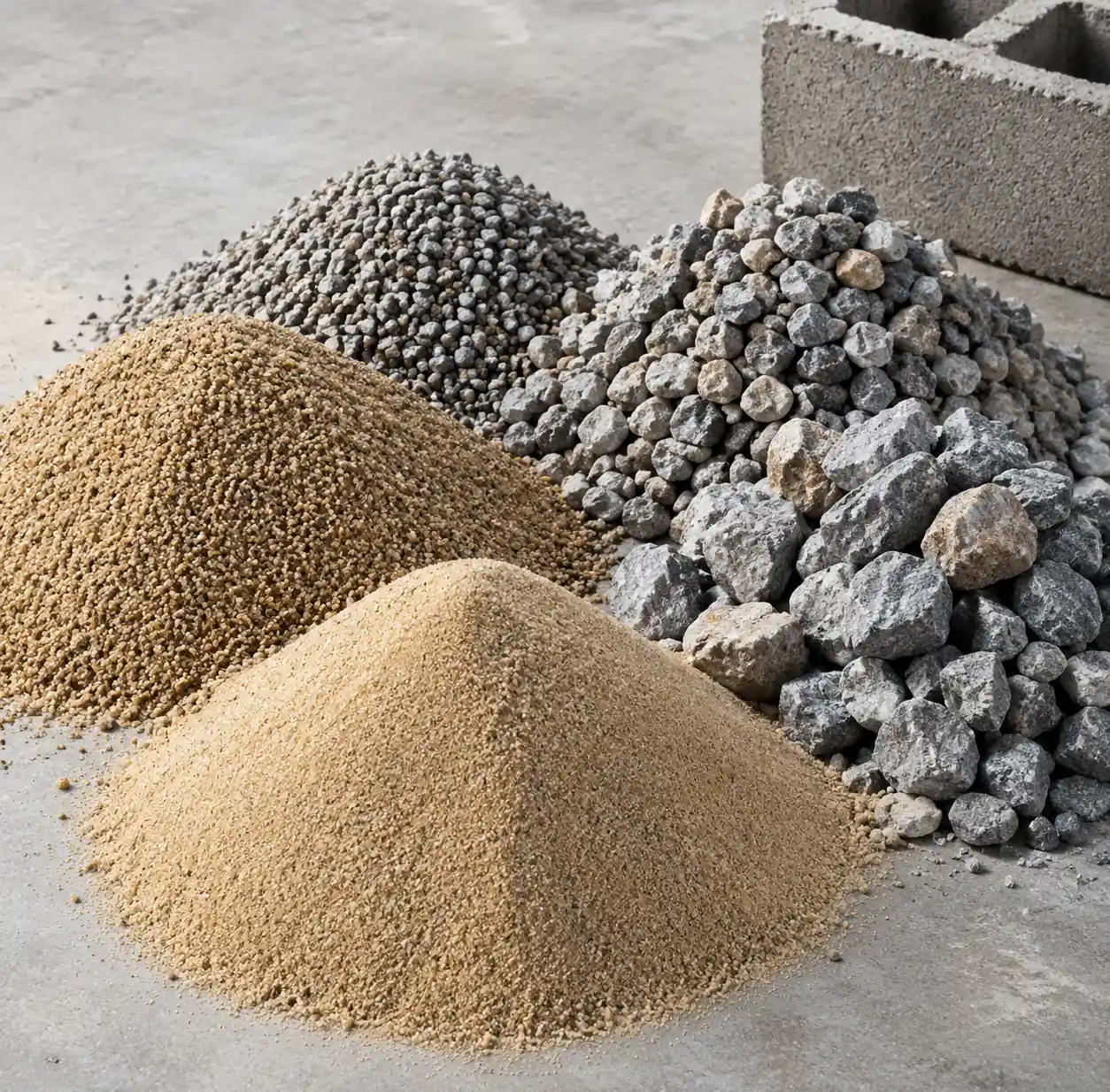
Crushed concrete from demolition sites provides coarse and fine aggregates after screening and contaminant removal. Recycled aggregate performance research shows properly processed RCA achieves 85-95% of natural aggregate strength when replacing up to 50% of virgin materials.
RCA characteristics include 15-25% higher water absorption than natural aggregate, requiring adjusted water content in mix designs. Material processing involves crushing to 5-25mm size, magnetic separation for steel removal, and washing to eliminate fine dust and organic matter.
Blocks using 30-50% RCA maintain 20-30 MPa compressive strength suitable for load-bearing walls. Higher RCA percentages (60-80%) work effectively for non-structural applications like partition walls or paving blocks. The key consideration is particle grading—maintain continuous gradation from fine to coarse for optimal density.
Fly Ash and Industrial By-Products
Coal combustion fly ash replaces 15-40% of cement content while improving workability and long-term strength. Fly ash block technology demonstrates 25-35 MPa compressive strength at 28 days when using 30% fly ash replacement with proper curing protocols.
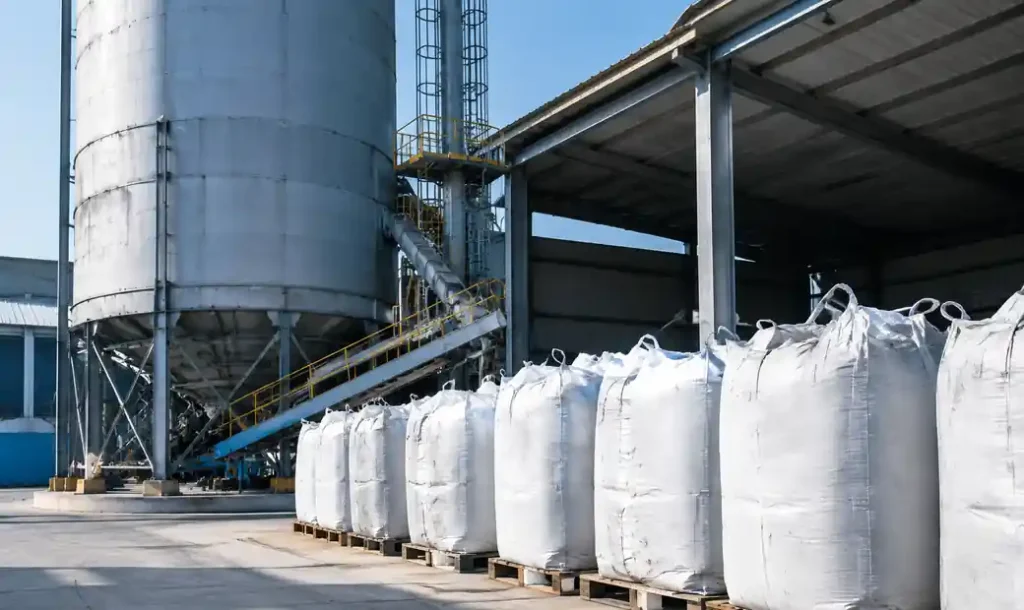
Class F fly ash (low calcium) performs best in structural blocks, providing pozzolanic reaction that continues strengthening for 90+ days. Class C fly ash (high calcium) offers faster early strength but requires careful quality control to prevent expansion issues.
Slag from steel production, silica fume, and rice husk ash function similarly as supplementary cementitious materials. These materials reduce cement consumption 20-40%, cutting CO₂ emissions proportionally while often improving durability characteristics like sulfate resistance and reduced permeability.
Recycled Plastic Waste
Shredded plastic replaces 5-15% of fine aggregate in non-structural and paving blocks. Plastic waste integration research confirms blocks incorporating 10% recycled LDPE or PET maintain adequate compressive strength (12-18 MPa) for pedestrian paving while reducing density 8-12%.
Plastic content above 15% significantly reduces compressive strength and requires careful application selection. The material provides freeze-thaw resistance and reduces water absorption, making it valuable for exterior applications in cold climates.
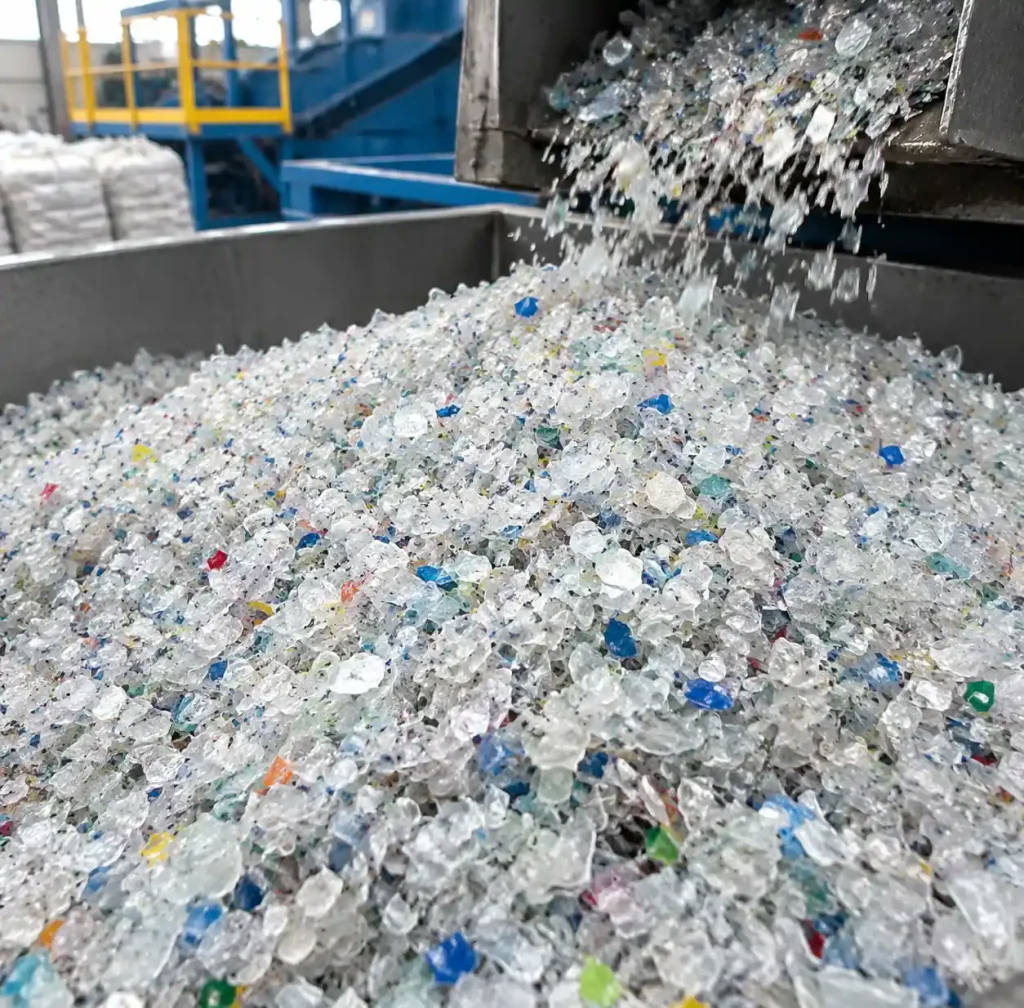
Processing requirements include washing, drying, and shredding to 2-8mm particles. Uniform particle size distribution prevents weakness zones. PET (polyethylene terephthalate) from bottles performs better than mixed plastics due to consistent properties and higher melting point.
Agricultural and Organic Waste
Rice husk ash, sugarcane bagasse ash, and coconut shell particles replace 10-20% of materials in non-load-bearing blocks. These materials offer thermal insulation benefits, reducing building cooling energy 15-25% compared to dense concrete blocks.
Limited to interior partition walls or insulation blocks due to lower strength (8-15 MPa) and moisture sensitivity. Proper treatment including burning and grinding to fine particle size (<150 microns) ensures consistent performance.
Production Technology for Recycled Content Blocks
Manufacturing blocks with recycled materials requires process adjustments compared to conventional production. Material preparation, mix design modification, and quality control become critical success factors.
Material Processing and Preparation
Recycled aggregates demand thorough screening and separation to remove contaminants like wood, plastic, gypsum, and organic matter. Construction waste processing technology shows contamination levels must remain below 2% by mass to avoid strength and durability problems.
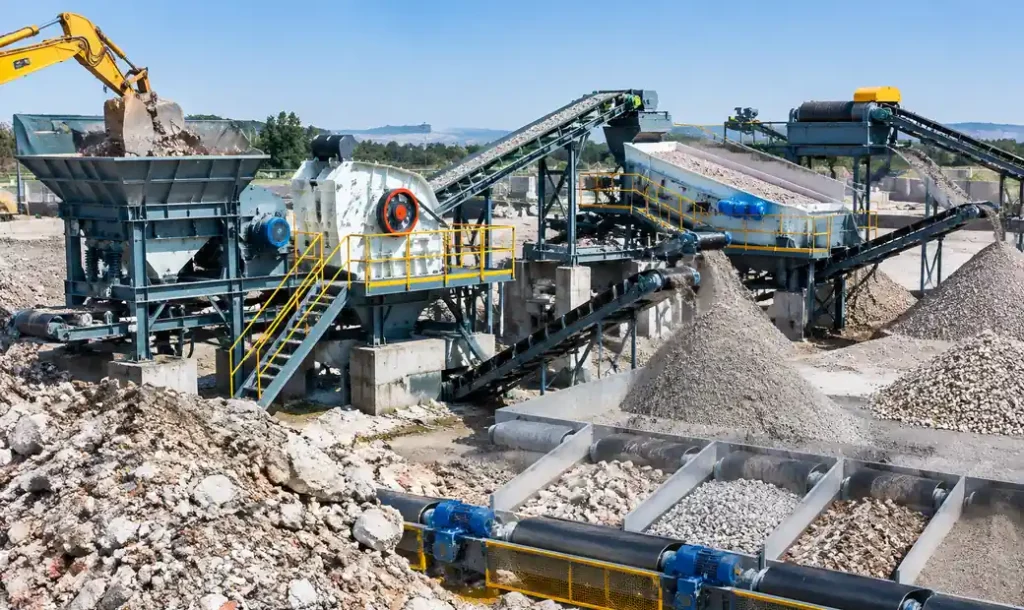
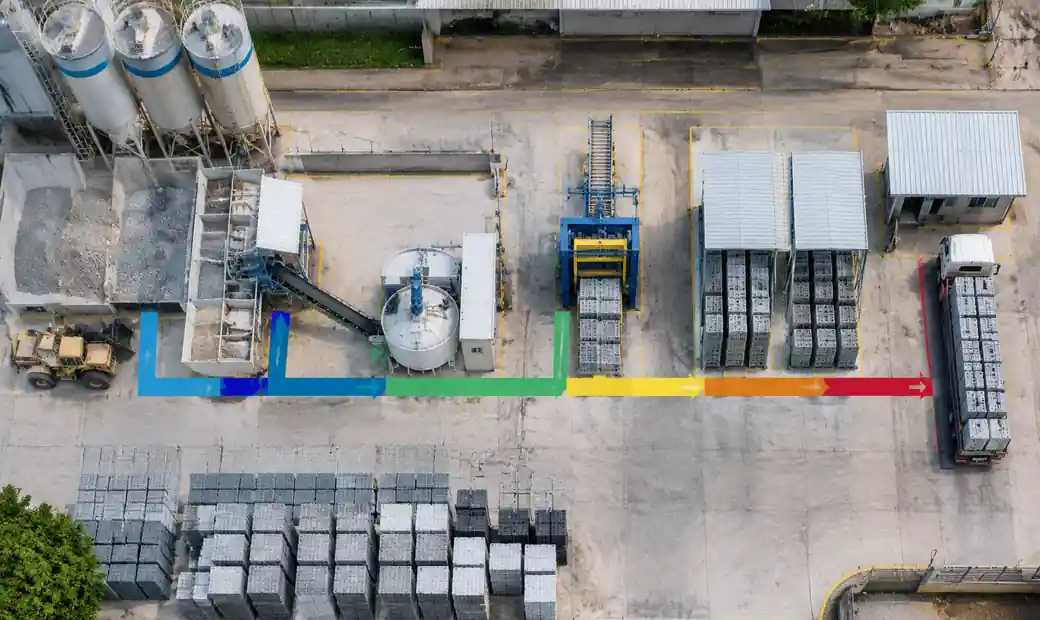
Processing sequence includes: initial sorting and contaminate removal, crushing to specified sizes (5-25mm), magnetic separation for metal recovery, washing to remove dust and organics, and grading to meet particle size specifications.
Investment in processing equipment ranges from $15,000-35,000 for manual sorting and crushing systems handling 20-40 tons daily, to $120,000-280,000 for automated lines processing 100-200 tons daily with optical sorting and multi-stage crushing.
Mix Design Optimization
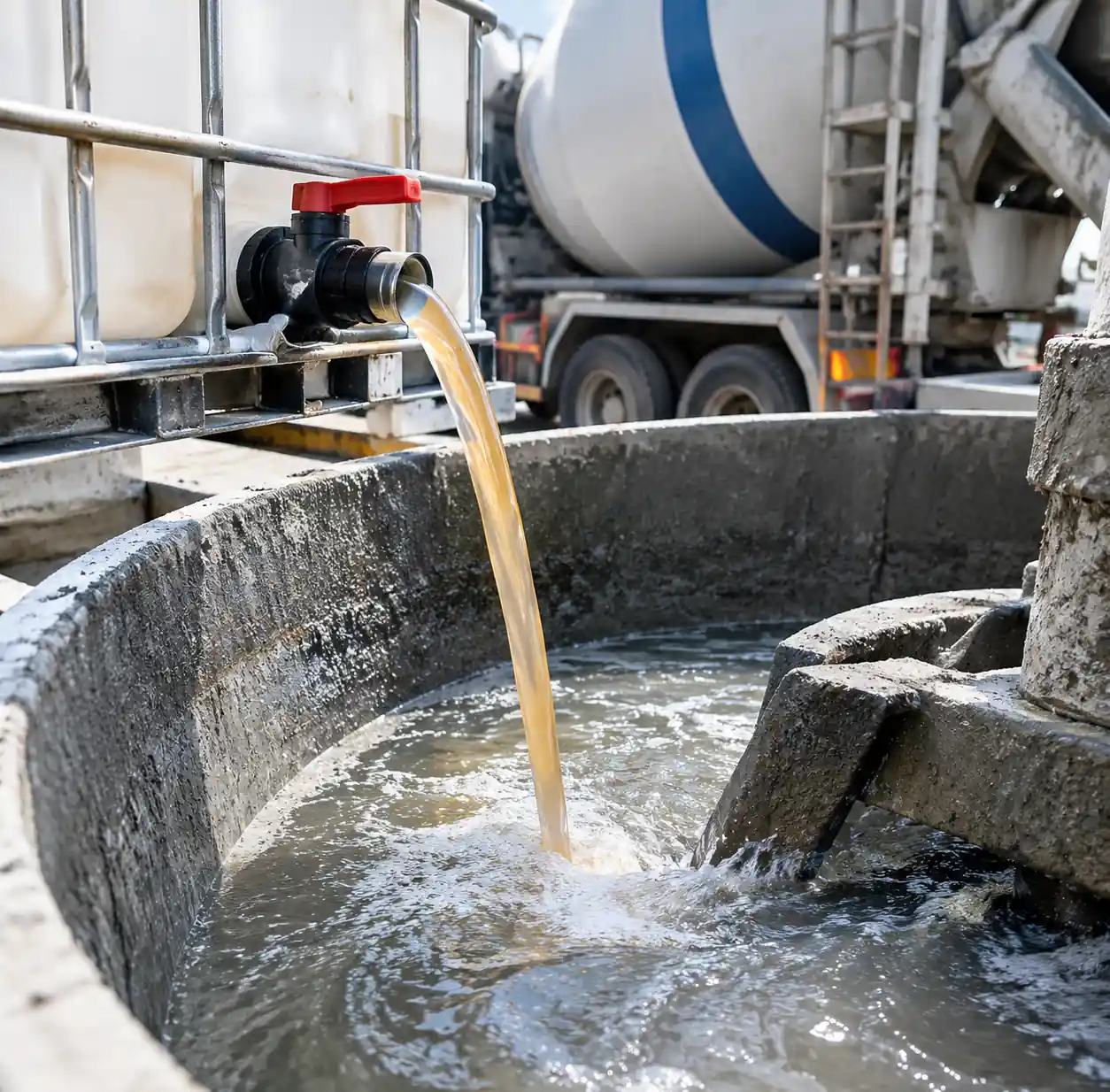
Recycled content blocks require adjusted water-to-cement ratios due to higher aggregate absorption. Increase total water content 8-15% compared to conventional mixes, adding water gradually during mixing to prevent oversaturation.
| Mix Component | Conventional Block | 40% RCA Block | 60% RCA + 20% Fly Ash |
|---|---|---|---|
| Cement | 300 kg/m³ | 280 kg/m³ | 200 kg/m³ |
| Fly ash | 0 | 0 | 75 kg/m³ |
| Natural aggregate | 1,800 kg/m³ | 1,080 kg/m³ | 720 kg/m³ |
| Recycled aggregate | 0 | 720 kg/m³ | 1,080 kg/m³ |
| Water | 140 L | 165 L | 155 L |
| Admixtures | Optional | 0.3% plasticizer | 0.5% plasticizer |
Plasticizing admixtures (0.3-0.8% by cement weight) improve workability without excess water. This maintains proper compaction pressure during block formation while achieving target density of 1,850-2,100 kg/m³.
Equipment Considerations
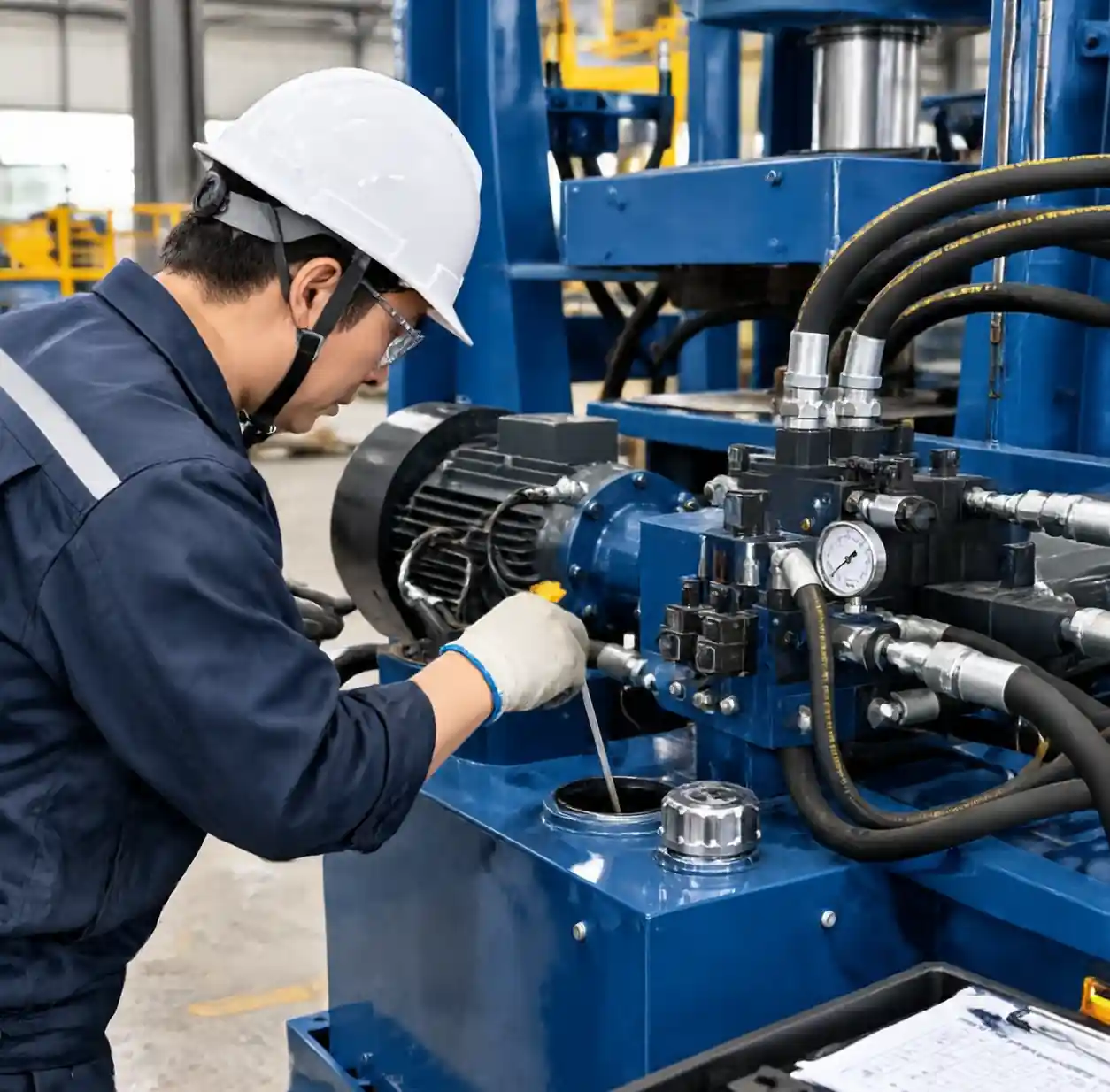
Hydraulic block machines handle recycled aggregate mixes effectively through adjustable compression pressure (1,500-2,500 PSI). Higher pressure compensates for recycled aggregate variability, ensuring consistent density across production runs.
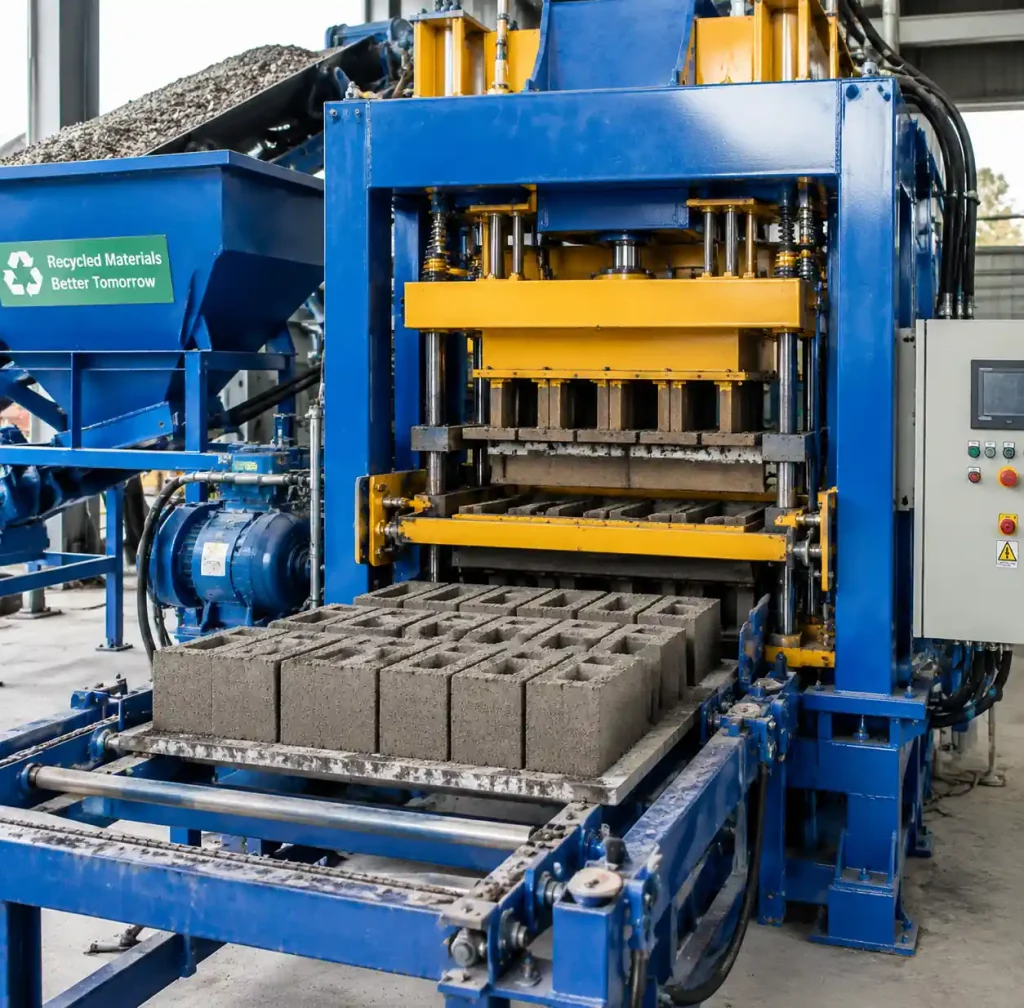
Vibration systems require 20-30% longer cycle times (12-18 seconds versus 8-12 seconds) to properly consolidate recycled content mixes. Vibration block machine technology documents frequency adjustments from 3,000 RPM to 2,500 RPM improve block homogeneity with recycled aggregates.
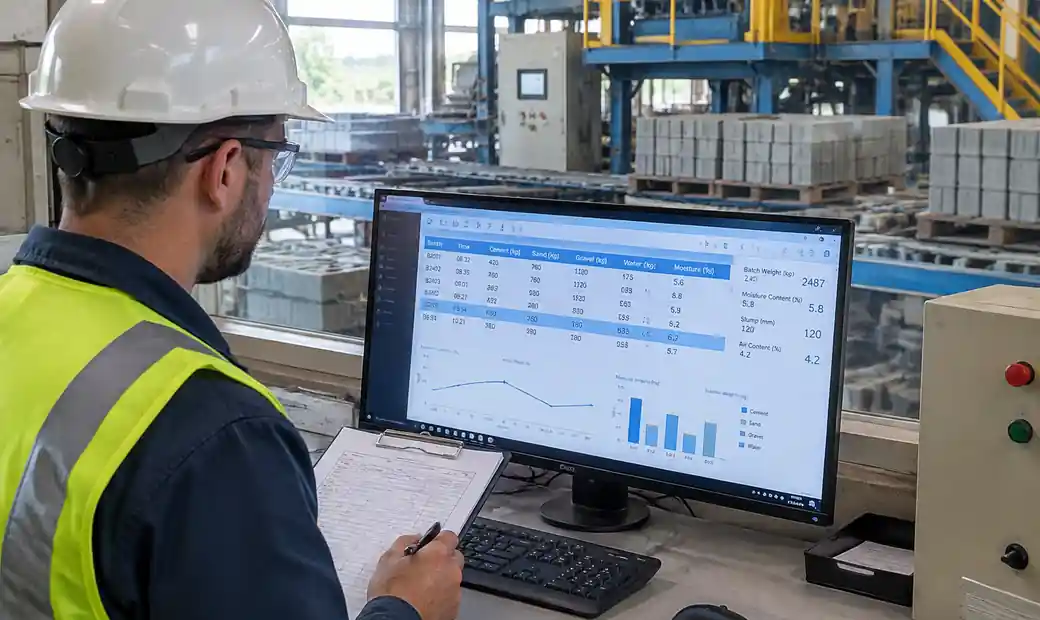
Material feeding systems need modification to handle variable flowability. Forced-feed hoppers with agitation prevent segregation and ensure consistent material delivery to molds. Weigh-batch systems provide accuracy within ±2% for quality control.
Performance Characteristics and Standards Compliance
Blocks incorporating recycled materials must meet the same structural, durability, and safety standards as conventional products. Testing protocols verify performance across compression strength, water absorption, freeze-thaw resistance, and dimensional tolerance.
Compressive Strength Requirements
Research on recycled aggregate blocks confirms 25-40 MPa compressive strength achievable with 50-70% recycled content when using proper mix design and curing. This exceeds ASTM C90 requirements for load-bearing concrete masonry units (17.2 MPa minimum).
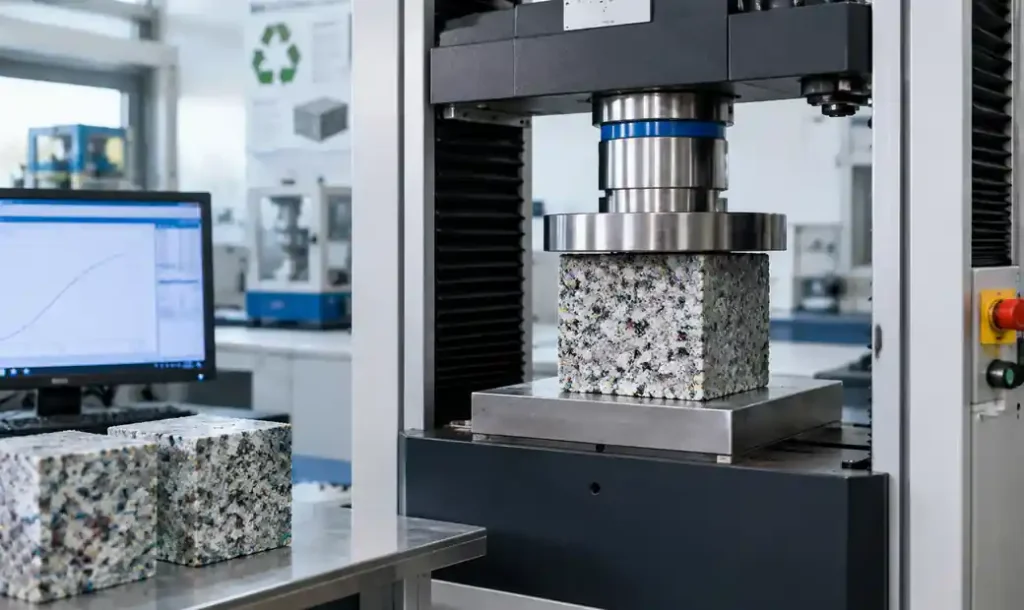
Strength development follows different kinetics than conventional blocks. Recycled content blocks gain strength more slowly initially but continue strengthening beyond 28 days. At 56 days, blocks with 30% fly ash achieve 110-125% of 28-day strength versus 105-110% for conventional blocks.
Quality control testing should sample blocks at 7, 14, and 28 days to establish strength curves. Accept blocks meeting 80% of design strength at 7 days and 95% at 14 days as indicators of proper 28-day performance.
Durability and Weather Resistance
Water absorption typically increases 10-20% with recycled aggregates, from 6-8% to 8-10% by mass. This remains within acceptable limits for exterior applications. Applying water-repellent sealers reduces absorption to conventional levels while adding minimal cost ($0.15-0.30 per block).
Freeze-thaw resistance meets ASTM C1262 requirements when blocks maintain <10% water absorption and achieve minimum 20 MPa strength. Plastic aggregate content improves freeze-thaw performance by providing internal air voids that accommodate ice expansion.
Sulfate resistance improves with fly ash or slag content above 25% cement replacement. These pozzolanic materials densify the pore structure and bind sulfate ions, preventing expansion damage in aggressive soil conditions.
Business Implementation: Setup and Operations
Starting recycled content block production requires assessment of local waste streams, securing material sources, equipment investment, and establishing quality control protocols.
Material Sourcing Strategy
Identify construction waste sources within 50-kilometer radius to control transportation costs. Partner with demolition contractors, concrete suppliers with returned truck waste, and municipal collection programs. Secure agreements guaranteeing 500-2,000 tons monthly supply for consistent production.
Fly ash sourcing through coal power plants typically provides material at $15-35 per ton delivered versus $85-120 per ton for cement. Negotiate long-term contracts specifying chemical composition tolerances (CaO <10% for Class F, >20% for Class C) and consistent fineness (80% passing 45-micron sieve).
Plastic waste collection through municipal programs or recycling centers often provides material at zero cost or small fees ($20-40 per ton). Focus on single-resin streams (PET or HDPE) for consistent performance rather than mixed plastics.
Production Economics and ROI
Initial investment for 50,000-block monthly capacity ranges from $65,000-120,000 including processing equipment, block machine, curing facilities, and material handling. Recycled material cost advantages provide 18-30 month payback periods compared to conventional block plants.
Revenue opportunities include carbon credit programs ($15-35 per ton CO₂ avoided), green building certification premiums (8-15% price premium), and waste disposal fee revenue ($25-60 per ton accepted). Combined benefits improve profitability 30-50% versus conventional production.
Operating cost breakdown shows recycled content blocks achieve $0.22-0.32 per block production cost versus $0.35-0.48 for conventional blocks at similar scale. Material costs represent 45-55% of total production expense, making recycled content strategy essential for competitive pricing.
Quality Control and Certification
Establish testing protocols sampling every 1,000-2,000 blocks for compression testing. Document material sources, mix proportions, and curing conditions for each production batch. This traceability supports quality claims and green building certifications.
ASTM C90 compliance testing requires minimum 3 blocks per test, with average strength meeting specification and no individual block below 80% of specified strength. Additional testing for recycled content blocks should include water absorption (ASTM C140) and freeze-thaw resistance (ASTM C1262) in climate zones experiencing freezing.
Third-party certification through ICC-ES or equivalent provides market acceptance and supports premium pricing. Certification costs $8,000-15,000 initially with $2,000-4,000 annual maintenance, but enables access to institutional projects requiring certified sustainable materials.
Frequently Asked Questions
What percentage of recycled materials can blocks contain while maintaining structural properties?
Blocks achieve 25-35 MPa compressive strength—suitable for load-bearing walls—with 40-60% recycled concrete aggregate, 20-30% fly ash cement replacement, and 5-10% recycled plastic aggregate. Higher percentages work for non-structural applications. Optimal mix uses multiple recycled streams totaling 60-80% content while maintaining continuous particle grading and proper curing.
How do recycled content blocks compare in cost to conventional blocks?
Material costs run 30-50% lower due to reduced cement consumption and free or low-cost waste materials. Total production costs decrease 25-40% including material savings, disposal fee avoidance, and energy reductions. Selling prices typically match or exceed conventional blocks due to sustainability premiums and green building certification requirements.
What equipment modifications are needed to produce recycled content blocks?
Hydraulic block machines handle recycled aggregates without major modification. Extend vibration cycle time 20-30% for proper consolidation. Install forced-feed hoppers to manage variable material flowability. Add weigh-batch systems for consistent proportioning. Processing equipment (crusher, screen, separator) represents the primary additional investment at $15,000-35,000 for manual systems or $80,000-180,000 for automated processing.
Do recycled content blocks meet building codes and standards?
Yes—blocks meeting ASTM C90 compressive strength requirements (17.2 MPa minimum) and water absorption limits (<10% by mass) satisfy building codes regardless of recycled content. Testing protocols remain identical to conventional blocks. Third-party certification through ICC-ES provides additional verification for specification by architects and engineers on major projects.
What are the main challenges in recycled content block production?
Material variability requires batch-by-batch quality control and mix adjustment. Contaminants like wood, gypsum, or excessive fines must be removed through processing. Higher water absorption of recycled aggregates demands adjusted water-cement ratios. Slower early strength development requires adequate curing time. Market education about performance equivalence to conventional blocks takes time and testing documentation.
Which recycled materials work best for different block applications?
Load-bearing blocks: 30-50% recycled concrete aggregate + 15-25% fly ash provides 25-35 MPa strength. Partition walls: 60-80% RCA with 10-15% plastic waste achieves 15-20 MPa economically. Paving blocks: 50-70% RCA + 10-15% plastic offers durability and freeze-thaw resistance. Insulation blocks: 40-60% lightweight recycled aggregate + 15-20% agricultural ash reduces thermal conductivity 30-40%.
Conclusão
Eco-friendly block production using recycled materials delivers 45-60% carbon emission reductions and 30-50% material cost savings while meeting or exceeding structural performance standards. Technology enables 50-100% recycled content through combinations of construction waste aggregates, fly ash, recycled plastics, and industrial by-products.
Production requires material processing investment ($15,000-120,000), mix design optimization for recycled aggregate characteristics, and quality control protocols ensuring ASTM compliance. Blocks achieve 25-35 MPa compressive strength suitable for load-bearing applications with proper material selection and curing.
Market opportunities include green building certification premiums, carbon credit programs, and waste disposal revenue. Combined benefits improve profitability 30-50% versus conventional production while diverting millions of tons from landfills annually.
If you need reliable block production equipment designed for recycled materials, Raytone Block Machinery offers hydraulic and automatic systems engineered to handle variable aggregate properties. Our machines feature adjustable compression pressure, extended vibration cycles, and forced-feed systems optimized for recycled content mixes. Contact us today for equipment specifications tailored to your recycled material applications and local waste streams.
Sources
- Recycled aggregate concrete design, application and challenges
- Increasing the Reuse Potential of Recycled Aggregates from Concrete and Masonry CDW
- Evaluation of mechanical, thermal and sustainability performance of eco-efficient solid masonry blocks
- Sustainable paver block development using recycled plastic waste
- Eco-friendly Cement-Free Paving Blocks from Recycled LDPE Plastic Waste
- Sustainable Development of Paver Blocks Using Fly Ash and Plastic Waste
- Reutilization of Recycled CDW Sand in Mortars, Paving Blocks, and Structural Concrete
- Recycled Aggregates for Sustainable Construction
- Construction Waste Recycling Technology Insights
- ASTM C90 – Standard Specification for Loadbearing Concrete Masonry Units